Tag: botrytis
-
Weekly Field Update – 3/9/26
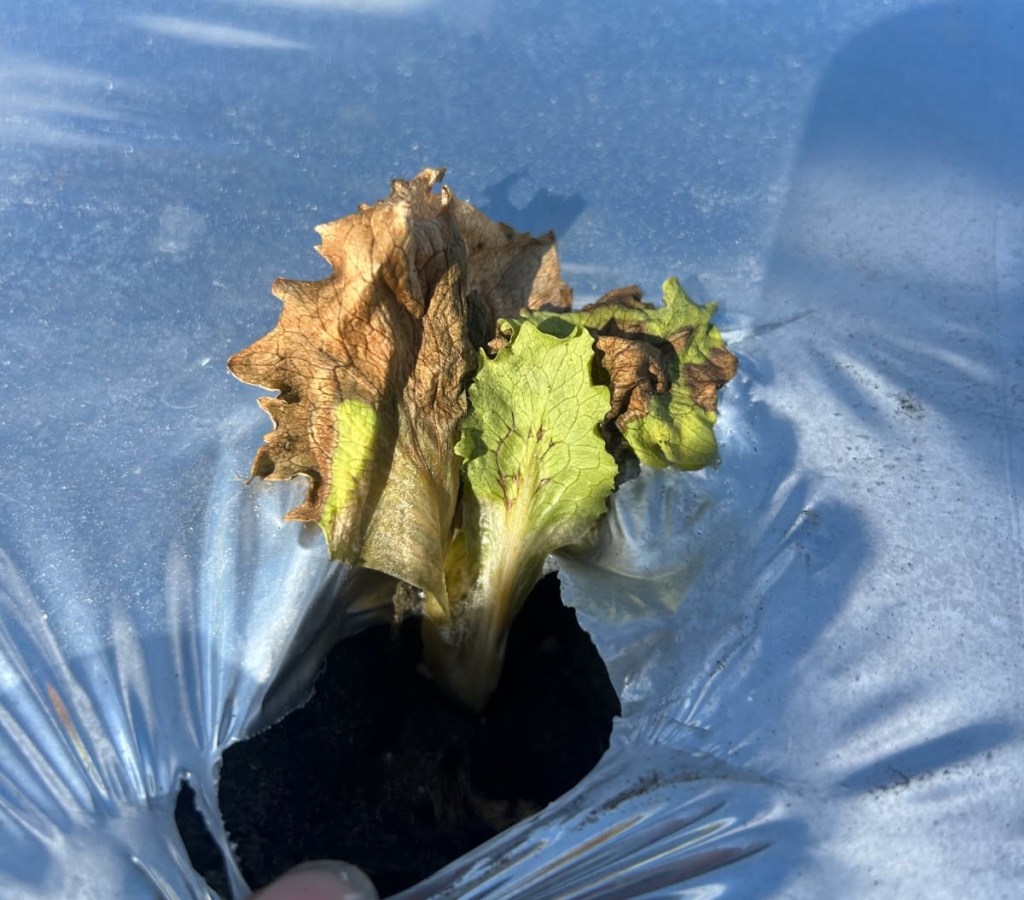
Warm weather and rain will have crops growing quickly this week. This is also a recipe for disease development. As strawberries, blueberries, and other small fruits progress, stay on top of disease management and scout closely. See details below. Keep an eye on the Upcoming Events tab periodically so you don’t miss any of our…
-
Weekly Field Update – 3/2/26
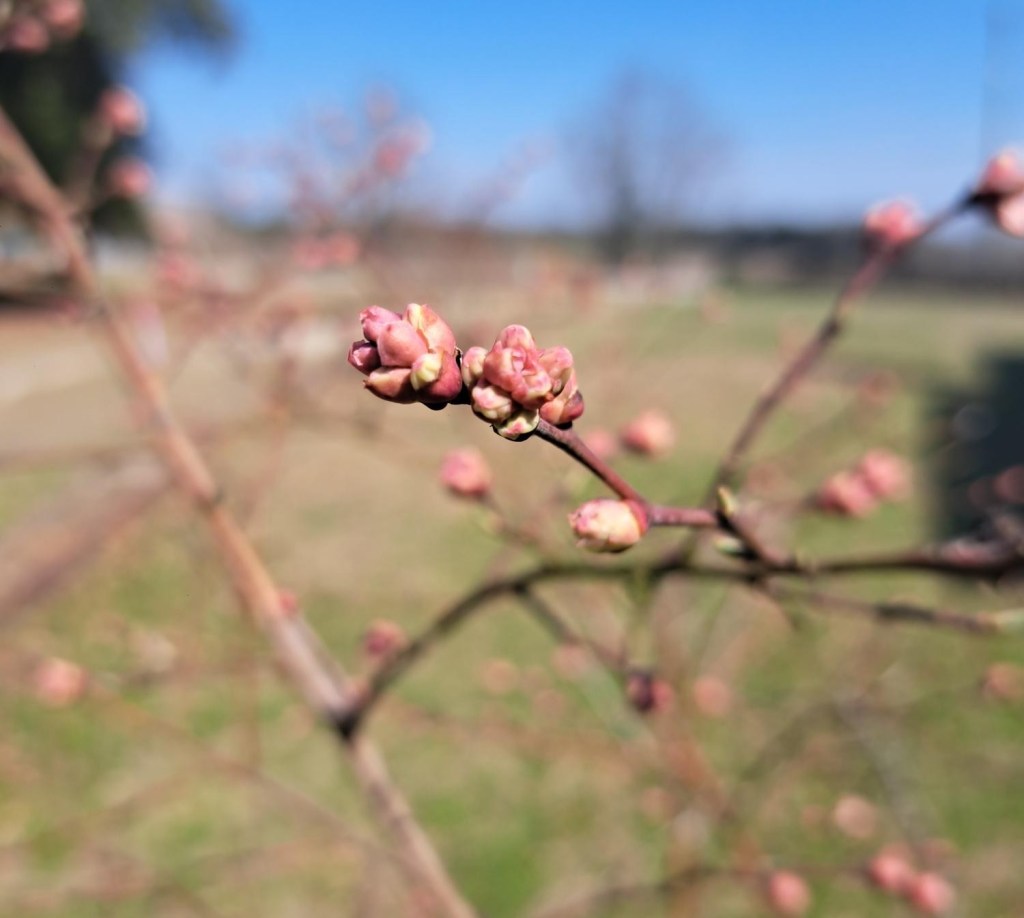
After some rain and warm weather, crops will begin moving quickly this week. Now is a good time for strawberry tissue sampling and disease resistance screening. With more rain in the forecast, make sure you’re staying on top of disease control programs. See details below. Keep an eye on the Upcoming Events tab periodically so…
-
Weekly Field Update – 2/23/26
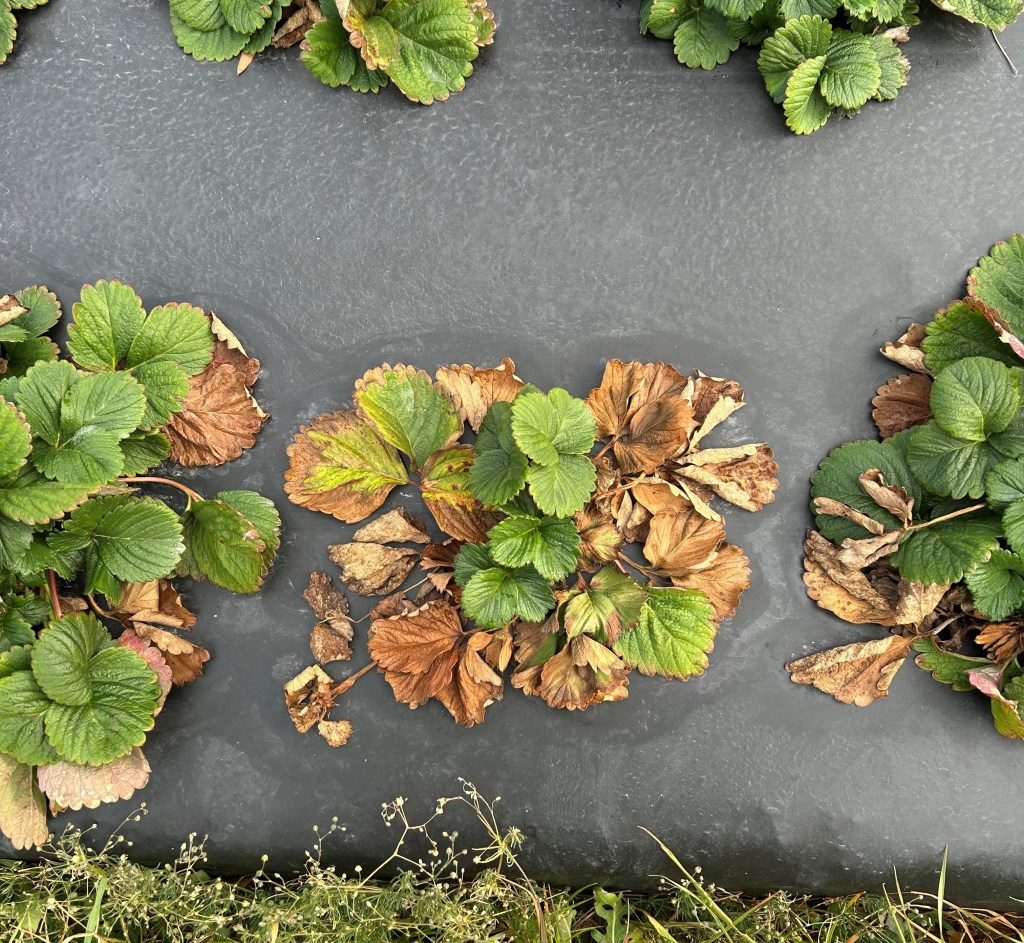
After a taste of spring weather, the week is off to a cold start. Many growers have begun spring fertilization in strawberries and will begin protecting flowers and fruit from the cold. We are seeing an increase in insect and disease pressure around the state. See details below. Keep an eye on the Upcoming Events…
-
Strawberries Showing Signs of Gray Mold After the Freezing Temperatures
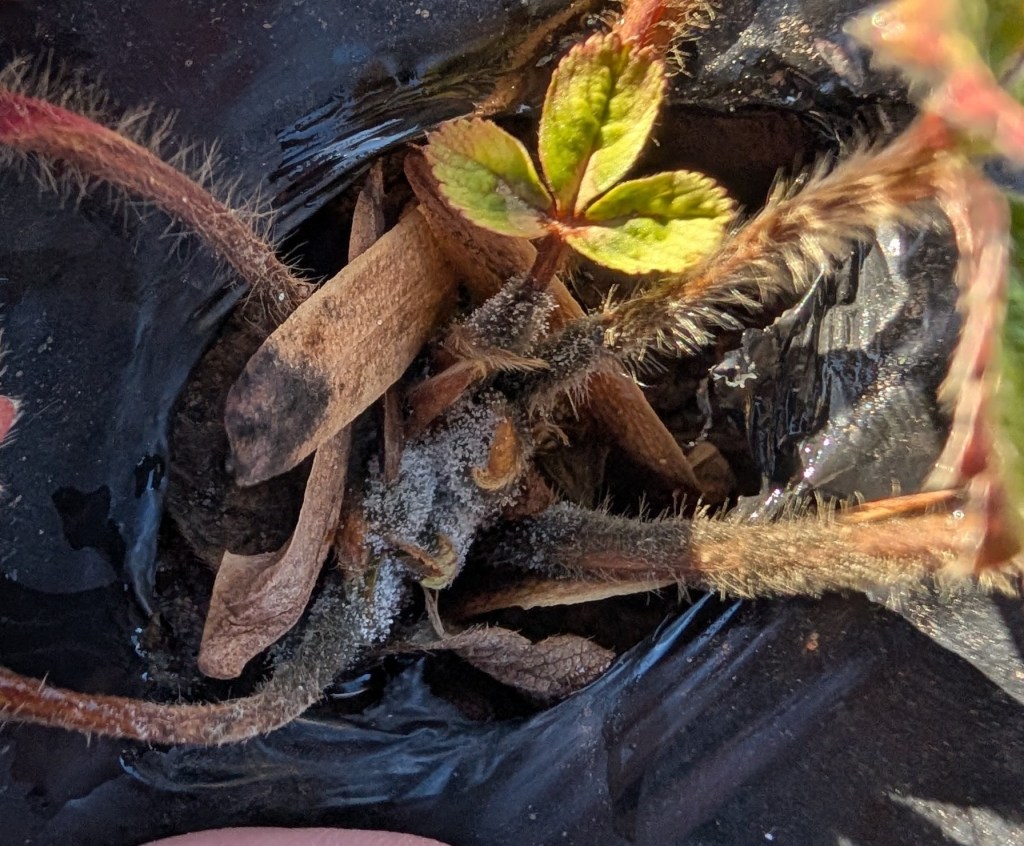
Lindsey Thiessen and Guido Schnabel South Carolina is warming up following several bouts of freezing temperatures. Many used frost-protection covers to keep fruit crowns from freezing. To add some additional stress following the freezing temperatures, growers are reporting significant gray mold presence after frost protection covers have been removed. Gray mold is caused by a…
-
Question of the Week – Botrytis
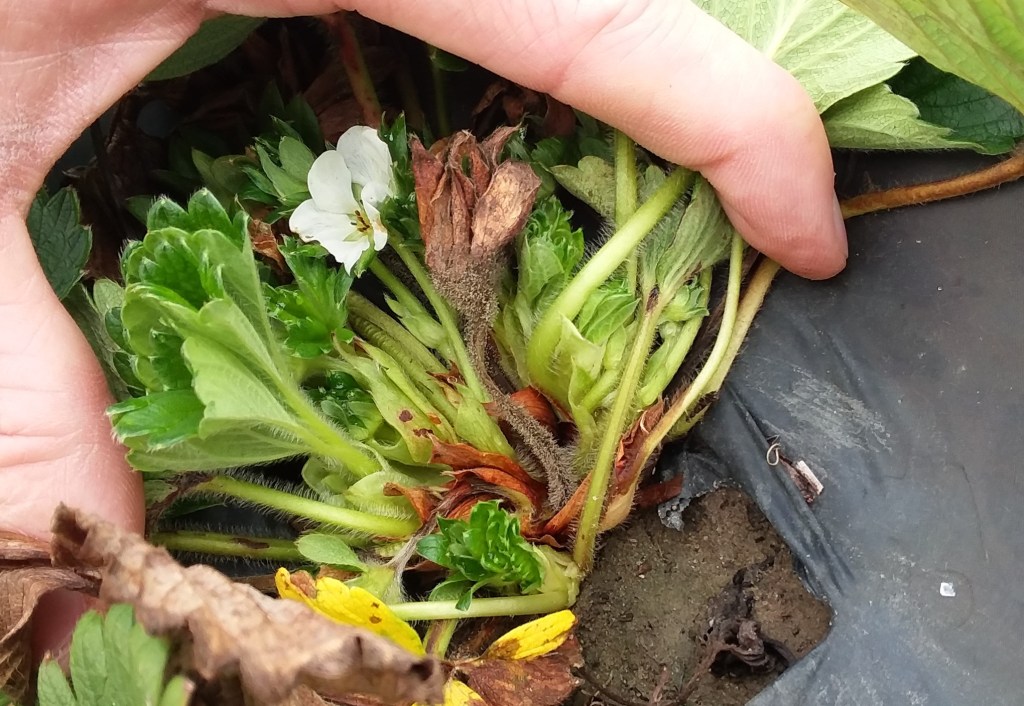
What is the greyish-brown, fuzzy stuff on this dead strawberry blossom? This this fuzzy-looking growth is grey mold caused by Botrytis cinerea. Grey mold is one of our most serious fruit rot diseases of strawberries that we see every single year in every single field. In addition to developing on fruit, grey mold can develop…
-
Spray Strategies for Strawberry Disease Control in South Carolina
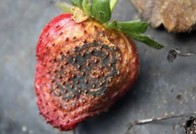
Guido Schnabel, Extension Plant Pathologist Disease management is essential for growing high-quality strawberries in plasticulture. While Botrytis fruit rot (BFR) is a disease you can expect every year, Anthracnose fruit rot (AFR) and the more recently introduced Neopestalotiopsis fruit and crown rot (Neo-P) may or may not appear (Fig. 1). This largely depends on how…
-
Biologicals and Their General Performance Against Strawberry Diseases
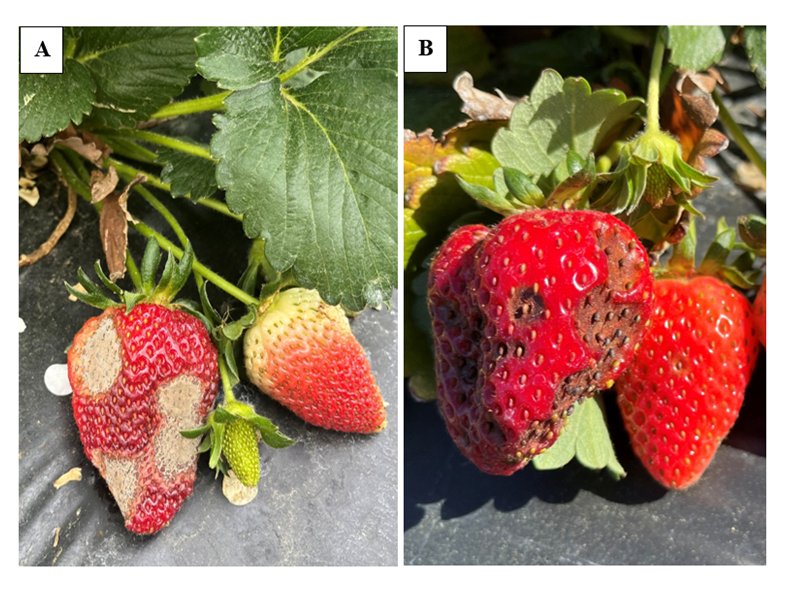
Johanna Wesche and Guido Schnabel, Clemson University “Do biologicals work?” That is a frequently asked question coming not only from strawberry growers, especially in light of increasing resistance issues with many of the conventional fungicides and the fungicide insensitivity of Neopestalotiopis sp. In our recent article, “Biologicals Made Easy: Grouping and Understanding Biological Fungicides,” we…
-
Efficacy Trials with Biofungicide Howler EVO against Strawberry Diseases
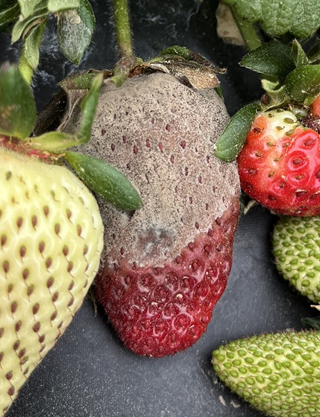
By Guido Schnabel, Jeffrey A. Hopkins, and Johanna Wesche Recently, the article Fungus-Based Biological Control Agents: How Useful Are They for Strawberry Disease Management? was published. The article reported our first experience with yeast-based biological control agents (BCA) against Botrytis fruit rot (BFR) and Anthracnose fruit rot (AFR) of strawberry. The trials were conducted at the…
-
Fungus-Based Biological Control Agents: How Useful Are They for Strawberry Disease Management?
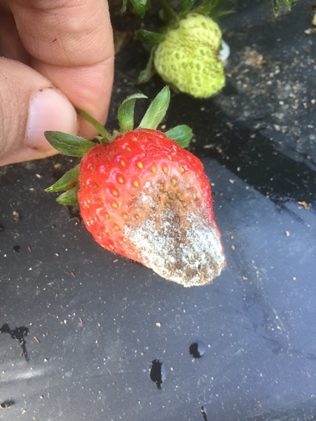
From Guido Schnabel, Jeffrey A. Hopkins, Jim Faust, and William Gura Biological control agents (BCAs) are being promoted for disease management in fruits, nuts, and vegetables but very little data is available about their efficacy especially when it comes to preharvest field performance. The Schnabel lab has investigated yeast-like fungi and true yeast BCAs, namely…
-
Question of the Week – Grey Mold
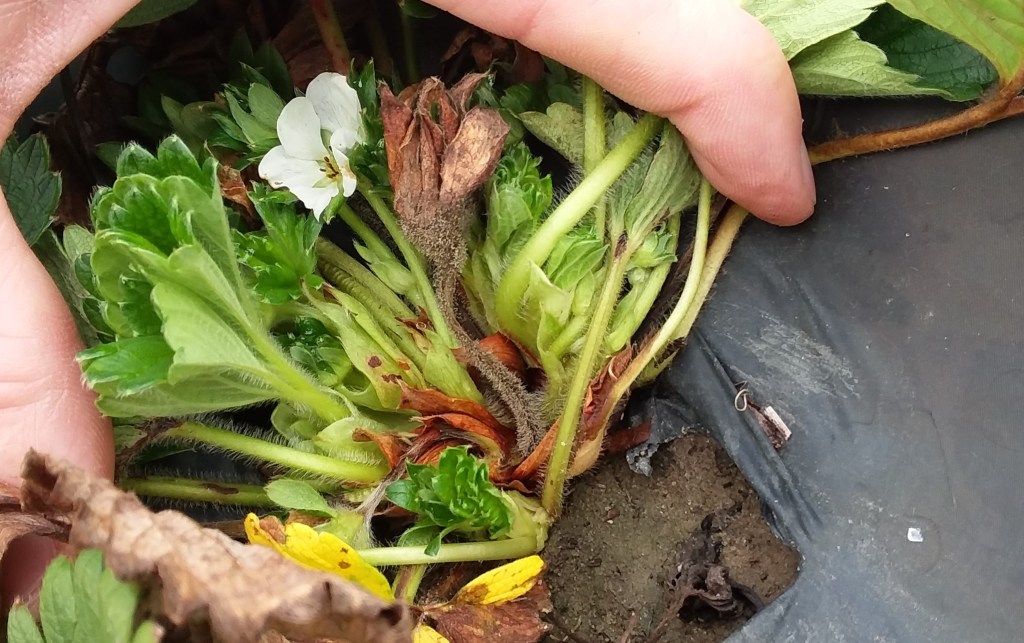
This week, the question was: What is the fuzzy, grey stuff developing on the dead bloom? This is grey mold (Botrytis cinerea), the number 1 threat to strawberry yields in the southeast. As the weather begins to warm, we will start to see grey mold in every strawberry field and growers need to have fungicides…
 The South Carolina Grower