Tag: bacterial wilt
-
Weekly Field Update – 7/1/24
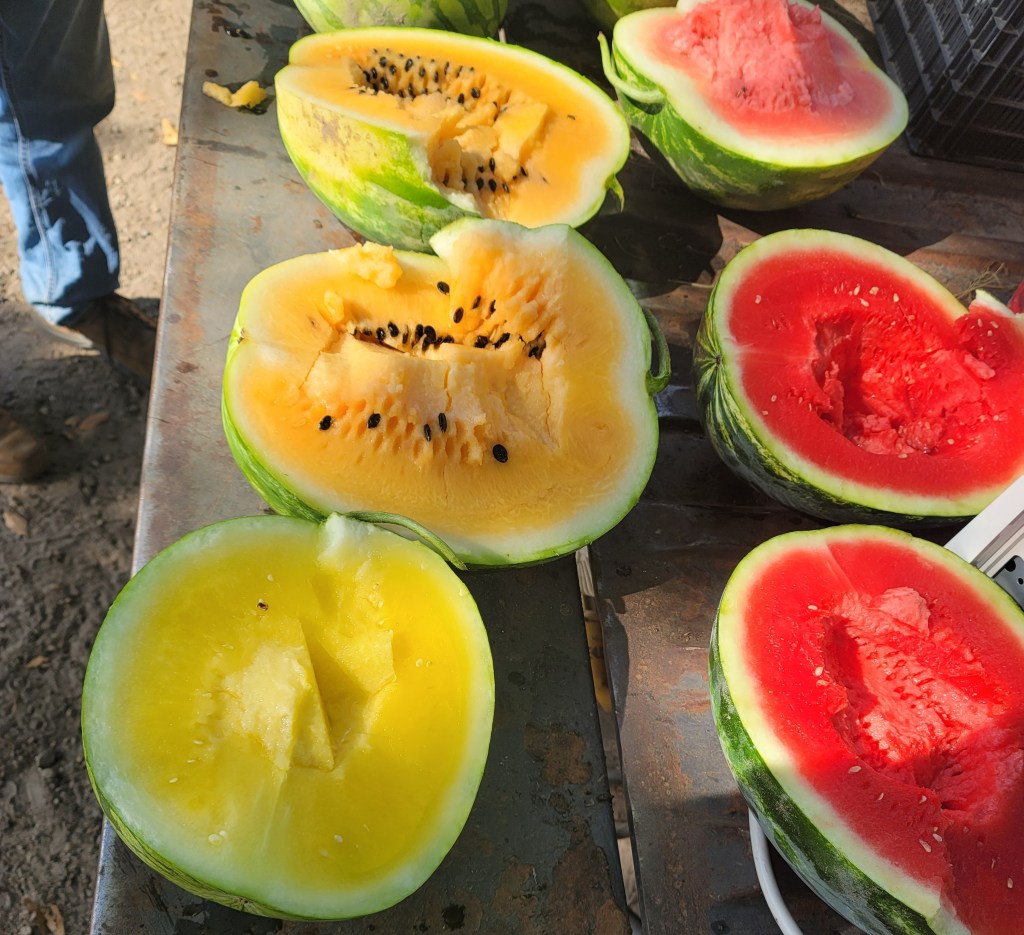
We hope everyone has a safe and happy Independence Day later this week! Parts of the state received some much-needed rain over the past several days. Hot weather is causing many crops to come to harvest faster than normal. Insect pressure is high, as is blossom end rot, and other heat-related issues. See details below.…
-
Weekly Field Update – 6/24/24
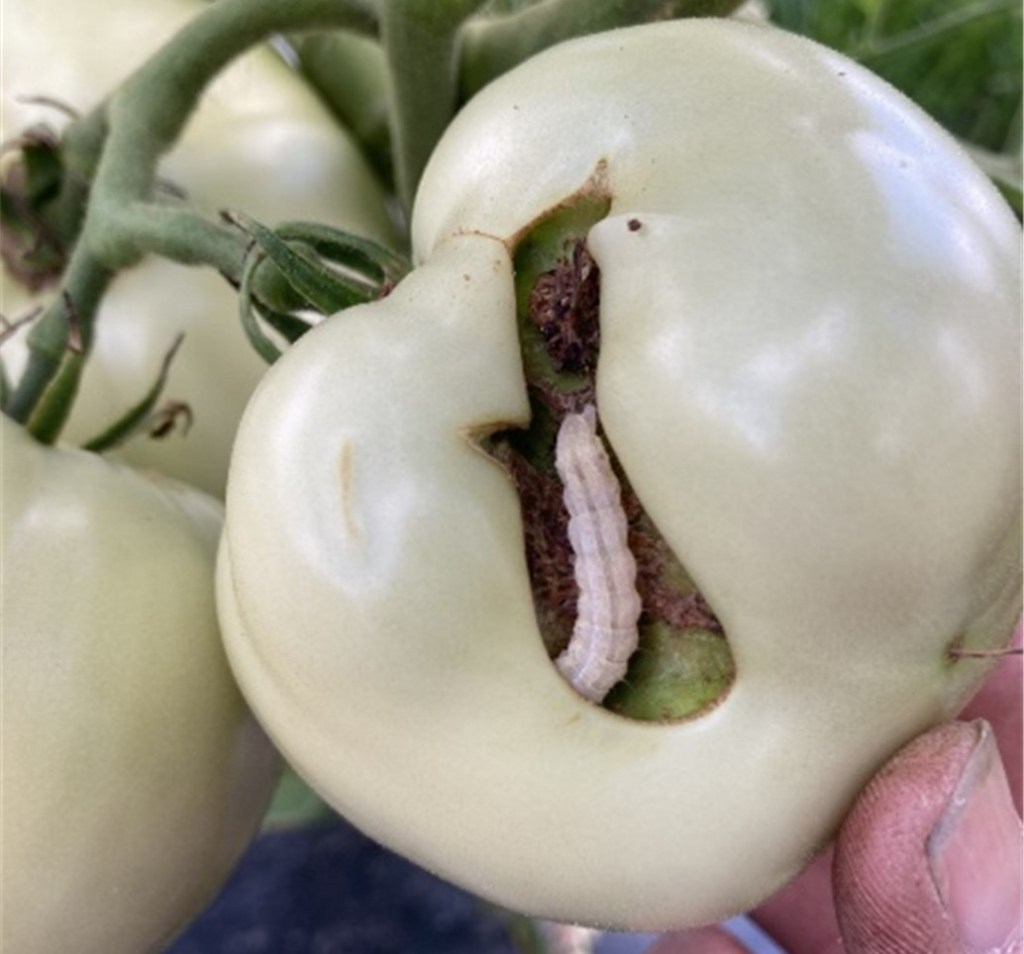
The heat continues throughout the state. Small fruits and peaches are being harvested in great quantities as disease and insect issues continue to develop in certain vegetable crops. See details below. Keep an eye on the Upcoming Events tab periodically so you don’t miss anything. Also, check out the latest episode of the SC Grower…
-
Question of the Week – Bacterial Wilt
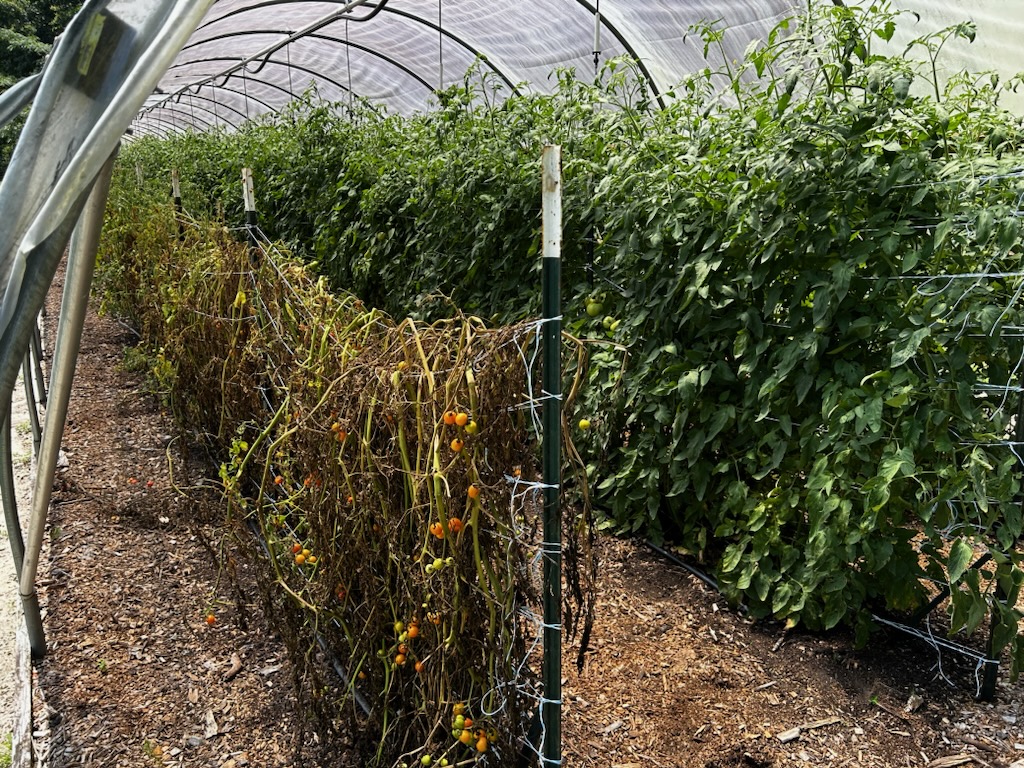
This week, the question was: Why is this row of tomato plants dead, but the next row is perfectly healthy? The row on the left has succumbed to bacterial wilt. In the row on the right are grafted plants that had bacterial wilt resistance. You can see the night and day difference between the grafted…
-
Field Testing for Bacterial Wilt

Bacterial wilt and Southern blight have been showing up in SC over the last couple weeks. While both diseases cause indistinguishable wilting in the infected plant, it is important to determine which disease is present in order to appropriately manage it. The test shown below is a quick field test that will help distinguish between…
-
Weekly Field Update – 8/17/20
Statewide Dr. Tony Keinath with a word on crop rotation. “To keep the soil on your farm productive over the long term, do not replant the same vegetable, or a related crop, in the same field “too often.” How often is “too” often depends on the crop and the pathogens present in the soil. Almost…
-
Field Update – 5/20/19
Statewide: Dr. Guido Schnabel reports, “Green fruit rot is starting to show up in commercial peach orchards. This disease is caused by the fungus Monilinia fructicola. In spring we had an extended period of bloom with lots of rain. That led to blossom blight caused by the same fungal pathogen. Growers must take this disease…
 The South Carolina Grower