Tag: disease management
-
And So It Begins…Neopest is Starting to Show Up.
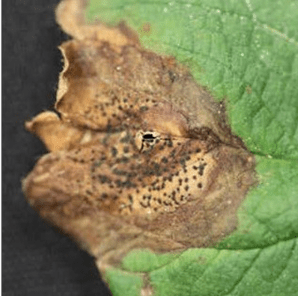
By Guido Schnabel It is early October 2024 and as feared and expected, we are starting to see Neopestalotiopsis symptoms in strawberry fields. The leaf in Fig. 1 (left) displays leaf necrosis and was collected from a South Carolina farm October 4, 2024. Necrosis on leaves can be caused by many things, but if you…
-
Efficacy Trials with Biofungicide Howler EVO against Strawberry Diseases
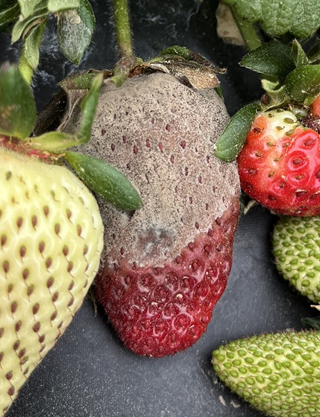
By Guido Schnabel, Jeffrey A. Hopkins, and Johanna Wesche Recently, the article Fungus-Based Biological Control Agents: How Useful Are They for Strawberry Disease Management? was published. The article reported our first experience with yeast-based biological control agents (BCA) against Botrytis fruit rot (BFR) and Anthracnose fruit rot (AFR) of strawberry. The trials were conducted at the…
-
Recommendations for Fall Treatments in Strawberry Crops with Known Presence of Neopest

Guido Schnabel, Clemson University; Phil Brannen, University of Georgia; and Bill Cline, North Carolina State University Whether or not Neopestalotiopsis will substantially harm your strawberries this season depends on many things, including the cultivar, sanitation practices, initial inoculum levels, weather conditions, the fungicides you apply, and application timing. This article focuses on chemical management options…
-
Downy Mildew Found on Cucumber and Squash in Charleston
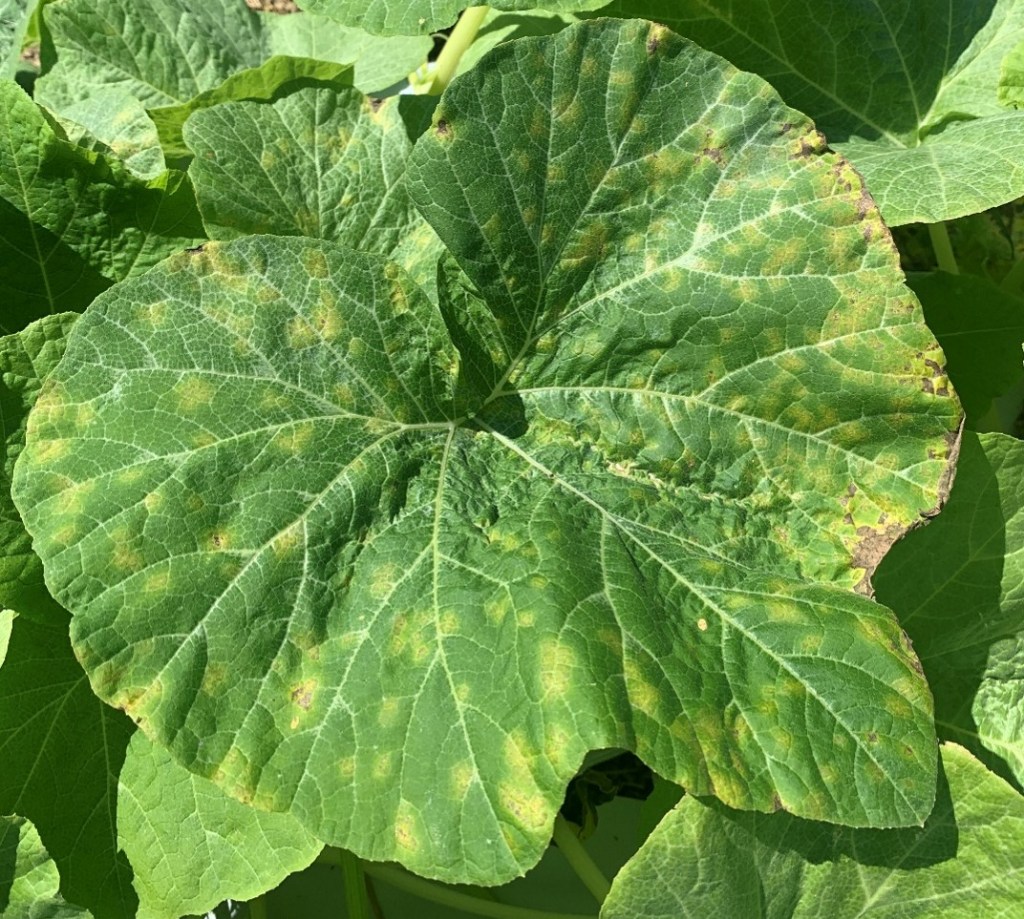
By Clemson Plant Pathologist Dr. Anthony Keinath Similar to 2023, cucurbit downy mildew was found at Coastal REC in mid-September, last Friday the 13th, on cucumber and butternut squash transplanted August 15. Interestingly, cucumbers transplanted about 2 weeks ago didn’t have downy mildew…yet. Symptoms on both cucumber and squash means that both strains of cucurbit downy…
-
Fungus-Based Biological Control Agents: How Useful Are They for Strawberry Disease Management?
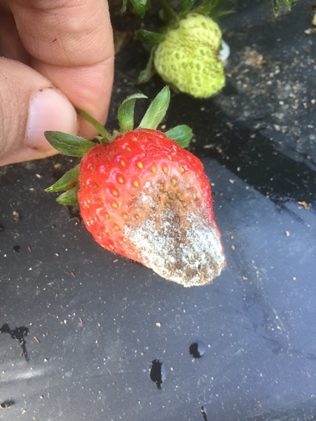
From Guido Schnabel, Jeffrey A. Hopkins, Jim Faust, and William Gura Biological control agents (BCAs) are being promoted for disease management in fruits, nuts, and vegetables but very little data is available about their efficacy especially when it comes to preharvest field performance. The Schnabel lab has investigated yeast-like fungi and true yeast BCAs, namely…
-
Dramatic Neopestalotiopsis Disease in Strawberry Nurseries
From Phil Brannen (UGA Plant Pathologist) and Guido Schnabel (Clemson Plant Pathologist) Neopestalotiopsis fruit rot and leaf spot is already making headlines for this coming 2024-2025 season. As many strawberry producers are aware, some nurseries are already “ringing the alarm bells”. There is a major pass through to strawberry nurseries and producers through use of…
-
More Evidence that Choosing Grafting or the Right Cultivar is More Important than Using Fungicides to Manage Fusarium Wilt of Watermelon

By Clemson Plant Pathologist Tony Keinath My 2024 Fusarium wilt experiment at Coastal REC, Charleston, SC, was a streamlined version of the 2023 experiment with 2 fungicides, 2 cultivars, and grafting, except we tested 1 different fungicide and 1 different cultivar. The 2024 results, however, matched the results from 2023 (see title). Already at 3…
-
Damping-Off on Direct-Seeded and Transplanted Vegetable Crops
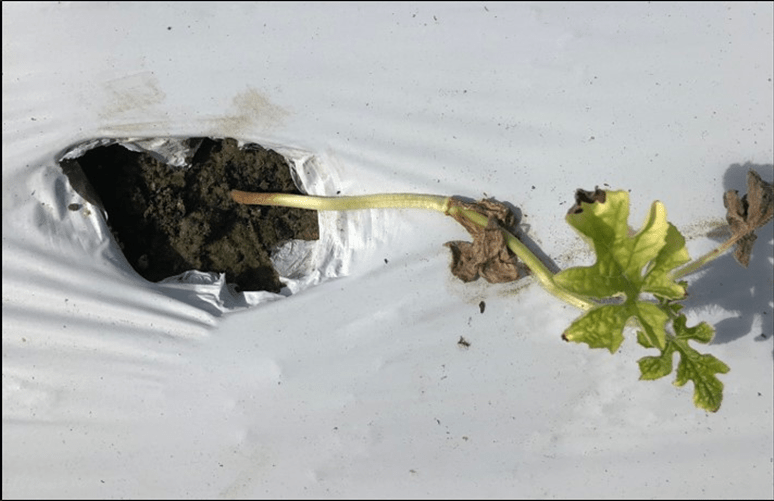
From Clemson Plant Pathologist Tony Keinath “Damping-off” refers to root and stem rot on young seedlings of direct-seeded crops. “Stem and root rot” is used to describe the same disease on transplanted crops. I will use the term “seedling disease” when information below applies to both types of crops. In South Carolina, the water mold…
-
White Mold on Kale and Other Cool-Season Vegetables

From Clemson Plant Pathologist Tony Keinath Sclerotinia white mold, a cool-season disease on several different vegetable crops, is present on collard and (probably) on kale. It is particularly common on over-wintered crops. The white mold fungus has a complex life cycle. The fungus, Sclerotinia sclerotiorum, survives long-term and over the summer as sclerotia in soil.…
-
Fungicide Sensitivity of Cucurbit Powdery Mildew in Charleston, SC
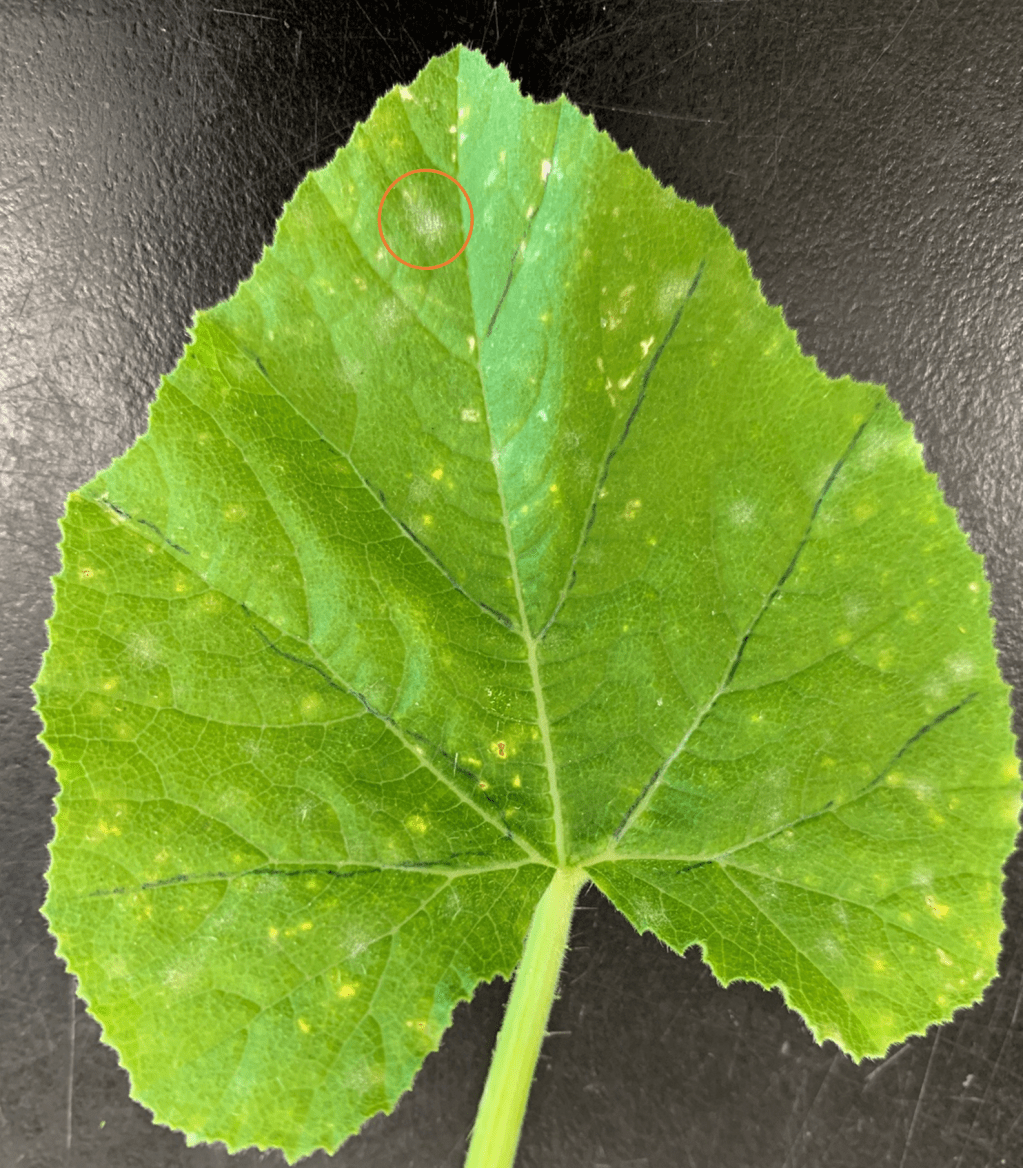
From Clemson Plant Pathologist Tony Keinath A fall fungicide sensitivity bioassay was done in October 2023, to find out which fungicides are most effective against powdery mildew on squash, watermelon, and other cucurbits. Methods: ‘Early Prolific’ yellow summer squash plants with three true leaves were treated with fungicides, water, or not treated. The following day,…

