Tag: disease management
-
Cucumber Cultivar Response to Downy Mildew
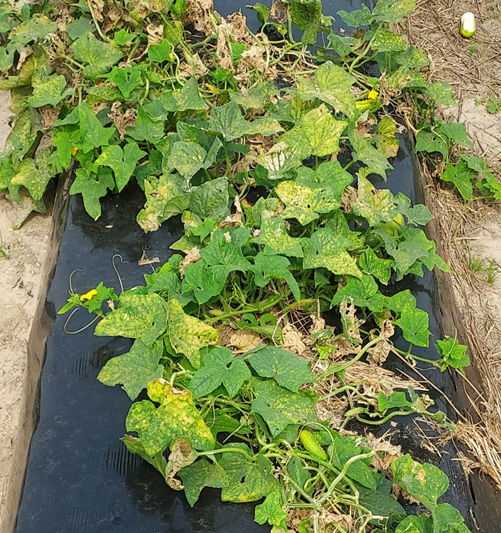
From Clemson Plant Pathologist Tony Keinath This blog is an update on the preliminary cucumber cultivar reactions to downy mildew posted on June 16, 2023. Use the info in this blog to choose cultivars. Clearly, a few cultivars had temporarily “escaped” infection, although I don’t know how that was possible. In addition, the resistances originally…
-
Watch for Late Blight in Tomatoes
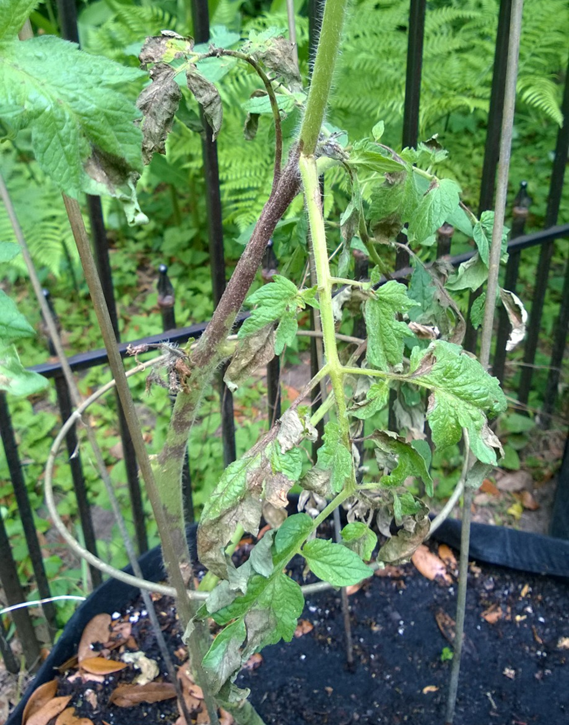
By Clemson plant pathologist Tony Keinath. The unusually cool weather in South Carolina the past two weeks and the rain from the tropical storm system over the Memorial Day weekend create favorable environmental conditions for late blight to develop on tomatoes that have not been sprayed with a fungicide in the past week. However, I’ve…
-
Urgent: Powdery Mildew Found on Watermelon in Charleston, SC

From Clemson Plant Pathologist Tony Keinath. Powdery mildew was found on three cultivars of seedless watermelon at the Clemson Coastal REC on May 23, 2023. All watermelon crops in South Carolina should be 1) scouted for powdewry mildew and 2) if found, sprayed to prevent powdery mildew from reducing yields by up to 40%. When…
-
Cucurbit Downy Mildew Found in SC
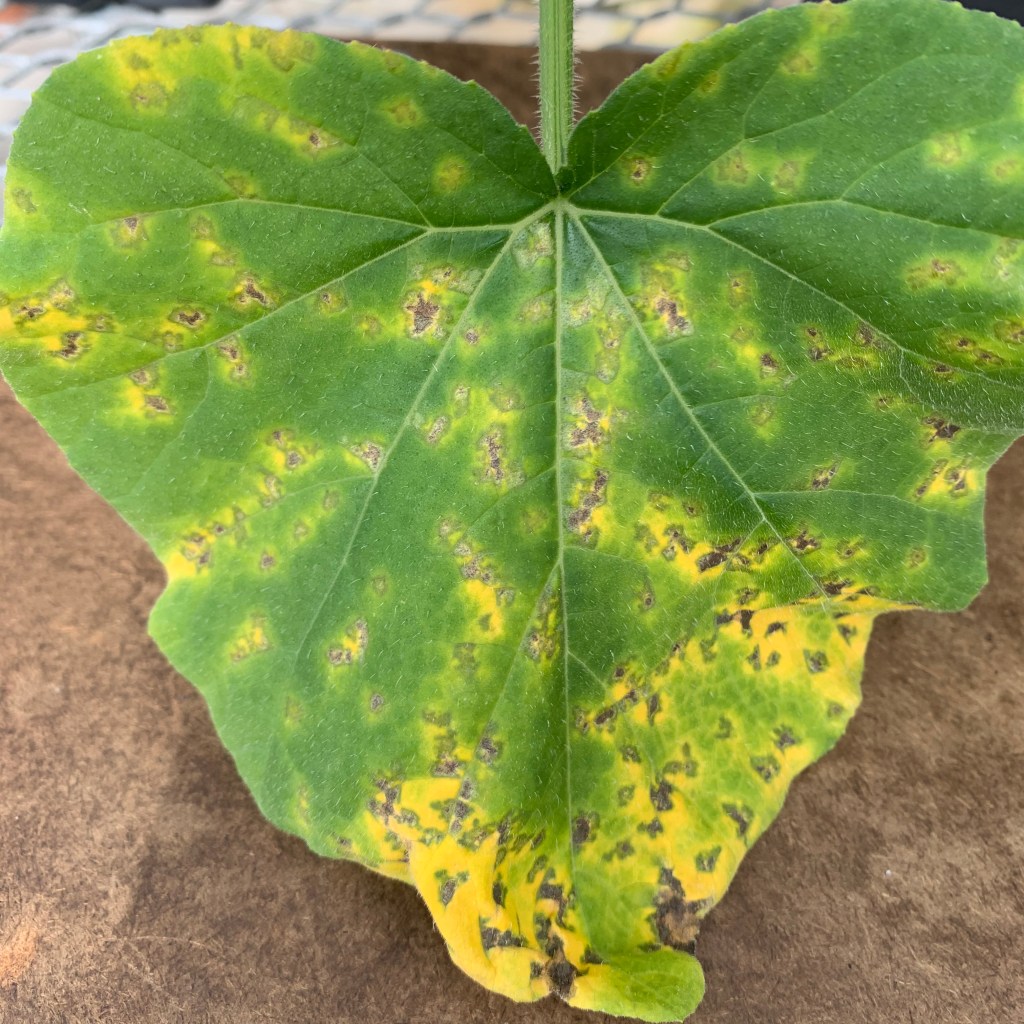
Prepared by Rob Last, Justin Ballew, and Tony Keinath. Cucurbit downy mildew was identified in South Carolina on 5/12/23. The identification came from butternut squash grown in a sentinel plot at the Coastal REC in Charleston. The same strain that affects butternut squash also affects watermelon and summer squash. Now that downy mildew has been…
-
Weekly Field Update – 4/24/23

Check out upcoming meetings on the Upcoming Events tab, and don’t forget to look at our Resources tab for links to crop handbooks, helpful websites, and related blogs. Also, check out the latest episode of the SC Grower Exchange Podcast. Be sure to scroll all the way to the bottom to see this week’s Question…
-
Weekly Field Update – 4/17/23
Check out upcoming meetings on the Upcoming Events tab, and don’t forget to look at our Resources tab for links to crop handbooks, helpful websites, and related blogs. Also, check out the latest episode of the SC Grower Exchange Podcast. Be sure to scroll all the way to the bottom to see this week’s Question…
-
Weekly Field Update – 4/10/23

Coming up this week, we have a couple more Pesticide Collection Events hosted by the SCDA. This is a great opportunity to get rid of any old unwanted pesticides you have lying around the shed. Check out other upcoming meetings on the Upcoming Events tab. Don’t forget to look at our Resources tab for links…
-
Bacterial Spot on Tomato: Are the Cures as Bad as the Disease?
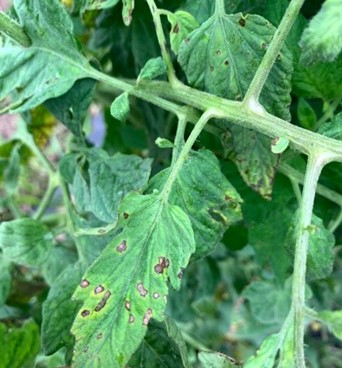
From Clemson Plant Pathologist Tony Keinath and Extension Agent Zack Snipes. Now that tomatoes are in the ground in coastal South Carolina, it’s time to think about a tomato spray program for a disease that shows up every year: bacterial spot. Current recommendations are based on a tank mix of copper + mancozeb. The comments…
-
Weekly Field Update – 4/3/23

Coming up this week, we have a couple of Pesticide Collection Events hosted by the SCDA. This is a great opportunity to get rid of any old unwanted pesticides you have laying around the shed. There is also a webinar on Composting coming up on Wednesday. Check out other upcoming meetings on the Upcoming Events…
-
Pest and Disease Control Recommendations For Non-bearing Peach Orchards After Bloom
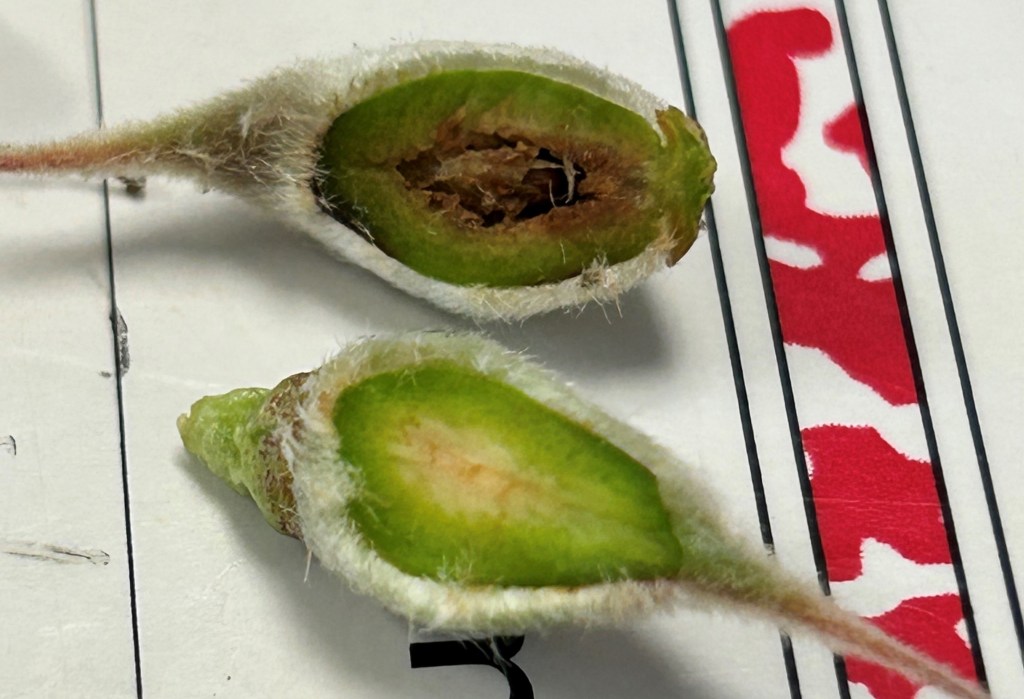
From Guido Schnabel, Brett Blaauw, and Phil Brannen Late frost has hurt many peach varieties in South Carolina and Georgia this year. The varieties that escaped the frost (the late bloomers with high chill requirements) still may have fruit and will probably go on a regular spray program, even if chill requirements were not met…

