Tag: Disease
-
2023 Fusarium Wilt on Seedless Watermelon Experiment – Week 3 Observations
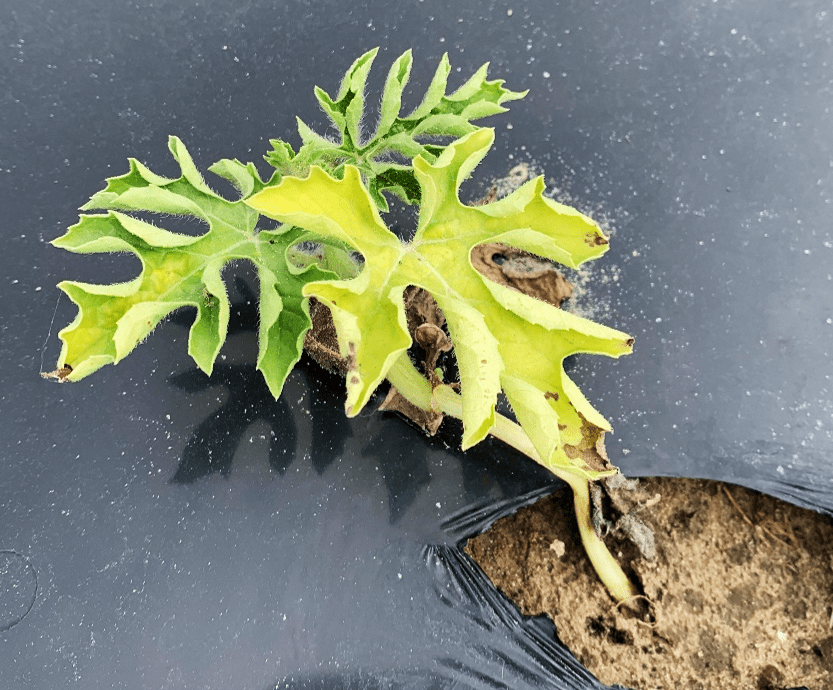
From Clemson Plant Pathologist Tony Keinath This year’s Fusarium wilt experiment includes three seedless cultivars, three fungicide treatments applied via drip irrigation, and grafting. This experiment is supported in part by a USDA SCRI grant. There also is a side experiment with SP-7 pollenizers grafted onto ‘Carolina Strongback’ rootstock and non-grafted SP-7 supported in part…
-
Weekly Field Update – 4/24/23

Check out upcoming meetings on the Upcoming Events tab, and don’t forget to look at our Resources tab for links to crop handbooks, helpful websites, and related blogs. Also, check out the latest episode of the SC Grower Exchange Podcast. Be sure to scroll all the way to the bottom to see this week’s Question…
-
Question of the Week – Phytophthora Crown Rot
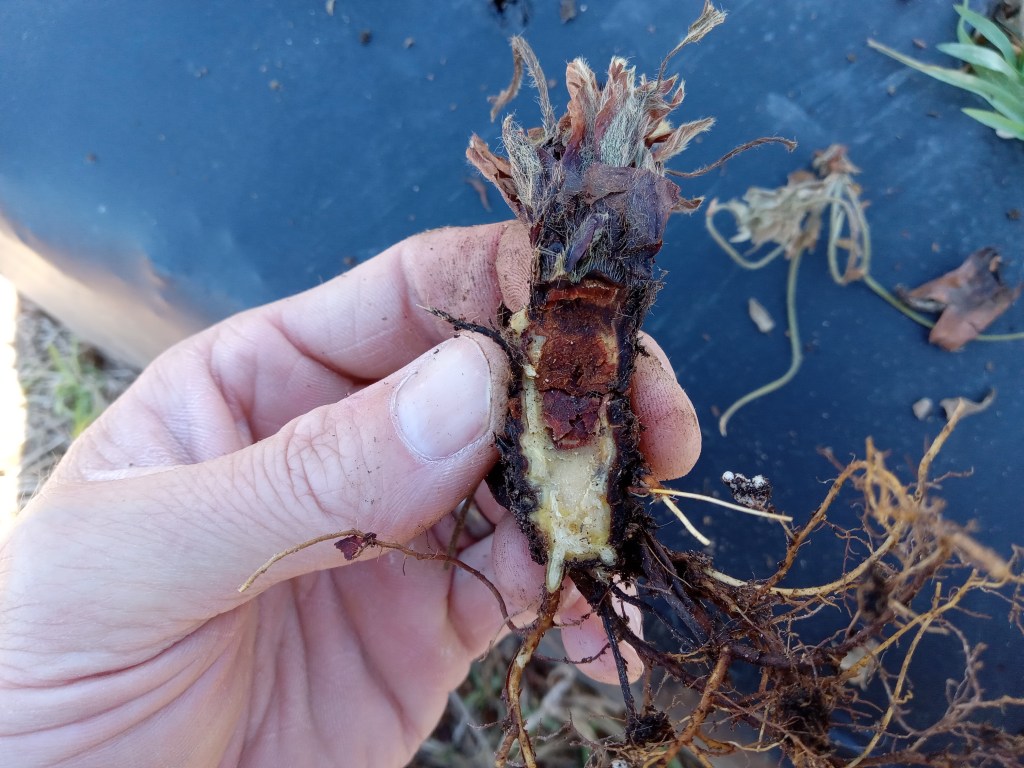
This week, the question was: What caused the dark brown discoloration in this strawberry crown? This discoloration is a common symptom of Phytophthora crown rot. Wet conditions favor this disease; therefore, we tend to see it develop after periods of increased rainfall, especially in low areas in the field. The first symptom we notice is…
-
Weekly Field Update – 4/17/23
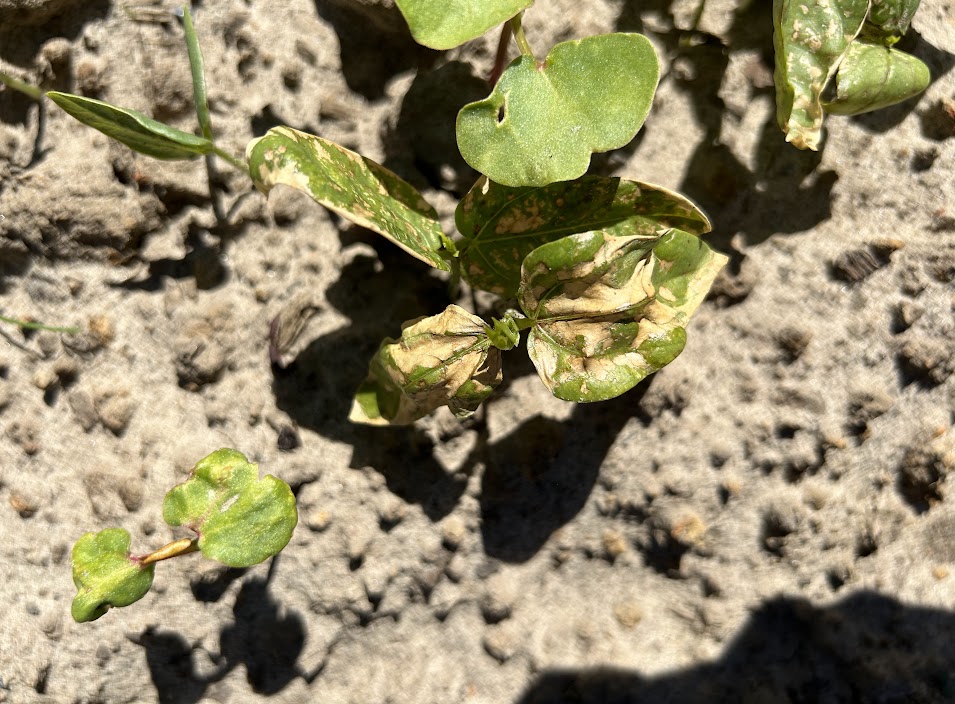
Check out upcoming meetings on the Upcoming Events tab, and don’t forget to look at our Resources tab for links to crop handbooks, helpful websites, and related blogs. Also, check out the latest episode of the SC Grower Exchange Podcast. Be sure to scroll all the way to the bottom to see this week’s Question…
-
Weekly Field Update – 4/10/23

Coming up this week, we have a couple more Pesticide Collection Events hosted by the SCDA. This is a great opportunity to get rid of any old unwanted pesticides you have lying around the shed. Check out other upcoming meetings on the Upcoming Events tab. Don’t forget to look at our Resources tab for links…
-
Bacterial Spot on Tomato: Are the Cures as Bad as the Disease?
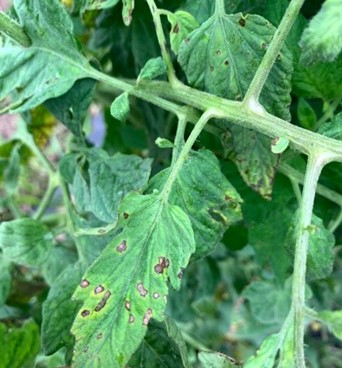
From Clemson Plant Pathologist Tony Keinath and Extension Agent Zack Snipes. Now that tomatoes are in the ground in coastal South Carolina, it’s time to think about a tomato spray program for a disease that shows up every year: bacterial spot. Current recommendations are based on a tank mix of copper + mancozeb. The comments…
-
Weekly Field Update – 4/3/23

Coming up this week, we have a couple of Pesticide Collection Events hosted by the SCDA. This is a great opportunity to get rid of any old unwanted pesticides you have laying around the shed. There is also a webinar on Composting coming up on Wednesday. Check out other upcoming meetings on the Upcoming Events…
-
Weekly Field Update – 3/27/23

Coming up this week, we have a Climate-Smart Project Farmer Interest Meeting on Thursday (3/30) at the Edisto REC in Blackville. Check out other upcoming meetings on the Upcoming Events tab. Don’t forget to look at our Resources tab for links to crop handbooks, helpful websites, and related blogs. Also, check out the latest episode…
-
Weekly Field Update – 3/6/23

We have lots of fruit and vegetable meetings coming up over the next couple of months, so check out the Upcoming Events tab for the complete lineup. This week, we have the Midlands Spring Vegetable Meeting, Blueberry Management and Maintenance, the upstate Vegetable Meeting, and the Pea and Butterbean Production Meeting. Don’t miss them! Don’t…
-
Weekly Field Update – 2/27/23

We have lots of fruit and vegetable meetings coming up over the next couple of months, so check out the Upcoming Events tab for the complete lineup. This week, we have the Pee Dee Vegetable Growers Meeting in Florence on Thursday (2/28) and a Waste Pesticide Collection event in York on Saturday (3/4). Don’t miss…

