Author: Justin Ballew
-
Two-spot Cotton Leafhopper/Cotton Jassid Insecticide Recommendations For Okra and Eggplant in South Carolina

By Tom Bilbo, Extension Entomologist As reported recently in SC Grower Weekly Updates, we have found our first adults of the two-spot cotton leafhoppers (TSCL)(Amrasca biggutula) in vegetables in SC for 2026. The first (below right) was found on a sticky card in a zucchini field at Coastal REC in Charleston on 7/23/26. The second…
-
South Carolina Field Update (August 17, 2026): Triple-Digit Temps Expected as Strawberry Prep Begins

We’re in store for possibly the hottest week of the summer. Take precautions to protect yourself and workers from heat stress. Fall crops are off to a good start, and preparations for strawberries are beginning. Key Takeaways for Growers This Week Two-spotted cotton leafhopper found – no additional sightings last week Triple-digit temps expected –…
-
July Grower Spotlight – Chattooga Belle

Where is Briana visiting this week? Chattooga Belle Farm is a 200-acre farm located in Long Creek. The farm has a variety of produce throughout the seasons, including apples and peaches, muscadines, scuppernongs, table grapes, and blueberries. They also have a variety of exotic fruits, such as persimmons, pawpaws, mayhaws, arctic kiwis, and figs. You…
-
South Carolina Field Update (August 10, 2026): Two-Spotted Cotton Leafhopper Found
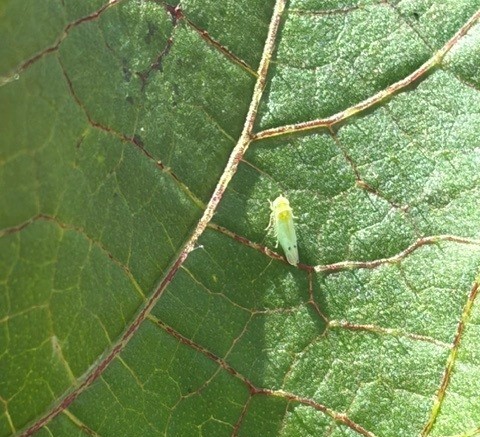
Thunderstorms brought rain to parts of the state last week, while others had a chance to dry out. Disease pressure has increased due to recent moisture. The two-spotted cotton leafhopper was found in Charleston last week. Keep an eye out for this pest and report any sightings to your local Extension Agent. South Carolina farmers…
-
Question of the Week – Bee Fly

What kind of bee is this? Though this looks like a bee, it is actually a fly, a bee fly (family Bombyliidae). But you’ll have to let it land in order to see the difference. If you look closely, you’ll see it has only one pair of wings, whereas bees have two pairs. Their similar…
-
South Carolina Field Update (August 3, 2026): Heavy Rain Falls as Planting Continues

Some areas received several inches of rain over the weekend, while others barely saw any. As planting for fall crops continues, insect pressure remains high. The rain is likely to increase disease pressure in the coming days. South Carolina farmers can receive a $100.00 stipend for completing a short survey on the 2026 Farmers Market Price…
-
Not Every Fruit Rot on Pepper is Anthracnose
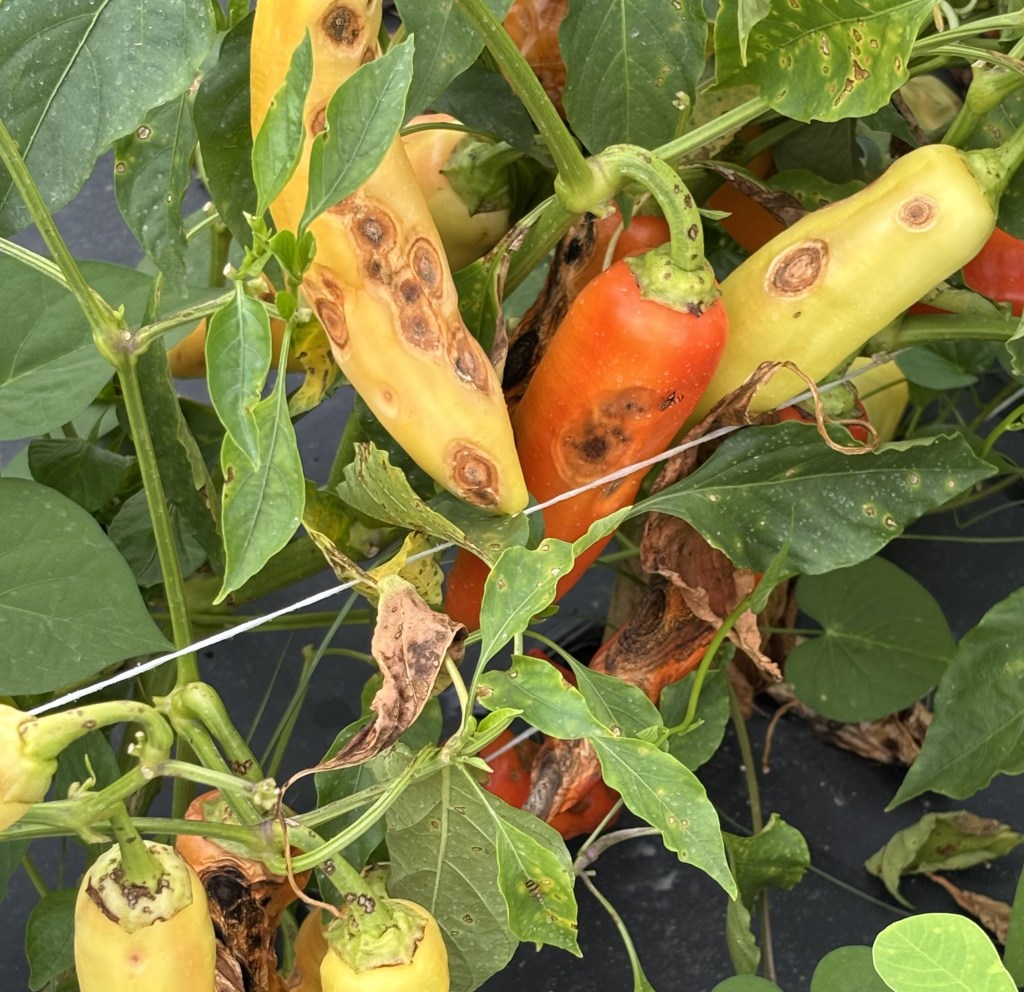
From Clemson Plant Pathologists Tony Keinath and Alam Rahman Take-home message: Before you run up a large spray bill, be sure that the problem you’re spraying for really is anthracnose. Three outbreaks of green fruit anthracnose on peppers have been confirmed in South Carolina in 2026 (so far). Outbreaks are on commercial conventional bell pepper…
-
Question of the Week – Choanephora
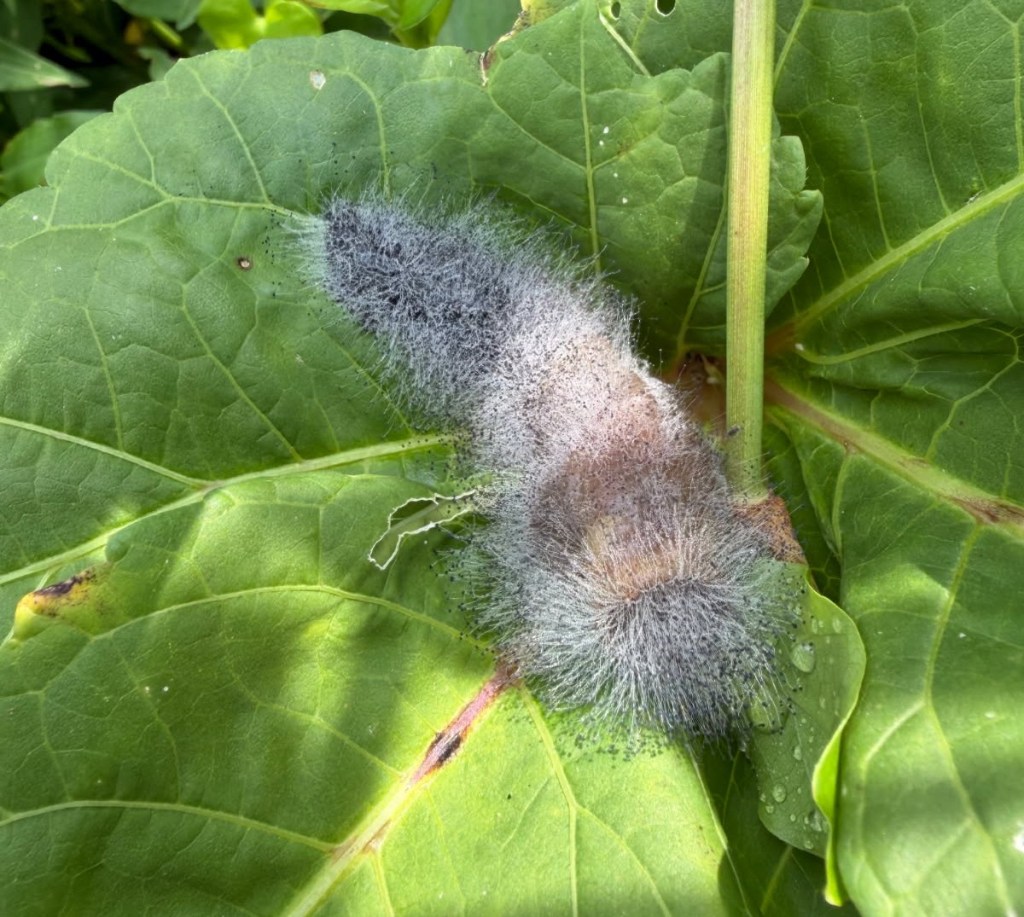
What kind of caterpillar is on this okra leaf? This caterpillar-looking thing is not a caterpillar at all. It is, in fact, a small okra pod that is infected with the fungus Choanephora cucurbitarum. This pathogen is also common in squash, cukes, and eggplant. This is a very common issue in okra, especially after rain. I was…
-
South Carolina Field Update (July 27, 2026): Fall Planting Has Begun
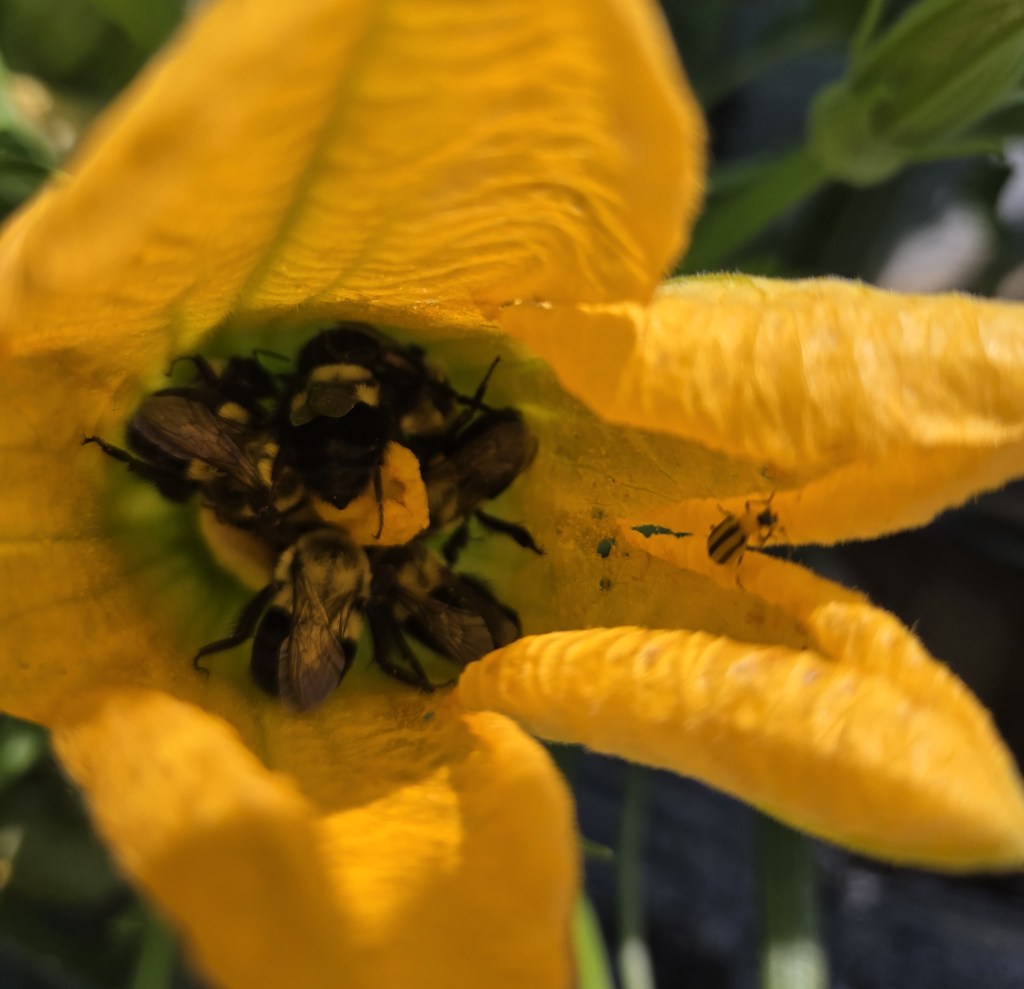
The rain forecast last week never really materialized, as most places received only a few light showers. This week looks to be another hot one. Growers have begun planting crops for fall harvest. Disease pressure remains high across the state. Key Takeaways for Growers This Week Fall planting has begun – including tomatoes, peppers, and…
-
Question of the Week – Wheel Bug
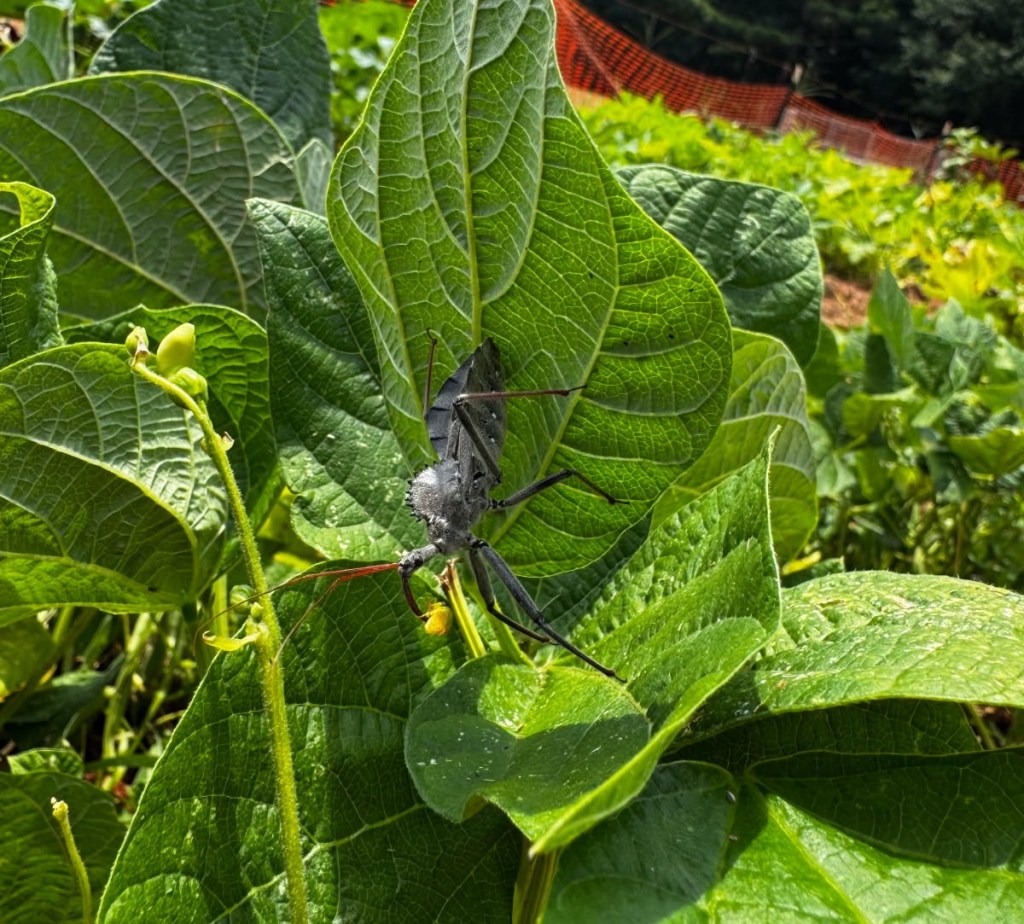
What is this mean-looking critter? The wheel bug (Arilus cristatus) is one of the most recognizable assassin bugs. It may be a mean-looking critter with a scary family name, but the wheel bug is beneficial. This unique insect is named after its gear-like “wheel” along its back. As one of the largest assassin bugs, it…

