Author: Justin Ballew
-
September Grower Spotlight – The Farm 1780
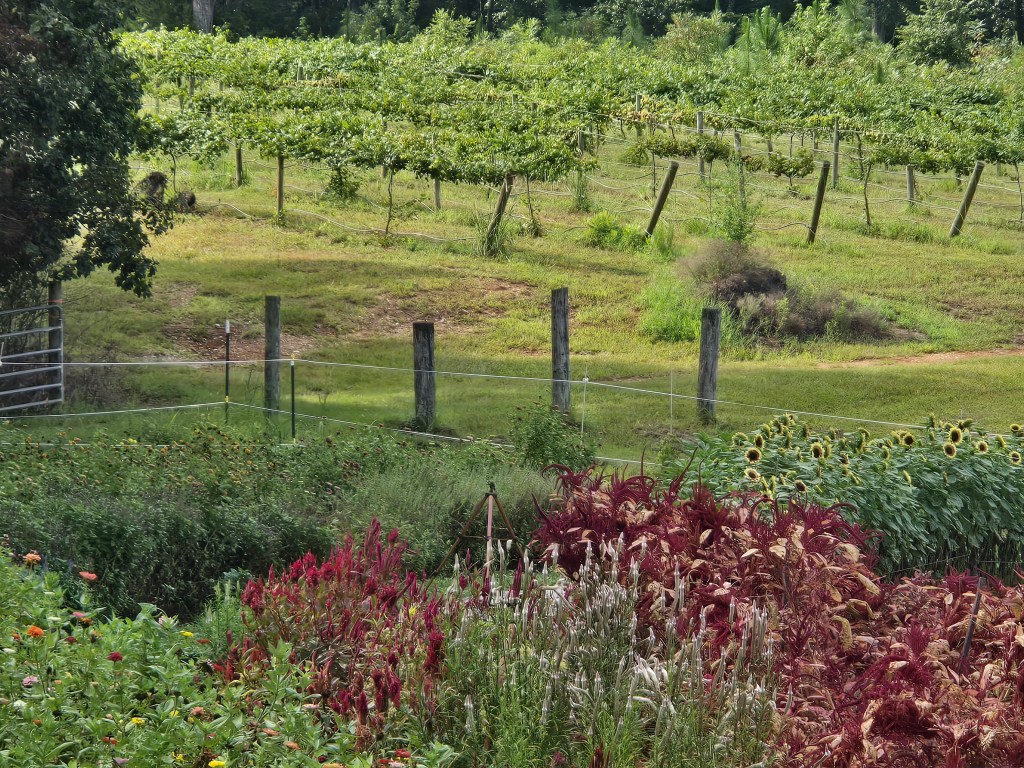
Where is Rob visiting this week? The Farm 1780 is an eighth-generation family farm dating back to the original King’s land grant of 1787. Originally, the grant covered 986 acres; today, the farm comprises 34 acres and is run by Brett and McKenzie Flashnick. The Farm is located off Corley Mill Road in Lexington. Brett…
-
South Carolina Field Update (September 8, 2026): Labor Day Brings Fall-like Weather
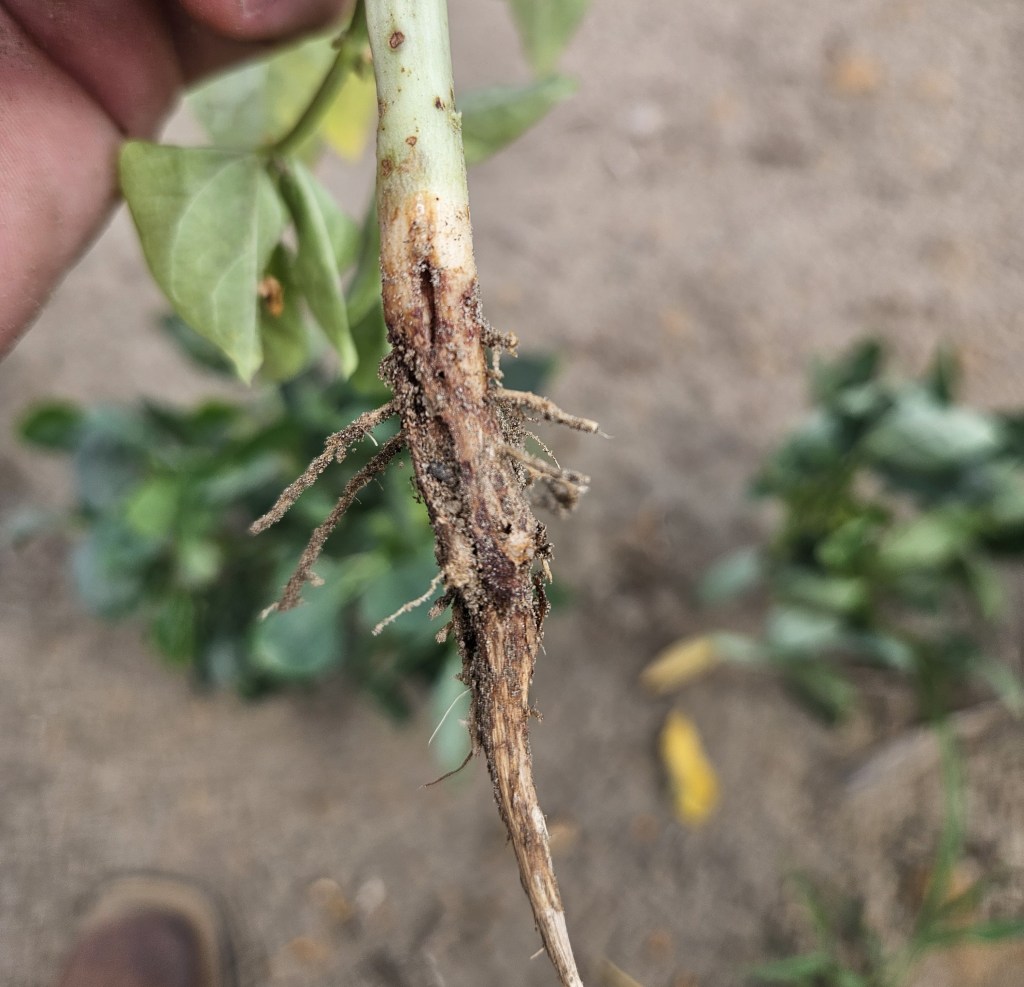
Labor Day arrived with some rain and much-anticipated cooler temperatures. Fall crops are establishing well, though we are seeing a few insect issues. Whiteflies are showing up in a number of crops. Muscadines are coming to harvest. See details below. Key Takeaways for Growers This Week Whiteflies are showing up – scout peppers and cucurbits…
-
Crop Rotation to Manage Cottony Leak on Pickling Cucumber
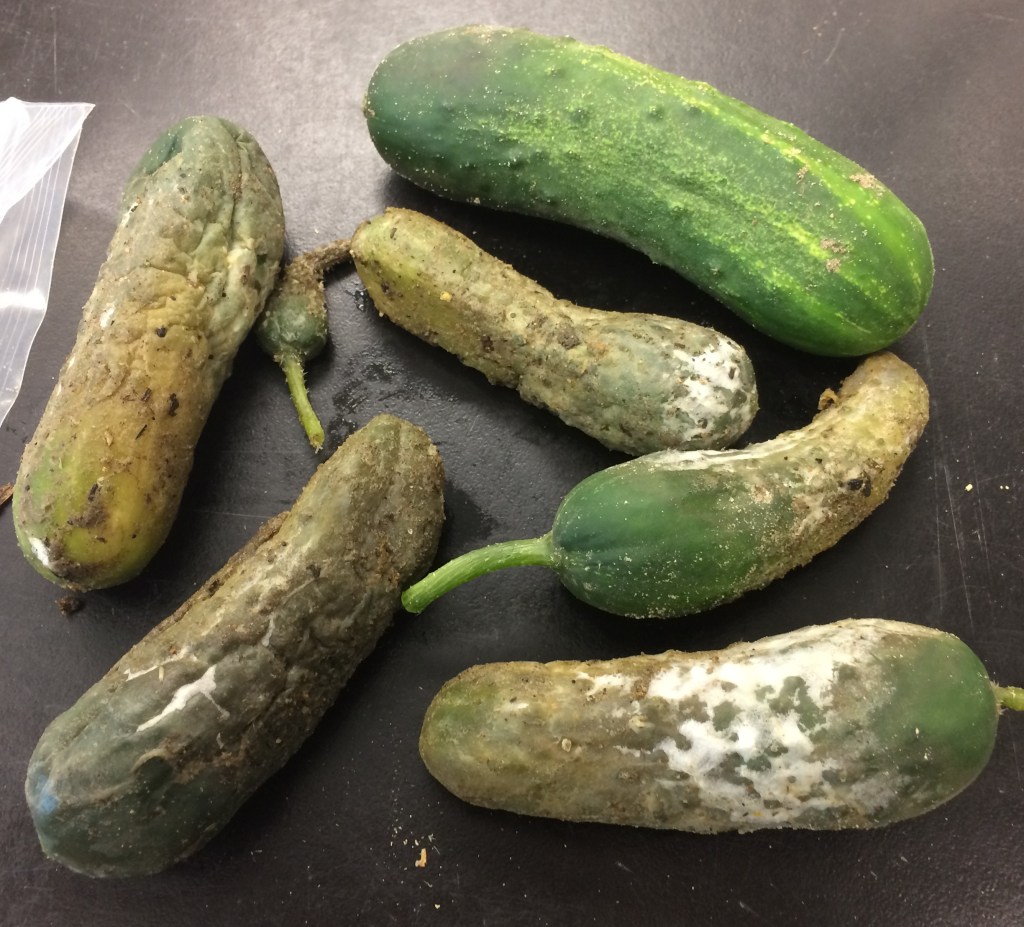
From Clemson Plant Pathologist Tony Keinath Key Takeaway for Growers: Grains or grasses cropped 1-2 years before pickling cucumber can help reduce cottony leak. The acreage of pickling cucumber fluctuates in South Carolina. Growers who are growing or considering growing this cucurbit should be aware of three fruit rots that are difficult to control with…
-
Question of the Week – Pecan Grafting
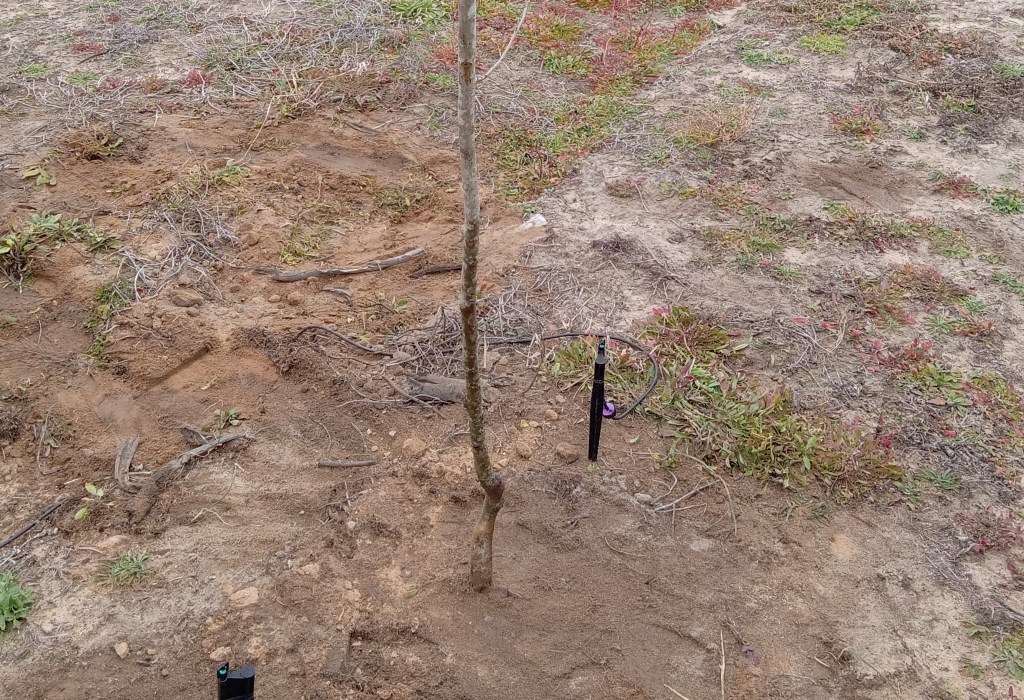
Virtually all commercial pecan trees are grafted. The graft union on this young tree is about 6 inches above the soil line. Where did the first successful pecan grafting occur? The first successful pecan grafting took place in Edgefield, South Carolina, in 1822 by a physician and businessman named Abner Landrum. Though he was not…
-
South Carolina Field Update (August 31, 2026): Strawberry Field Prep Underway
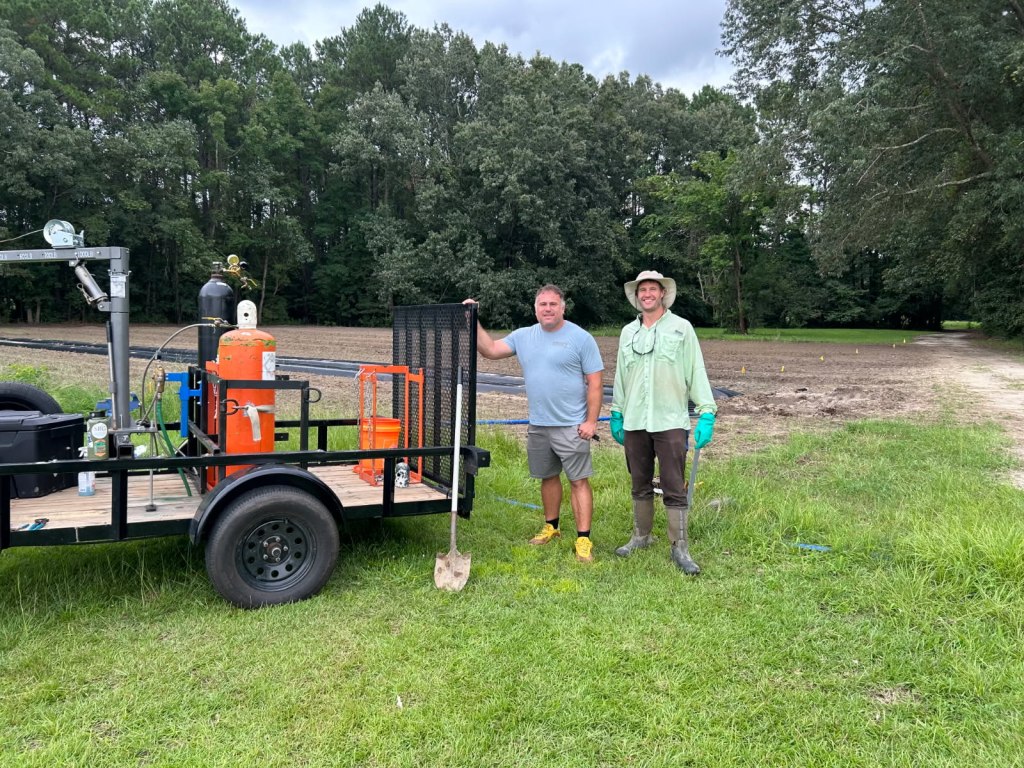
Last week was a little cooler, and most areas received a little rain. Strawberry fields are being prepped across the state, with planting to begin in October. Be mindful of disease as the recent rainfall will make the environment favorable for development. Key Takeaways for Growers This Week Strawberry fields being prepped – including bedding…
-
Conventional Fungicides to Manage Phomopsis Leaf Blight on Fall Eggplant
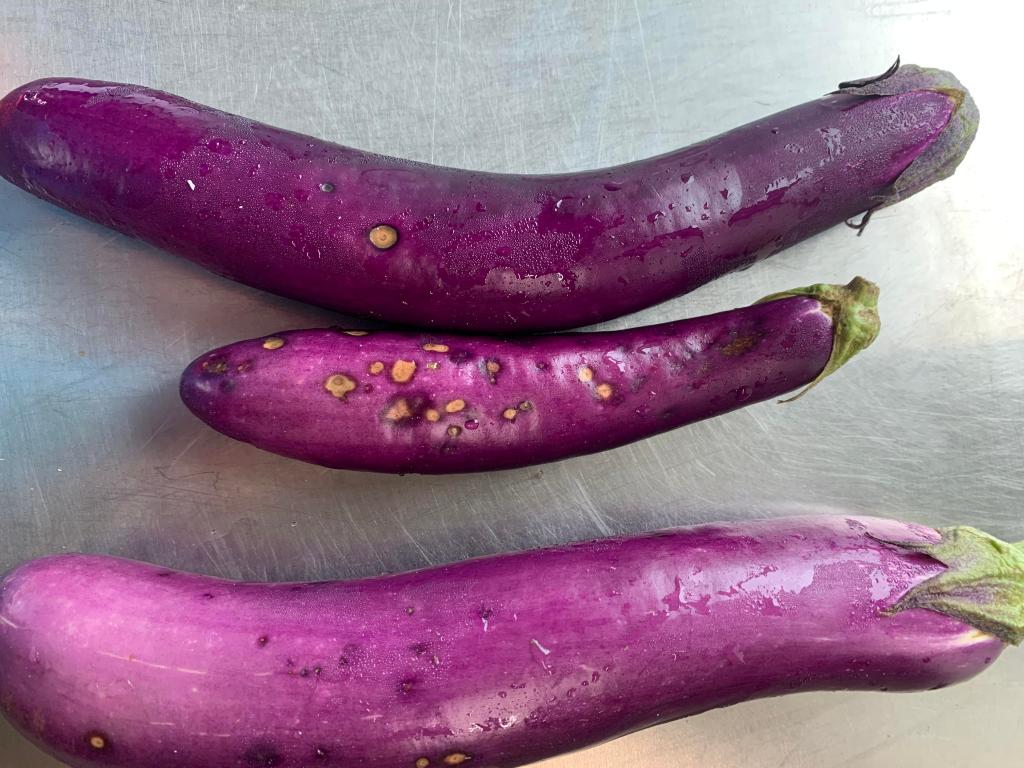
From Clemson Plant Pathologist Tony Keinath Phomopsis blight can be a serious disease on fall eggplant crops. Symptoms include leaf spots, branch cankers, and fruit rot. The fungus is most active at high temperatures and in wet weather. Raindrops splash spores from diseased plant parts to neighboring healthy plants. Leaf spots lead to chlorosis and…
-
Question of the Week – Luffa Gourd
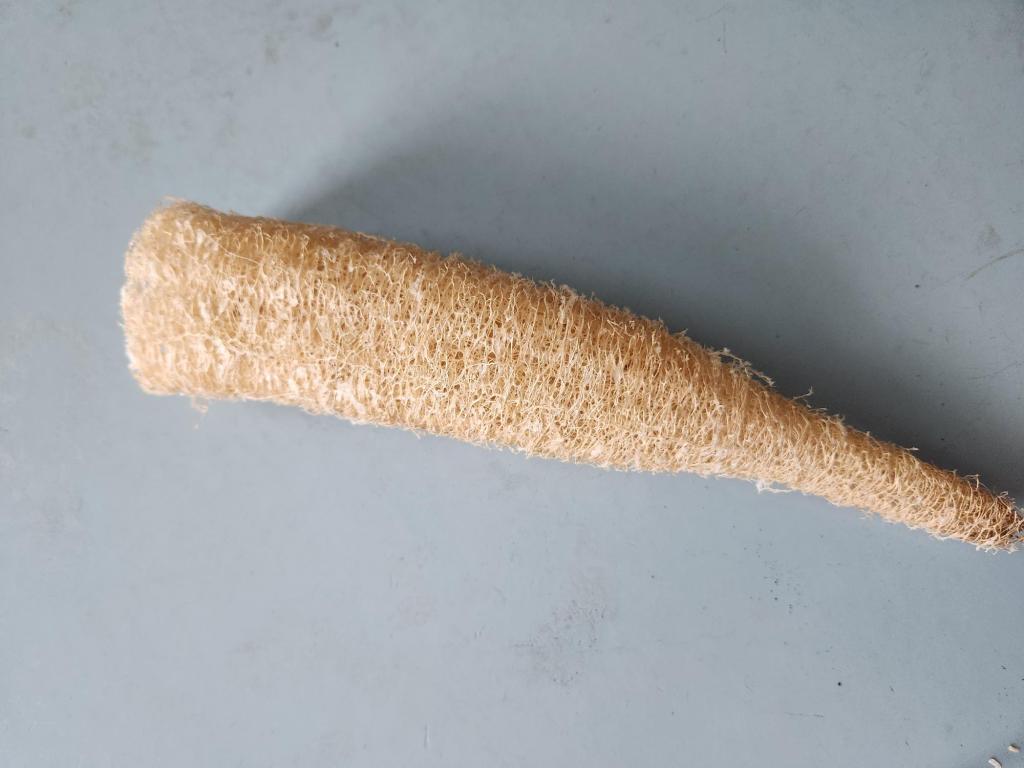
This came from a crop grown in South Carolina. What is it? This is a dried and peeled luffa gourd. This ornamental (and edible) squash grows from a sturdy vine and can produce fruit up to 2 feet long. While most commonly known for its dried use as a sponge or dishcloth, the young fruit…
-
South Carolina Field Update (August 24, 2026): Two-spotted Cotton Leafhopper Spreads as Temps Cool
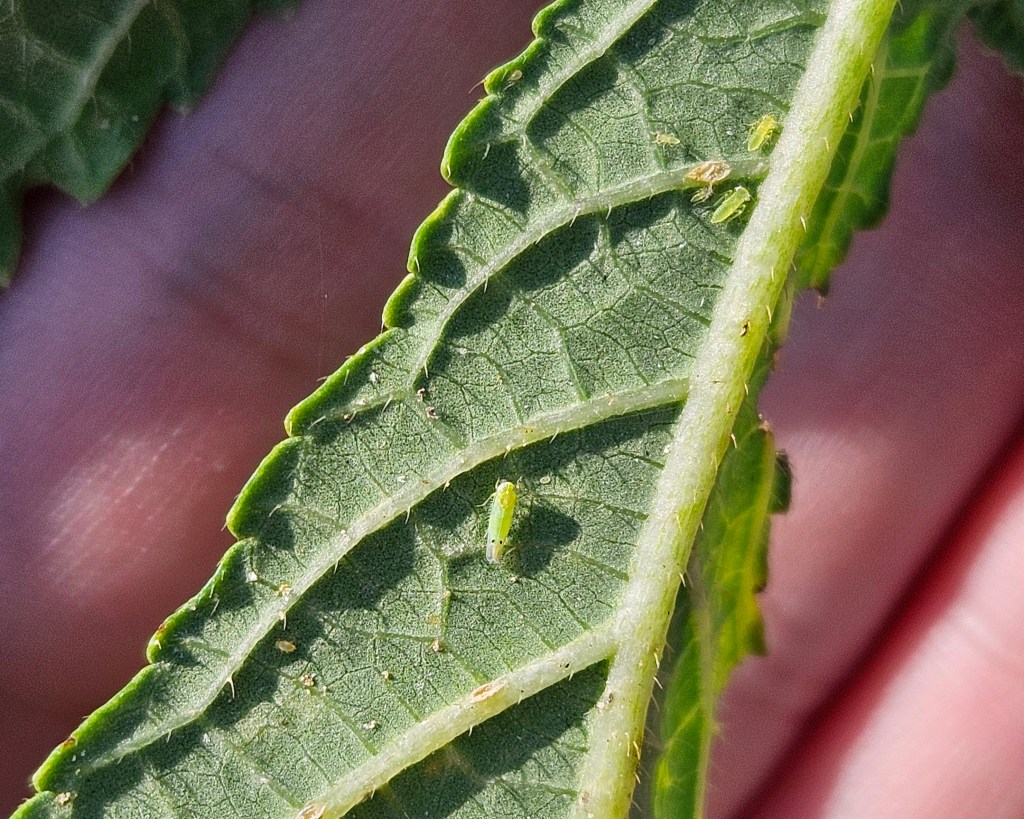
The two-spotted cotton leafhopper was found in two more counties last week. The weather has cooled down a bit, and the forecast shows a good chance of rain. Be proactive with disease management this week as moisture will be conducive to disease development, including powdery mildew and anthracnose. Key Takeaways for Growers This Week Two-spotted…
-
2026 Powdery Mildew Fungicide Bioassay Results
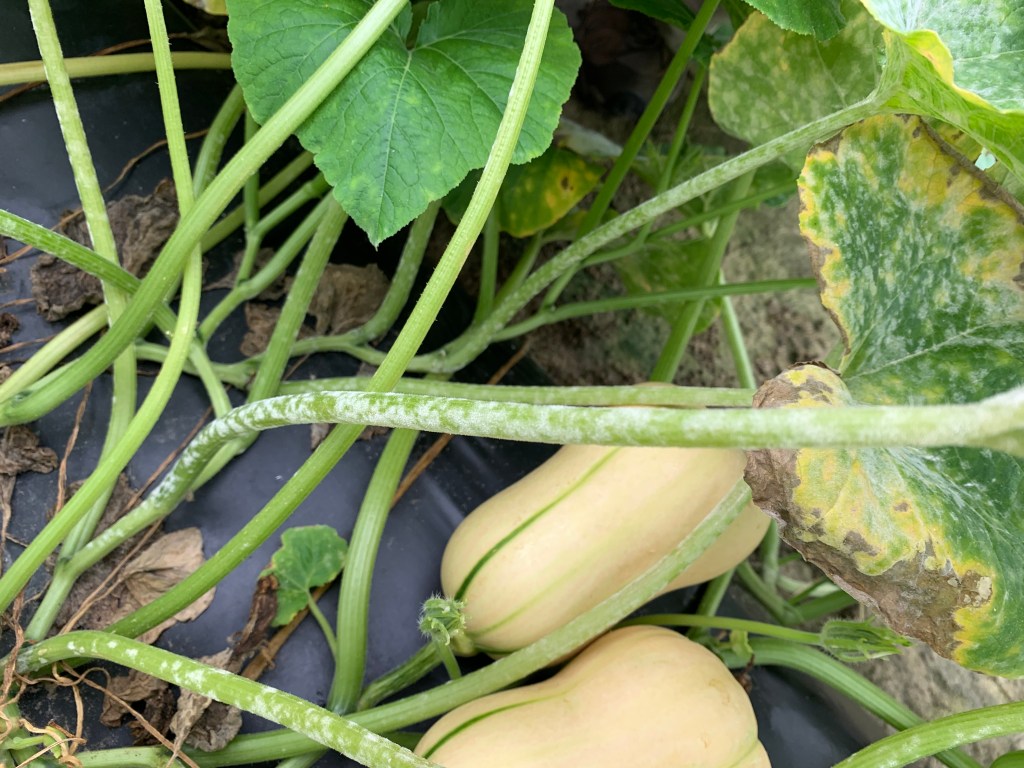
Anthony Keinath, Extension Pathologist In June 2026, Interns Will Dalton and Adam Padgett conducted two bioassay experiments to test several fungicides recommended against powdery mildew. In the first test, Early Prolific summer squash was treated with Torino, Gatten, Vivando, Quintec, and Procure at the low-label rate on the top of leaves. Possible fungicide resistance prompted…
-
Question of the Week – Spider Wasp
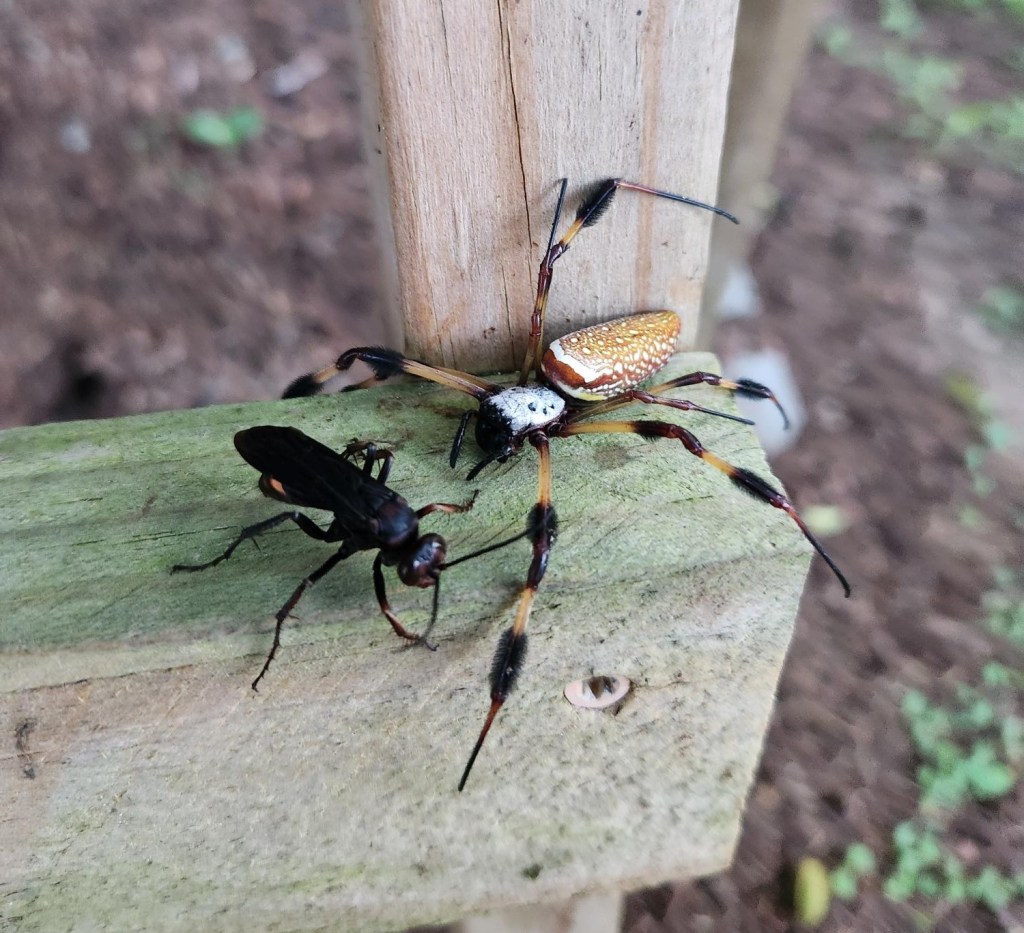
In this battle, who is the aggressor and who is the victim? In this battle, the wasp is the aggressor and the spider is the victim. The predatory spider wasp, in the family Pompilidae, stings and paralyzes this golden silk orb-weaver spider (Trichonephila clavipes) to provide a food source for its larva. Once the wasp…

