Author: Justin Ballew
-
October Grower Spotlight – Inspired Greenhouses
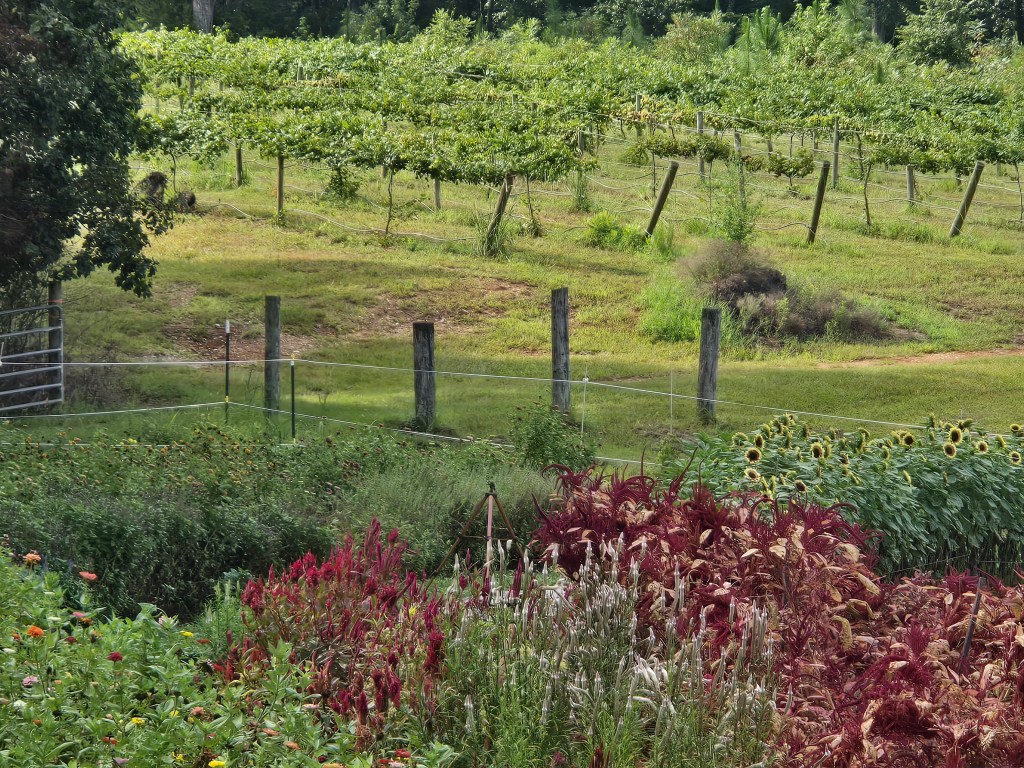
Which Upstate farm is Samantha visiting this week? Inspired Greenhouses Hydroponic Farm is rooted in purpose. The hydroponic farm, based in Anderson County, South Carolina, offers meaningful employment opportunities for adults with intellectual disabilities while producing high-quality, fresh produce. During National Disability Employment Awareness Month, the farm’s mission serves as a reminder that growing local…
-
South Carolina Field Update (October 12, 2026): Hurricane Isaias Brings Rain As Strawberry Planting Begins
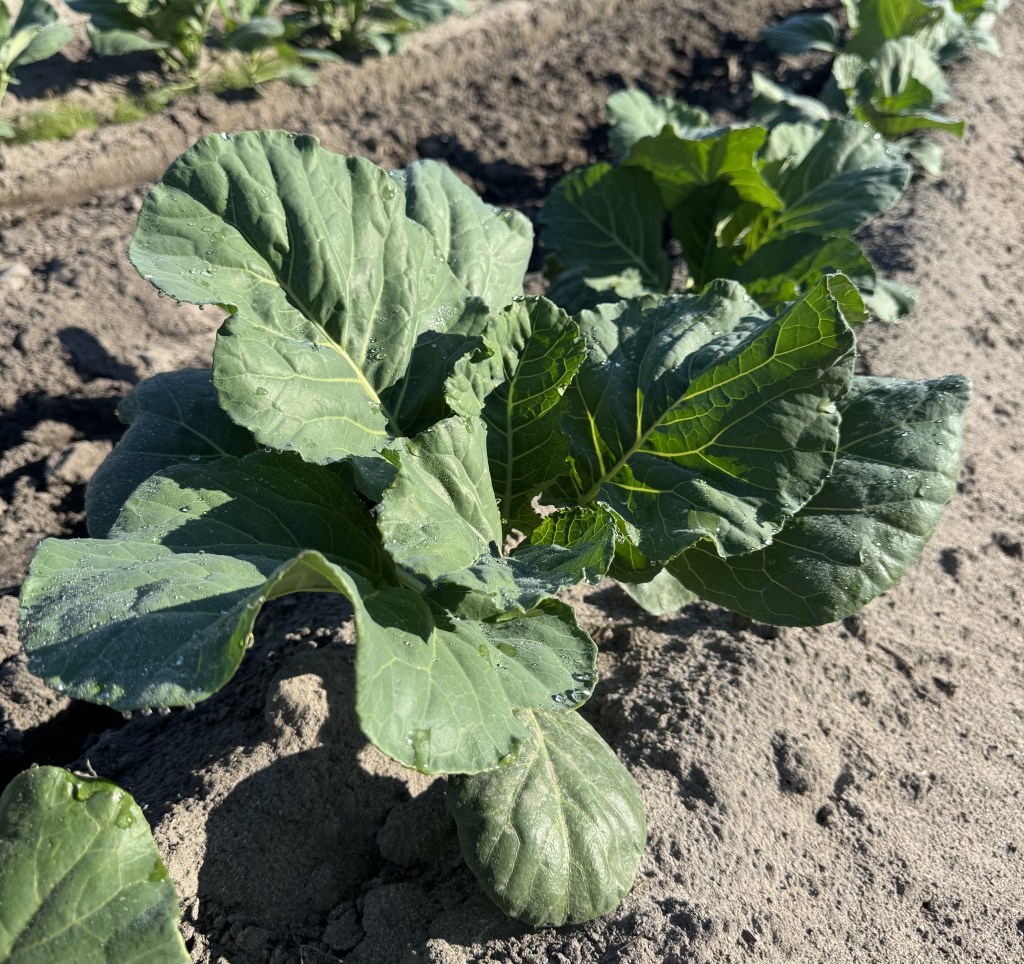
Hurricane Isaias brought some steady rain over the weekend. As a result, keep an eye on disease pressure in fall crops. Strawberry planting has begun in places. New training resources for strawberry planting crews were published recently, including English and Spanish-language planting videos. Key Takeaways for Growers This Week New strawberry planting training resources available…
-
Question of the Week – Lesser Cornstalk Borer
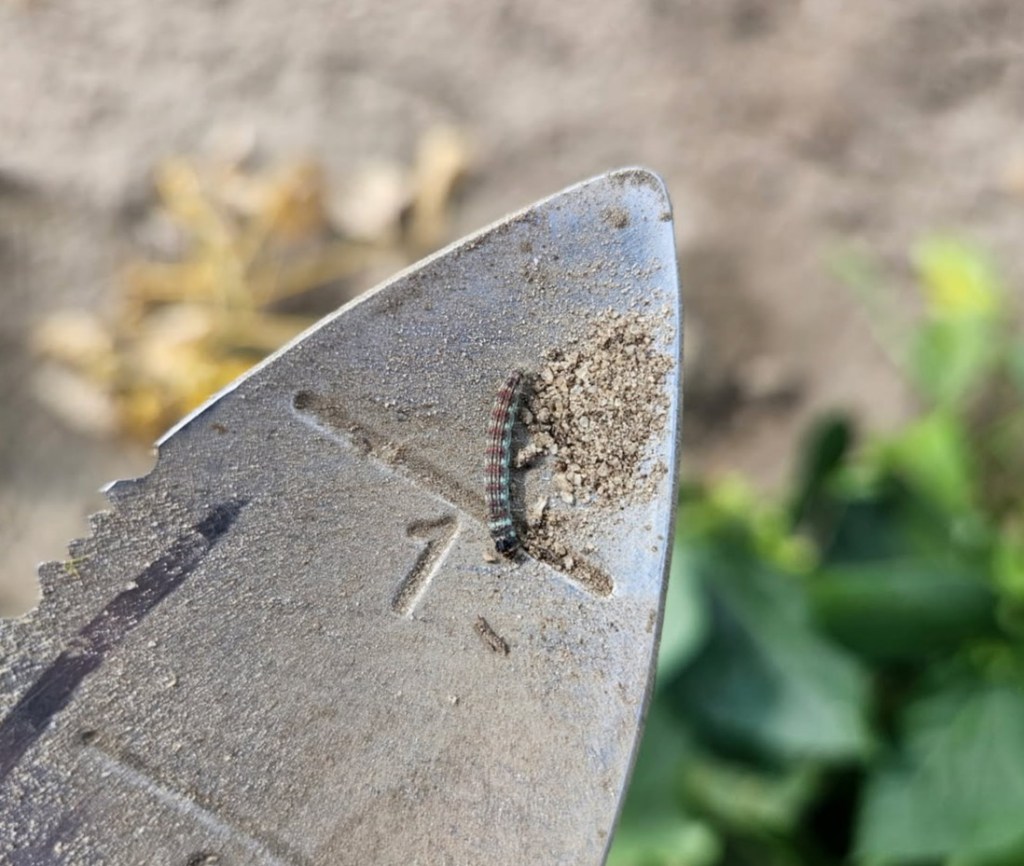
What is this critter that was found in a cowpea stem? This small caterpillar is a lesser cornstalk borer (Elasmopalpus lignosellus)(LCB). LCBs are not commonly found in cowpeas, although they are listed as a host. LCB typically prefers soybeans, peanuts, or corn. Usually, the first symptoms are wilting and plant collapse. Physical symptoms are not…
-
South Carolina Field Update (October 5, 2026): Fall Weather Brings Fall Harvests
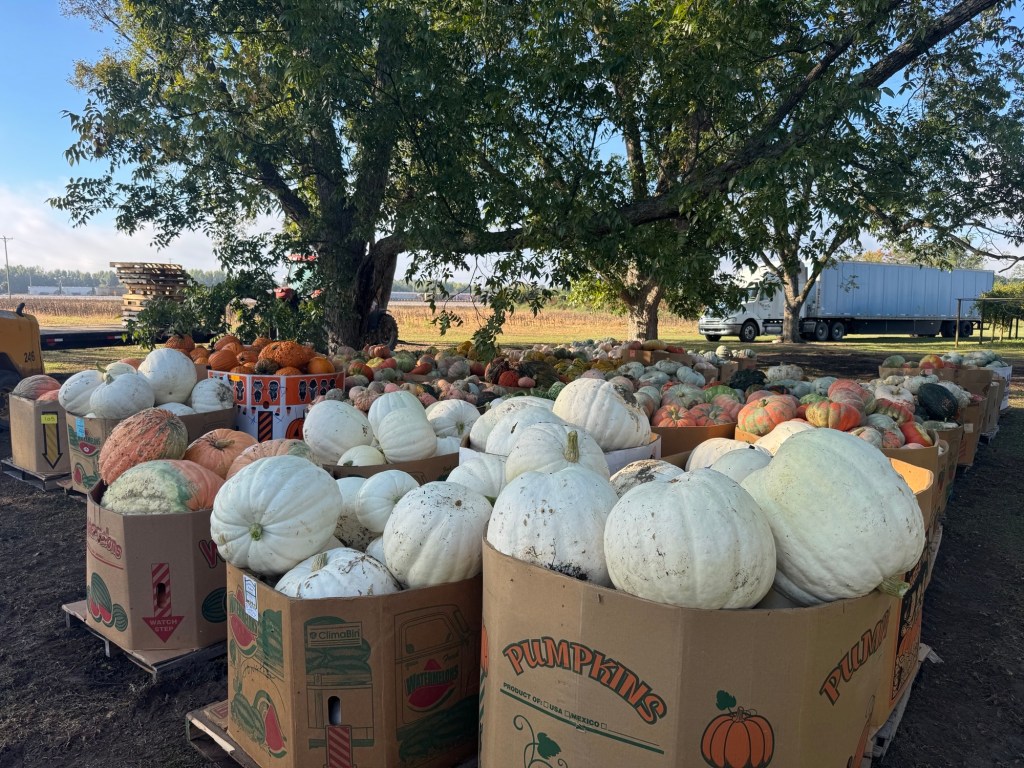
Though we didn’t receive as much rain as we expected over the weekend, the cooler weather has been a treat. Fall harvests of pumpkins, sweetpotatoes, squash, brassicas, and peppers are looking good. Diseases have been picking up in places on brassicas and cucurbits. New training resources for strawberry planting crews were published last week, including…
-
Question of the Week – Bacterial Leaf Blight
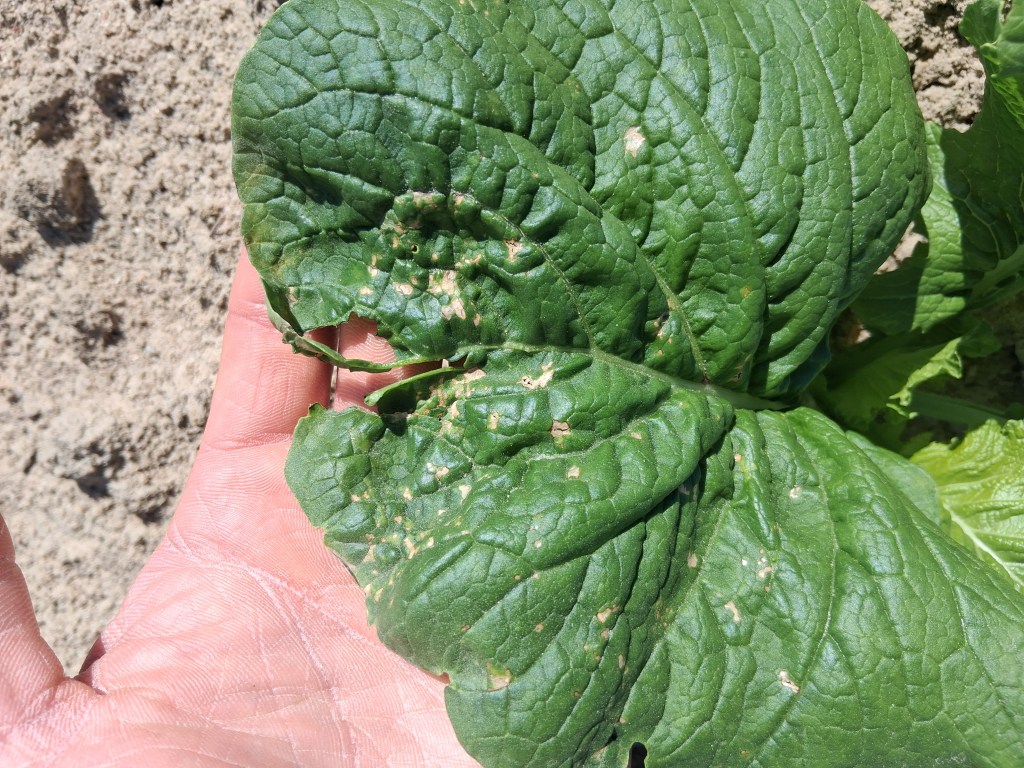
What caused the irregular necrotic spots on this mustard? These irregular spots are a symptom of bacterial leaf blight (Pseudomonas cannabina pv. alisalensis). This bacterial disease of brassicas is most serious on mustard and turnip. Bacterial leaf blight typically appears in the fall or spring and can spread to healthy plants through splashing rain. This…
-
South Carolina Field Update (September 28, 2026): Strawberry Prep Continues as Fall Temps Arrive
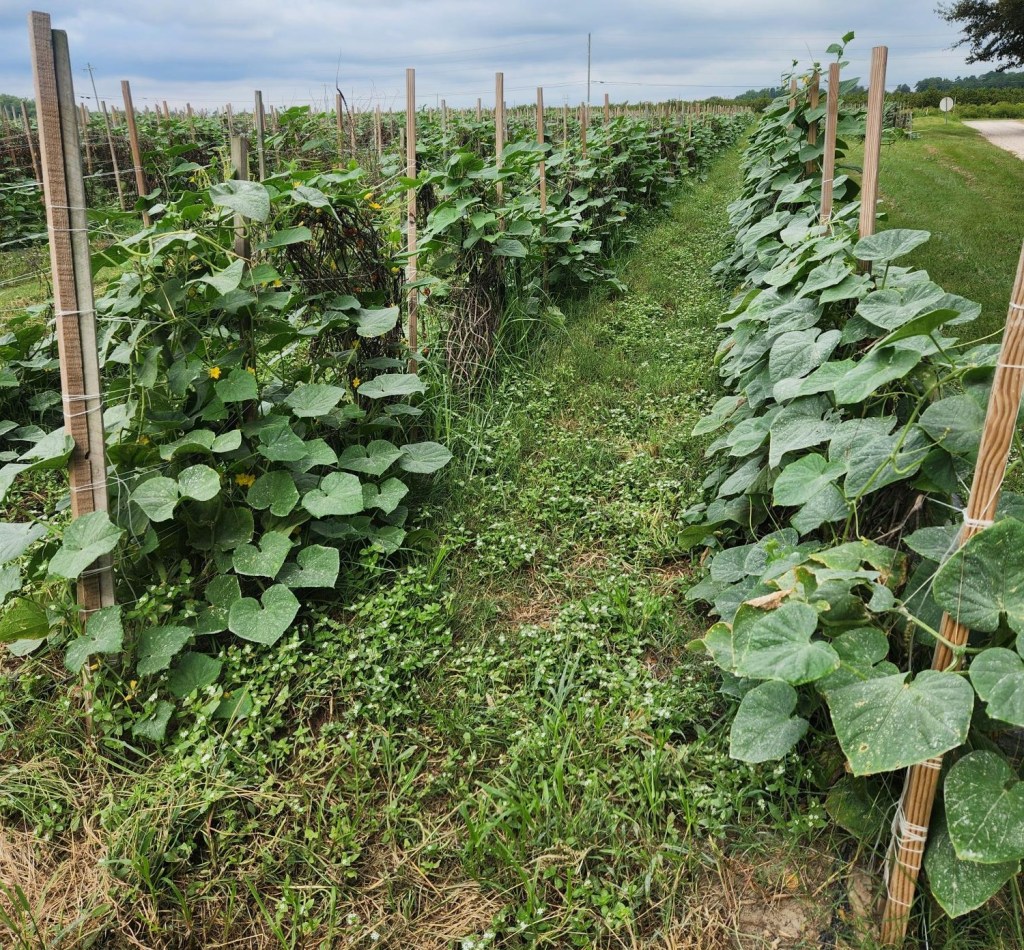
We had a beautiful week of weather and even some rain in places. Strawberry land prep continues, and some day-neutral varieties have already been planted. Disease pressure remains low overall, though some bacterial spot and powdery mildew issues are present in places. Key Takeaways for Growers This Week Strawberry field prep continues – some day-neutral…
-
Question of the Week – Synthetic Auxin Herbicide
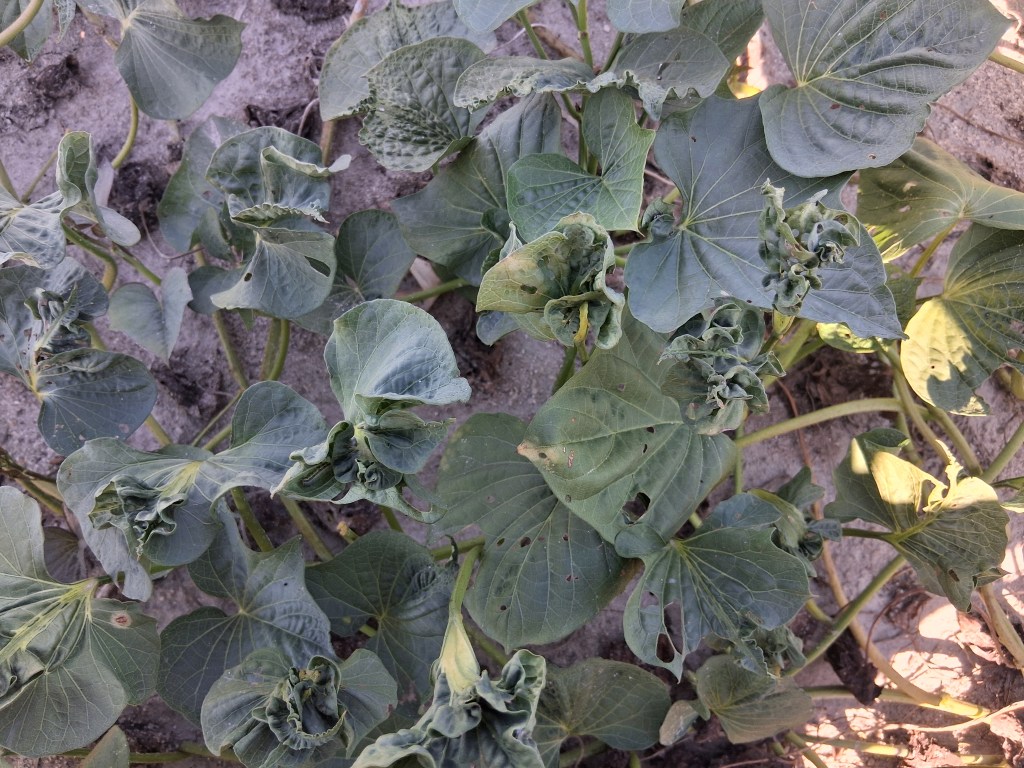
What caused this foliar deformation on sweetpotatoes? This deformation was caused by the drift or volatilization of a synthetic auxin herbicide (including 2,4-D, dicamba, clopyralid, aminopyralid, triclopyr, etc.), though the exact culprit was not known. The damage was pretty evenly distributed across the field, suggesting volatilization from a nearby field is the more likely cause.…
-
South Carolina Field Update (September 21, 2026): Muscadines begin to tail off as strawberry preparations accelerate.
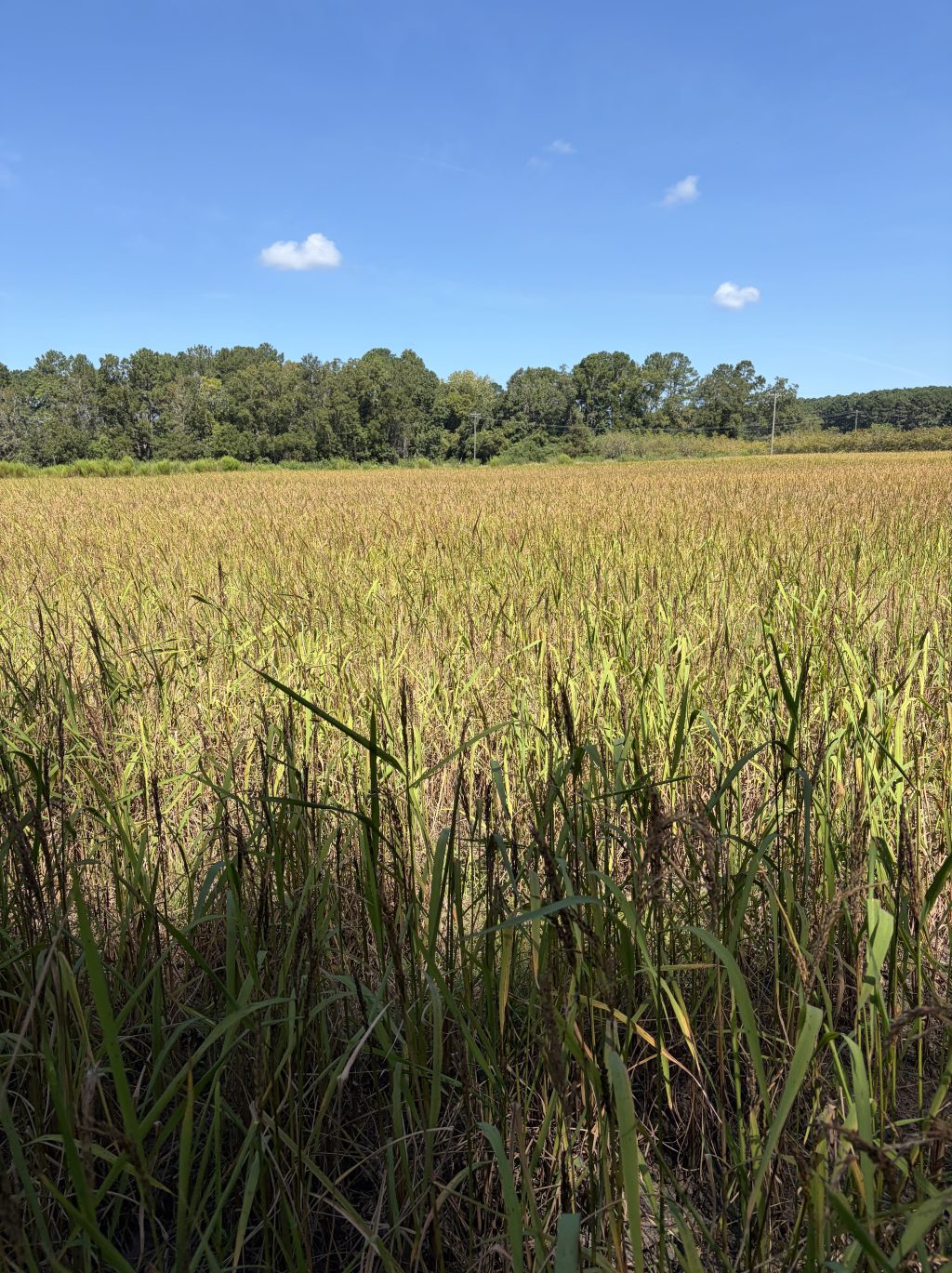
The current week has given a taste of fall, with cooler mornings. Muscadine harvesting is finishing for processing cultivars and continues for some fresh market cultivars. Fall crops are developing well with the emphasis being placed on preparing for strawberry planting. Key Takeaways for Growers This Week Muscadine harvests are coming to an end –…
-
Question of the Week – Hornworm Egg
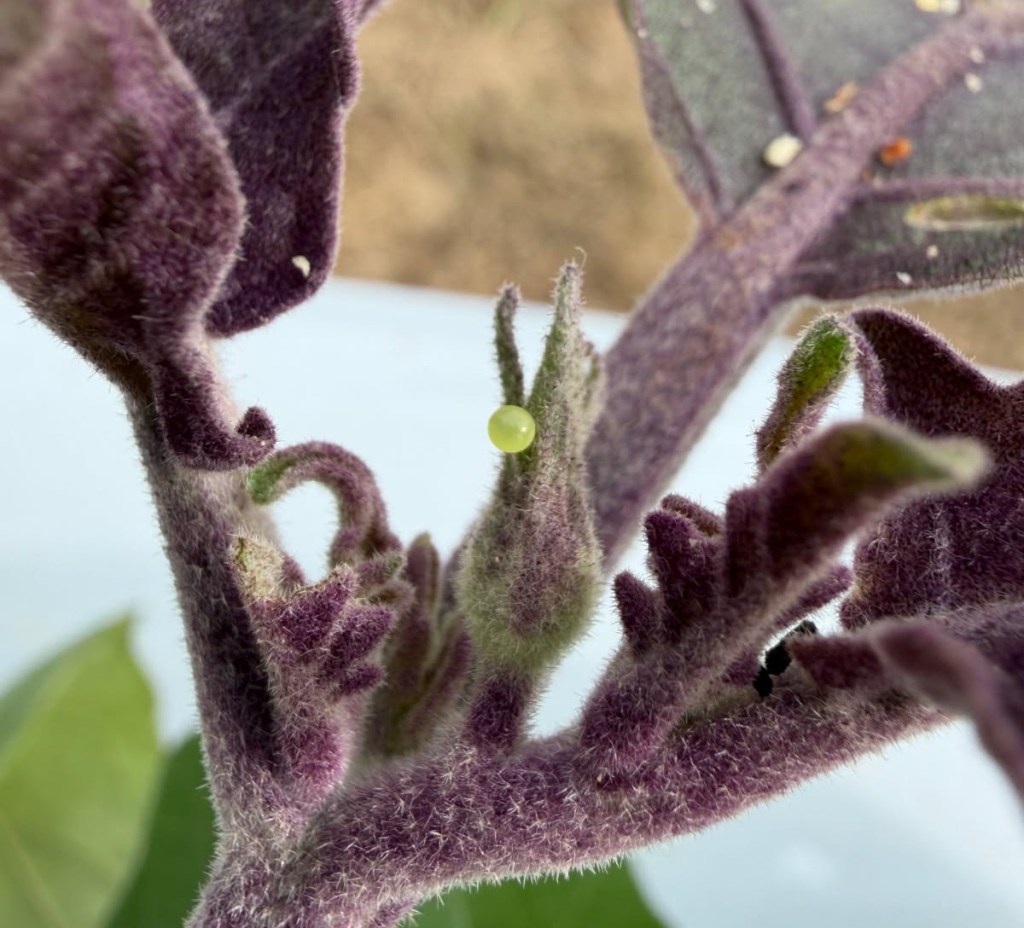
What is the green, shiny thing on this eggplant? This is the egg of a tobacco hornworm (Manduca sexta). If you’ve ever grown tomatoes or eggplant, you’ve probably seen these large, green worms with a long horn on their rear end. Hornworms are a common pest of crops in the Solanaceae family. Because of their…
-
South Carolina Field Update (September 14, 2026): Muscadine Harvest Picks Up As Apple Harvest Begins
Warm temperatures persist, and scattered rain came late in the week. Apple harvest has begun in the very northwest corner of the state. Muscadine harvest is picking up with good yields and quality being reported. Disease incidence is increasing in several crops, so scout and treat accordingly. Key Takeaways for Growers This Week Apple harvest…

