Author: Justin Ballew
-
Weekly Field Update – 8/8/22

Be sure to scroll all the way to the bottom to see this week’s Question of the Week and check back on Thursday for the answer! Coastal Region Zack Snipes reports, “It has been hot and dry for the most part in the Lowcountry. Things are relatively quiet. I have heard reports of and seen high…
-
Question of the Week – Mantidfly
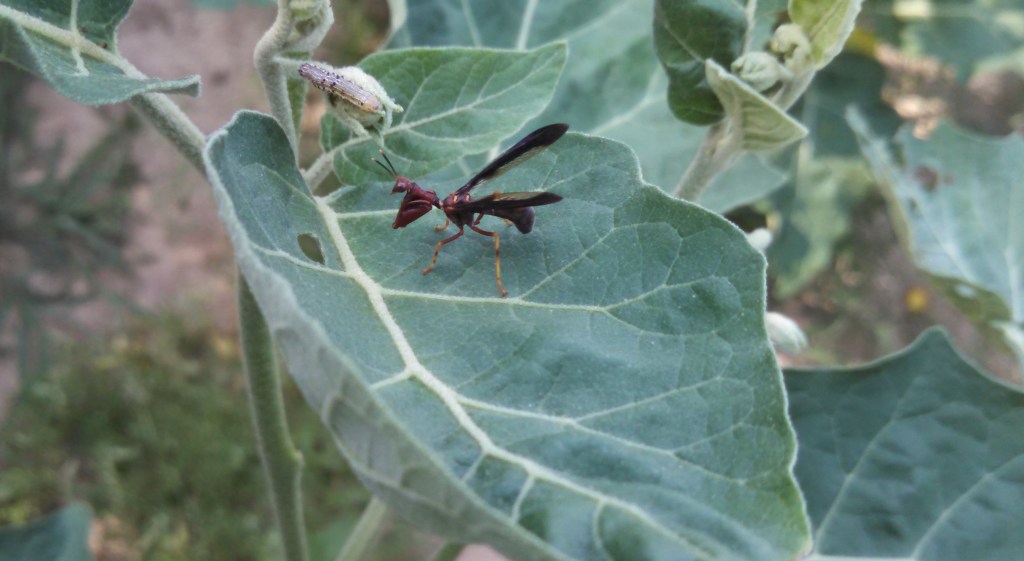
This week, the question was: What is the critter sitting on this eggplant leaf? This may look a lot like a paper wasp, but it is actually a mantidfly. If you look carefully, you’ll notice the front pair of legs is different from the two back pairs. The front legs look like those of a…
-
Anthracnose Identified on Lima Bean in the Pee Dee Region of South Carolina
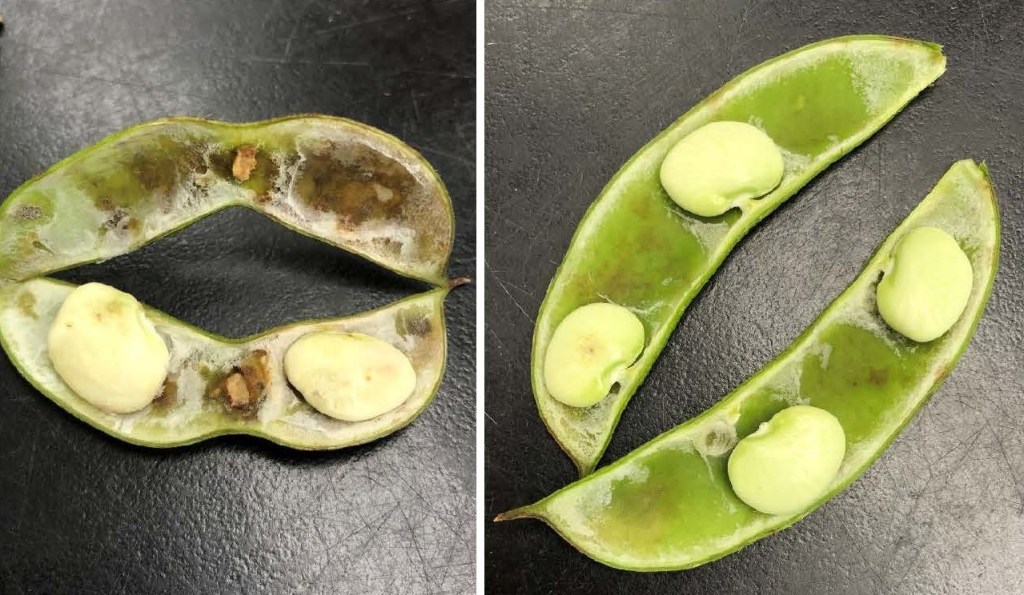
From Clemson Plant Pathologist Tony Keinath, Clemson Plant Breeder Jenna Hershberger, and Clemson Extension Agent Bruce McLean. Anthracnose on lima bean has been reported from the PeeDee area. Reddish brown blotches are found on leaves and pods. The disease appeared after a week of rain and, after another week of rain, quickly spread through the…
-
Weekly Field Update – 8/1/22

Be sure to scroll all the way to the bottom to see this week’s Question of the Week and check back on Thursday for the answer! Midlands Justin Ballew reports, “It has gotten dry again in the Midlands. Scattered areas received some good rain over the weekend, but others missed it and remain badly in…
-
Question of the Week – Black Swallowtail

This week, the question was: What will this caterpillar munching on dill grow up to be? This is the caterpillar of the Eastern black swallowtail butterfly (Papilio polyxenes). These caterpillars feed and develop on members of the carrot family, including dill, parsley, fennel, and celery. The black swallowtail is one of the more showy butterflies…
-
Choanephora Blight Found on Green Bean in Charleston
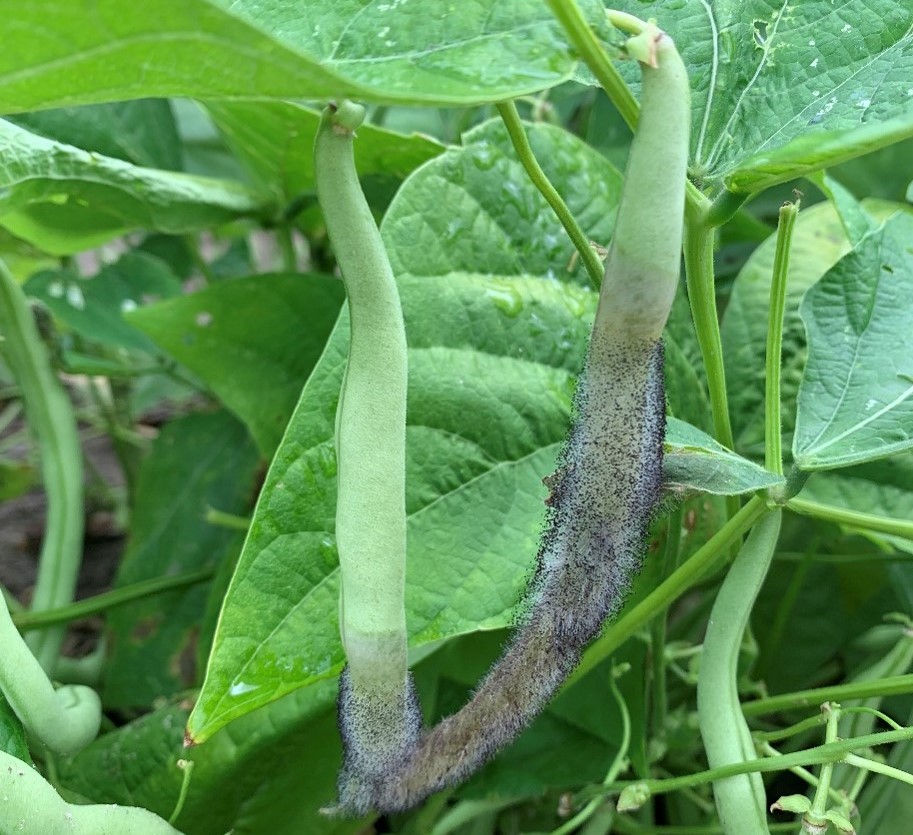
From Clemson Plant Pathologist Tony Keinath, Clemson Plant Breeder Sandra Branham, and Clemson Graduate Student Morgan Stone. Due to frequent rains, cloudy weather, and high humidity, Choanephora blight or wet rot was found throughout a one-acre planting of green bean cultivars and breeding lines at Coastal REC last week. Growers and home gardeners may see…
-
Weekly Field Update – 7/25/22

Check out Clemson Extension’s new weather data website! State weather station technician Christopher Thomas recently introduced the new site and has been working hard installing weather stations in all 46 counties of South Carolina over the last year. Eventually, the site will be able to give reports on historical weather data to help growers make…
-
Question of the Week – Blossom End Rot
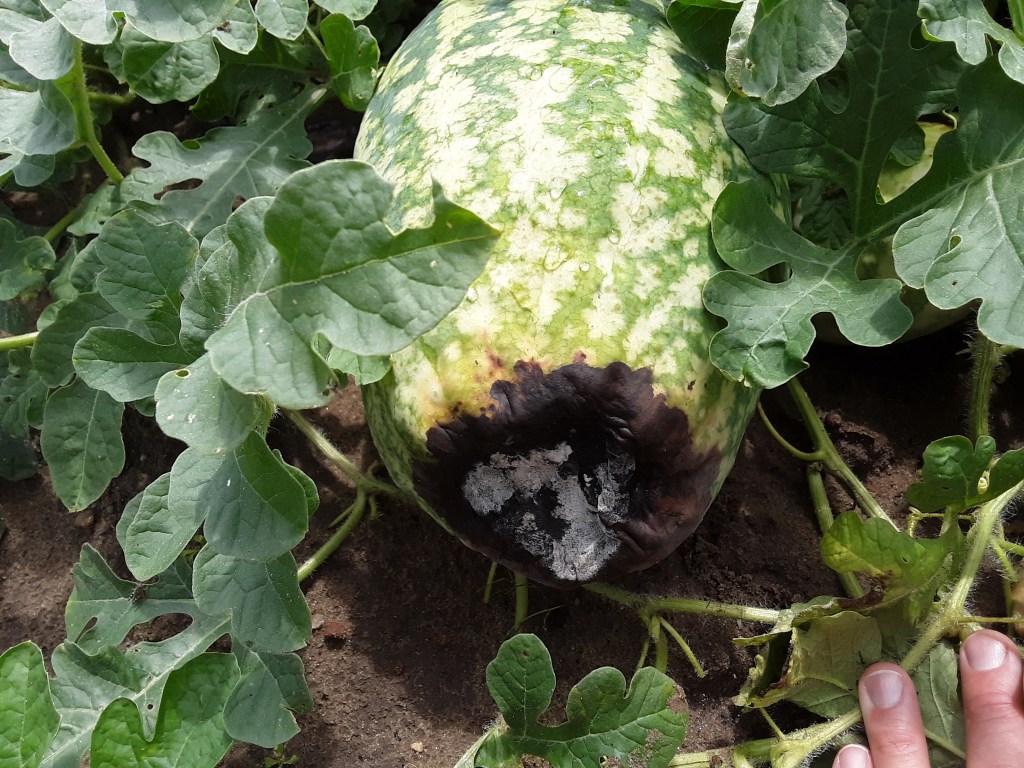
This week, the question was: What’s going on with this watermelon? This watermelon is suffering from blossom end rot. This physiological disorder is also common in tomatoes and peppers. Blossom end rot results from a localized calcium deficiency in the fruit; however, this may not necessarily indicate a calcium deficiency in the soil. Blossom end…
-
Weekly Field Update – 7/18/22

Check out Clemson Extension’s new weather data website! Last week, state weather station technician Christopher Thomas introduced the new site at the Watermelon Field Day at the Edisto REC. Christopher has been working hard installing weather stations in all 46 counties of South Carolina over the last year. Eventually, the site will be able to…
-
Question of the Week – Sulphur Butterfly Chrysalis
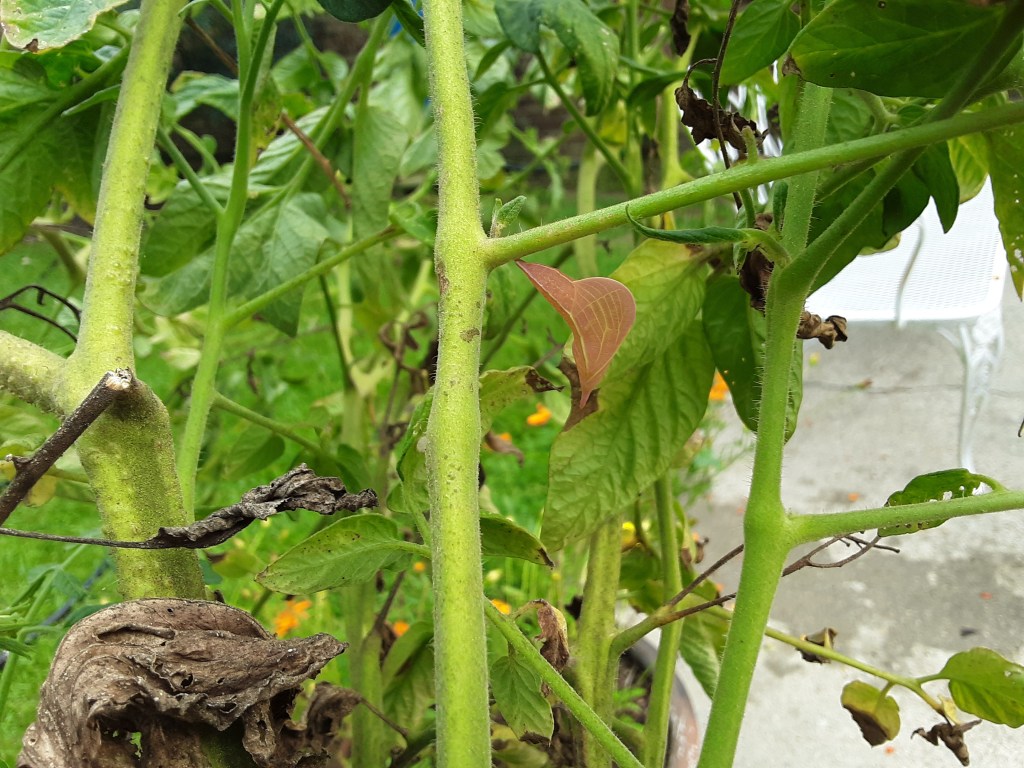
This week, the question was: What is the pinkish-colored thing attached to this tomato stem? This is the chrysalis of a sulphur butterfly, most likely the cloudless sulphur (Pheobis sennae). The cloudless sulphur is a common butterfly in South Carolina seen frequently foraging wildflowers. The caterpillars feed on legume plants, specifically within the Chamaecrista and Senna genera.…
 The South Carolina Grower