Category: Disease
-
Weekly Field Update – 8/26/24
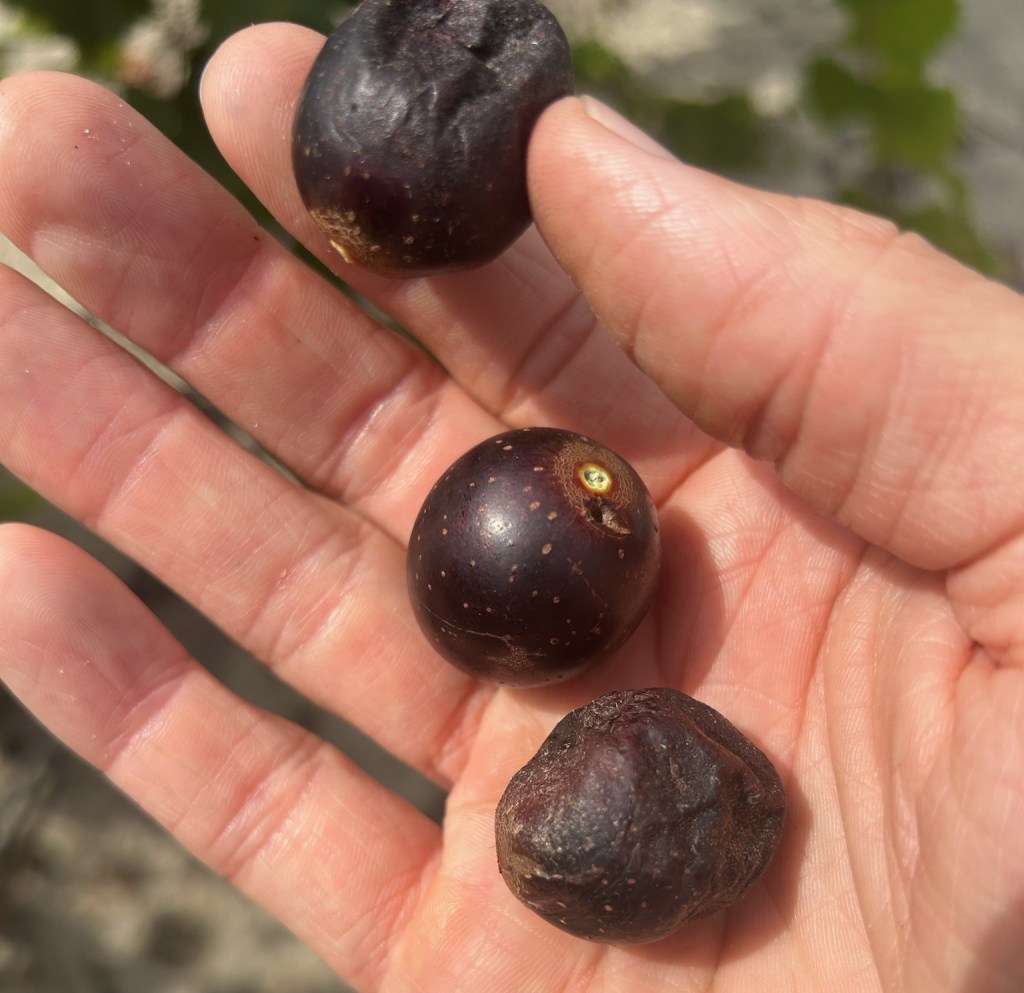
Strawberry growers are scrambling to find disease-free plants. Late-season disease and insect pressure is picking up and muscadines and other fall crops are nearing harvest. See details below. Researchers from universities across the Southeast are seeking to expand the number of crops on the MyIPM app for Vegetables. In order to do this, feedback is…
-
Weekly Field Update – 8/19/24
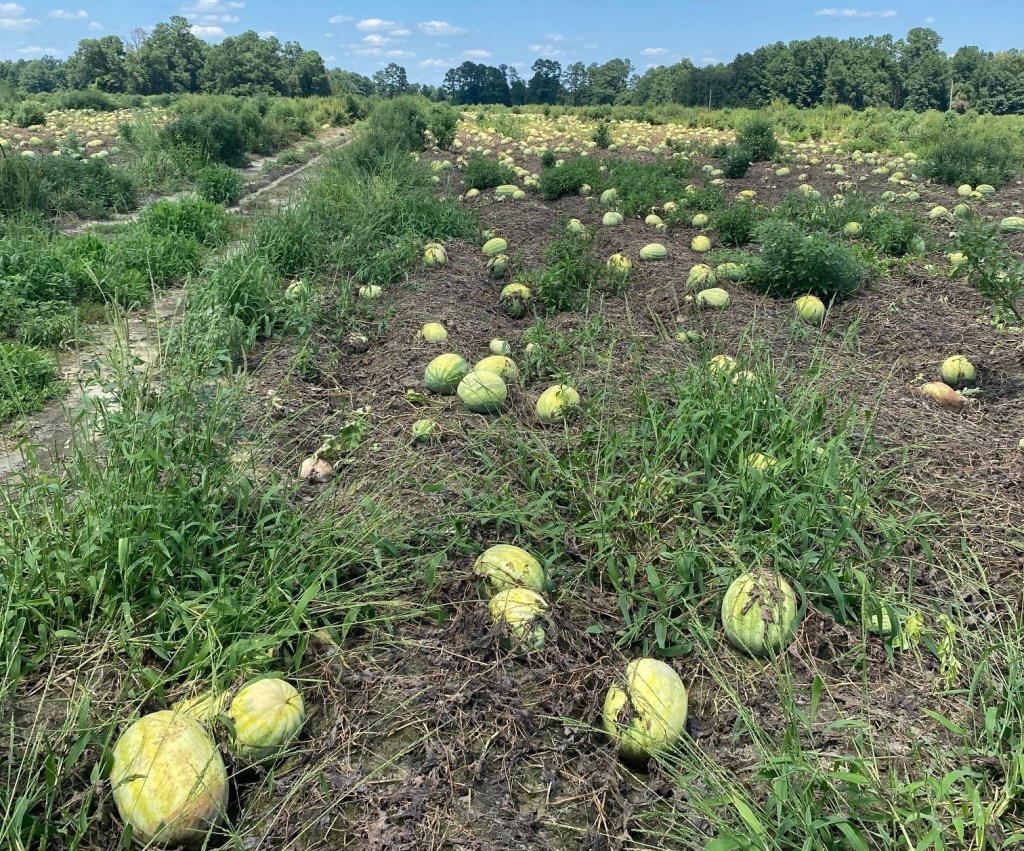
The Coastal and Pee Dee regions have been drying out from Tropical Storm Debby. Fall crops are being planted in many areas. Peach harvest is coming to a close and muscadine harvest will begin soon. Disease pressure has really kicked up. See details below. Growers may continue document any crop or infrastructure impacts from Tropical…
-
Fruit Rots on Pumpkins, Gourds, and Winter Squashes

From Clemson Plant Pathologist Tony Keinath As part of a new grant on cucurbit anthracnose with the University of Georgia, we sampled 68 pumpkins, gourds, and winter squash from “cull piles” at 7 pumpkin patches and small farms in South Carolina in October, November, and December 2023. Two-thirds of the 10 types of cucurbits sampled…
-
Stem Rot on Transplanted Tomato in March 2024
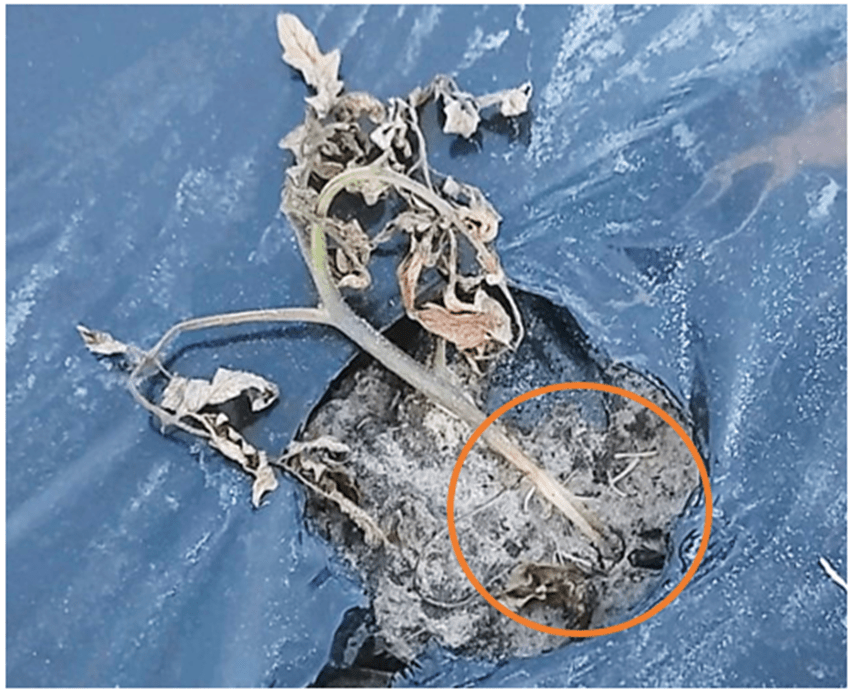
From Clemson Plant Pathologist Tony Keinath and Food Crops Agent Zack Snipes “Stem and root rot” is the term used to describe a disease on recently transplanted vegetable crops, like tomato, pepper, watermelon, cantaloupe, and cucumber. Tomato transplants with stem rot were observed last week along the coast of South Carolina. A proper diagnosis of…
-
Damping-Off on Direct-Seeded and Transplanted Vegetable Crops
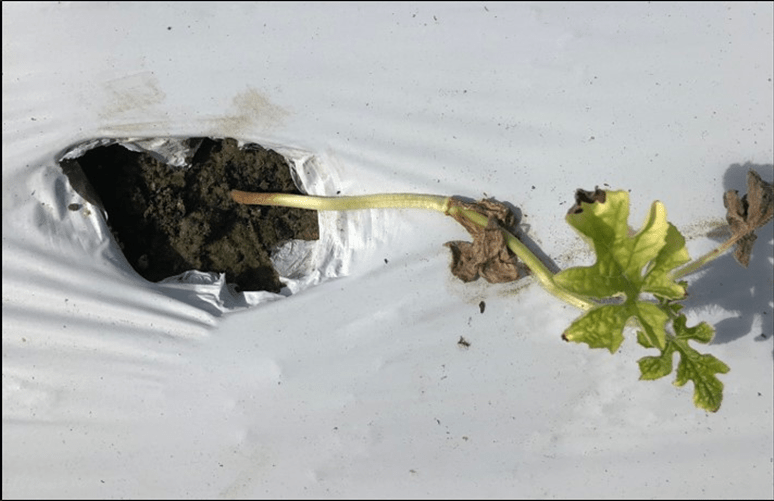
From Clemson Plant Pathologist Tony Keinath “Damping-off” refers to root and stem rot on young seedlings of direct-seeded crops. “Stem and root rot” is used to describe the same disease on transplanted crops. I will use the term “seedling disease” when information below applies to both types of crops. In South Carolina, the water mold…
-
White Mold on Kale and Other Cool-Season Vegetables

From Clemson Plant Pathologist Tony Keinath Sclerotinia white mold, a cool-season disease on several different vegetable crops, is present on collard and (probably) on kale. It is particularly common on over-wintered crops. The white mold fungus has a complex life cycle. The fungus, Sclerotinia sclerotiorum, survives long-term and over the summer as sclerotia in soil.…
-
Fungicide Sensitivity of Cucurbit Powdery Mildew in Charleston, SC
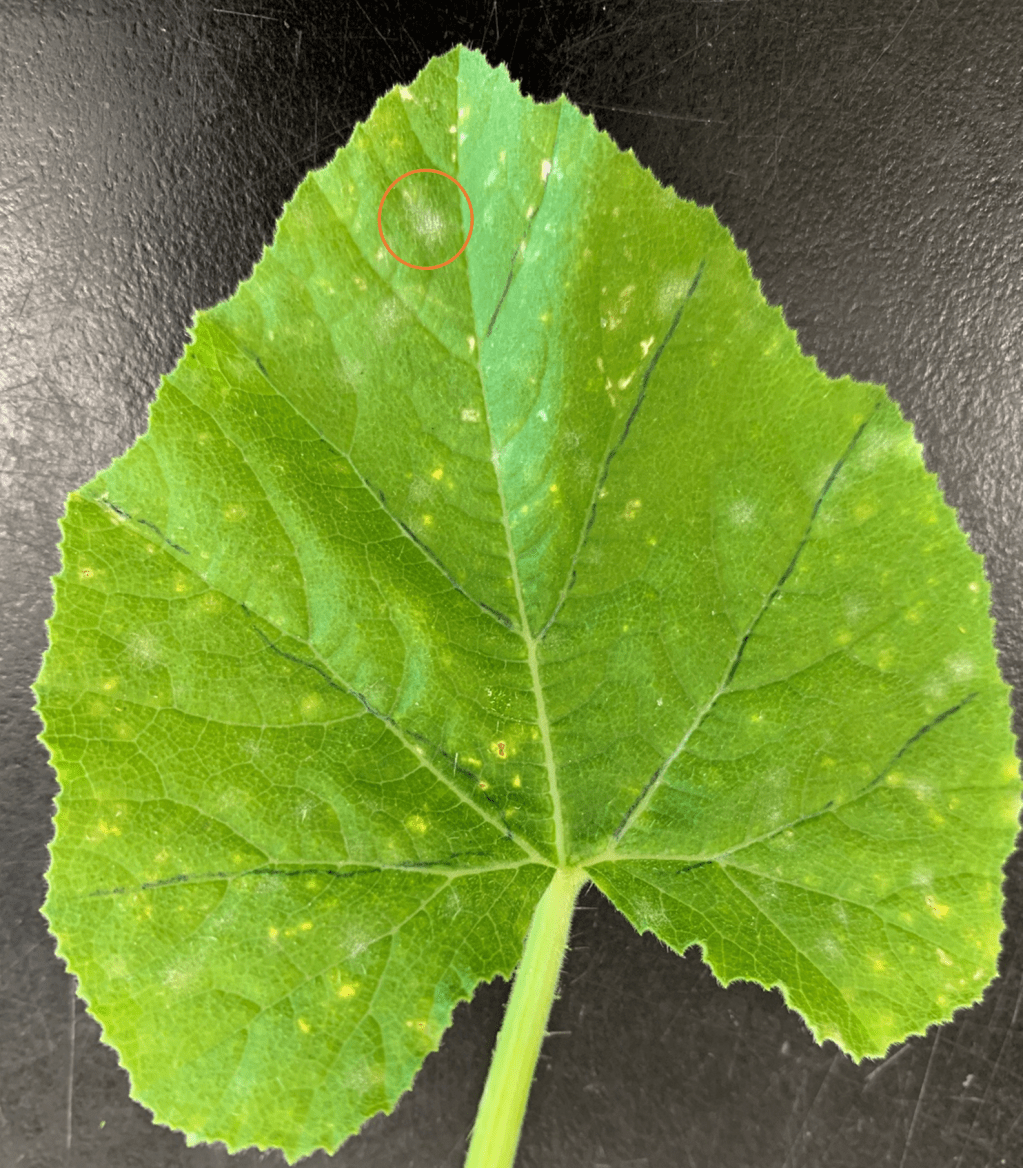
From Clemson Plant Pathologist Tony Keinath A fall fungicide sensitivity bioassay was done in October 2023, to find out which fungicides are most effective against powdery mildew on squash, watermelon, and other cucurbits. Methods: ‘Early Prolific’ yellow summer squash plants with three true leaves were treated with fungicides, water, or not treated. The following day,…
-
Cucumber Cultivar Response to Downy Mildew
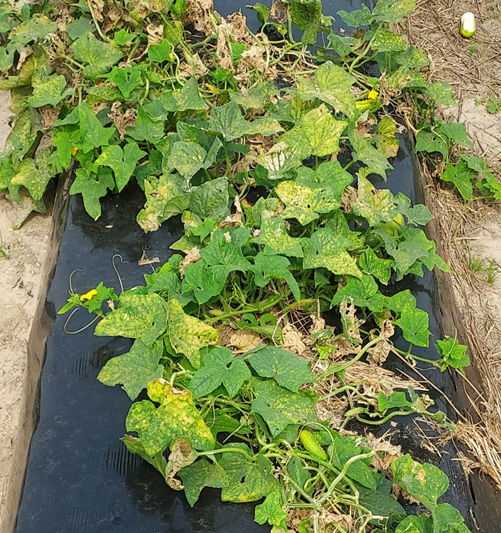
From Clemson Plant Pathologist Tony Keinath This blog is an update on the preliminary cucumber cultivar reactions to downy mildew posted on June 16, 2023. Use the info in this blog to choose cultivars. Clearly, a few cultivars had temporarily “escaped” infection, although I don’t know how that was possible. In addition, the resistances originally…
-
2023 Fusarium Wilt on Seedless Watermelon Experiment – Week 7 Observations
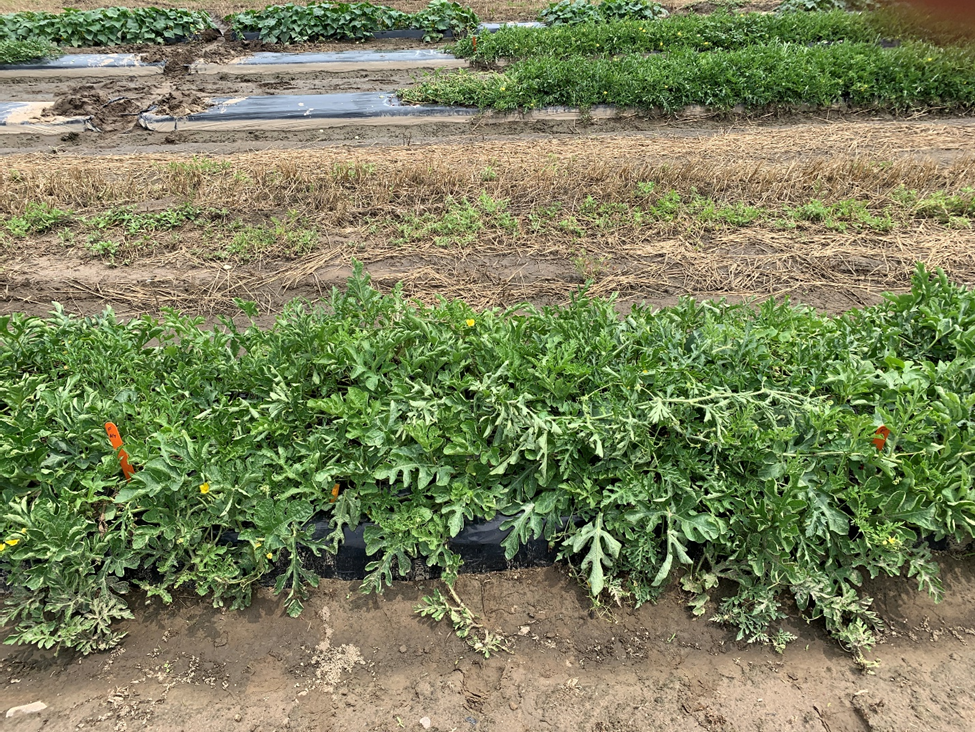
From Clemson Plant Pathologist Tony Keinath This year’s Fusarium wilt experiment includes 3 seedless cultivars, 3 fungicide treatments applied via drip irrigation, and grafting. This experiment is supported in part by a USDA SCRI grant. Transplants were set April 5 in a field infested with Fusarium races 1 and 2. These preliminary results are based…
-
Fungicide Sensitivity of Cucurbit Powdery Mildew in Charleston, SC

From Clemson Plant Pathologist Tony Keinath A fungicide sensitivity bioassay was done between June 1 and June 10, 2023, to find out which fungicides can be used against the current outbreak of powdery mildew on squash, watermelon, and other cucurbits. Methods: Yellow summer squash plants ‘Early Prolific’ with three true leaves were treated with one…

