Tag: Disease
-
Bacterial Spot on Tomato: Are the Cures as Bad as the Disease?
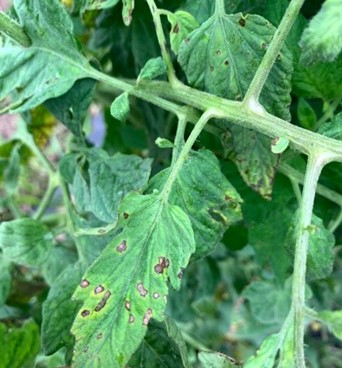
From Clemson Plant Pathologist Tony Keinath and Extension Agent Zack Snipes. Now that tomatoes are in the ground in coastal South Carolina, it’s time to think about a tomato spray program for a disease that shows up every year: bacterial spot. Current recommendations are based on a tank mix of copper + mancozeb. The comments…
-
Weekly Field Update – 4/3/23

Coming up this week, we have a couple of Pesticide Collection Events hosted by the SCDA. This is a great opportunity to get rid of any old unwanted pesticides you have laying around the shed. There is also a webinar on Composting coming up on Wednesday. Check out other upcoming meetings on the Upcoming Events…
-
Weekly Field Update – 3/27/23

Coming up this week, we have a Climate-Smart Project Farmer Interest Meeting on Thursday (3/30) at the Edisto REC in Blackville. Check out other upcoming meetings on the Upcoming Events tab. Don’t forget to look at our Resources tab for links to crop handbooks, helpful websites, and related blogs. Also, check out the latest episode…
-
Weekly Field Update – 3/6/23

We have lots of fruit and vegetable meetings coming up over the next couple of months, so check out the Upcoming Events tab for the complete lineup. This week, we have the Midlands Spring Vegetable Meeting, Blueberry Management and Maintenance, the upstate Vegetable Meeting, and the Pea and Butterbean Production Meeting. Don’t miss them! Don’t…
-
Weekly Field Update – 2/27/23

We have lots of fruit and vegetable meetings coming up over the next couple of months, so check out the Upcoming Events tab for the complete lineup. This week, we have the Pee Dee Vegetable Growers Meeting in Florence on Thursday (2/28) and a Waste Pesticide Collection event in York on Saturday (3/4). Don’t miss…
-
Cottony Rot on Stored Carrots

From Clemson Plant Pathologist Tony Keinath. Stored carrots can rot if they are infected by one of several different fungi in the field. Among the culprits is Sclerotinia, typically known as white mold on beans, Sclerotinia stem rot and watery soft rot on brassicas, or timber rot on tomato. On carrot, the same disease is…
-
Weekly Field Update – 2/20/23
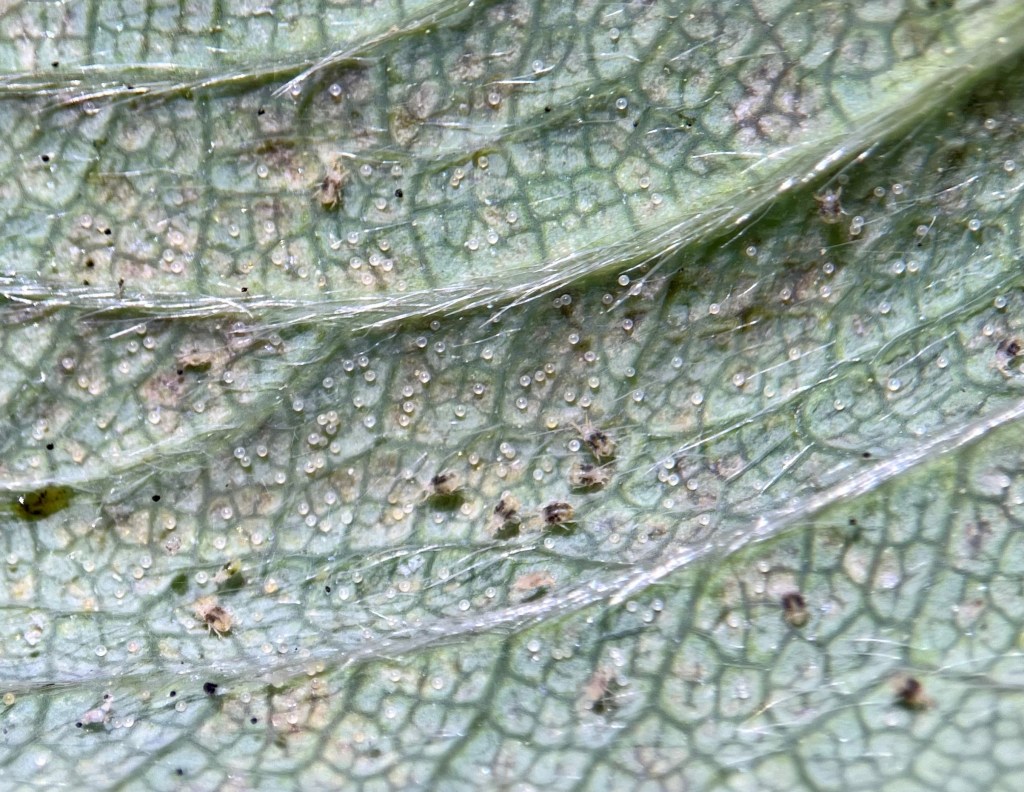
We have lots of fruit and vegetable meetings coming up over the next couple of months, so check out the Upcoming Events tab for the complete lineup. This week, we have the upstate strawberry meeting in Gaffney on Thursday (2/23) at 5:30 pm. Don’t forget to look at our Resources tab for links to crop…
-
Pythium Damping-Off of Seedless and Pollenizer Watermelons
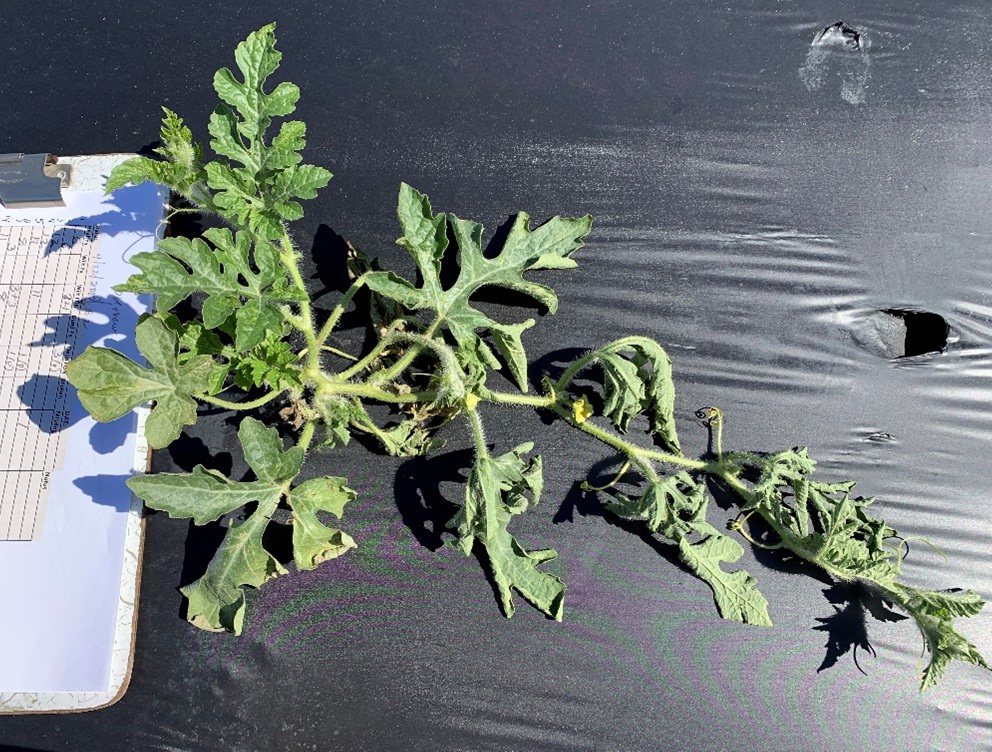
From Clemson Plant Pathologist Tony Keinath. Stand loss in transplanted spring seedless watermelons is usually not a serious issue in South Carolina, due to relatively sandy soils in the major production areas. Two pathogens that can cause post-transplanting damping-off and plant death are the fungus Fusarium and the water mold Pythium. Fusarium can kill seedlings…
-
Weekly Field Update – 2/13/23

We have lots of fruit and vegetable meetings coming up over the next couple of months, so check out the Upcoming Events tab for the complete lineup. This week, we have a Drip Irrigation Workshop on 2/17 at the Edisto REC. Don’t forget to look at our Resources tab for links to crop handbooks, helpful…
-
Black Rot Review: How to Manage this Disease on Brassica Crops
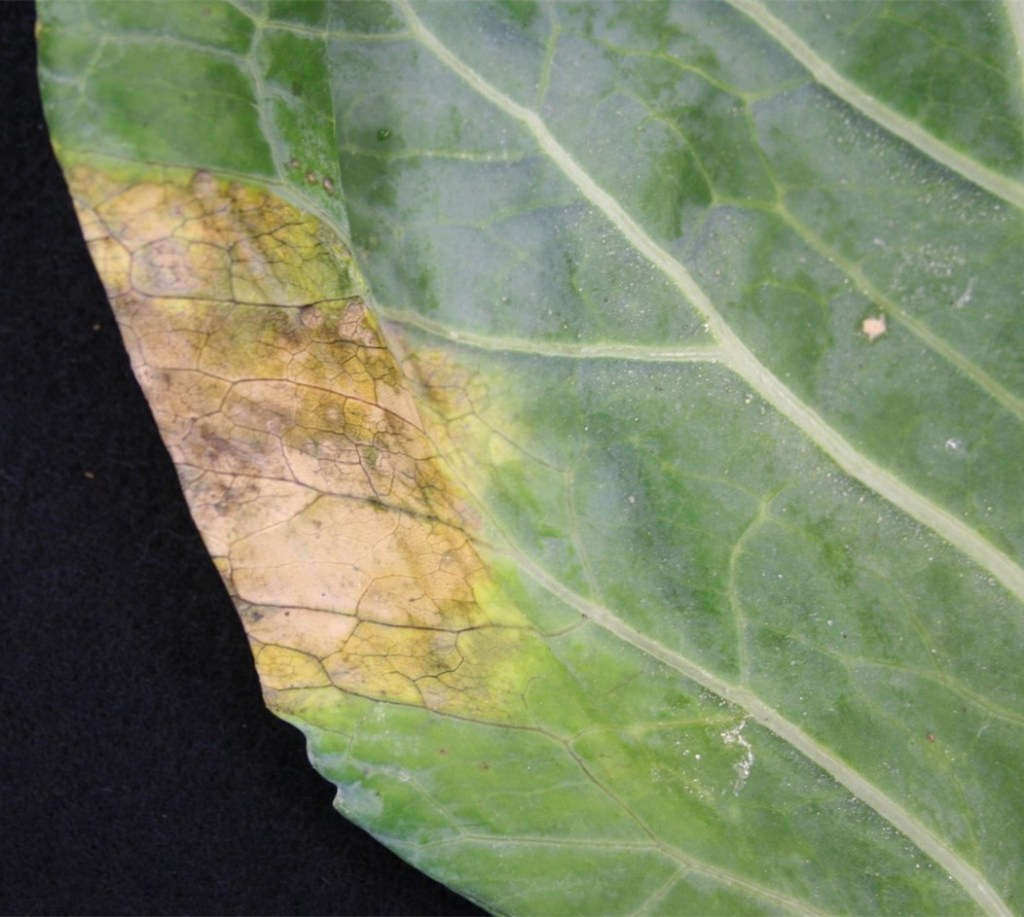
From Clemson Plant Pathologist Tony Keinath. Black rot is the most common disease caused by bacteria on brassica crops. It was widespread in the Lowcountry in fall 2022, so it’s time for a review of this serious disease. Recognizing Black Rot Most often, black rot starts at the edges of the older leaves on brassicas.…
 The South Carolina Grower