Tag: Disease
-
Beet Cultivars Tolerant to Cercospora Leaf Spot
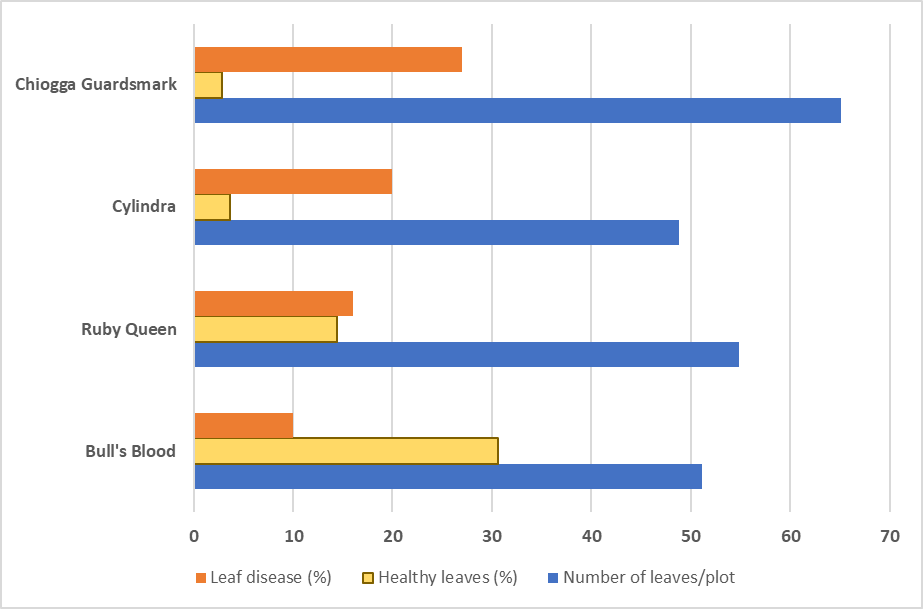
From Clemson Plant Pathologist Tony Keinath. Once beets emerge from the ground, the biggest challenge South Carolina growers face is keeping the leaves free of Cercospora leaf spot. This disease is a problem wherever beets are grown for greens or bunching (roots sold with tops attached). Cercospora leaf spot does not affect the weight or…
-
Weekly Field Update – 3/7/22

Coming up this week we have the in-person Midlands Vegetable Meeting, Upstate Apple and Peach Meeting, and virtual Peach meeting. Don’t forget to check out the rest of our lineup of winter/spring meetings here. Be sure to scroll all the way to the bottom to see this week’s Question of the Week and check back…
-
Weekly Field Update – 2/21/22
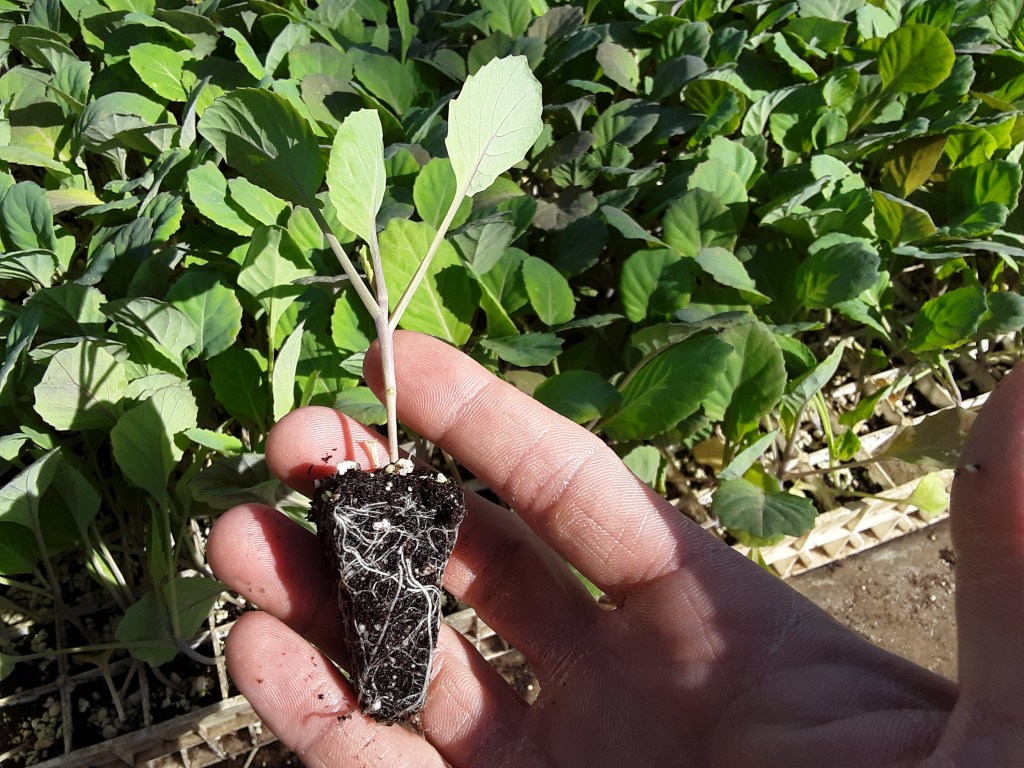
Coming up this week we have an in-person irrigation meeting and Part 1 of our virtual Brassica series. Don’t forget to check out the rest of our lineup of winter/spring meetings here. Be sure to scroll all the way to the bottom to see this week’s Question of the Week and check back on Thursday…
-
Planting Cucumbers Early Avoids Downy Mildew and Increases Yield without Fungicides
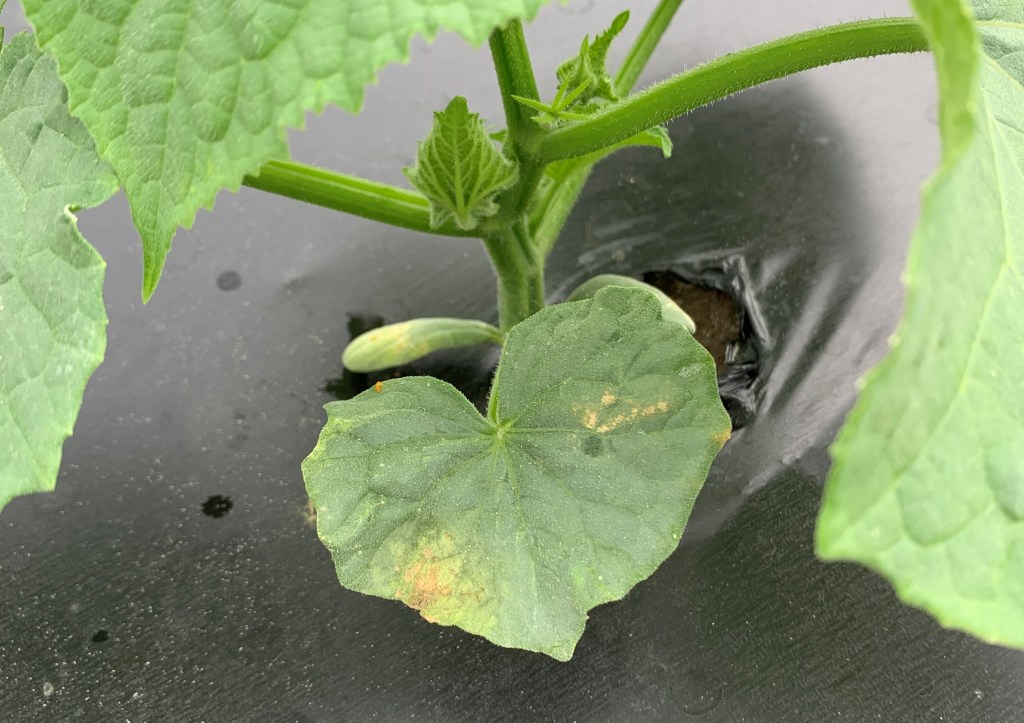
From Clemson Plant Pathologist Tony Keinath Growers who have flexibility in deciding when to plant cucumbers should plant them within 1 month of the earliest recommended planting date for their region. Planting dates for commercial growers are in the Southeast Vegetable Crop Handbook (Pg 75). Planting dates for home gardeners are in fact sheet HGIC…
-
Question of the Week – Sclerotinia White Mold
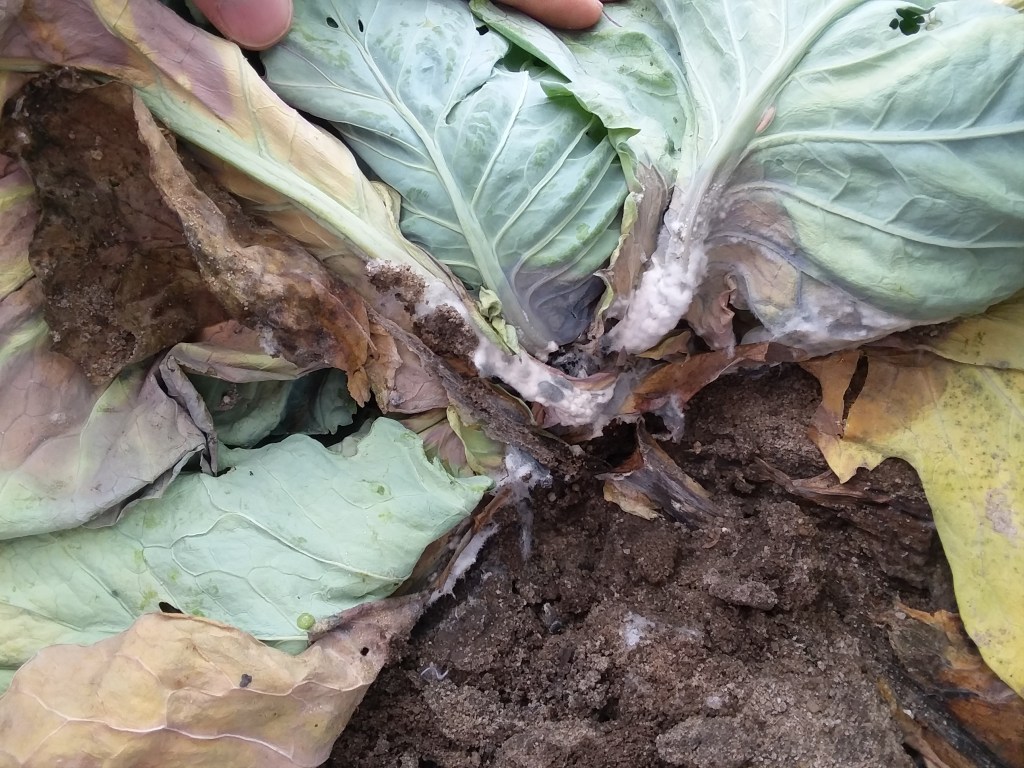
This week, the question was: What is wrong with the stem and lower petioles of this cabbage plant? This plant is suffering from Sclerotinia white mold (caused by the fungus Sclerotinia sclerotiorum), also called Sclerotinia stem rot. This disease is commonly observed this time of year as temperatures begin to warm up. It develops a…
-
Grafting Reduces Southern Blight on Tomato by 83%
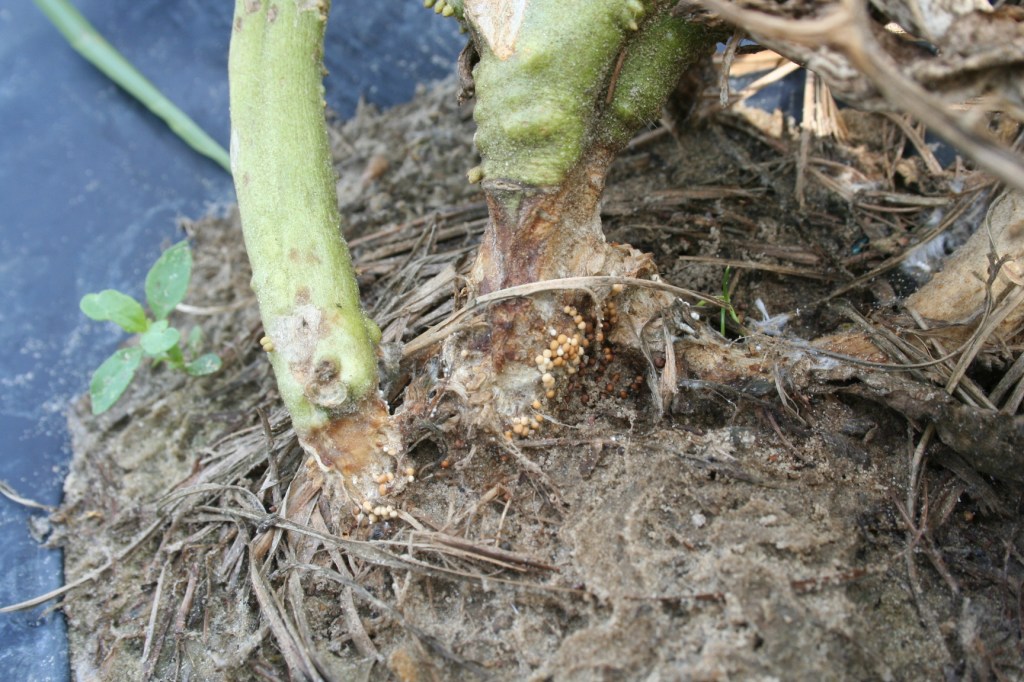
From Clemson Plant Pathologist Tony Keinath. Southern blight has become more common on tomatoes grown without fumigation throughout the southern United States. A joint project between the University of Georgia and Clemson University looked at grafting as a management option. In the 2021 trial in Charleston, SC, grafting reduced the percentage of diseased plants from…
-
Weekly Field Update – 1/18/22
We hope everyone had a great holiday season and that 2022 is off to a good start! Remember to keep an eye on the Upcoming Events tab over the next couple of months. We have lots of fruit and vegetable-related meetings coming up. This week we have a couple in-person meetings and a virtual tomato…
-
Weekly Field Update – 12/6/21
Coming up this Thursday (12/9) will be Part 2 of the Organic and Sustainable Vegetable Grower Meeting. Speakers will be discussing bed formation and alternative fertilizers. This virtual meeting will start at 9 am. Click here to register. Coastal Region Rob Last reports, “Pest and disease activity in the area remain low with overall good…
-
Weekly Field Update – 11/22/21
We are currently evaluating the SC Grower site to determine any updates or upgrades that are necessary to better serve our viewers. To help with this, we would love to have your feedback. This quick survey should take about 5 minutes to complete and is completely anonymous. Please take a minute to share some of your likes,…
-
Timely Diagnosis
From Clemson Plant Pathologist Tony Keinath. Plants are a rich source of food for microorganisms—for aggressive plant pathogens, for weak pathogens, and for common saprophytes (the 90% of microorganisms that feed only on dead plant parts). Once a pathogen kills parts of leaves or side roots and we see dark brown spots, things change. The…
 The South Carolina Grower