Author: Justin Ballew
-
Question of the Week – Sandblasting
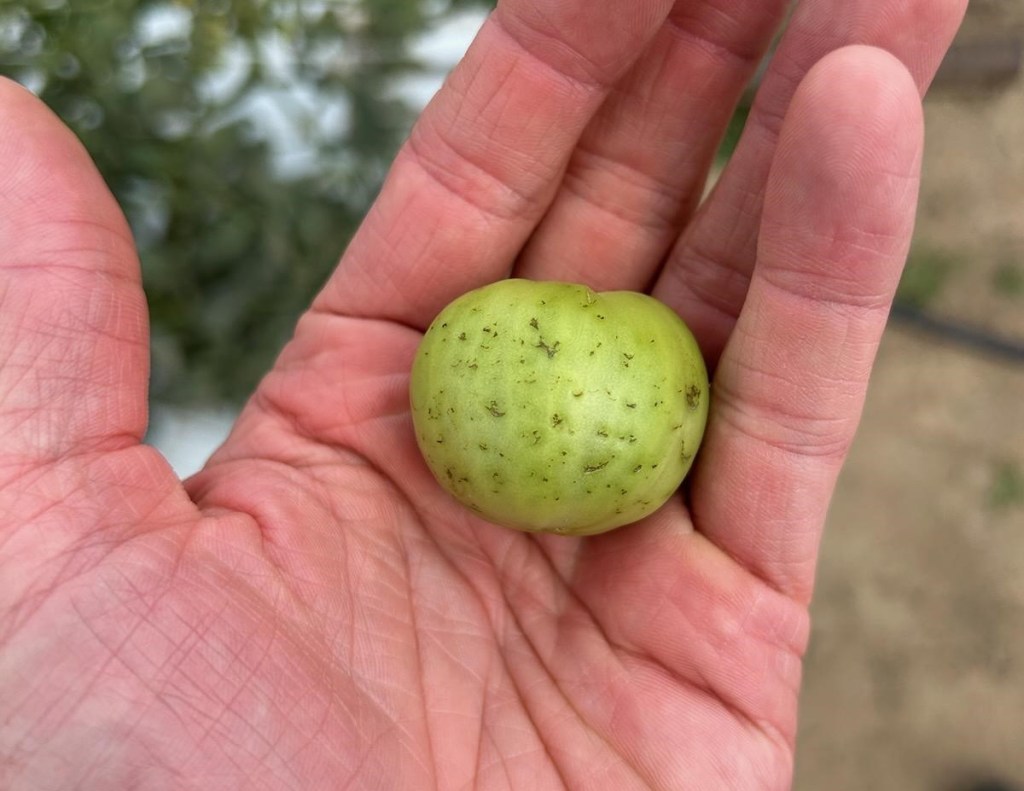
Why does this tomato appear scarred on one side but normal on the other? This tomato is scarred on the side facing the prevailing winds. It was found on the outside row, next to a dirt drive row and an open field. It had also not rained in quite a while, so it was very dusty and…
-
Weekly Field Update – 10/21/24
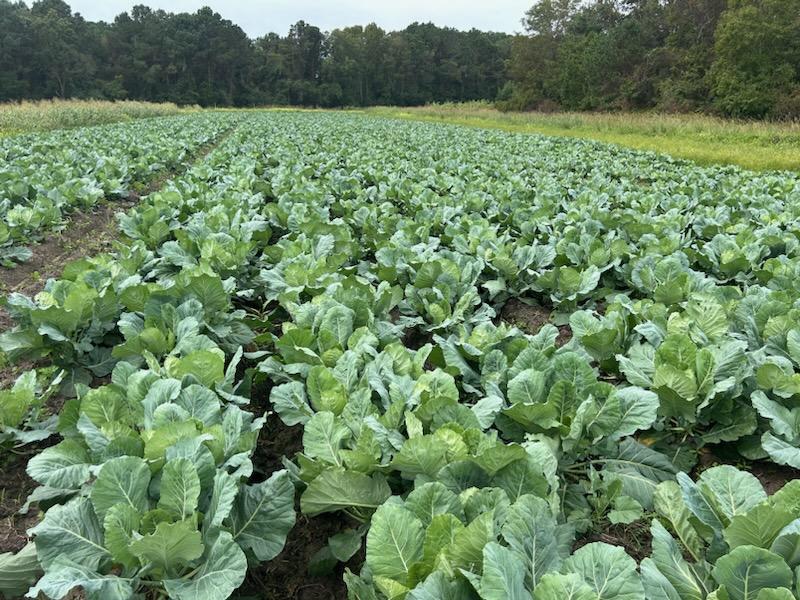
Fall weather has arrived and strawberry planting is in full swing. Conditions have been dry across the state since Hurricane Helene. Diseases and insects are showing up in places as the fall growing season progresses. See details below. Keep an eye on the Upcoming Events tab periodically so you don’t miss anything. Also, check out…
-
Preparing for Your Tax Preparer

By Kevin Burkett, Extension Agribusiness Associate This time of year is busy as summer comes to a close, children have returned to school, harvest is in full swing, and we anticipate busy days in the fall and winter months. Another item for your to-do list is meeting with your tax professional. This appointment is often…
-
Question of the Week – Tachinid Fly Eggs
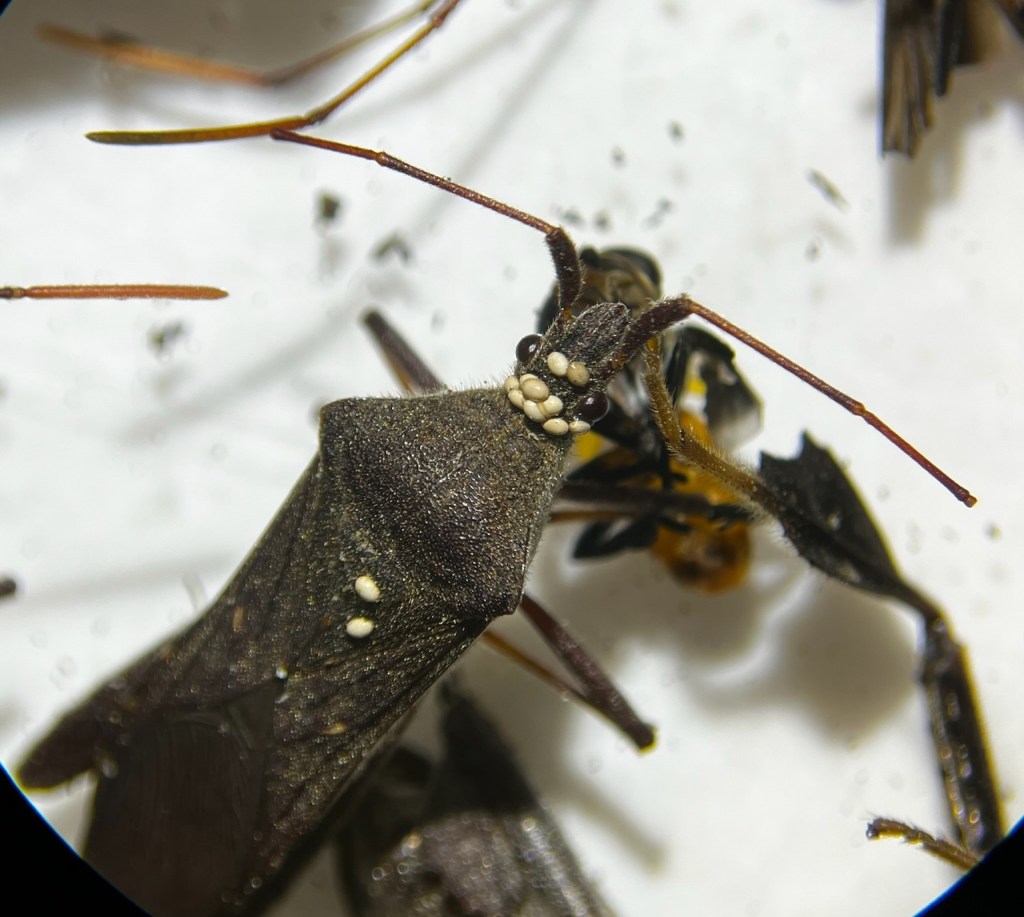
What is on the head and back of this leaffooted bug? The oblong, white objects on this leaffooted bug (Leptoglossus oppositus) are eggs of a parasitoid fly (Trichopoda pennipes), which will hatch and consume the leaffooted bug. Usually when we discuss parasitoids in pest management we are referring to small wasps, but flies in the…
-
And So It Begins…Neopest is Starting to Show Up.
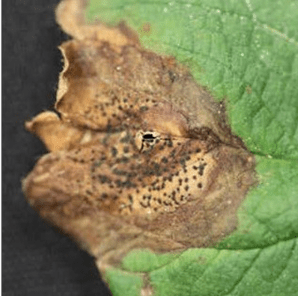
By Guido Schnabel It is early October 2024 and as feared and expected, we are starting to see Neopestalotiopsis symptoms in strawberry fields. The leaf in Fig. 1 (left) displays leaf necrosis and was collected from a South Carolina farm October 4, 2024. Necrosis on leaves can be caused by many things, but if you…
-
Weekly Field Update – 10/14/24

As cleanup from Hurricane Helene continues in the western parts of the state, crops are looking great elsewhere. Strawberries transplants are arriving on farms and planting has begun in many places. See details below. Keep an eye on the Upcoming Events tab periodically so you don’t miss anything. Also, check out the latest episode of…
-
Question of the Week – Southern Blight
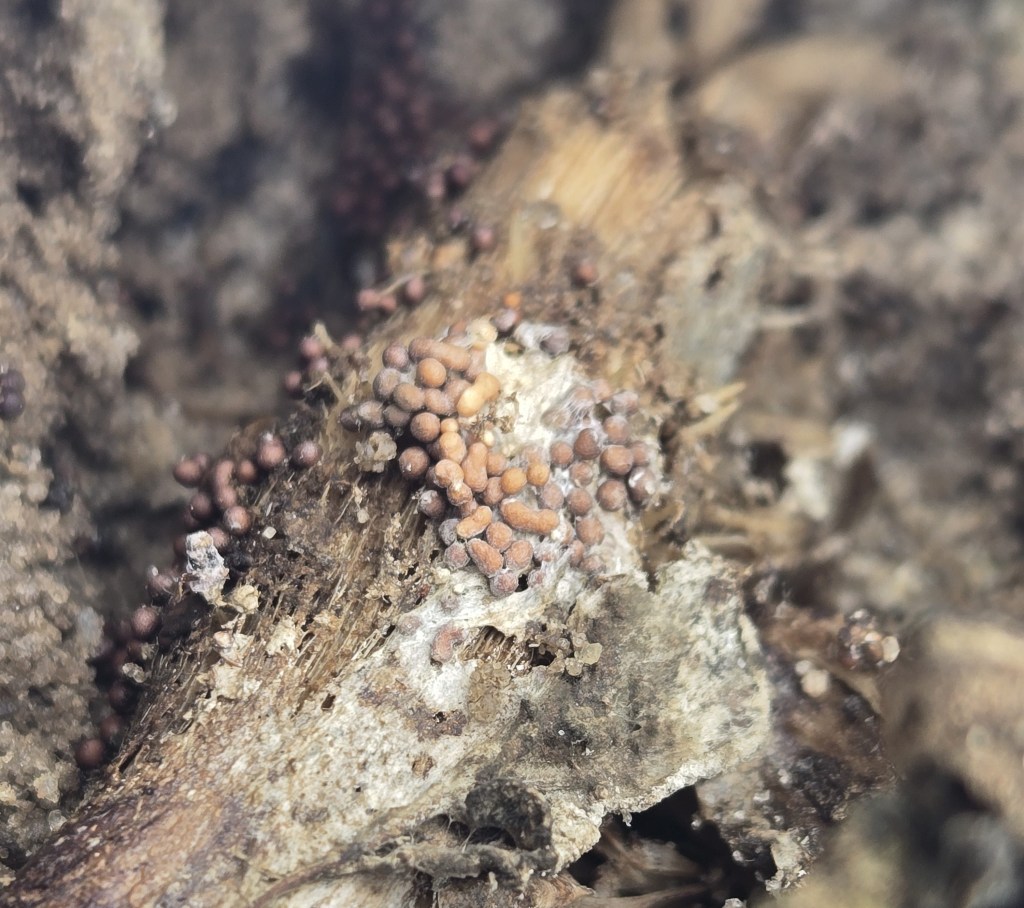
What are these brown pellets found on the base of a tomato plant? These brown pellets are sclerotia from the soil-borne fungus Athelia rolsii, commonly called Southern blight. The photograph was taken from a tomato plant displaying wilting with a good fruit loading. Sclerotia are survival structures that allow the fungus to survive in the…
-
Weekly Field Update – 10/7/24
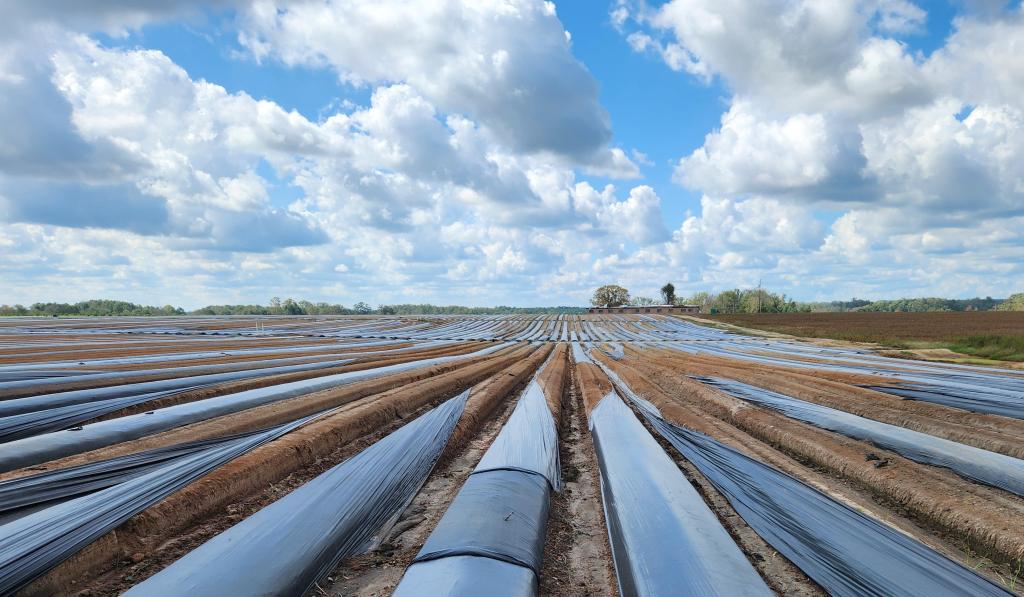
Parts of the state continue to clean up damage from Hurricane Helene. Apples are being harvested in the Upstate and strawberry planting is just beginning. Disease is becoming more prevalent from the recent rain and heavy winds. See details below. Check out the 2024 SC and GA Strawberry Production Webinar for some timely tips for…
-
Question of the Week – Southern Purple Mint Moth
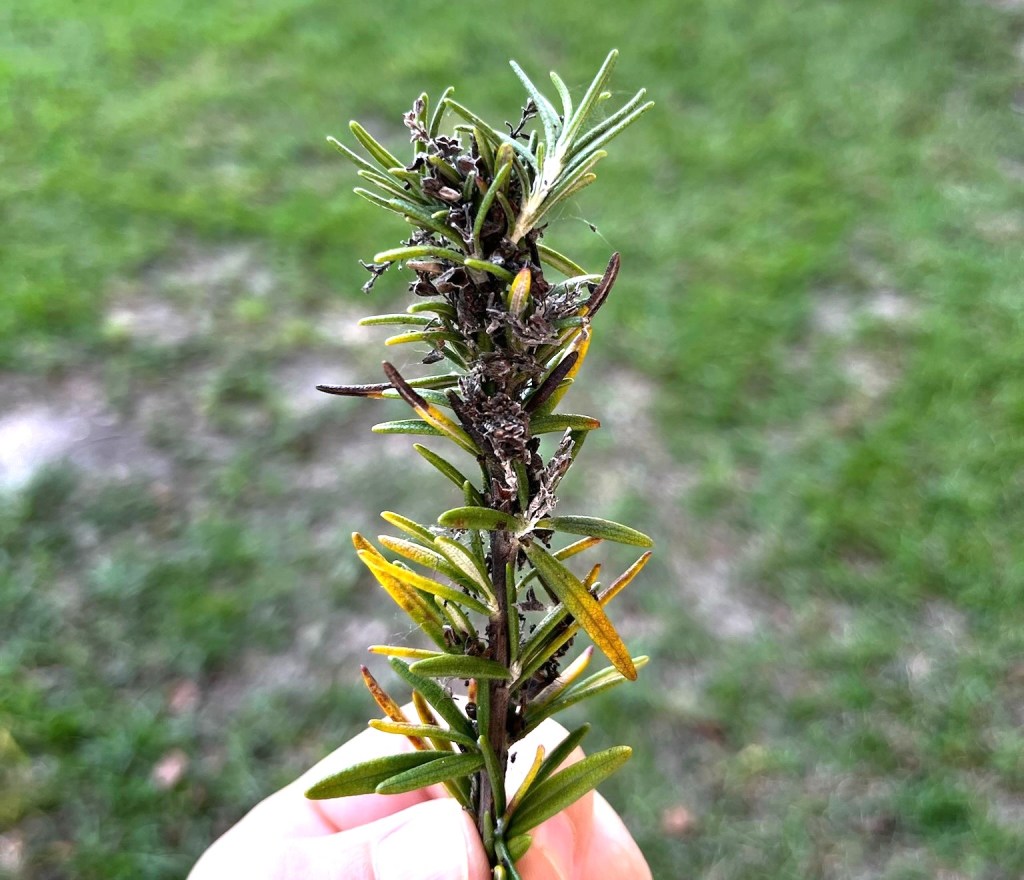
Where did all the webbing and frass on this rosemary come from? This is from the Southern purple mint moth caterpillar (Pyrausta laticlavia). This caterpillar has been seen on rosemary throughout the Charleston area for over 10 years. Commonly called “rosemary webworm,” this pest can affect the foliage on over half the plant and likely…
-
Efficacy Trials with Biofungicide Howler EVO against Strawberry Diseases
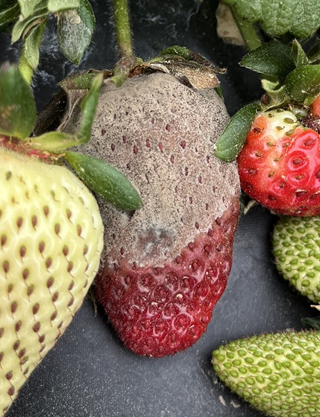
By Guido Schnabel, Jeffrey A. Hopkins, and Johanna Wesche Recently, the article Fungus-Based Biological Control Agents: How Useful Are They for Strawberry Disease Management? was published. The article reported our first experience with yeast-based biological control agents (BCA) against Botrytis fruit rot (BFR) and Anthracnose fruit rot (AFR) of strawberry. The trials were conducted at the…
 The South Carolina Grower