Author: Justin Ballew
-
SC Tax Credit for Purchase and Installation of Energy Conservation and Renewable Energy Production Measures

From Extension Agribusiness Associate Kevin Burkett This time of year, farmers are completing and submitting their tax return information. With that in mind, we wanted to mention a state tax credit that may be of interest. SC TC – 1 is a nonrefundable state tax credit available to farms for installing conservation tillage equipment, drip…
-
Weekly Field Update – 3/18/24

We have lots of meetings coming up over the next few months, so be sure to keep a close eye on the Upcoming Events tab so you don’t miss anything. Also, check out the latest episode of the SC Grower Exchange Podcast below. Don’t forget to look at our Resources tab for links to crop…
-
Question of the Week – War of 1812 Artifact

What is this that was found while subsoiling a field on John’s Island in Charleston recently? Sidi Limehouse was bottom plowing a field at the end of Johns Island a few weeks ago when he hit something, made another pass, and hit it again. They had been farming the field for years; another local farmer…
-
Weekly Field Update – 3/11/24
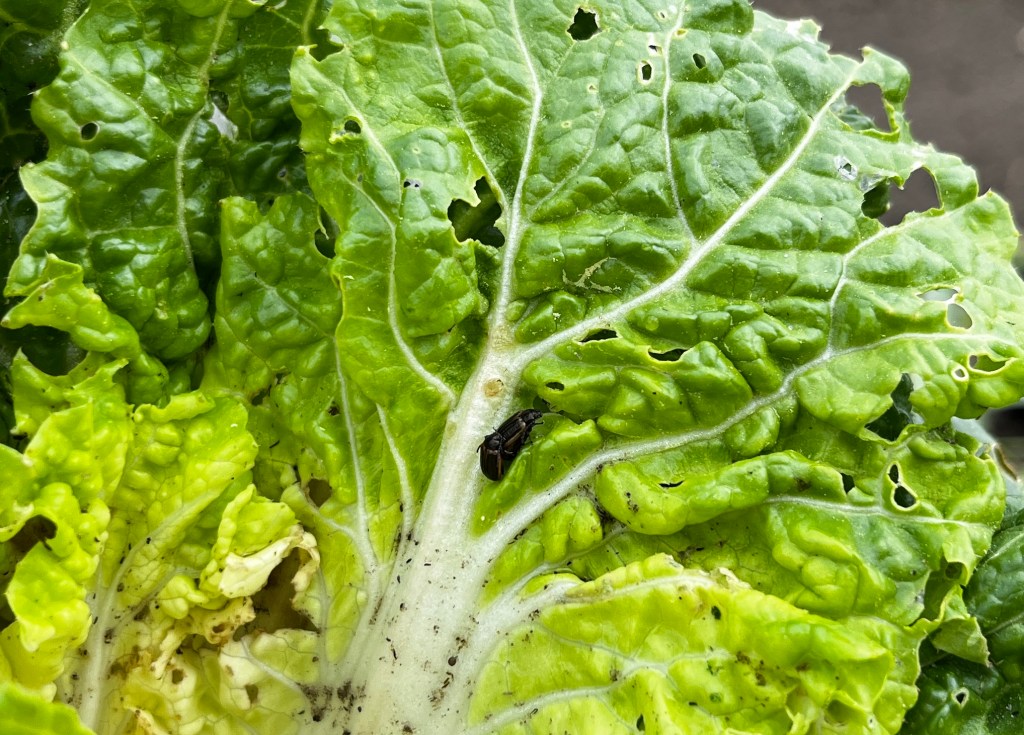
We have lots of meetings coming up over the next few months, so be sure to keep a close eye on the Upcoming Events tab so you don’t miss anything. Coming up this week we have the Upstate Apple Meeting in Walhalla and the Midlands Strawberry Meeting in Saluda. Also, check out the latest episode…
-
Question of the Week – Thrips
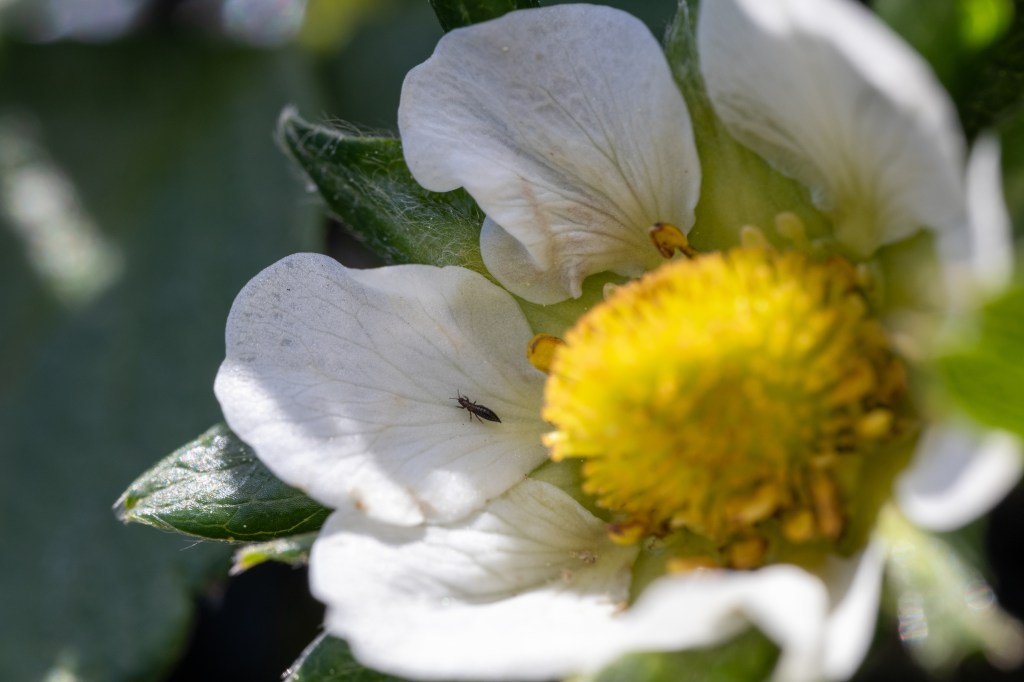
What is the tiny critter on the petal of this strawberry bloom? In this picture is a tobacco thrips (reduced wing form) crawling out a strawberry flower at Clemson’s Coastal REC in Charleston. There are several species of thrips that we find in strawberry flowers in SC, but for most farms and fields the presence…
-
Weekly Field Update – 3/4/24
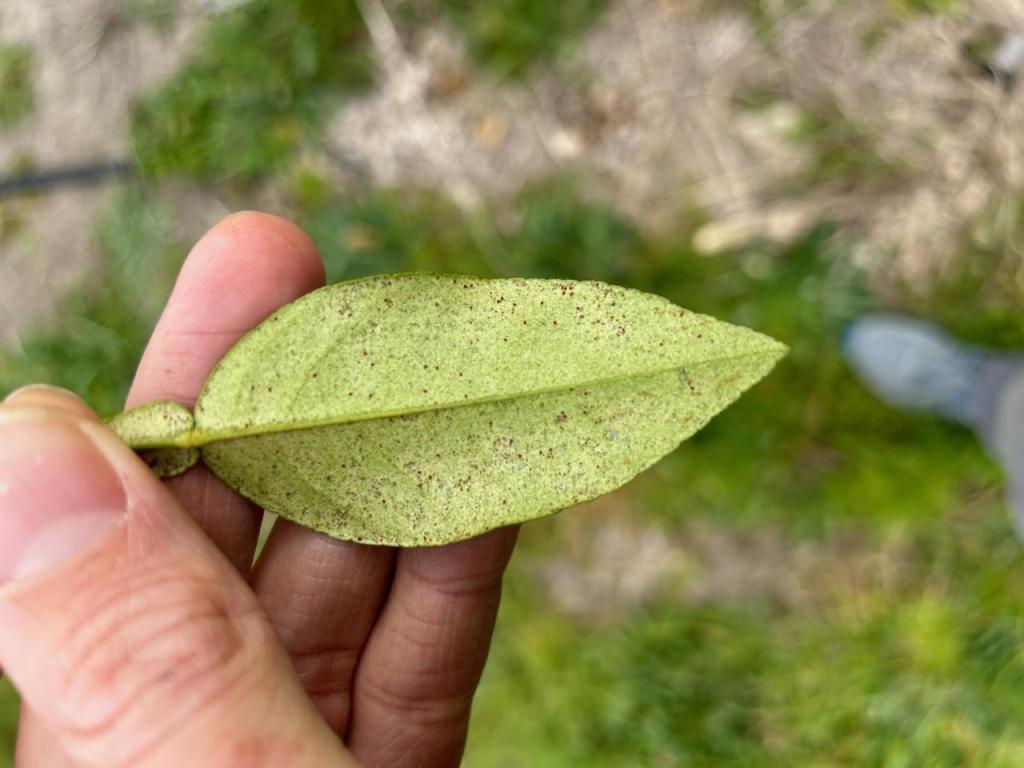
We have lots of meetings coming up over the next few months, so be sure to keep a close eye on the Upcoming Events tab so you don’t miss anything. Coming up this week we have a Water Management Class in Blackville and a Blueberry Maintenance and Fertility Field Day in Gable. Also, check out…
-
Question of the Week – Henbit

What is this cool-season weed that is turning fallow fields purple right now? This is henbit (Lamium amplexicaule). This annual cool-season weed germinates in the fall and grows throughout the winter. It begins blooming in the late-winter, with some blooms visible earlier during warm spells. This time of year, fallow fields often have enough henbit…
-
Weekly Field Update – 2/26/24

We have lots of meetings coming up over the next few months, so be sure to keep a close eye on the Upcoming Events tab so you don’t miss anything. Coming up this week we have the Pee Dee Vegetable Production Meeting in Florence. Also, check out the latest episode of the SC Grower Exchange…
-
Question of the Week – Carolina Jessamine
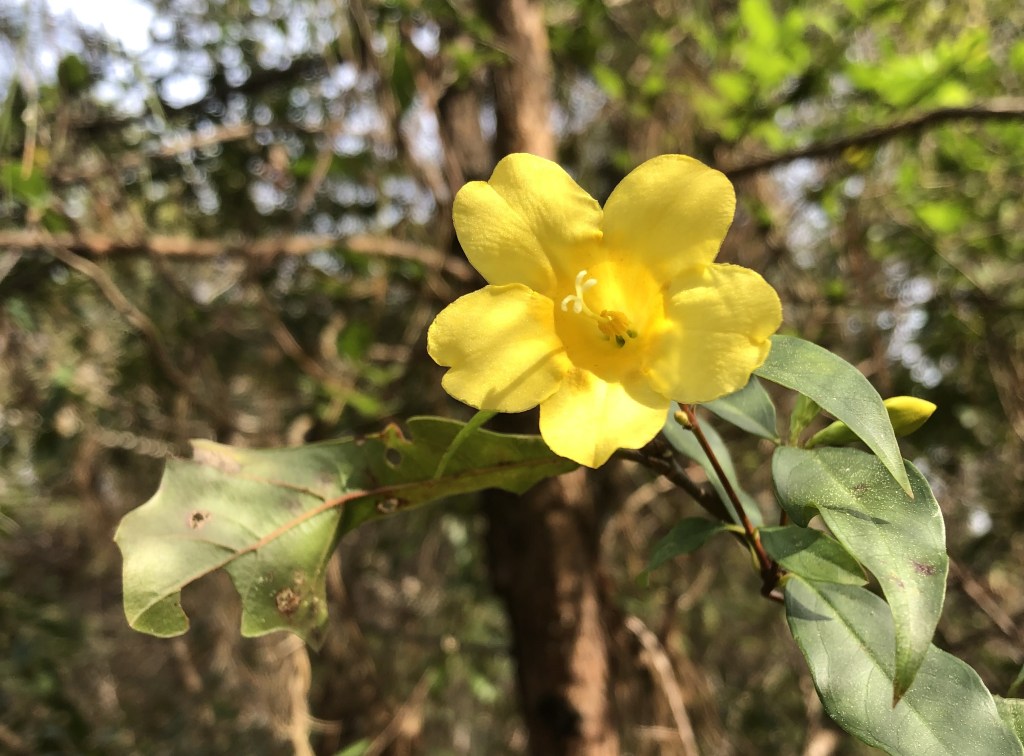
What is this wildflower that is starting to appear on field edges and wood lines? This is Carolina jessamine (Gelsemium sempervirens). This native, evergreen vine is just starting to bloom. In a few more weeks, as it reaches full bloom, it can be seen growing on trees and fences on the side of seemingly every…
-
Damping-Off on Direct-Seeded and Transplanted Vegetable Crops
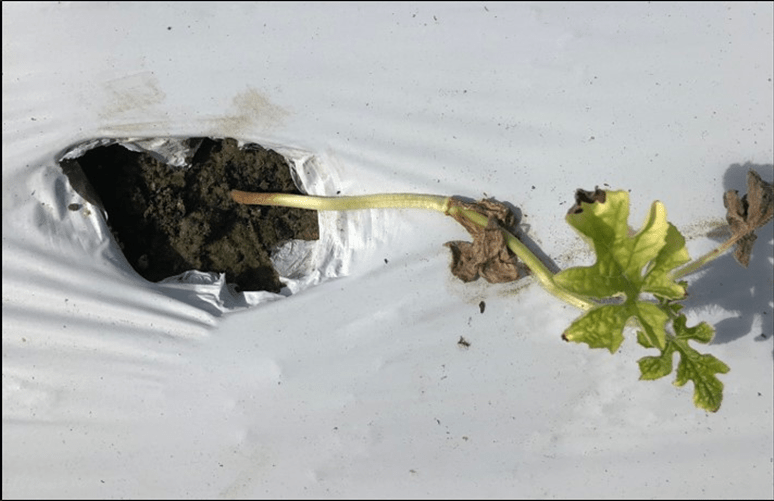
From Clemson Plant Pathologist Tony Keinath “Damping-off” refers to root and stem rot on young seedlings of direct-seeded crops. “Stem and root rot” is used to describe the same disease on transplanted crops. I will use the term “seedling disease” when information below applies to both types of crops. In South Carolina, the water mold…
 The South Carolina Grower