Author: Justin Ballew
-
Weekly Field Update – 6/19/23

Check out upcoming meetings on the Upcoming Events tab, and don’t forget to look at our Resources tab for links to crop handbooks, helpful websites, and related blogs. Also, check out the latest episode of the SC Grower Exchange Podcast. Be sure to scroll all the way to the bottom to see this week’s Question…
-
Cucumber Downy Mildew Found in Charleston, SC
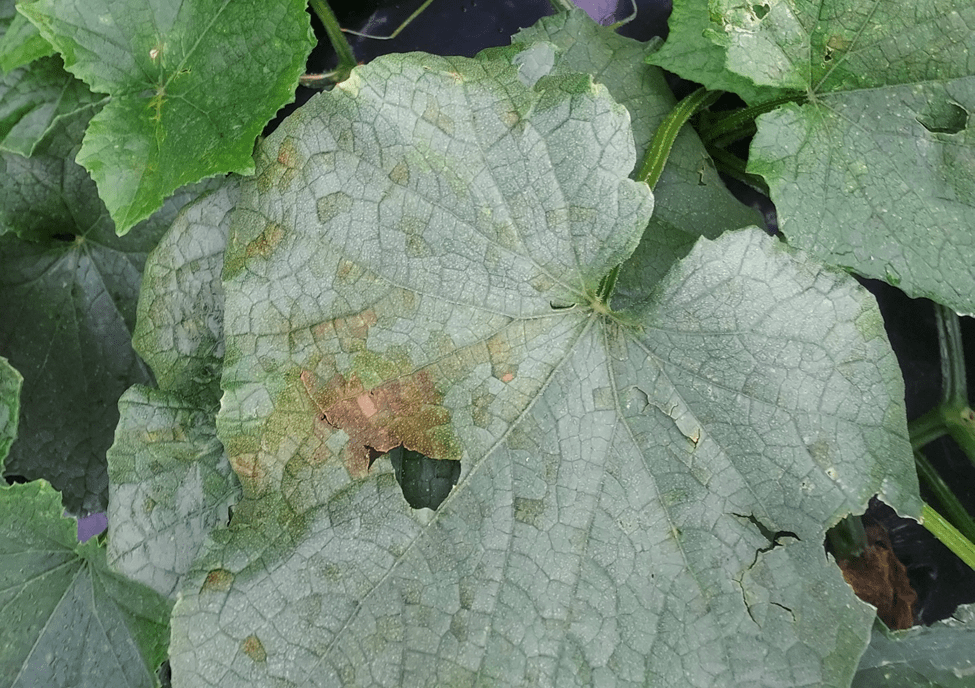
From Clemson Plant Pathologist Tony Keinath One of the rainstorms the latter part of last week (the week of June 5) brought cucumber downy mildew spores with it to Coastal REC. On June 12, the most susceptible cucumber cultivar, Straight 8, already had 50% diseased leaf area. This amount of disease suggests that the infection…
-
Question of the Week – Barklice

This week, the question was: What are all these critters crawling on the bark of this crepe myrtle tree? These are barklice, AKA barkflies or booklice. This species is probably Cerastipsocus venosus. Barklice are sometimes called “tree cattle,” due to their behavior of moving around in a group like a herd of animals (try moving…
-
Basil Downy Mildew Arrives in Charleston, SC
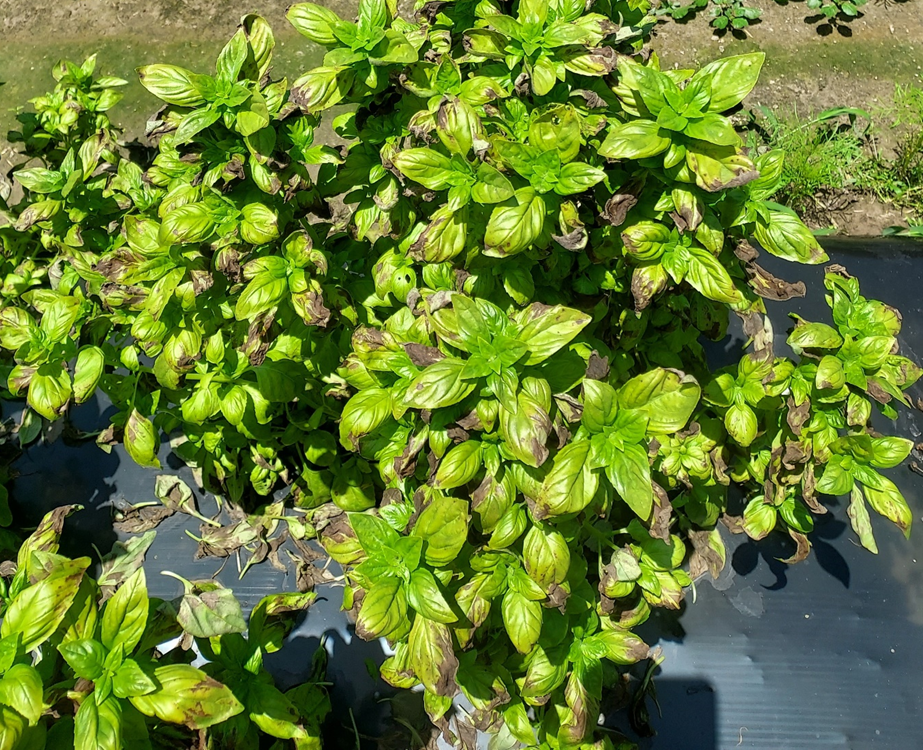
From Clemson Plant Pathologist Tony Keinath. One of the rainstorms the week of June 5, 2023, brought basil downy mildew spores with it to Coastal REC. On Friday, June 9, all four cultivars in our demonstration were healthy and more than ready to harvest. On Monday, June 12, this is what we found. Basil downy…
-
Weekly Field Update – 6/12/23

Check out upcoming meetings on the Upcoming Events tab, and don’t forget to look at our Resources tab for links to crop handbooks, helpful websites, and related blogs. Also, check out the latest episode of the SC Grower Exchange Podcast. Be sure to scroll all the way to the bottom to see this week’s Question…
-
Question of the Week – Heat Stress
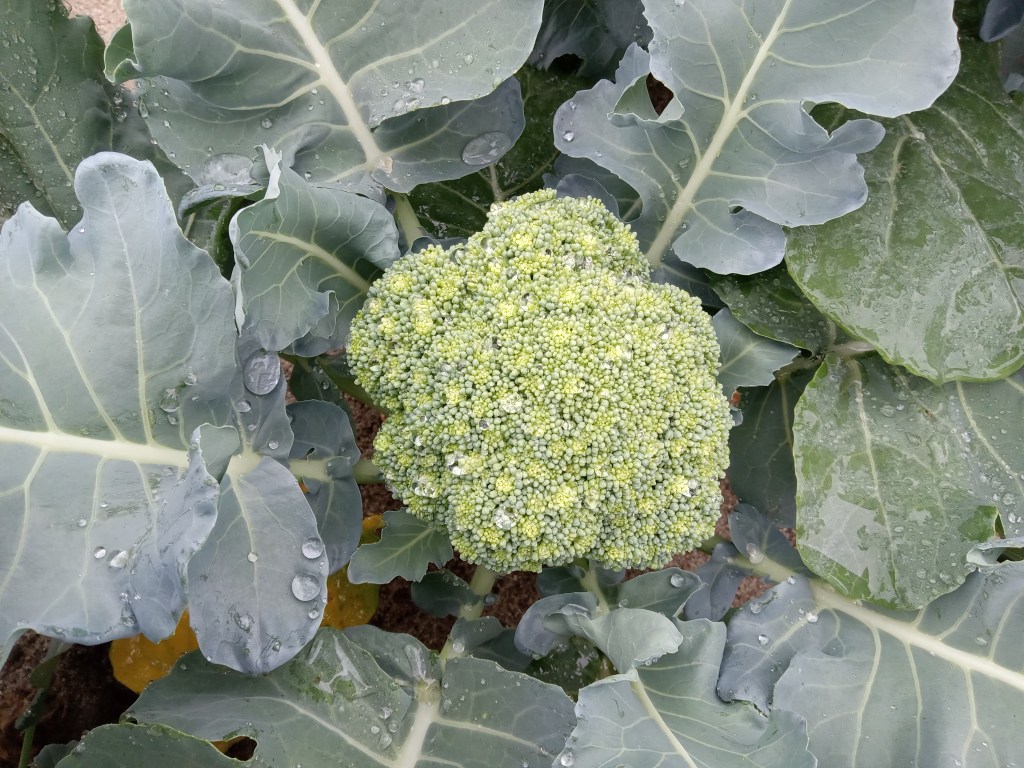
This week, the question was: What is what is going on with the different sized beads and color variation in this broccoli head? This broccoli head is showing a symptom known as “cat eye” where there are clusters of small, lighter-colored beads surrounded by larger, darker-colored beads. This is a common symptom of heat stress…
-
Weekly Field Update – 6/5/23
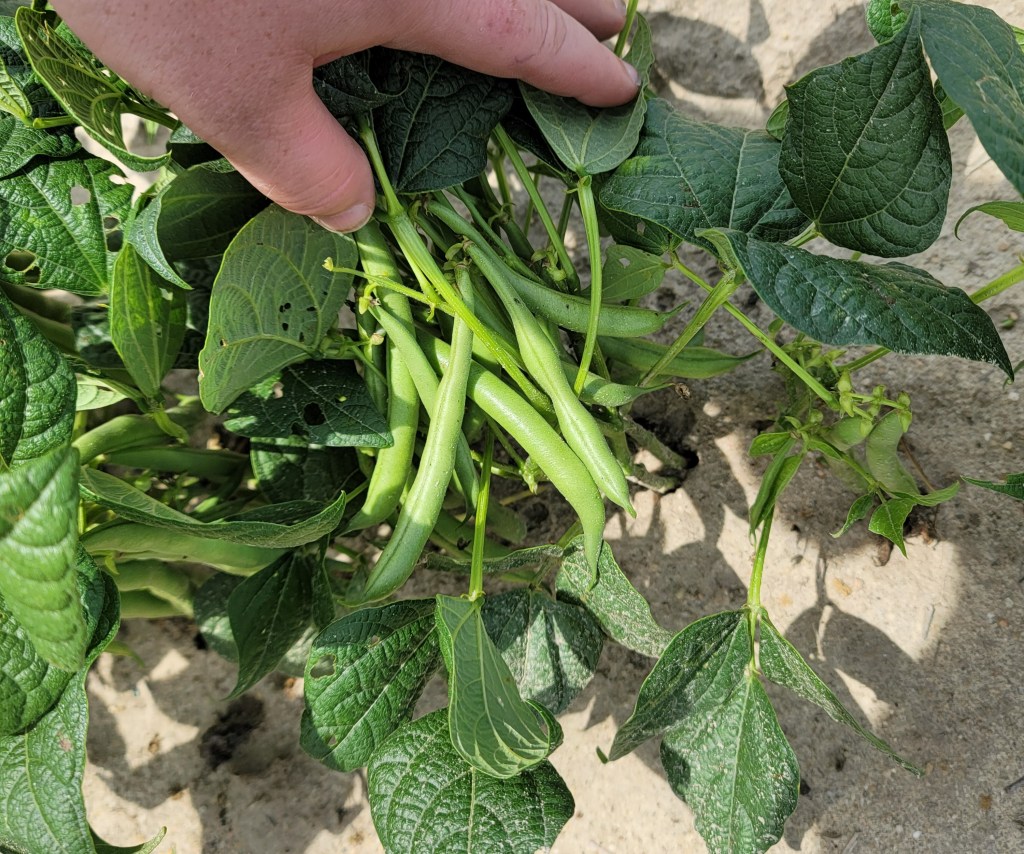
Don’t forget about the Coastal REC Field Day coming up this week on Wednesday, 6/7/23. Come to see and hear updates on vegetable weed, disease, and insect research. Register here. Check out other upcoming meetings on the Upcoming Events tab, and don’t forget to look at our Resources tab for links to crop handbooks, helpful…
-
Question of the Week – Spined Soldier Bugs
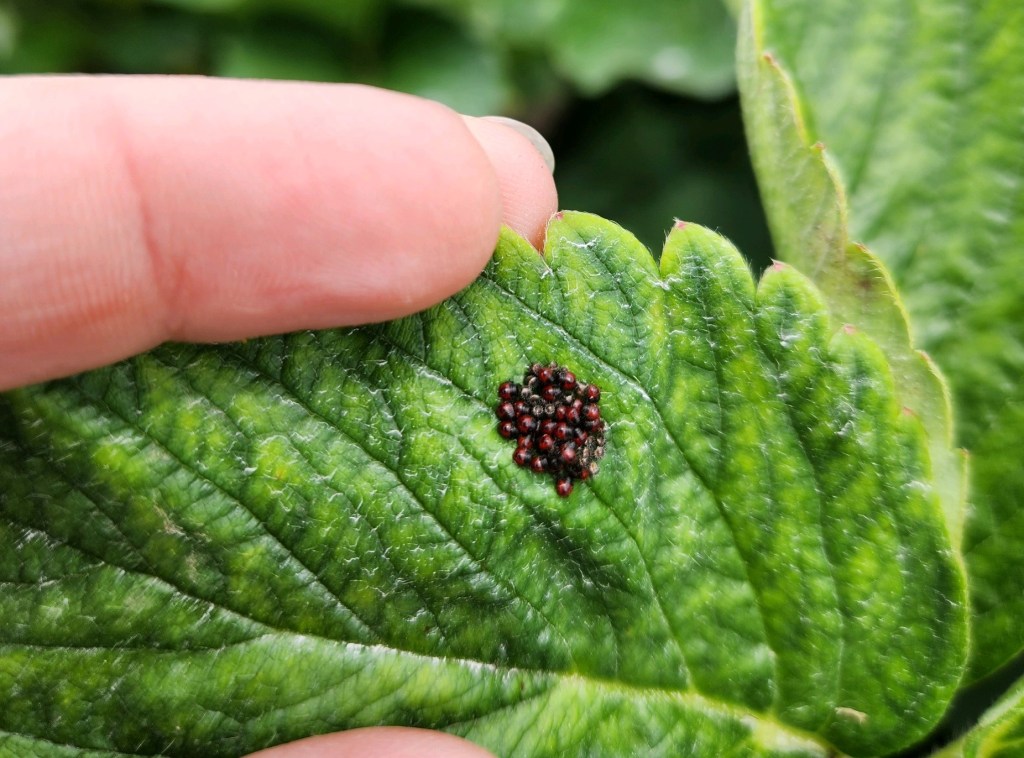
This week, the question was: What is happening on this strawberry leaf? These are the eggs and nymphs of a predatory stink bug called the spined soldier bug (Podisus maculiventris). These beneficial insects feed on over 100 pest species of insects and can be found in many crops. These were located in a strawberry field…
-
Watch for Late Blight in Tomatoes
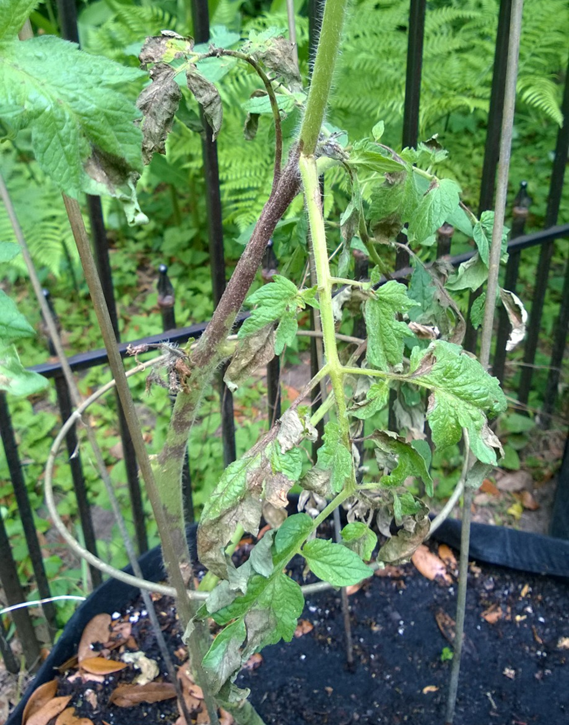
By Clemson plant pathologist Tony Keinath. The unusually cool weather in South Carolina the past two weeks and the rain from the tropical storm system over the Memorial Day weekend create favorable environmental conditions for late blight to develop on tomatoes that have not been sprayed with a fungicide in the past week. However, I’ve…
-
Weekly Field Update – 5/30/23
Registration is now open for the Coastal REC Field Day on 6/7/23. Come to see and hear updates on vegetable weed, disease, and insect research. Register here. Check out other upcoming meetings on the Upcoming Events tab, and don’t forget to look at our Resources tab for links to crop handbooks, helpful websites, and related…

