Author: Justin Ballew
-
Question of the Week – Virus
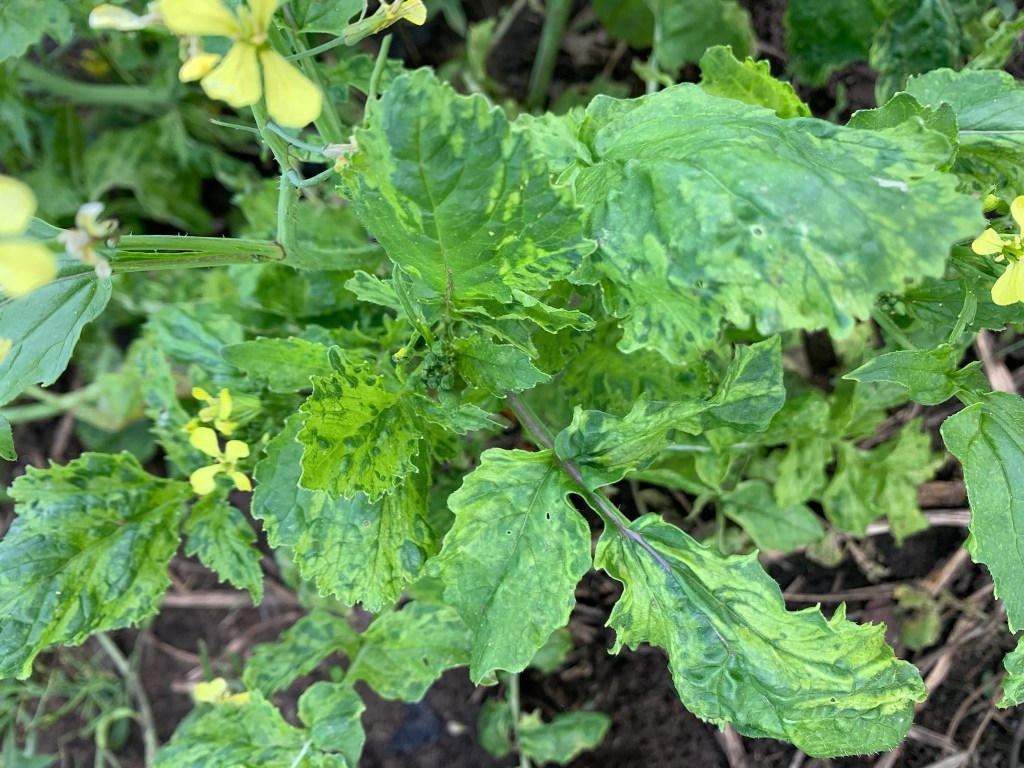
This week, the question was: What’s going on with this tie-dyed-looking wild mustard? This wild mustard is suffering from a virus. Numerous viruses affect plants in the brassica family and may be transmitted by aphids, flea beetles, cucumber beetles, or by seed. Viruses may cause a variety of symptoms including stunting, leaf distortion, mosaic patterns,…
-
Longtime Extension Agent Tony Melton Passes

After a hard-fought battle with illness, beloved, former Clemson Extension agent, Tony Melton, passed away Saturday (4/2/22). Though saddened by this great loss, those of us that had the privilege of working with “Uncle Tony” will always be comforted by stories and memories of his servant’s heart, infectious laugh, and hollow leg (“I eat one…
-
Weekly Field Update – 4/4/22

Coming up this week is the next webinar in the Farm Safety for Women Series on Wednesday, 4/6 at 1 pm. Sign up here. Be sure to scroll all the way to the bottom to see this week’s Question of the Week and check back on Thursday for the answer! Coastal Region Zack Snipes reports,…
-
Question of the Week – Cold Damage
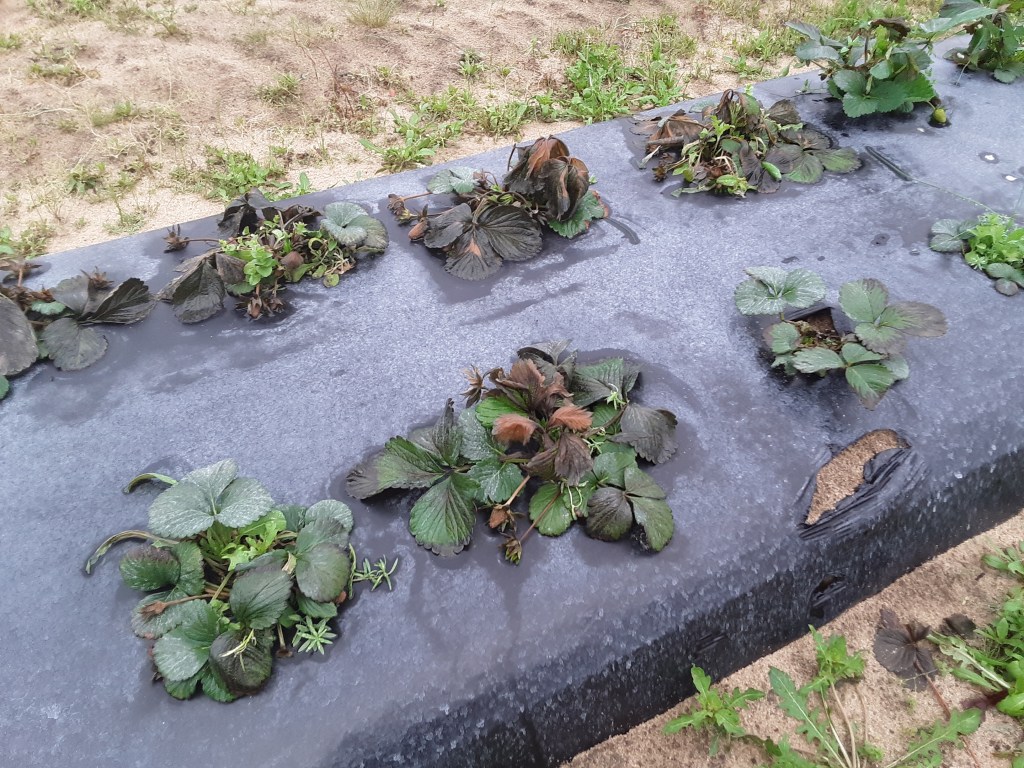
This week, the question was: What happened to these strawberry plants? This photo was taken just a couple days after the cold a few weeks ago. Weather stations near this field recorded a low of 22 degrees. These few plants were at the end of a row where the wind blew off the row cover.…
-
Fungicides to Manage Cercospora Leaf Spot on Beet
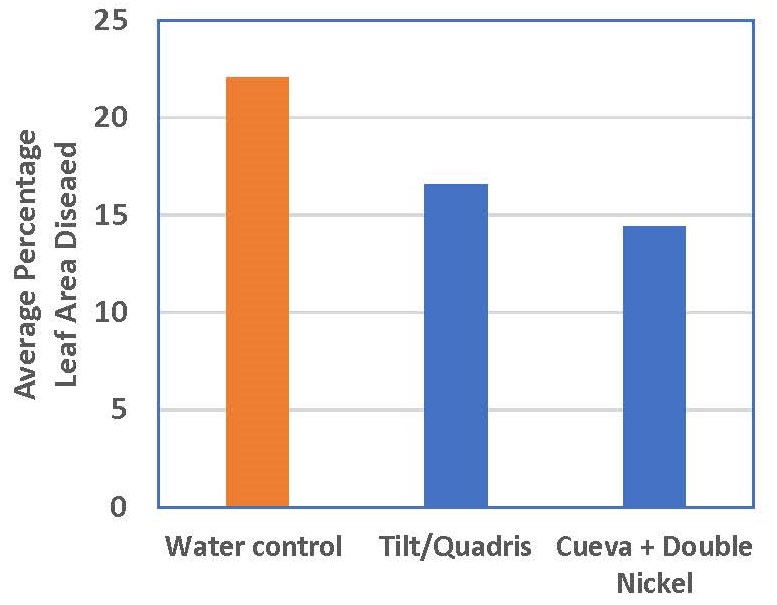
From Clemson Plant Pathologist Tony Keinath. Cercospora leaf spot is the most damaging disease on beet greens and bunched beets. This disease is one of the few diseases I have worked with that can be managed equally well by conventional and organic fungicides. Based on previous research in New York with processing beets, I tested…
-
Weekly Field Update – 3/28/22

The University of Georgia’s food safety team is conducting a survey to assess food safety risks posed by wild birds. Please take the survey here for a chance to win one of two $50 gift cards. Be sure to scroll all the way to the bottom to see this week’s Question of the Week and…
-
Question of the Week – Lady Beetle Pupa
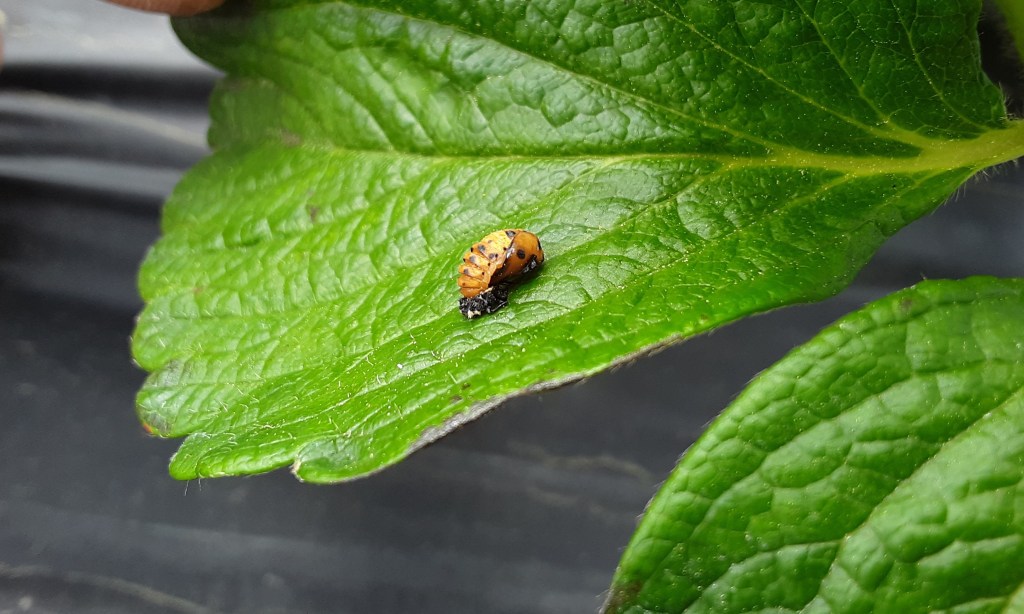
This week, the question was: What is this odd-looking critter on this strawberry leaf? This is a lady beetle pupa. A few weeks ago, in our question of the week, we saw lady beetle eggs. Since then, the eggs have hatched, the larvae have grown, and are now ready to become adults. The pupal stage…
-
Weekly Field Update – 3/21/22
The University of Georgia’s food safety team is conducting a survey to assess food safety risks posed by wild birds. Please take the survey here for a chance to win one of two $50 gift cards. Be sure to scroll all the way to the bottom to see this week’s Question of the Week and…
-
Question of the Week – Cedar-Apple Rust
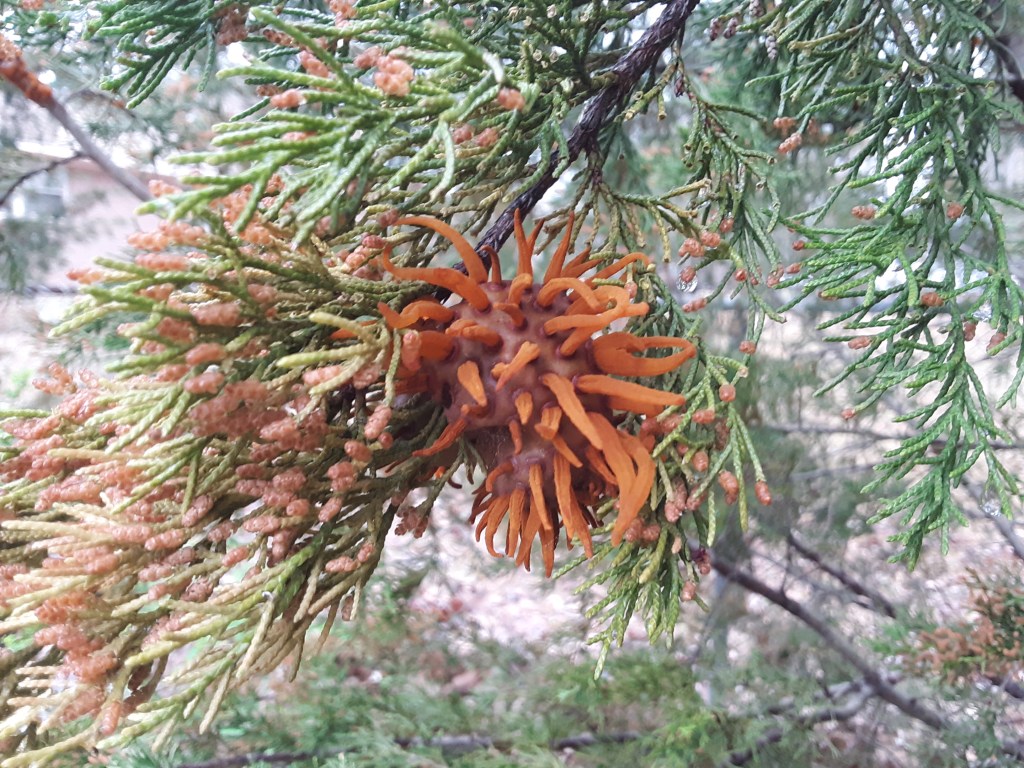
This week, the question was: What is growing on the branch of this cedar tree? This is a cedar-apple rust gall. These galls have been showing up in cedar trees over the last couple of weeks as the weather has been warm and rainy at times. Cedar-apple rust is caused by a type of fungus…
-
Weekly Field Update – 3/14/22
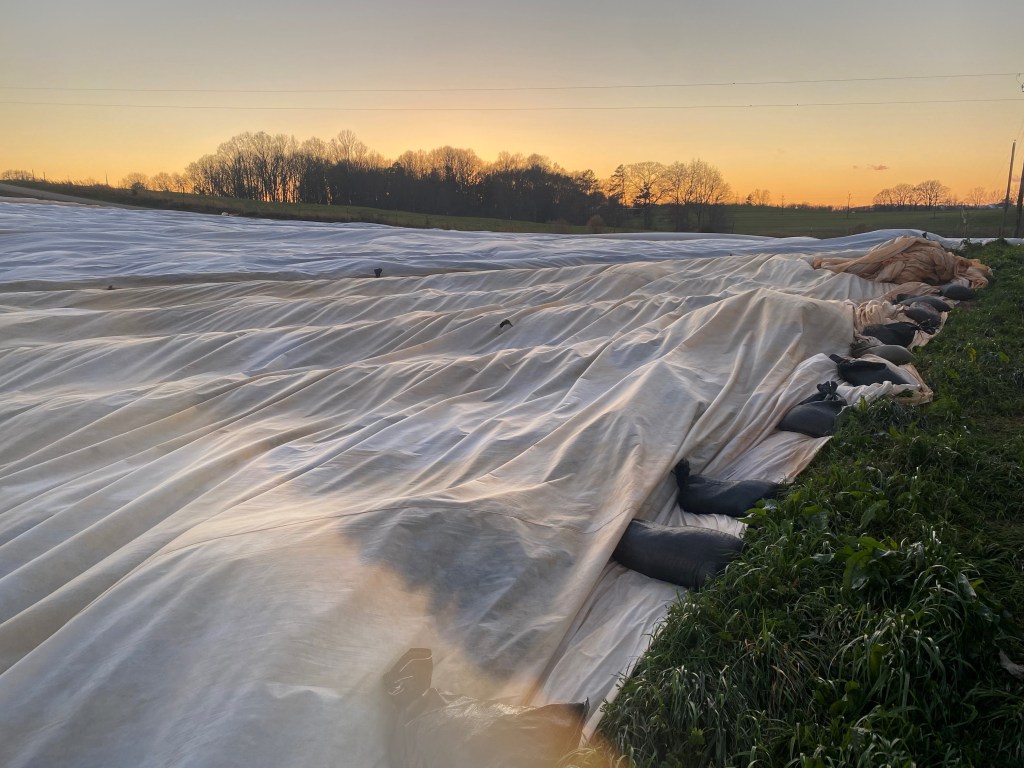
Coming up this week is the Farm Safety Day for Women on 3/18. Don’t forget to check out the rest of our lineup of winter/spring meetings here. Be sure to scroll all the way to the bottom to see this week’s Question of the Week and check back on Thursday for the answer! Statewide Dr.…
 The South Carolina Grower