Category: Disease
-
White Mold is Active so Spray Now
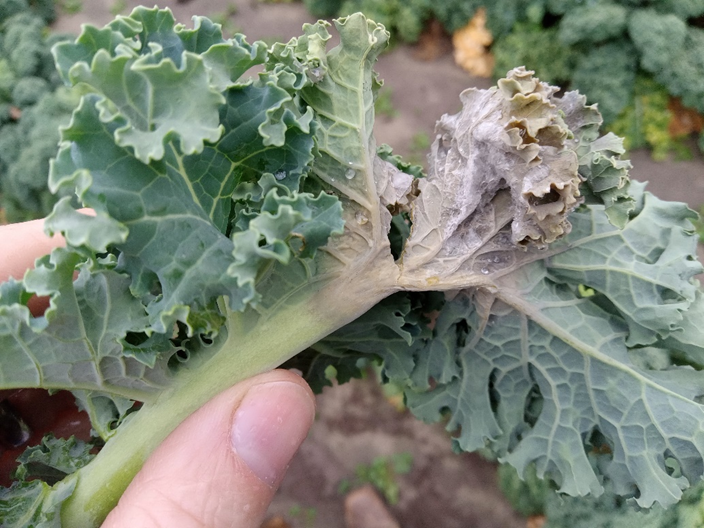
From Clemson Plant Pathologist Tony Keinath and Extension Associate Justin Ballew The freezing weather the week of January 21, 2025, was just what the Sclerotinia white mold fungus was waiting for. While cold temperatures discourage most animals from being active, freezing temperatures trigger Sclerotinia sclerotia (the survival structures in soil) to germinate, produce tiny mushrooms,…
-
And So It Begins…Neopest is Starting to Show Up.
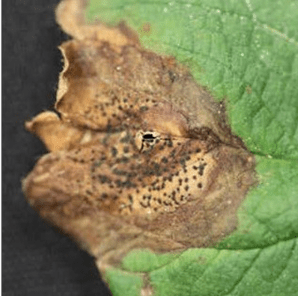
By Guido Schnabel It is early October 2024 and as feared and expected, we are starting to see Neopestalotiopsis symptoms in strawberry fields. The leaf in Fig. 1 (left) displays leaf necrosis and was collected from a South Carolina farm October 4, 2024. Necrosis on leaves can be caused by many things, but if you…
-
Efficacy Trials with Biofungicide Howler EVO against Strawberry Diseases
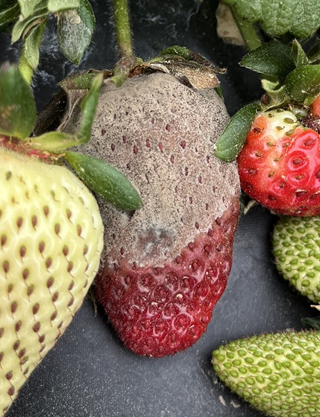
By Guido Schnabel, Jeffrey A. Hopkins, and Johanna Wesche Recently, the article Fungus-Based Biological Control Agents: How Useful Are They for Strawberry Disease Management? was published. The article reported our first experience with yeast-based biological control agents (BCA) against Botrytis fruit rot (BFR) and Anthracnose fruit rot (AFR) of strawberry. The trials were conducted at the…
-
Recommendations for Fall Treatments in Strawberry Crops with Known Presence of Neopest

Guido Schnabel, Clemson University; Phil Brannen, University of Georgia; and Bill Cline, North Carolina State University Whether or not Neopestalotiopsis will substantially harm your strawberries this season depends on many things, including the cultivar, sanitation practices, initial inoculum levels, weather conditions, the fungicides you apply, and application timing. This article focuses on chemical management options…
-
Downy Mildew Found on Cucumber and Squash in Charleston
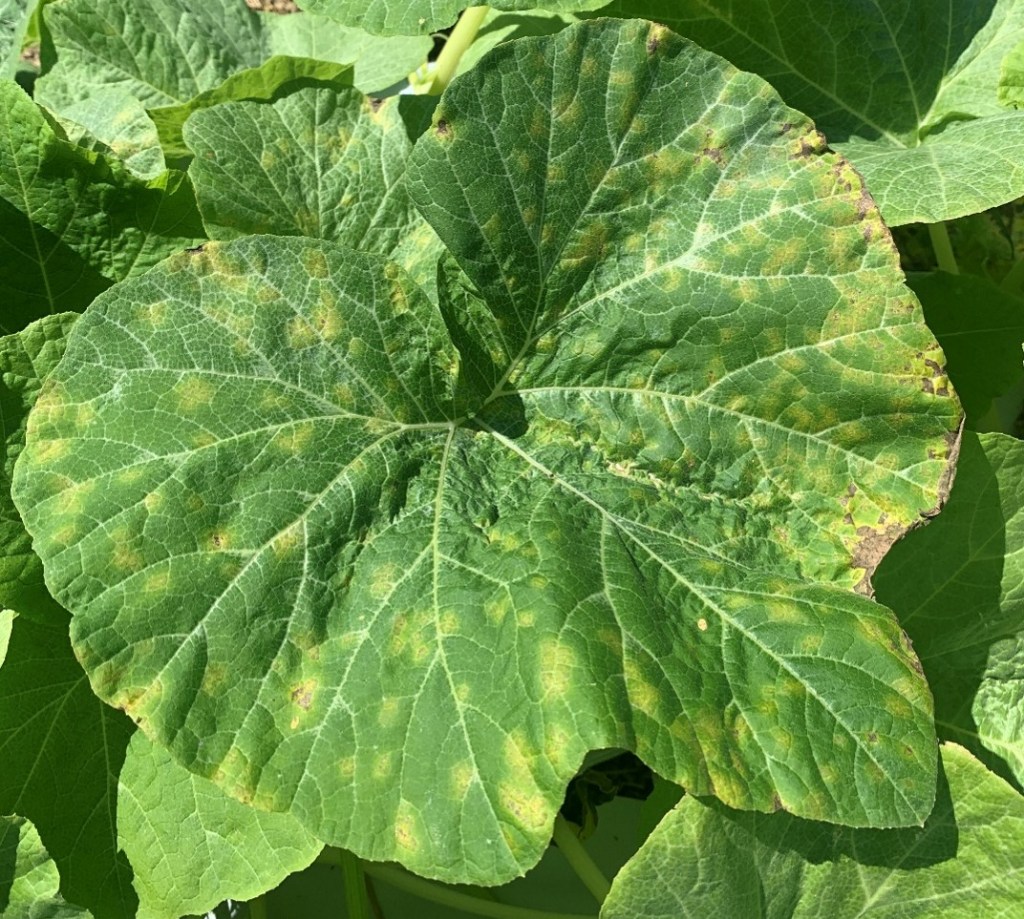
By Clemson Plant Pathologist Dr. Anthony Keinath Similar to 2023, cucurbit downy mildew was found at Coastal REC in mid-September, last Friday the 13th, on cucumber and butternut squash transplanted August 15. Interestingly, cucumbers transplanted about 2 weeks ago didn’t have downy mildew…yet. Symptoms on both cucumber and squash means that both strains of cucurbit downy…
-
Fungus-Based Biological Control Agents: How Useful Are They for Strawberry Disease Management?
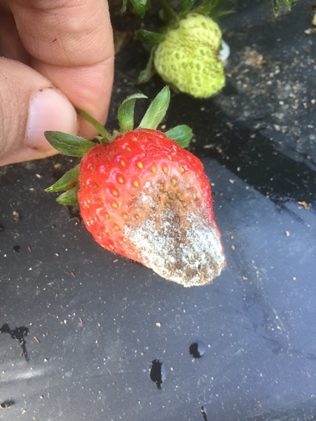
From Guido Schnabel, Jeffrey A. Hopkins, Jim Faust, and William Gura Biological control agents (BCAs) are being promoted for disease management in fruits, nuts, and vegetables but very little data is available about their efficacy especially when it comes to preharvest field performance. The Schnabel lab has investigated yeast-like fungi and true yeast BCAs, namely…
-
Weekly Field Update – 8/26/24
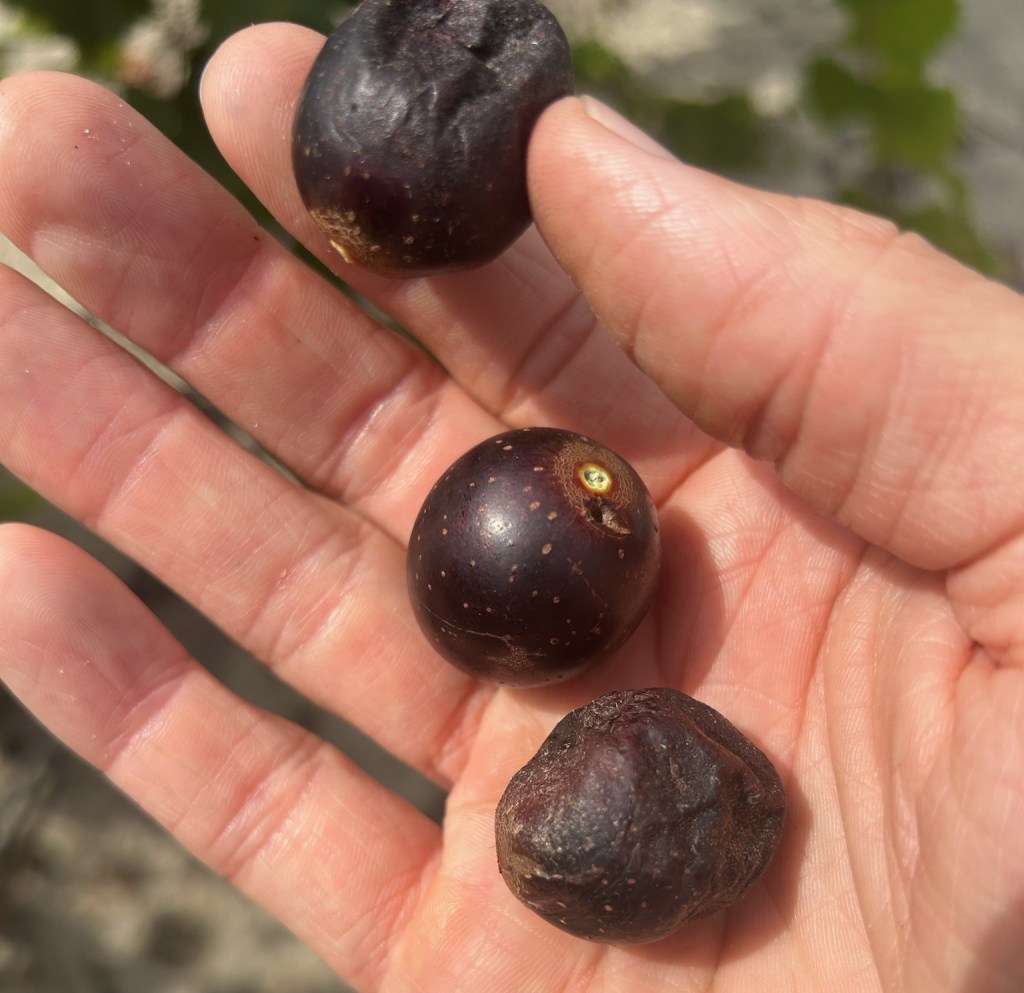
Strawberry growers are scrambling to find disease-free plants. Late-season disease and insect pressure is picking up and muscadines and other fall crops are nearing harvest. See details below. Researchers from universities across the Southeast are seeking to expand the number of crops on the MyIPM app for Vegetables. In order to do this, feedback is…
-
Weekly Field Update – 8/19/24
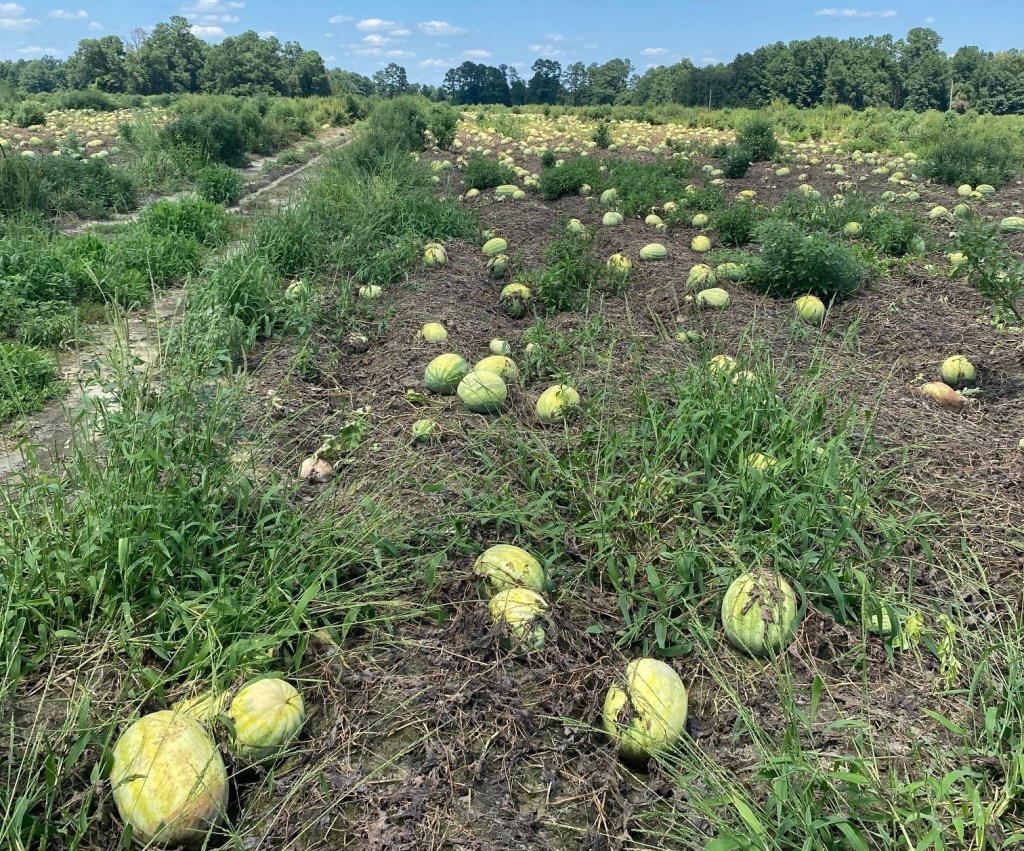
The Coastal and Pee Dee regions have been drying out from Tropical Storm Debby. Fall crops are being planted in many areas. Peach harvest is coming to a close and muscadine harvest will begin soon. Disease pressure has really kicked up. See details below. Growers may continue document any crop or infrastructure impacts from Tropical…
-
Fruit Rots on Pumpkins, Gourds, and Winter Squashes

From Clemson Plant Pathologist Tony Keinath As part of a new grant on cucurbit anthracnose with the University of Georgia, we sampled 68 pumpkins, gourds, and winter squash from “cull piles” at 7 pumpkin patches and small farms in South Carolina in October, November, and December 2023. Two-thirds of the 10 types of cucurbits sampled…
-
Stem Rot on Transplanted Tomato in March 2024
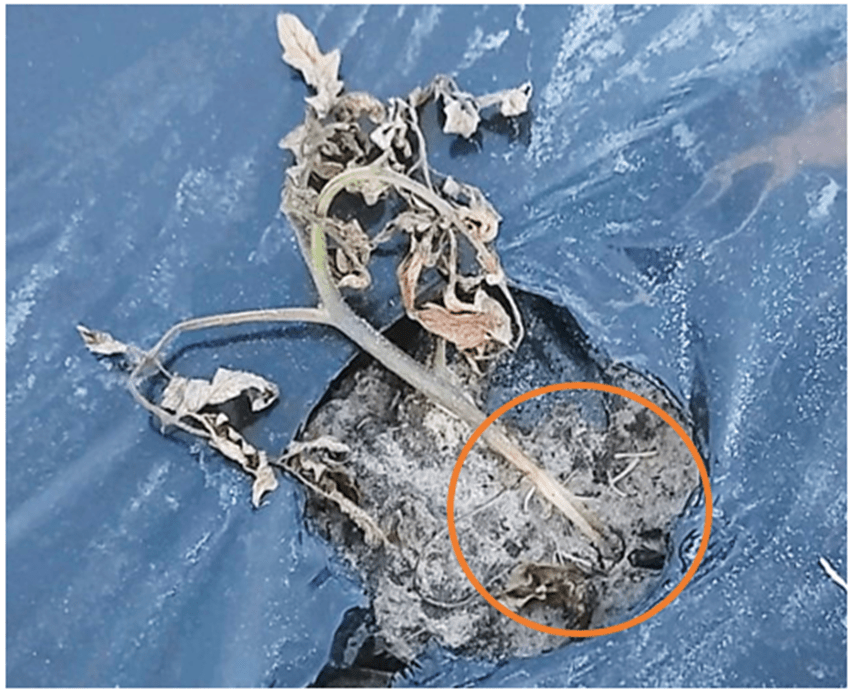
From Clemson Plant Pathologist Tony Keinath and Food Crops Agent Zack Snipes “Stem and root rot” is the term used to describe a disease on recently transplanted vegetable crops, like tomato, pepper, watermelon, cantaloupe, and cucumber. Tomato transplants with stem rot were observed last week along the coast of South Carolina. A proper diagnosis of…
 The South Carolina Grower