Category: Disease
-
Fungicides to Manage Cercospora Leaf Spot on Beet
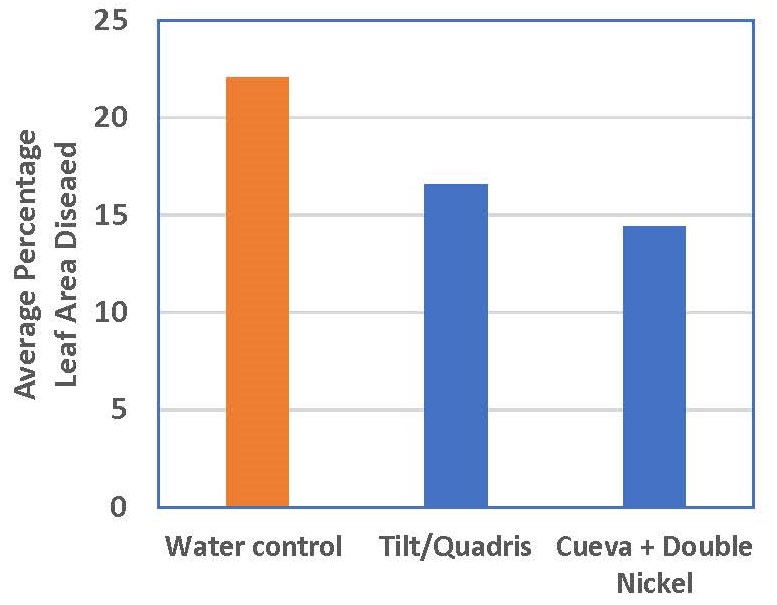
From Clemson Plant Pathologist Tony Keinath. Cercospora leaf spot is the most damaging disease on beet greens and bunched beets. This disease is one of the few diseases I have worked with that can be managed equally well by conventional and organic fungicides. Based on previous research in New York with processing beets, I tested…
-
Beet Cultivars Tolerant to Cercospora Leaf Spot
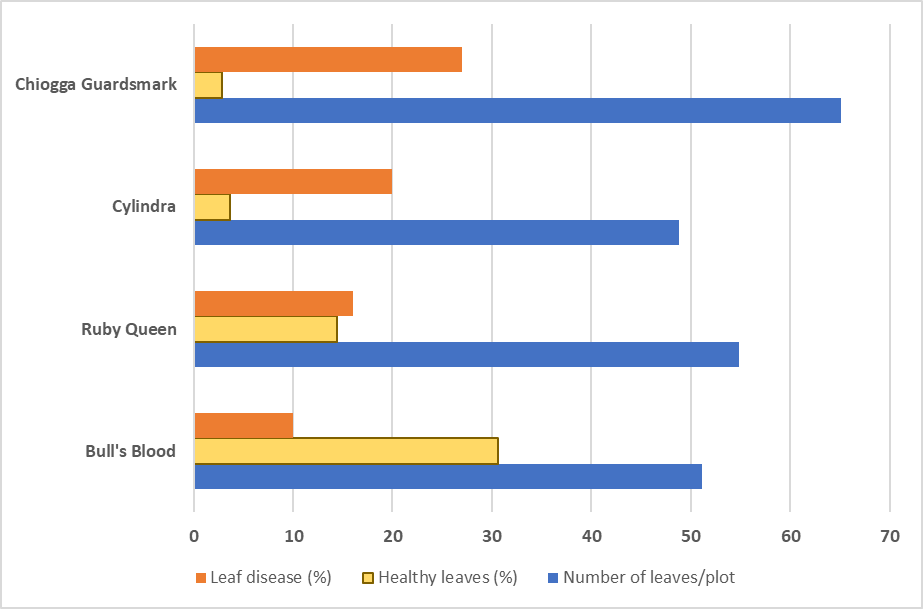
From Clemson Plant Pathologist Tony Keinath. Once beets emerge from the ground, the biggest challenge South Carolina growers face is keeping the leaves free of Cercospora leaf spot. This disease is a problem wherever beets are grown for greens or bunching (roots sold with tops attached). Cercospora leaf spot does not affect the weight or…
-
Planting Cucumbers Early Avoids Downy Mildew and Increases Yield without Fungicides
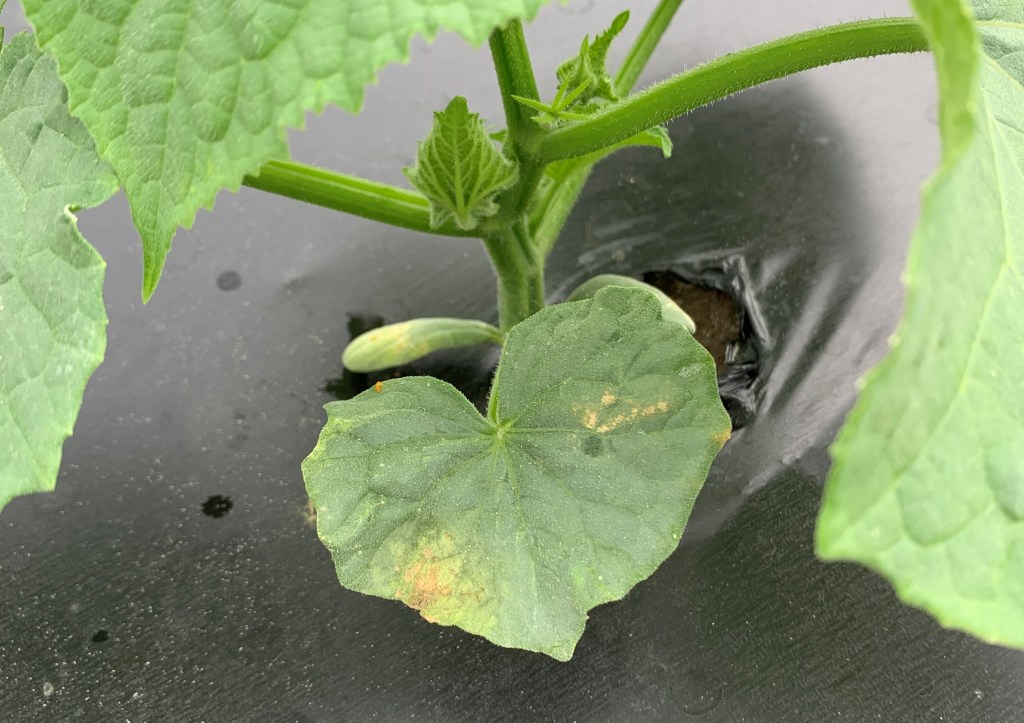
From Clemson Plant Pathologist Tony Keinath Growers who have flexibility in deciding when to plant cucumbers should plant them within 1 month of the earliest recommended planting date for their region. Planting dates for commercial growers are in the Southeast Vegetable Crop Handbook (Pg 75). Planting dates for home gardeners are in fact sheet HGIC…
-
Grafting Reduces Southern Blight on Tomato by 83%
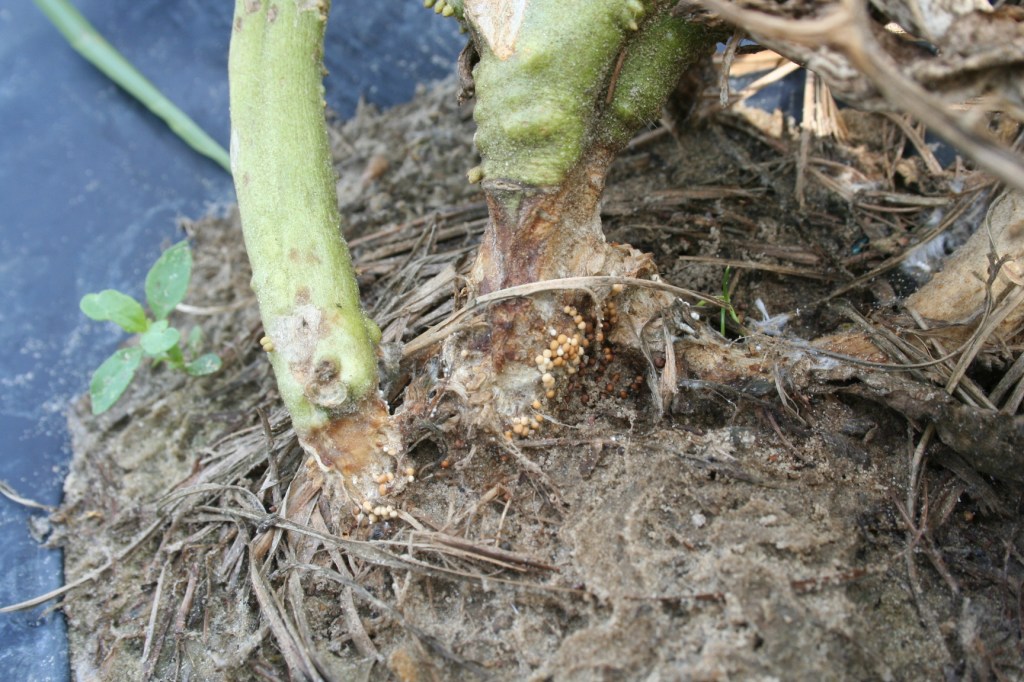
From Clemson Plant Pathologist Tony Keinath. Southern blight has become more common on tomatoes grown without fumigation throughout the southern United States. A joint project between the University of Georgia and Clemson University looked at grafting as a management option. In the 2021 trial in Charleston, SC, grafting reduced the percentage of diseased plants from…
-
Timely Diagnosis
From Clemson Plant Pathologist Tony Keinath. Plants are a rich source of food for microorganisms—for aggressive plant pathogens, for weak pathogens, and for common saprophytes (the 90% of microorganisms that feed only on dead plant parts). Once a pathogen kills parts of leaves or side roots and we see dark brown spots, things change. The…
-
Fog and Downy Mildew on Collards
From Clemson Plant Pathologist Tony Keinath. Foggy fall mornings are nature’s warning that conditions are favorable for brassica downy mildew to get started on collard and kale. Remember that because downy mildew affects the harvested, edible portion of the crop, control practices must be very effective to increase yields. Use the following practices to maximize…
-
Not Planting to Manage Phytophthora Blight by Reducing Disease Risk
From Clemson Plant Pathologist Anthony Keinath and Clemson Agricultural Economist Felipe Silva. After an absence of several years, Phytophthora blight reappeared in South Carolina in July 2021 on three farms. As expected, the outbreaks were on two of the three most susceptible vegetable crops: 2 cases on pepper and 1 case on pumpkin. (Summer squash…
-
Accidentally Infesting Fields by Moving Soil on Equipment or How to Exclude Soil Pathogens from Fields
From Clemson Plant Pathologist Tony Keinath. Most growers probably have heard that it’s possible to infest a “clean” (pathogen-free) field by moving soil on equipment. The question is how much infested soil is too much. The answer depends on the pathogen and where the soil is deposited. Some pathogens are present in soil at very…
-
Preparing for Gummy Stem Blight in Fall Cucurbit Crops
From Clemson Plant Pathologist Tony Keinath. Gummy stem blight is more common and more severe on fall cucurbit crops than crops grown in the spring. The cooler weather and longer dew periods in the fall provide an ideal environment for the fungal pathogen to grow and spread. Gummy stem blight is most common on watermelon…
-
What is NOT Proper Crop Rotation
From Clemson Plant Pathologist Tony Keinath. There seems to be some confusion about what is a proper crop rotation to manage diseases caused both by pathogens that survive a few years in soil and pathogens that survive in soil longer than anyone can measure. Here are some rotations I have heard about that are not…
 The South Carolina Grower