Tag: disease management
-
Cercospora Leaf Spot on Okra Looks Different than Other Cercospora Leaf Spots

From Clemson Plant Pathologist Tony Keinath and USDA Plant Pathologist Gabriel Rennberger. August is the time of the year when Cercospora leaf spot appears on okra. This Cercospora leaf spot doesn’t look like Cercospora leaf spots on other crops, such as beet. Most of the disease is on the leaf underside. On the top of…
-
Anthracnose Identified on Lima Bean in the Pee Dee Region of South Carolina
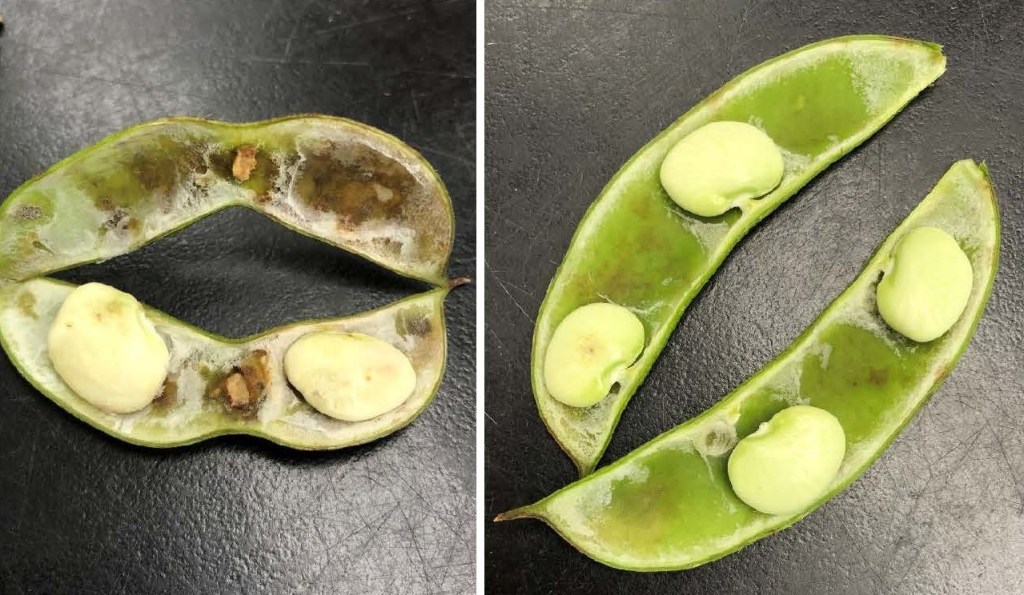
From Clemson Plant Pathologist Tony Keinath, Clemson Plant Breeder Jenna Hershberger, and Clemson Extension Agent Bruce McLean. Anthracnose on lima bean has been reported from the PeeDee area. Reddish brown blotches are found on leaves and pods. The disease appeared after a week of rain and, after another week of rain, quickly spread through the…
-
Choanephora Blight Found on Green Bean in Charleston
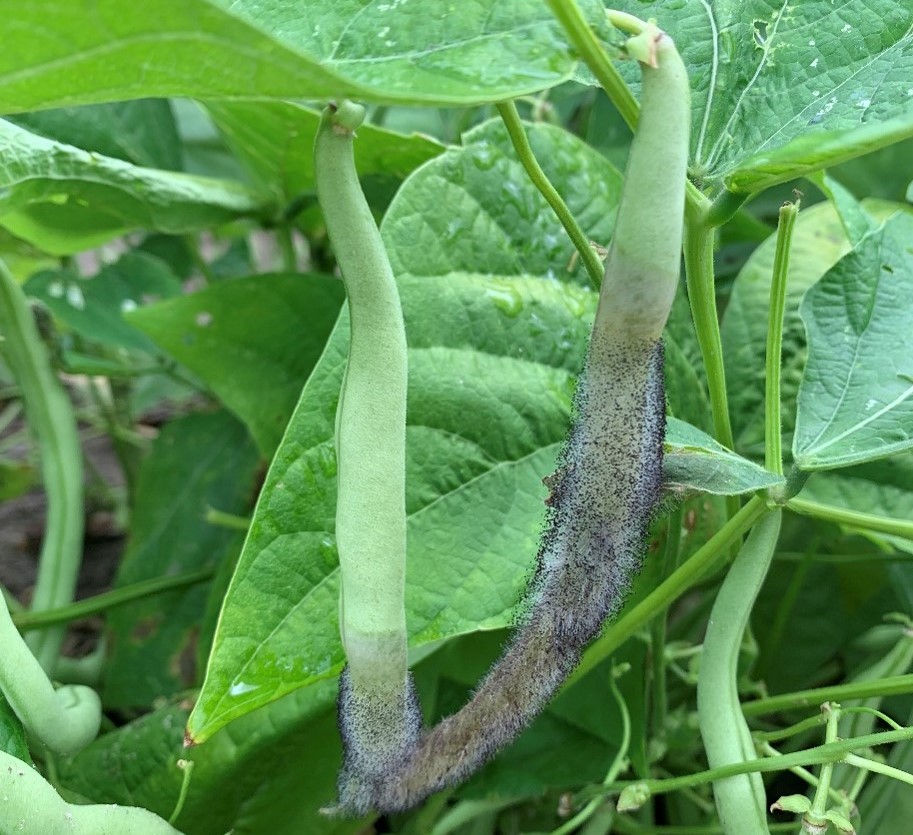
From Clemson Plant Pathologist Tony Keinath, Clemson Plant Breeder Sandra Branham, and Clemson Graduate Student Morgan Stone. Due to frequent rains, cloudy weather, and high humidity, Choanephora blight or wet rot was found throughout a one-acre planting of green bean cultivars and breeding lines at Coastal REC last week. Growers and home gardeners may see…
-
It’s Time to Spray Asparagus for Purple Spot

From Clemson Plant Pathologist Tony Keinath. Last October, purple spot was found on asparagus ferns in South Carolina. Information about the disease can be found in this excellent fact sheet from Oklahoma State. Because of the 6-month pre-harvest interval for fungicides sprayed on asparagus, it’s time for asparagus growers to scout their fields or make…
-
Biopesticides (Seem to) Perform Poorly Against Black Spot on Kale
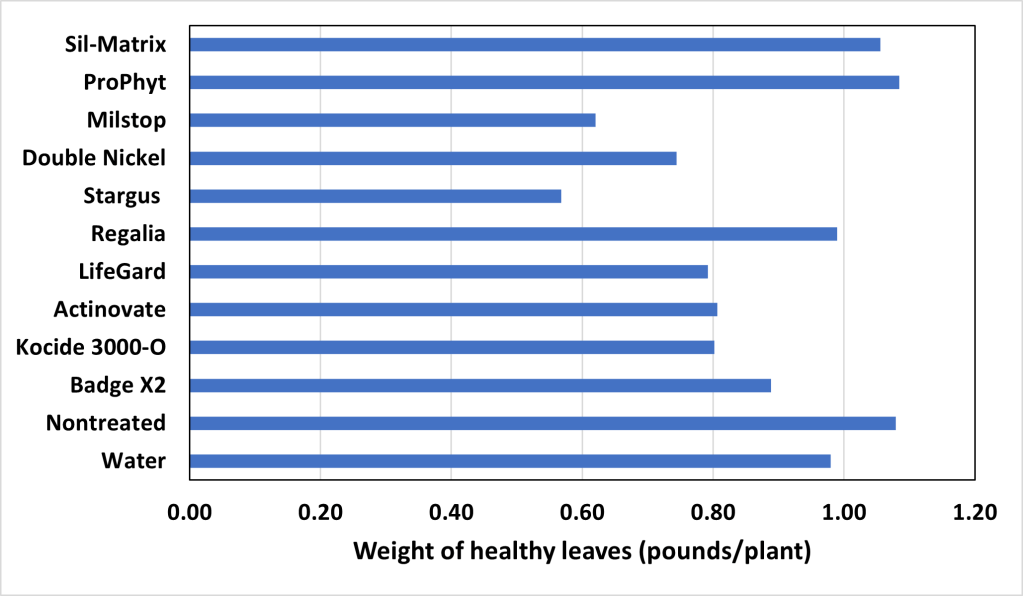
From Clemson Plant Pathologist Tony Keinath. As part of a USDA Organic Transitions Program grant, we tested 10 biopesticides on organic kale ‘Oldenbor’ to see if any product controlled Alternaria leaf spot, a.k.a. black spot. Unfortunately, none look promising as no biopesticides reduced black spot compared to the nontreated control based on repeated greenhouse trials…
-
Charcoal Rot Showing Up in Cantaloupe

From Clemson Extension Agent Rob Last and Plant Pathologist Tony Keinath. Charcoal rot was identified in a cantaloupe crop in South Carolina this week. The fungus responsible for the disease is Macrophomina phaseolina, a soil-borne fungus that survives as microsclerotia. The fungus affects more than 800 host plants. These range from corn and soybean to…
-
Resistance to Tebuconazole is Widespread in the Gummy Stem Blight Fungus in South Carolina

From Clemson Plant Pathologist Tony Keinath. Cucurbit growers should reduce the use of tebuconazole to manage gummy stem blight as the pathogenic fungus has become moderately resistant to this very commonly used fungicide. Seven watermelon fields were sampled in 2019 (six fields) and 2021 (one field) in Beaufort, Bamberg, Barnwell, and Hampton counties. Of 229…
-
Managing Southern Blight on Tomato and Pepper After Detection

From Clemson Plant Pathologist Tony Keinath. As reported in the June 6 edition of SC Grower, southern blight is showing up in crops of tomato and pepper. At this late date in the growing season, the best fungicide option for conventional growers is Priaxor, two applications made 2 weeks apart at a cost of $34…
-
Field Testing for Bacterial Wilt

Bacterial wilt and Southern blight have been showing up in SC over the last couple weeks. While both diseases cause indistinguishable wilting in the infected plant, it is important to determine which disease is present in order to appropriately manage it. The test shown below is a quick field test that will help distinguish between…
-
Managing Phytophthora Blight on Pepper

From Clemson Plant Pathologist Tony Keinath and Extension Agent Andy Rollins. After 3.28 inches of rain in the Upstate from May 23 to 26, symptoms of Phytophthora blight showed up in one or more fields of pepper and tomato after June 1. The heavy downpour and the volume of rain saturated the soil, providing the…
 The South Carolina Grower