Tag: Insects
-
Weekly Field Update – 10/7/24
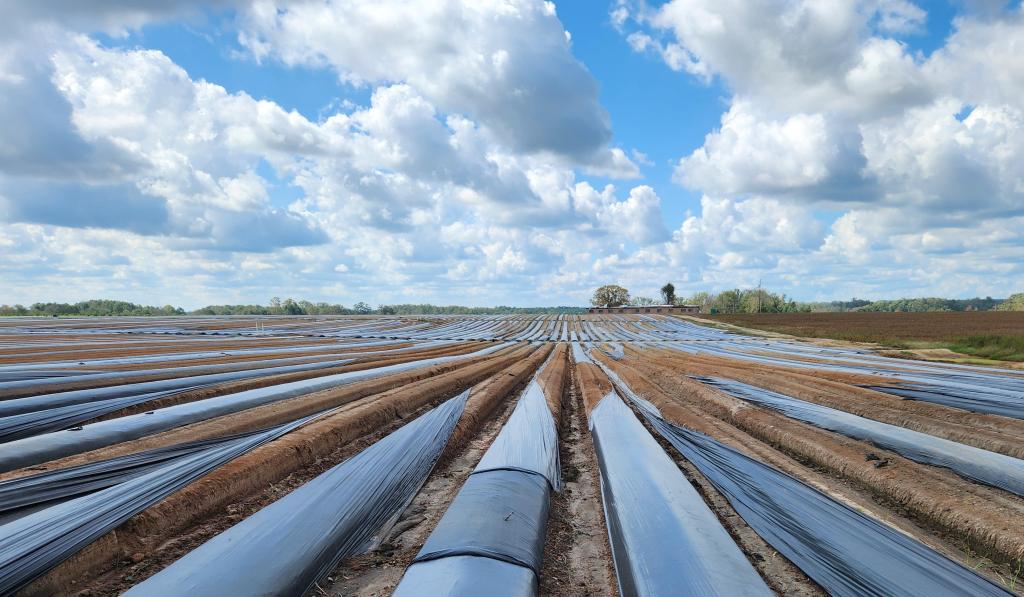
Parts of the state continue to clean up damage from Hurricane Helene. Apples are being harvested in the Upstate and strawberry planting is just beginning. Disease is becoming more prevalent from the recent rain and heavy winds. See details below. Check out the 2024 SC and GA Strawberry Production Webinar for some timely tips for…
-
Weekly Field Update – 9/30/24
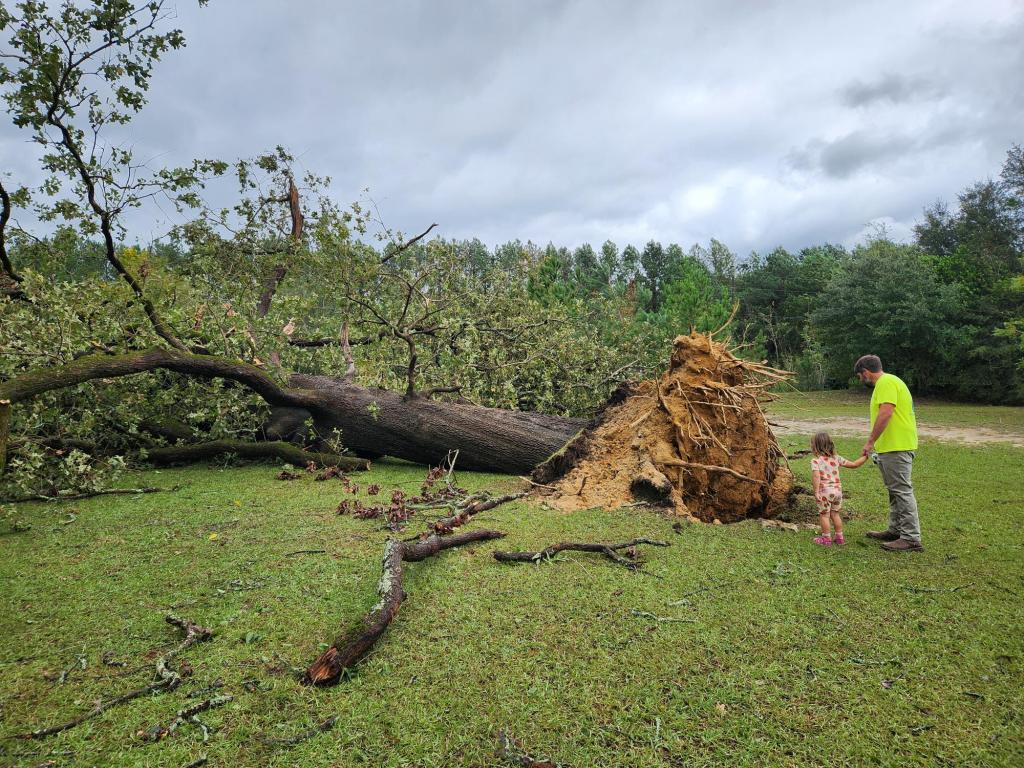
Hurricane Helene cast tropical storm forced winds over most of South Carolina Friday as she tore through Florida and Georgia. The western part of the state took the brunt of the damage and large areas there remain without power as of this morning (9/30). Rivers also continue to rise as floodwaters from western North Carolina…
-
Weekly Field Update – 9/23/24

While the Pee Dee received some rain last week, other parts of the state remain dry. Insect pressure is creeping up, as is disease pressure. The recent cooler weather has fall crops looking great. See details below. Check out the 2024 SC and GA Strawberry Production Webinar for some timely tips for the upcoming strawberry…
-
Weekly Field Update – 9/16/24

The Pee Dee region is expecting rain from a potential tropical weather system this week. Fall crops are growing well with fairly low disease pressure. Caterpillar populations are climbing in places. See below for more details. Check out the 2024 SC and GA Strawberry Production Webinar for some timely tips for the upcoming strawberry season.…
-
Weekly Field Update – 9/9/24

Conditions are quite dry across the state. Growers continue to prep strawberry fields and muscadines are coming into harvest. Insect isssues persist and viruses are common in cucurbits this season. See details below. Check out the 2024 SC and GA Strawberry Production Webinar for some timely tips for the upcoming strawberry season. The webinar is…
-
Weekly Field Update – 9/3/24
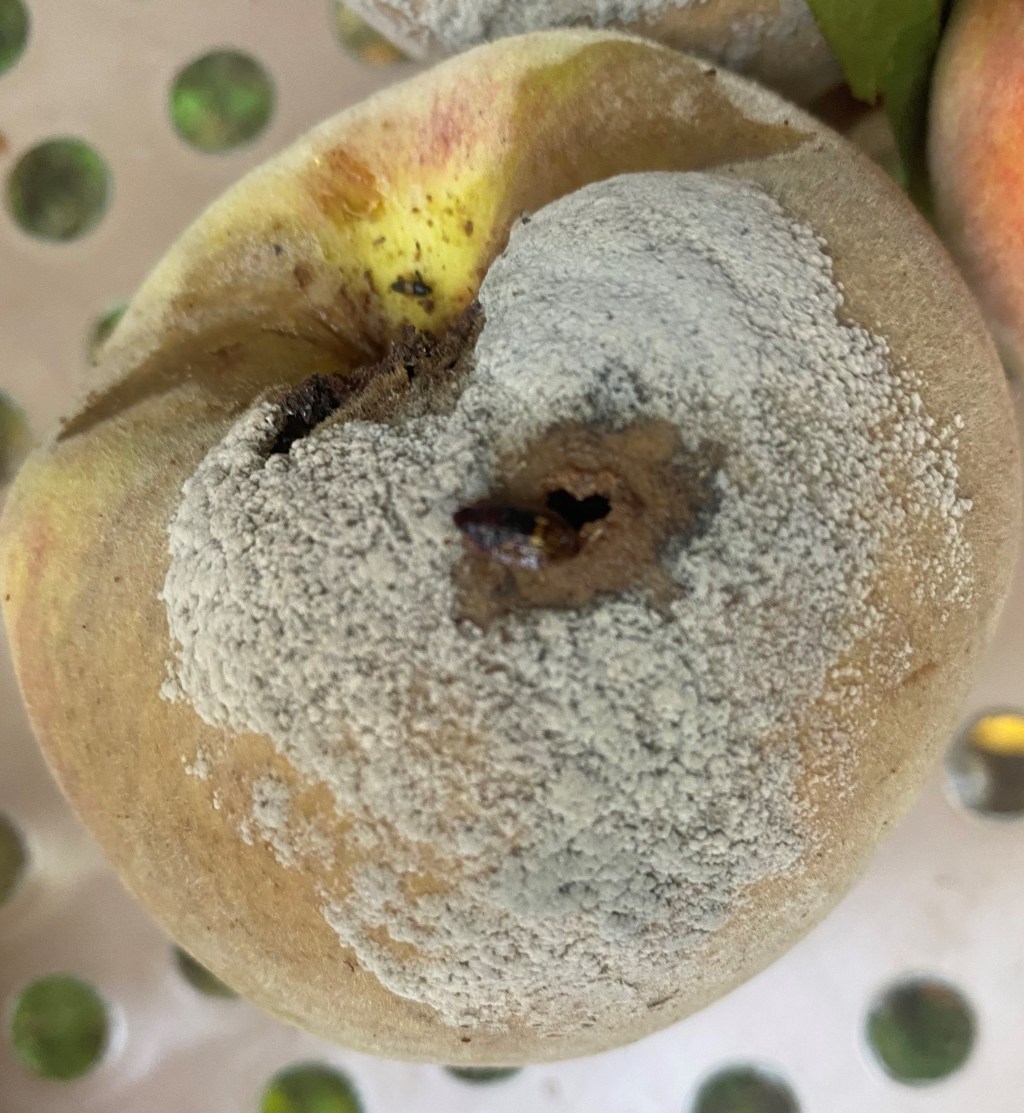
The weather has turned dry over much of the state. Muscadines are coming to harvest as planting begins for some fall crops. Strawberry growers are still scrambling to make arrangements for the rapidly approaching planting season. See details below. Keep an eye on the Upcoming Events tab periodically so you don’t miss anything. Also, check…
-
Weekly Field Update – 8/26/24
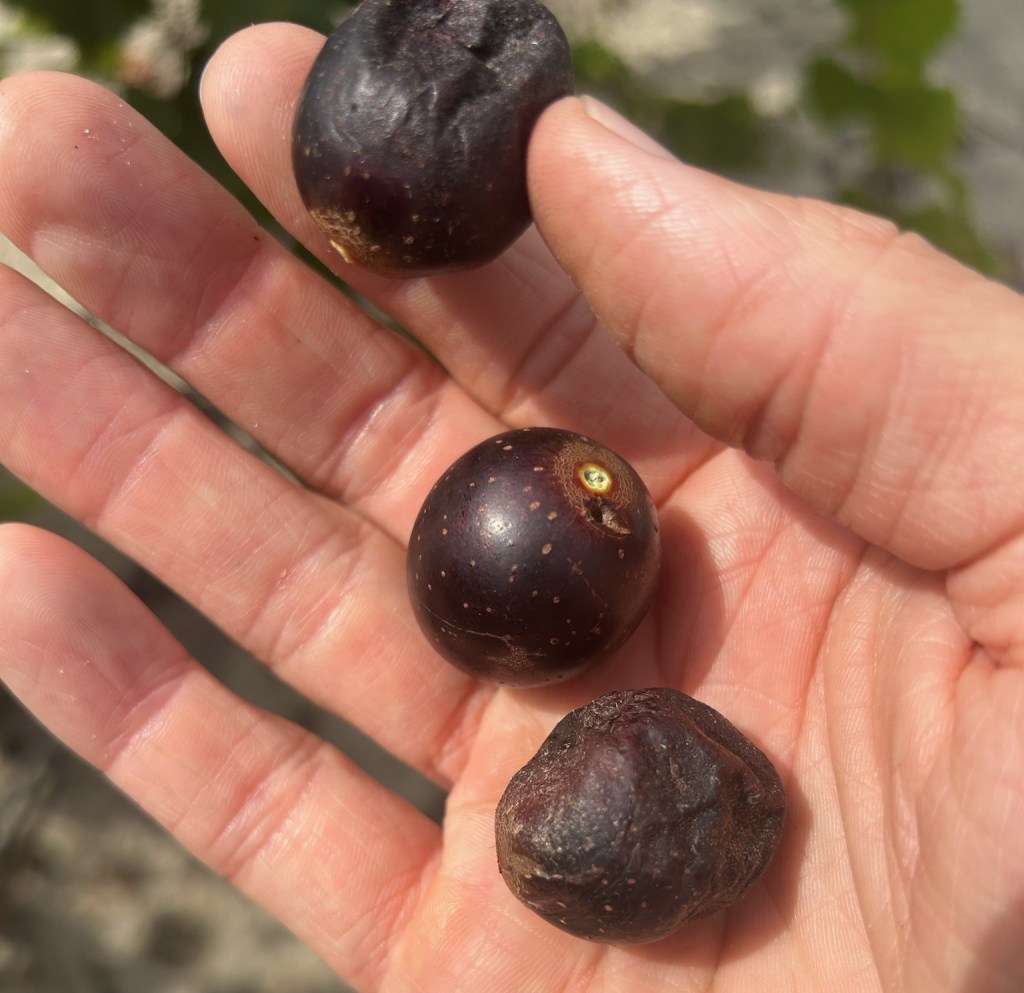
Strawberry growers are scrambling to find disease-free plants. Late-season disease and insect pressure is picking up and muscadines and other fall crops are nearing harvest. See details below. Researchers from universities across the Southeast are seeking to expand the number of crops on the MyIPM app for Vegetables. In order to do this, feedback is…
-
Weekly Field Update – 8/19/24
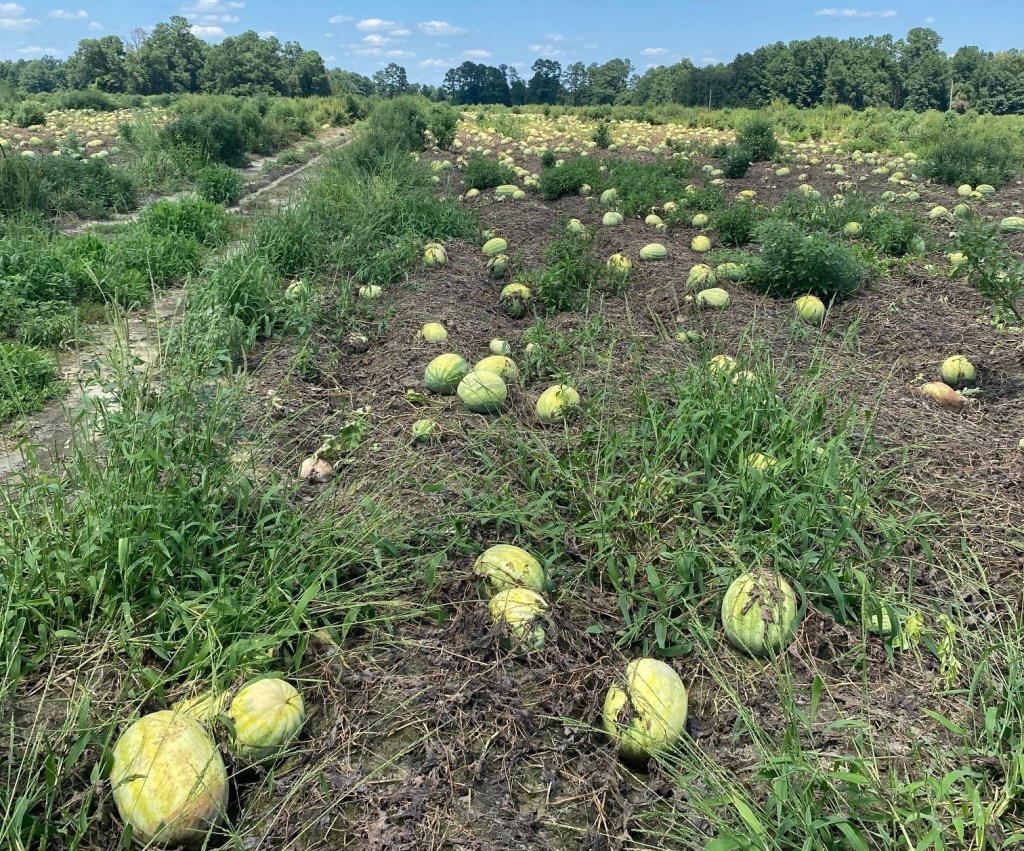
The Coastal and Pee Dee regions have been drying out from Tropical Storm Debby. Fall crops are being planted in many areas. Peach harvest is coming to a close and muscadine harvest will begin soon. Disease pressure has really kicked up. See details below. Growers may continue document any crop or infrastructure impacts from Tropical…
-
Weekly Field Update – 8/12/24

The coastal region and Pee Dee saw lots of rain and flooding in places from Tropical Storm Debby last week. As field conditions improve this week, please document any crop or infrastructure impacts from the storm by using the ESF-17 form. The information collected will be used to estimate the statewide agricultural impact of TS…
-
Weekly Field Update – 8/5/24

We’re forecast to get lots of rain this week from Tropical Storm Debby. This comes as growers are finishing up summer crops and are making preparations for fall crops. See details below. Keep an eye on the Upcoming Events tab periodically so you don’t miss anything. Also, check out the latest episode of the SC…

