Author: Justin Ballew
-
Question of the Week – Pomelo
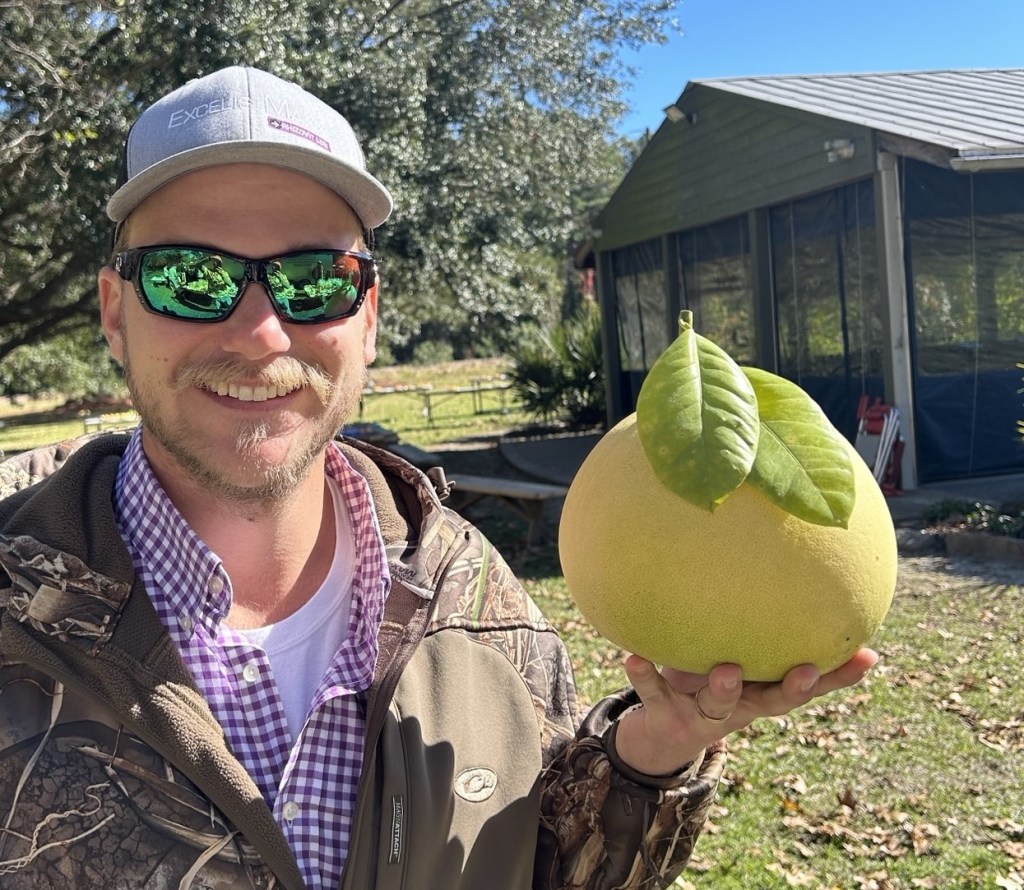
What is this giant fruit at the SE Citrus Expo? Our good friend, Blake Brown, is holding a pomelo (Citrus maxima), which is the largest cultivated type of citrus. At the 2024 Southeast Citrus Expo in Charleston last weekend, Madison Citrus Nursery brought hundreds of species of citrus for attendees to marvel over and taste…
-
Weekly Field Update – 11/25/24
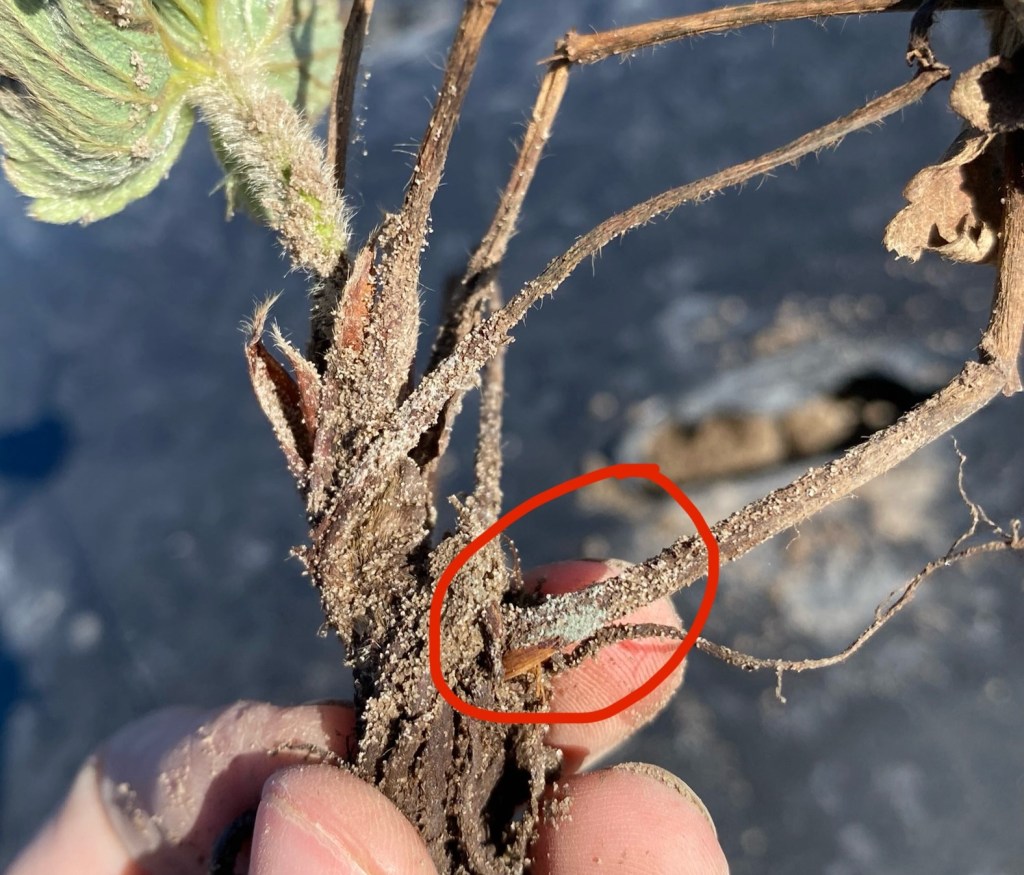
The weather has been favorable for fall crop development and greens grown for Thanksgiving are looking great. Some insect and disease issue persist, but have been manageable. Strawberries are variable going into the winter. See details below. Happy Thanksgiving! Keep an eye on the Upcoming Events tab periodically so you don’t miss anything. Also, check…
-
Question of the Week – Spined Soldier Bug

What is happening to this caterpillar? This caterpillar is being preyed on by a spined soldier bug(Podisus maculiventris). Spined soldier bugs are a beneficial species of stink bug. They are excellent predators of over 90 species of pest insects, including many common caterpillar and beetle pests. Spined soldier bugs can be identified by their pointed…
-
Weekly Field Update – 11/18/24
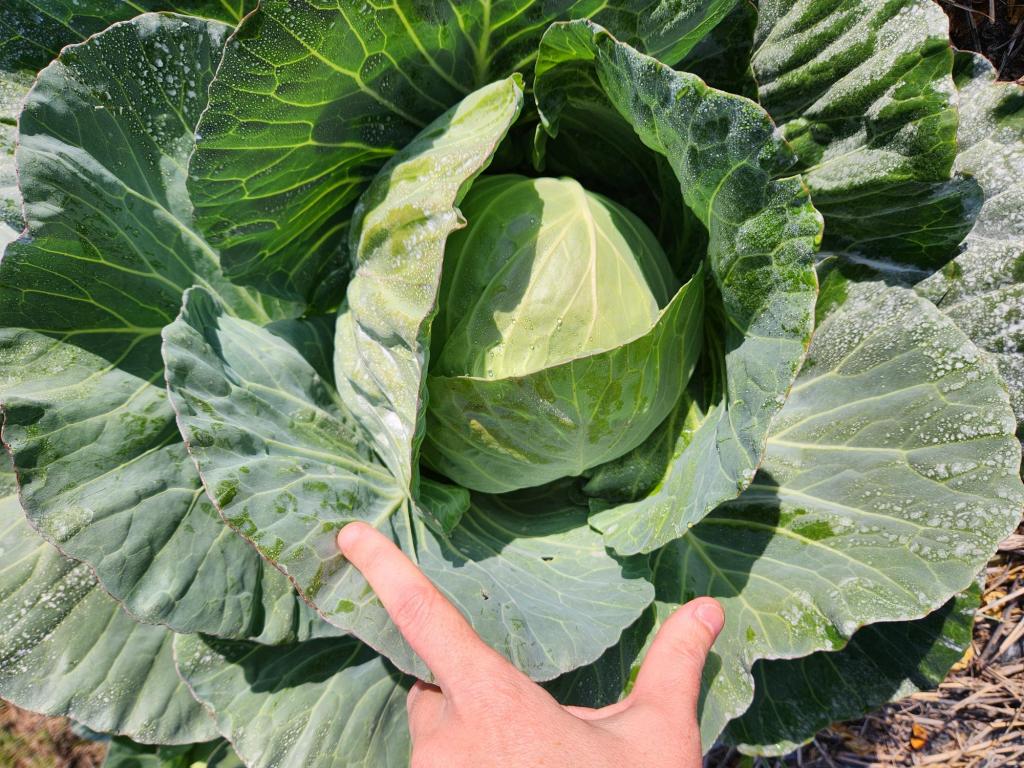
Most of the state received a little more rain this past week. Strawberries are looking good those there are some scattered disease issues. Fall brassicas are looking great and are being harvested now. See details below. Keep an eye on the Upcoming Events tab periodically so you don’t miss anything. Also, check out the latest…
-
Question of the Week – Virus
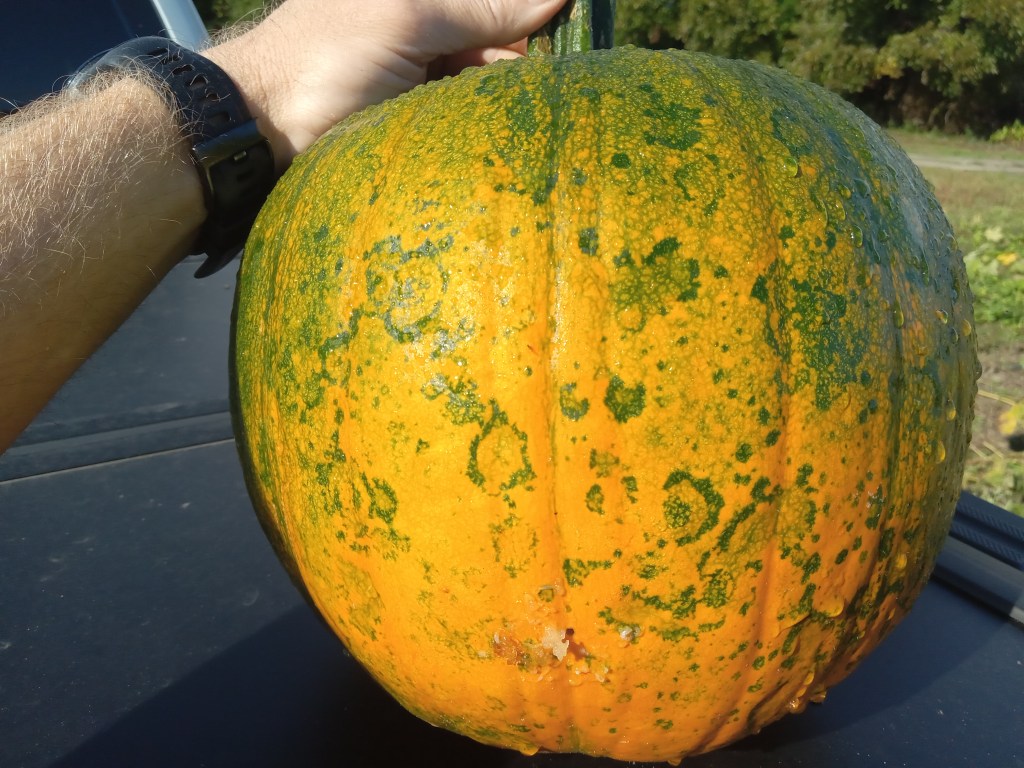
What caused the green patterns and discoloration on this pumpkin? The circular patterns and discoloration on this pumpkin are the result of a viral infection. Viruses are common in fall cucurbit crops in South Carolina. Most cucurbit viruses are transmitted by aphids, though one, squash mosaic virus, is transmitted by cucumber beetles. Viruses commonly cause…
-
Weekly Field Update – 11/11/24
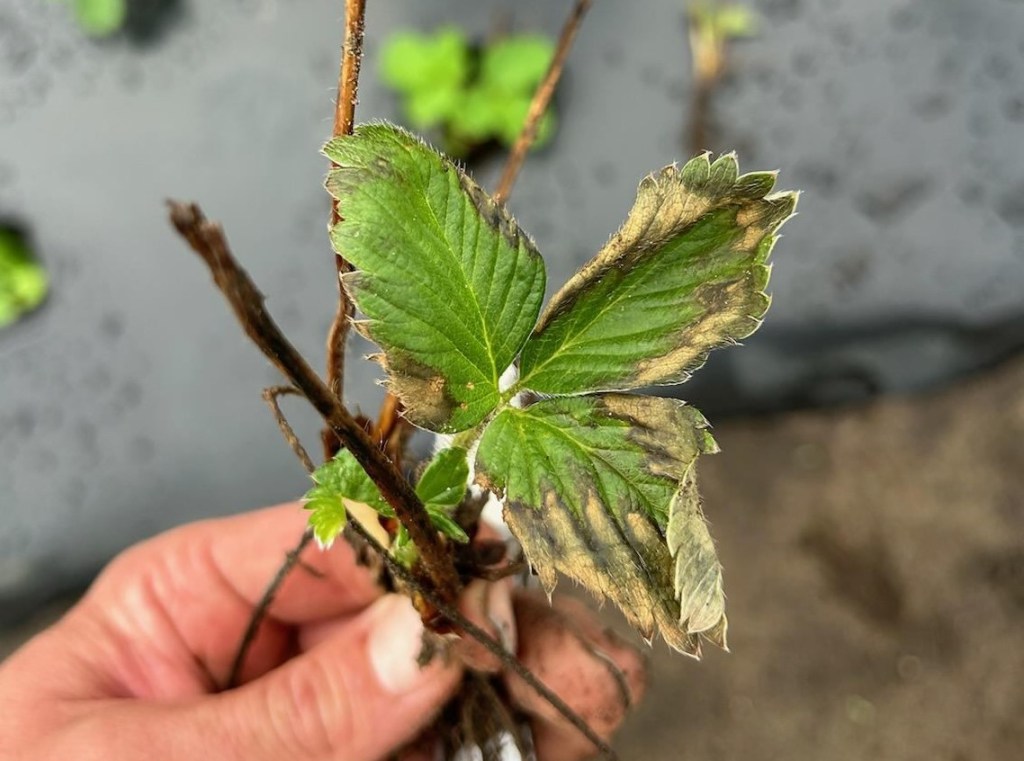
We finally got some rain this past week. Fall crops are coming along nicely with scattered insect and disease issues. Neopest is showing up in strawberries as plants contiue to establish. See details below. Keep an eye on the Upcoming Events tab periodically so you don’t miss anything. Also, check out the latest episode of…
-
Question of the Week – Luffa Gourd
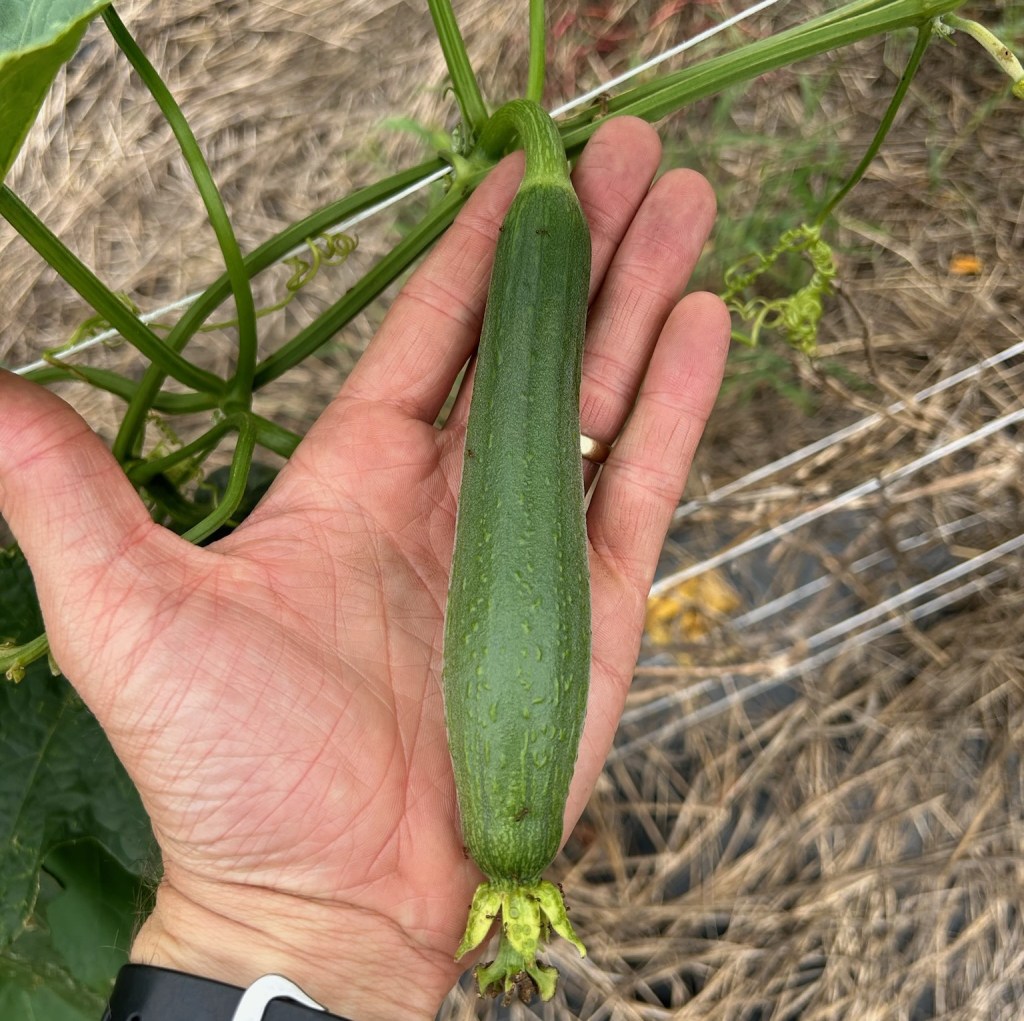
What crop is this? This is a luffa gourd (Luffa aegyptiaca). A similar species, (Luffa acutangula) is sometimes also called Chinese okra because of its okra-like shape and pronounced ribbing of its fruit. Both are members of the cucurbit family. Luffas may be harvested for eating while still tender, though the species pictured is very…
-
Weekly Field Update – 11/4/24

The weather remains dry with no real relief in sight. Strawberry planting has finished up and the condition of plantings is mixed. Disease levels are low from the dry weather, while insect levels are variable. See details below. Keep an eye on the Upcoming Events tab periodically so you don’t miss anything. Also, check out…
-
Question of the Week – Joro Spider

What kind of large, colorful spider is this? This is the invasive joro spider (Trichonephila clavata). Joro spiders are native to East Asia and were first found in Northern Georgia in 2014. Since then, they have been spreading across the Southeast and are common in the Upstate of South Carolina and making their way into…
-
Weekly Field Update – 10/28/24
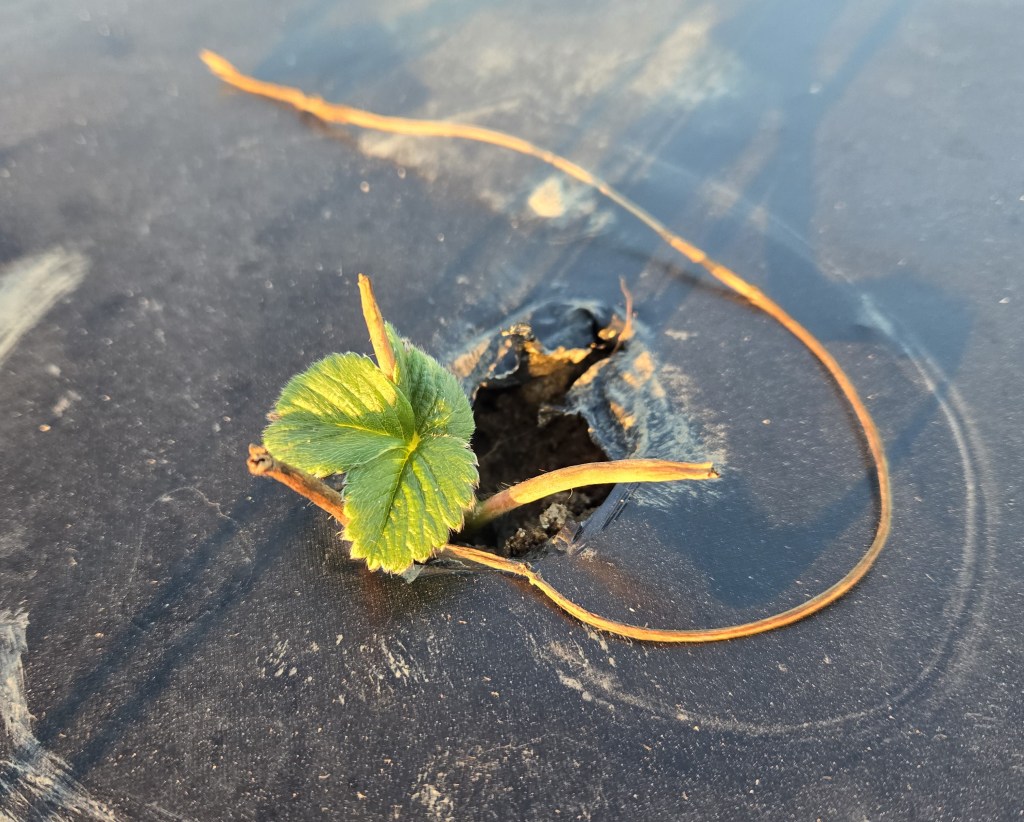
Conditions remain dry across the state requiring lots of irrigation for fall crops. Strawberry planting is winding down as the last few plant shipments arrive. Insect and disease issues are variable across the state. See details below. Keep an eye on the Upcoming Events tab periodically so you don’t miss anything. Also, check out the…
 The South Carolina Grower