Author: Justin Ballew
-
Question of the Week – Goose Poop
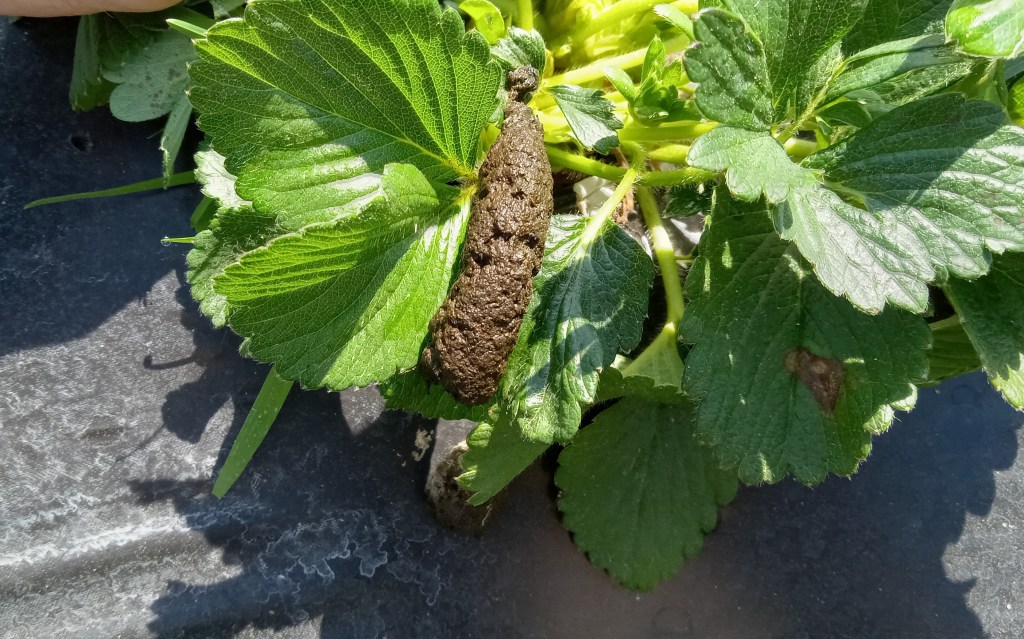
This week, the question was: What kind of caterpillar is this? This week was a trick question. This is no caterpillar. It’s goose poop! Well done to everyone that saw through the B.S., or more appropriately, G.S. Even though this week’s question was for fun, feces on our plants is a serious food safety concern.…
-
Weekly Field Update – 2/27/23

We have lots of fruit and vegetable meetings coming up over the next couple of months, so check out the Upcoming Events tab for the complete lineup. This week, we have the Pee Dee Vegetable Growers Meeting in Florence on Thursday (2/28) and a Waste Pesticide Collection event in York on Saturday (3/4). Don’t miss…
-
Question of the Week – White Peach Scale
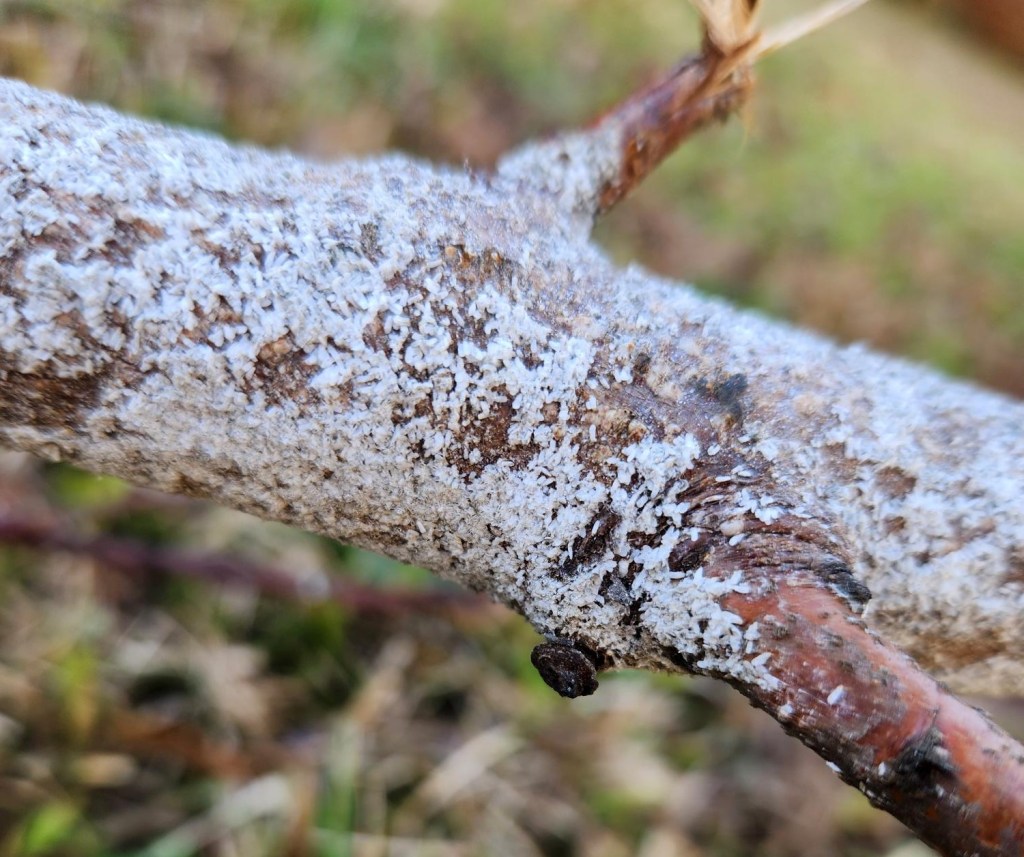
This week, the question was: What is all over this peach tree limb? This is an infestation of white peach scale. White peach scale isn’t terribly common to find, and when you do see it, it is usually concentrated on just a few trees within a much larger block. We don’t always see white peach…
-
Cottony Rot on Stored Carrots

From Clemson Plant Pathologist Tony Keinath. Stored carrots can rot if they are infected by one of several different fungi in the field. Among the culprits is Sclerotinia, typically known as white mold on beans, Sclerotinia stem rot and watery soft rot on brassicas, or timber rot on tomato. On carrot, the same disease is…
-
Weekly Field Update – 2/20/23
We have lots of fruit and vegetable meetings coming up over the next couple of months, so check out the Upcoming Events tab for the complete lineup. This week, we have the upstate strawberry meeting in Gaffney on Thursday (2/23) at 5:30 pm. Don’t forget to look at our Resources tab for links to crop…
-
Question of the Week – Yellowmargin Leaf Beetle and Vegetable Weevil
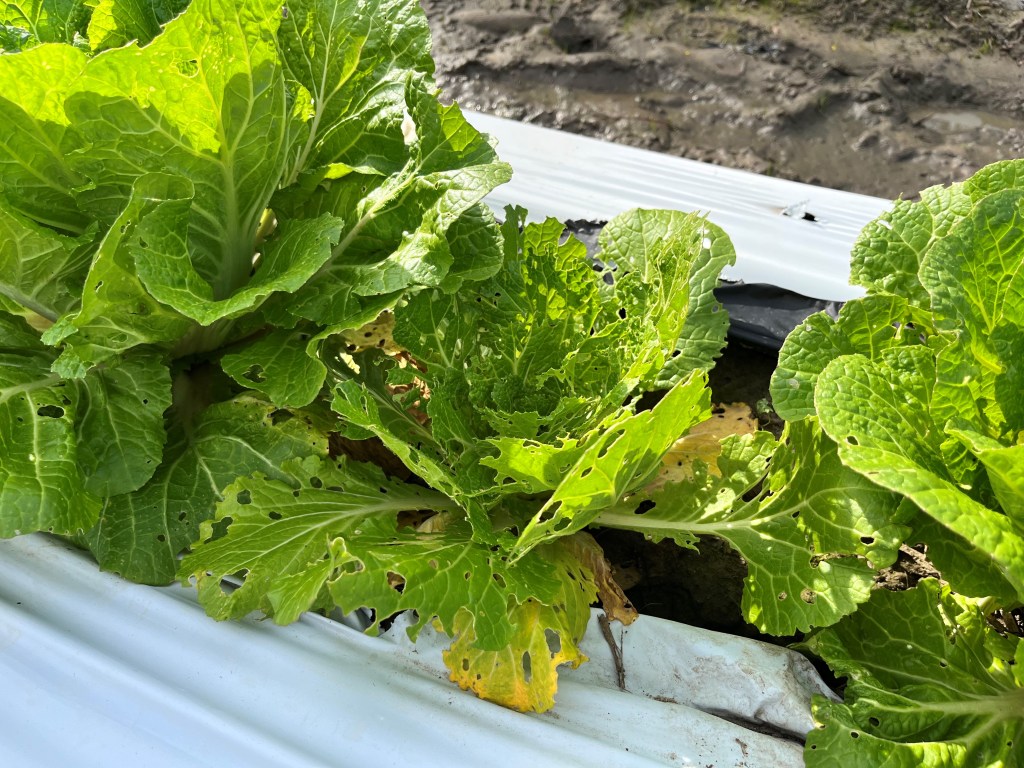
This week, the question was: What has been feeding on this neglected Napa cabbage? This Napa cabbage is being fed on by larvae of both the yellow margined leaf beetle (YMLB, Microtheca ochroloma) and vegetable weevil (Listroderes difficilis). YMLB can be a significant pest for organic production, especially turnips and Napa cabbage, which they prefer.…
-
Pythium Damping-Off of Seedless and Pollenizer Watermelons
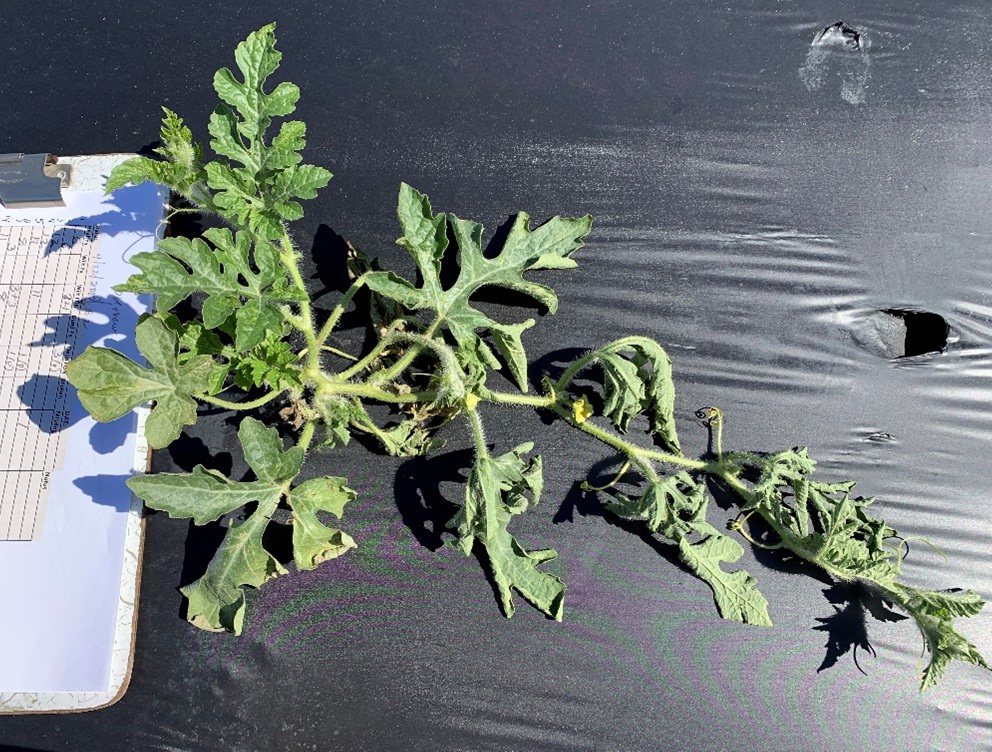
From Clemson Plant Pathologist Tony Keinath. Stand loss in transplanted spring seedless watermelons is usually not a serious issue in South Carolina, due to relatively sandy soils in the major production areas. Two pathogens that can cause post-transplanting damping-off and plant death are the fungus Fusarium and the water mold Pythium. Fusarium can kill seedlings…
-
Weekly Field Update – 2/13/23

We have lots of fruit and vegetable meetings coming up over the next couple of months, so check out the Upcoming Events tab for the complete lineup. This week, we have a Drip Irrigation Workshop on 2/17 at the Edisto REC. Don’t forget to look at our Resources tab for links to crop handbooks, helpful…
-
Question of the Week – Bad Chickens

This week, the question was: What happened to this poor collard plant? I routinely scout the collards in my yard for insect pests and enjoy watching wasps parasitize worms and aphids. I walked out the other day and thought the wasps must be taking a break from parasitizing because I have serious damage. Upon further…
-
Black Rot Review: How to Manage this Disease on Brassica Crops
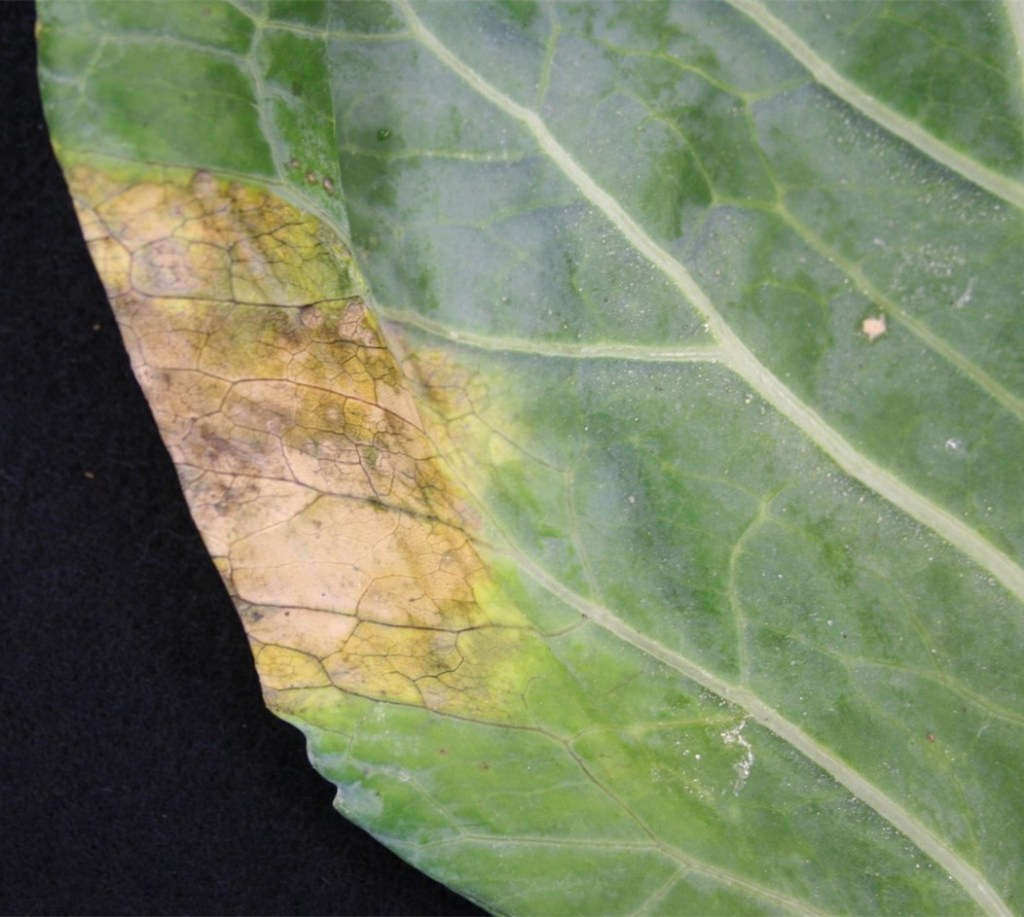
From Clemson Plant Pathologist Tony Keinath. Black rot is the most common disease caused by bacteria on brassica crops. It was widespread in the Lowcountry in fall 2022, so it’s time for a review of this serious disease. Recognizing Black Rot Most often, black rot starts at the edges of the older leaves on brassicas.…
 The South Carolina Grower