Category: Disease
-
Updated Fungicide Recommendations to Manage Alternaria Leaf Spot (Black Spot) on Brassicas
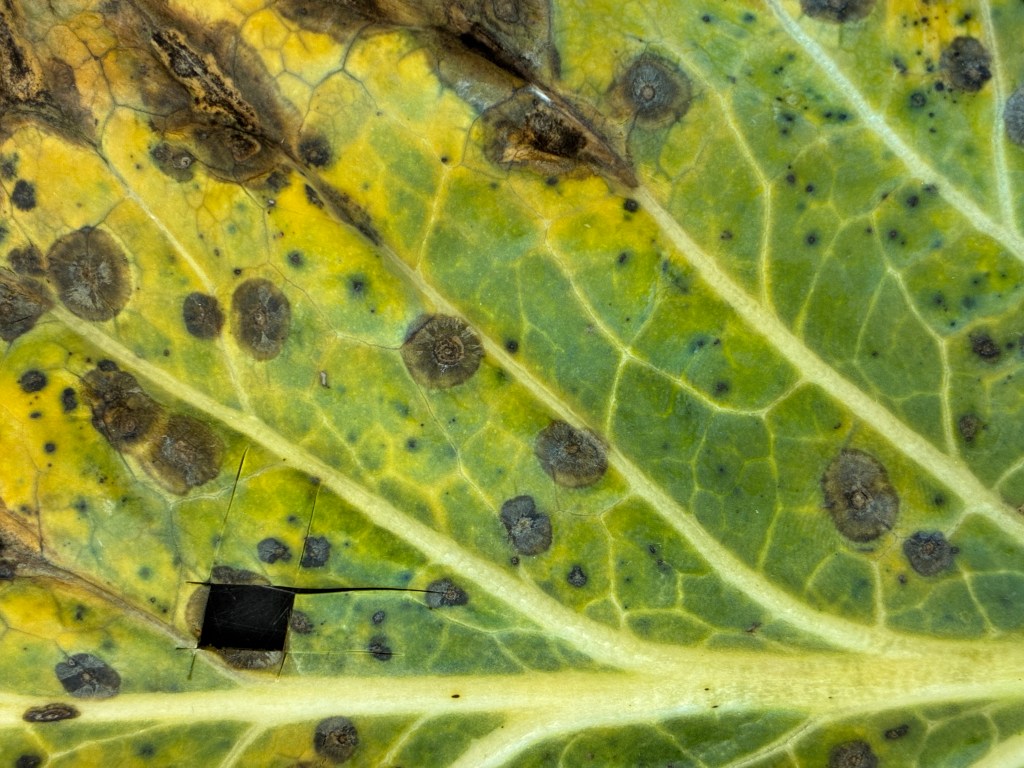
By Tony Keinath, Clemson Plant Pathologist Despite some unusually cold weather in January and February, Alternaria black spot is active on overwintered brassicas. Although the brassica Alternaria fungus (Alternaria brassicicola) present in South Carolina supposedly prefers warm temperatures, I doubt that old information is accurate today. Growers should be on the lookout for tan to…
-
Strawberries Showing Signs of Gray Mold After the Freezing Temperatures
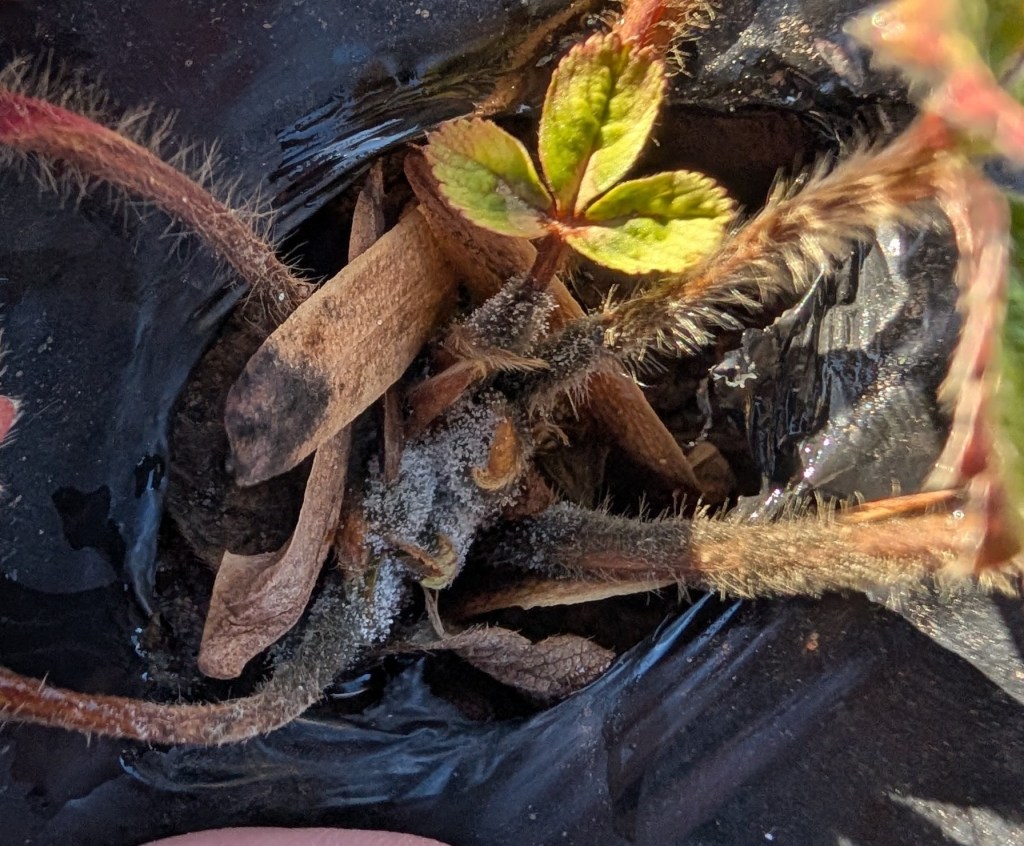
Lindsey Thiessen and Guido Schnabel South Carolina is warming up following several bouts of freezing temperatures. Many used frost-protection covers to keep fruit crowns from freezing. To add some additional stress following the freezing temperatures, growers are reporting significant gray mold presence after frost protection covers have been removed. Gray mold is caused by a…
-
Hold Off on Second White Mold Sprays in South Carolina
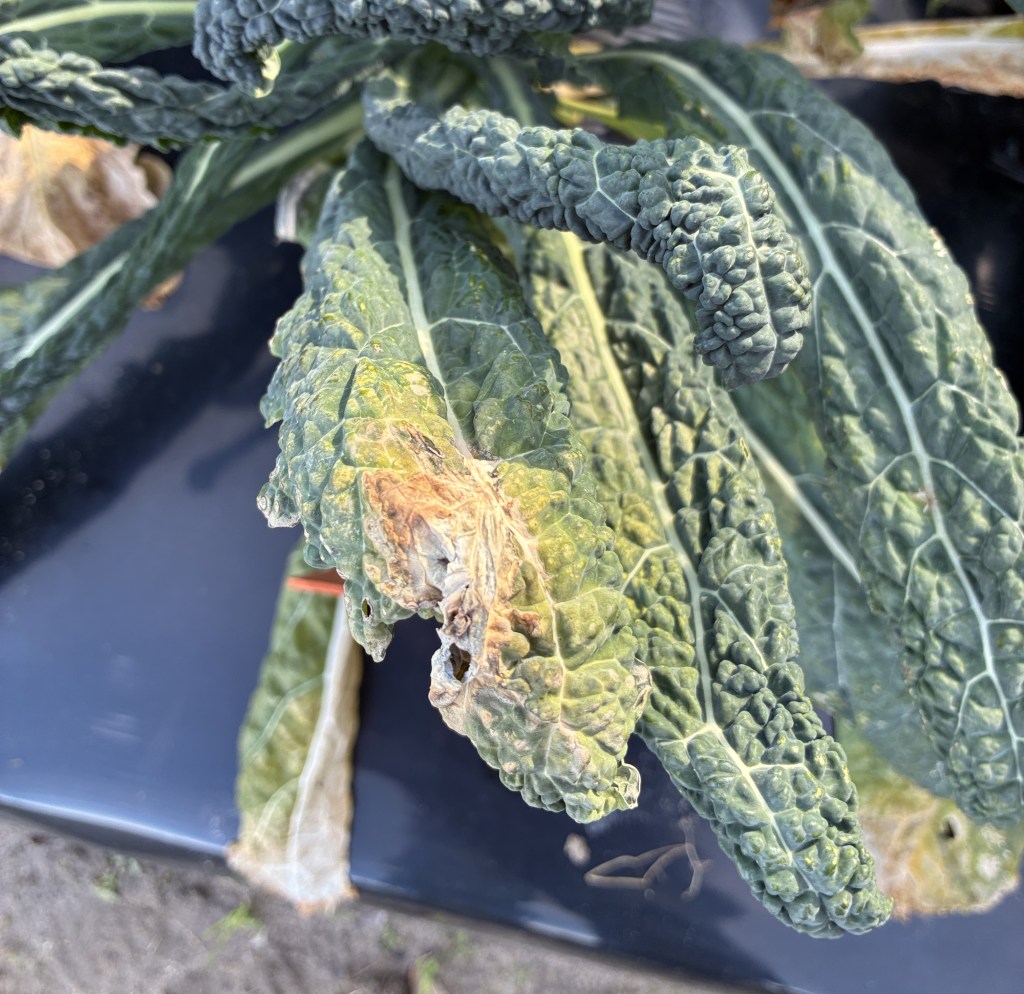
From Tony Keinath, Clemson Extension Plant Pathologist Last week, I advised South Carolina brassica growers to spray brassica crops to protect them from white mold, based on symptoms seen on kale and stock, a brassica winter annual, in Charleston. The initial symptoms were triggered by the cold temperatures of Dec. 16 and 17 that completed…
-
Spray Strategies for Strawberry Disease Control in South Carolina
Guido Schnabel, Extension Plant Pathologist Disease management is essential for growing high-quality strawberries in plasticulture. While Botrytis fruit rot (BFR) is a disease you can expect every year, Anthracnose fruit rot (AFR) and the more recently introduced Neopestalotiopsis fruit and crown rot (Neo-P) may or may not appear (Fig. 1). This largely depends on how…
-
2025 Recommendations For Fall Chemical Treatments In Strawberry Crops
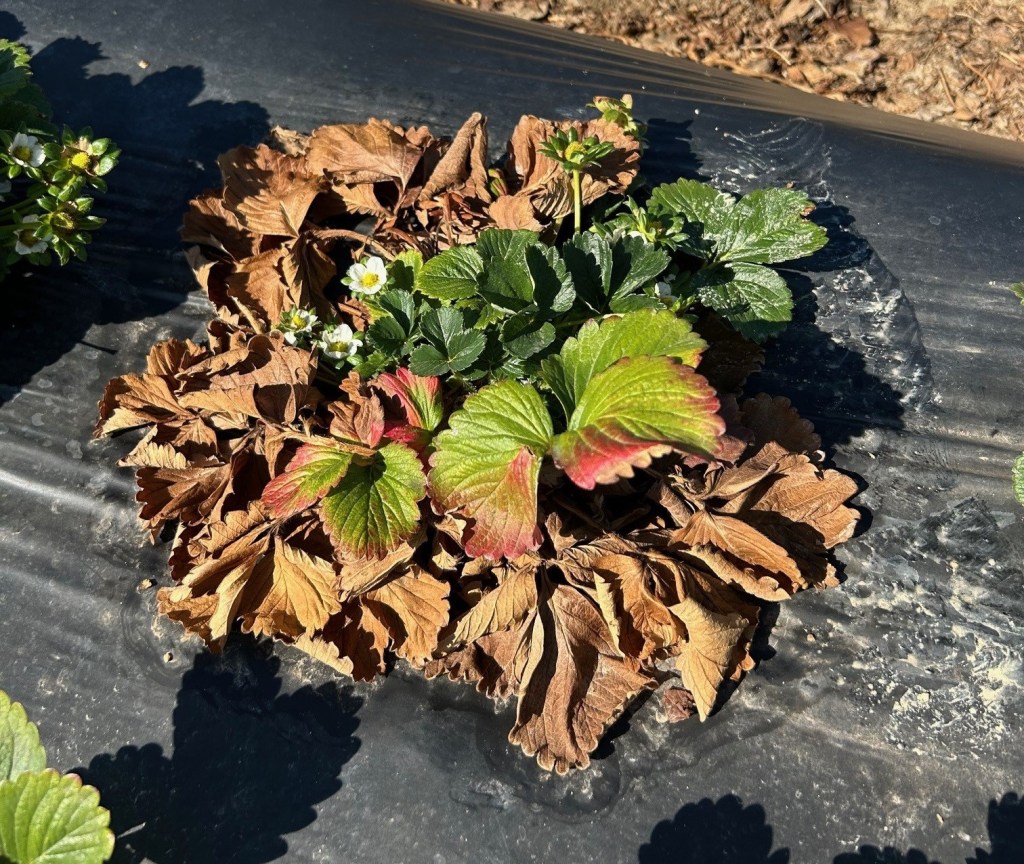
By Guido Schnabel, Clemson University; Phil Brannen, University of Georgia; Bill Cline and Caleb Bollenbacher, North Carolina State University Whether or not Neopestalotiopsis (Neopest) will harm your strawberries this season depends on many factors – including the quality of the transplants, the cultivar, sanitation practices, soil inoculum levels, weather conditions, and the fungicides you use.…
-
Southern Blight is an Unusual Disease on Kale
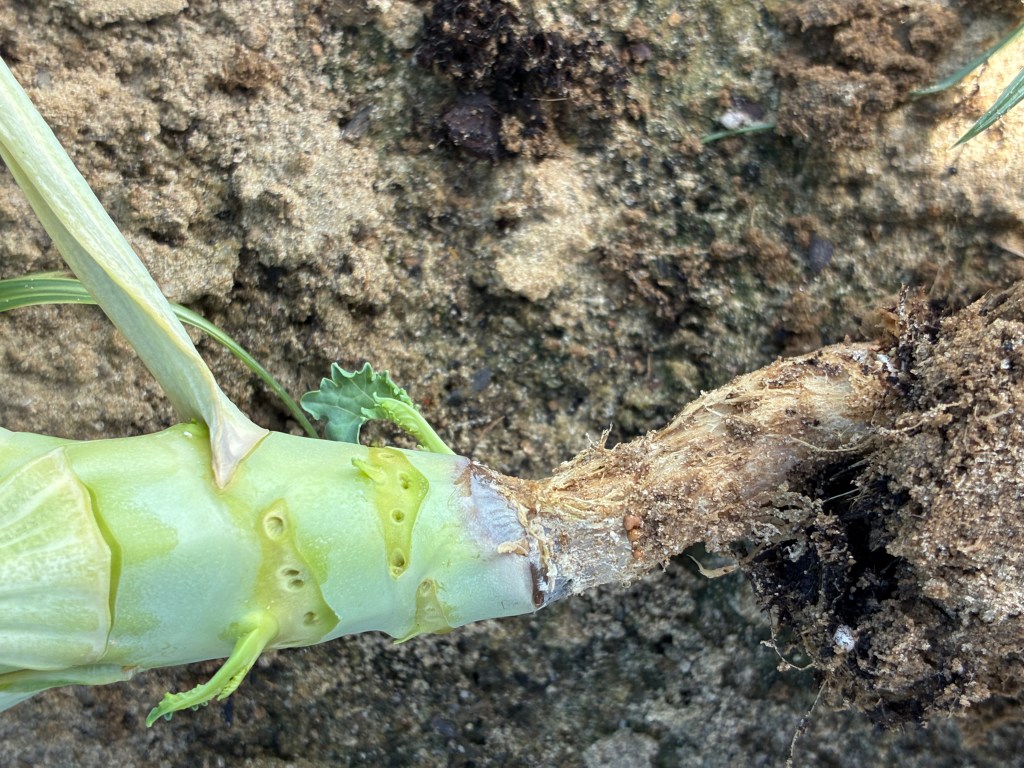
By Clemson Plant Pathologist Tony Keinath Southern blight is rarely seen on kale or any other brassica crop. In the United States it’s been reported on other brassica vegetables grown in Alabama and Texas. This week, I was surprised to see southern blight causing stem rot just above the soil line on several plants of…
-
Reminders about Managing Cucurbit Downy Mildew with Fungicides
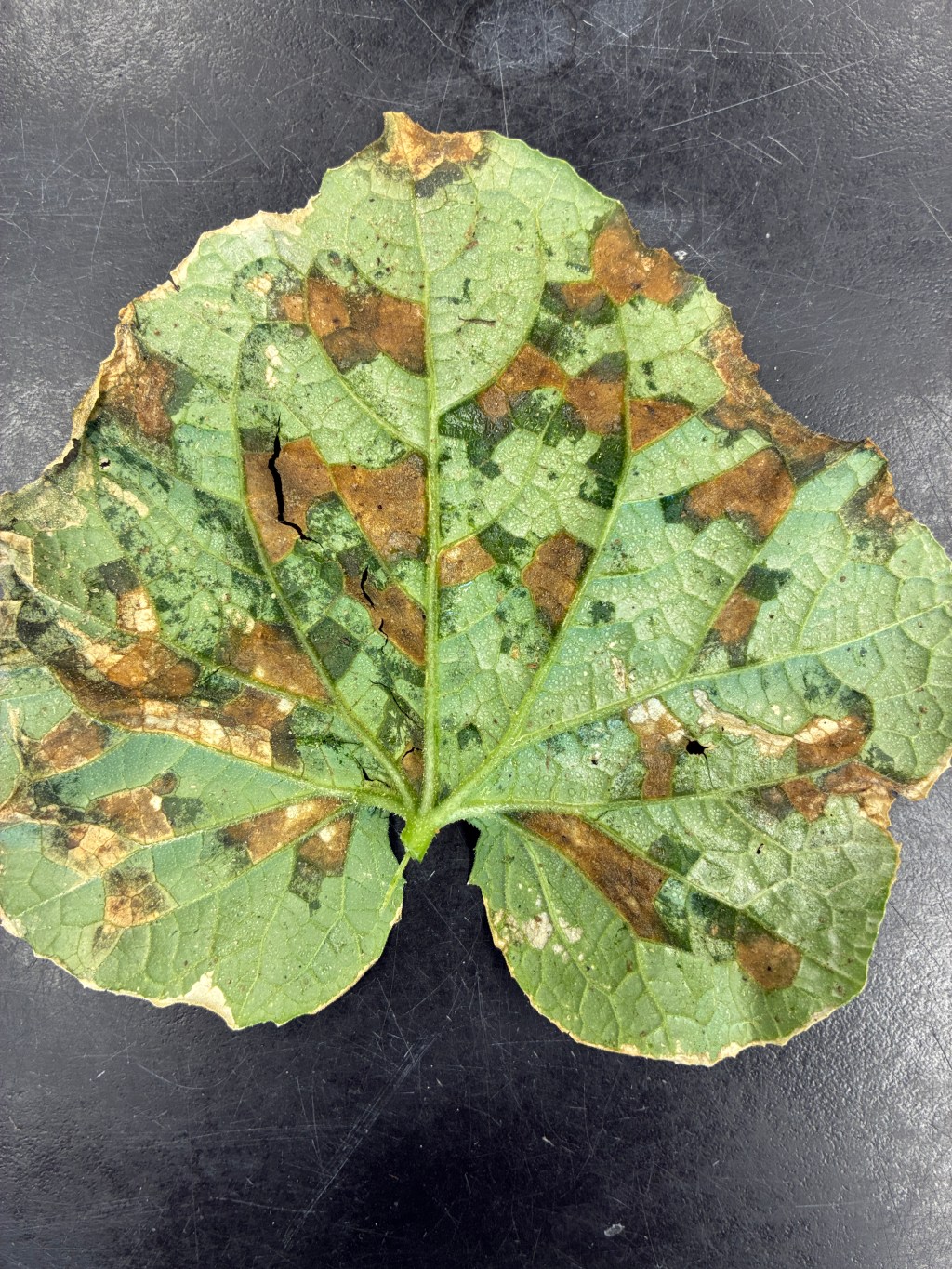
From Clemson Plant Pathologist Tony Keinath Cucurbit Downy Mildew This Fall Warm days and cool nights help create long dew periods in the fall, weather is ideal for cucurbit downy mildew (CDM) to start and spread, as reported in the Weekly Field Update – 9/15/25. We have not yet seen CDM in our fall sentinel…
-
Why Reusing Watermelon Plastic for Watermelon is a Very Bad Idea and Other Plant Pathology Horror Stories
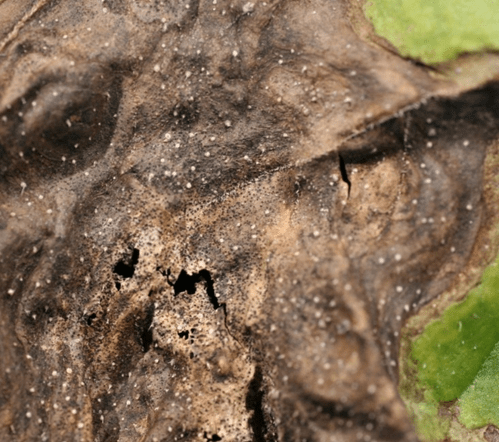
From Clemson Plant Pathologist Tony Keinath Extension agents have recently received some questions from growers about reusing plastic from a spring watermelon crop for a fall watermelon crop. This scenario is what I call a classic plant pathology “horror story.” It is literally the worst thing a watermelon, cantaloupe, or cucumber grower could do for…
-
2025 Recommendations to Manage Powdery Mildew on Cucurbits
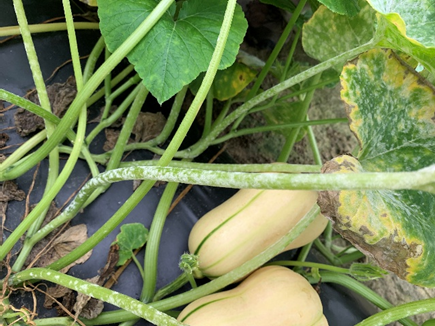
From Clemson Plant Pathologist Tony Keinath Results from a June 2025 bioassay with powdery mildew on susceptible yellow summer squash ‘Early Prolific’ showed that, although all 8 fungicides reduced powdery mildew, 4 worked better than the rest. The Best Fungicides To Manage Powdery Mildew on Cucurbits Torino, Quintec, Gatten, and Vivando completely suppressed powdery mildew…
-
Weekly Field Update – 7/7/25
After some rain and wind in the Pee Dee from Tropical Storm Chantal on Sunday, the week is off to a hot start. Watermelons, peaches, tomatoes, peppers, etc. are being harvested. Disease and insect pressures are climbing. See details below. Keep an eye on the Upcoming Events tab periodically so you don’t miss any of…
 The South Carolina Grower