Tag: collards
-
Weekly Field Update – 12/2/24
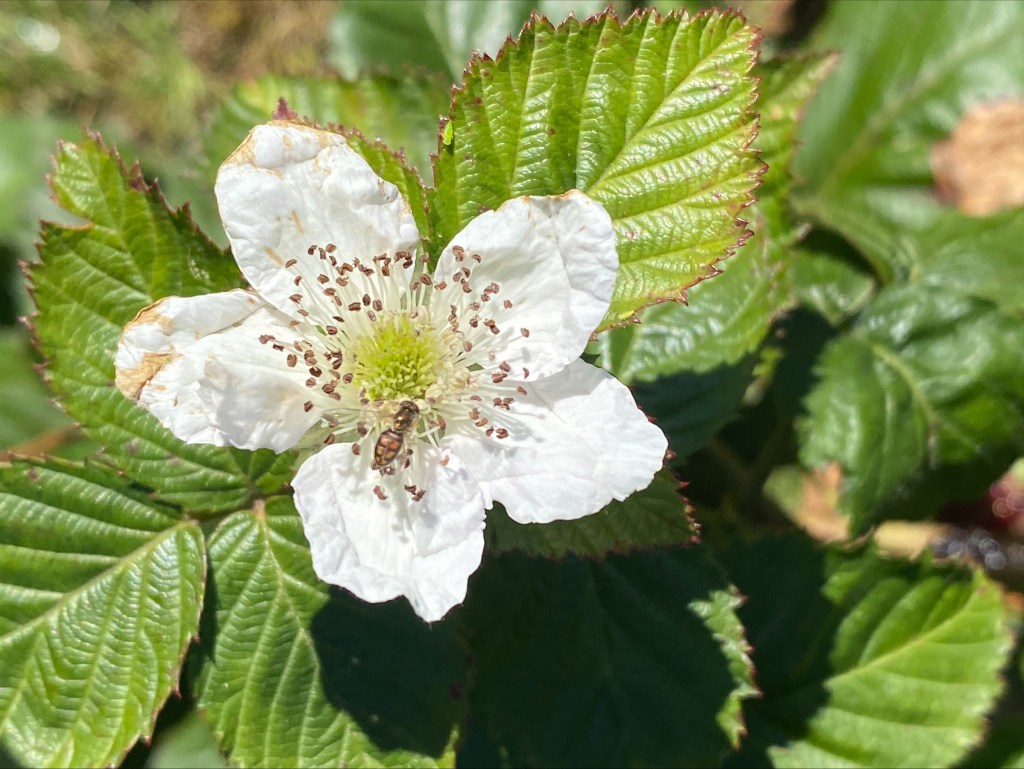
We hope everyone had a great Thanksgiving! We finally got some frosts and freezes around the state this past weekend. Fall brassicas are still looking great while cucurbits are officially done. Strawberries are a mixed bag around the state. This will be our last update of 2024. It’s been a challenging year, but we hope…
-
Weekly Field Update – 11/25/24
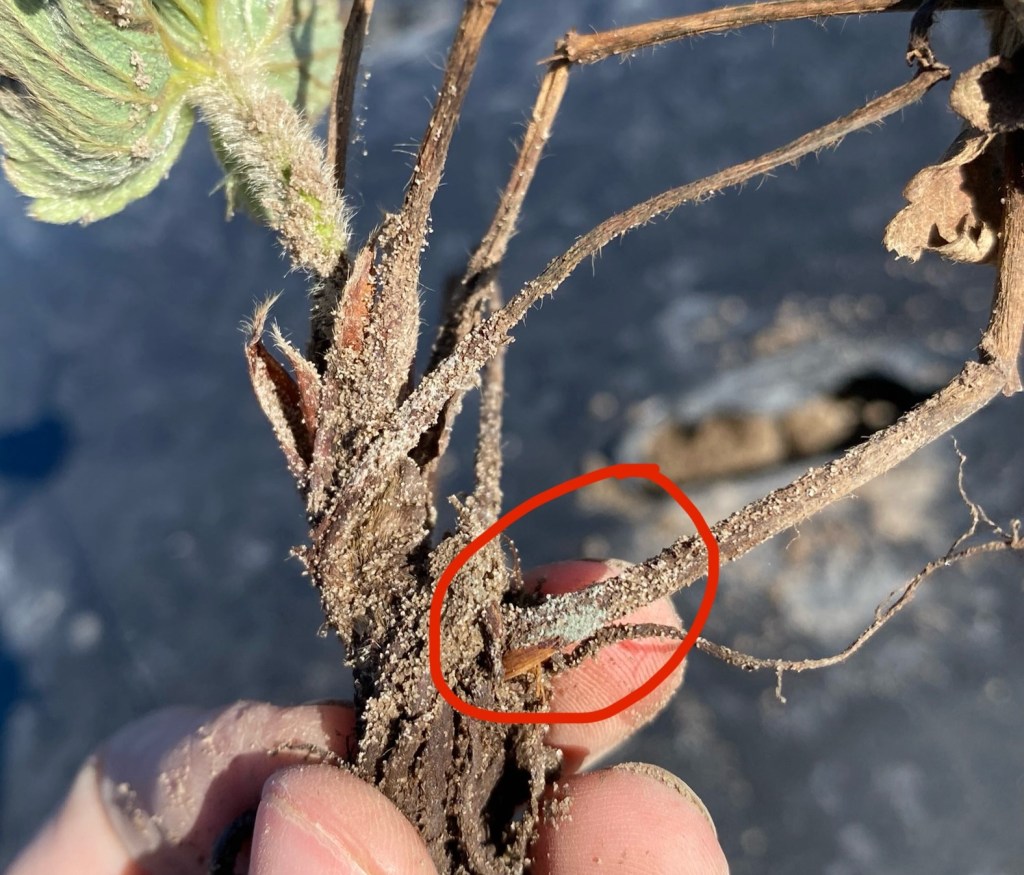
The weather has been favorable for fall crop development and greens grown for Thanksgiving are looking great. Some insect and disease issue persist, but have been manageable. Strawberries are variable going into the winter. See details below. Happy Thanksgiving! Keep an eye on the Upcoming Events tab periodically so you don’t miss anything. Also, check…
-
Weekly Field Update – 11/18/24
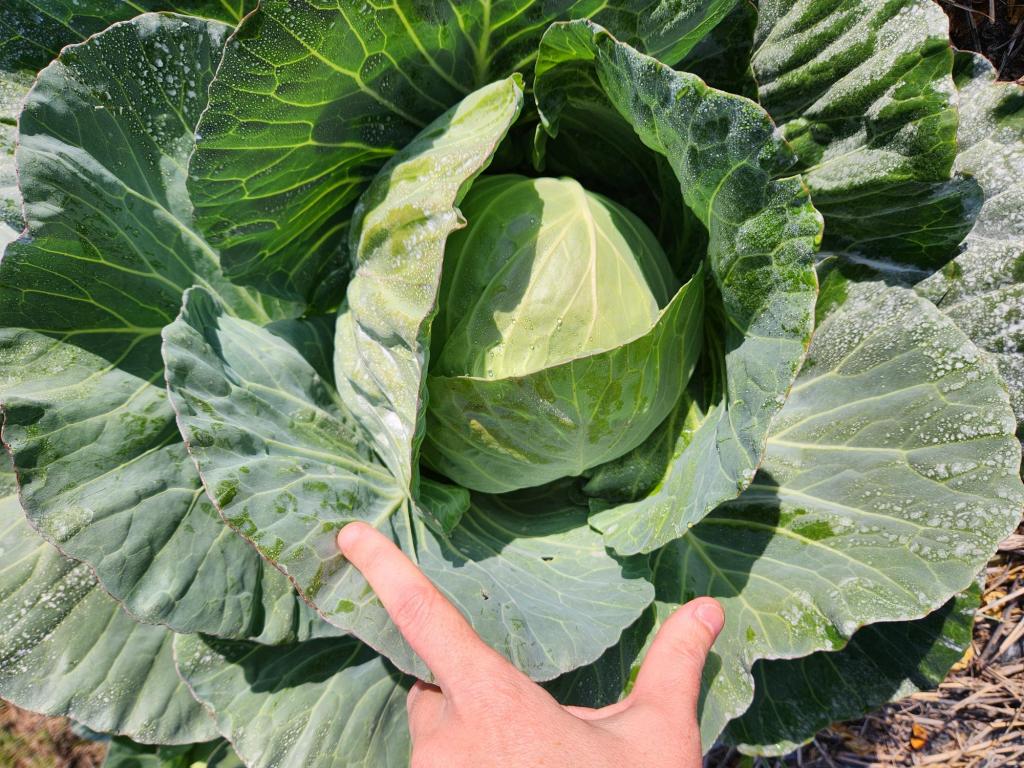
Most of the state received a little more rain this past week. Strawberries are looking good those there are some scattered disease issues. Fall brassicas are looking great and are being harvested now. See details below. Keep an eye on the Upcoming Events tab periodically so you don’t miss anything. Also, check out the latest…
-
Weekly Field Update – 11/11/24
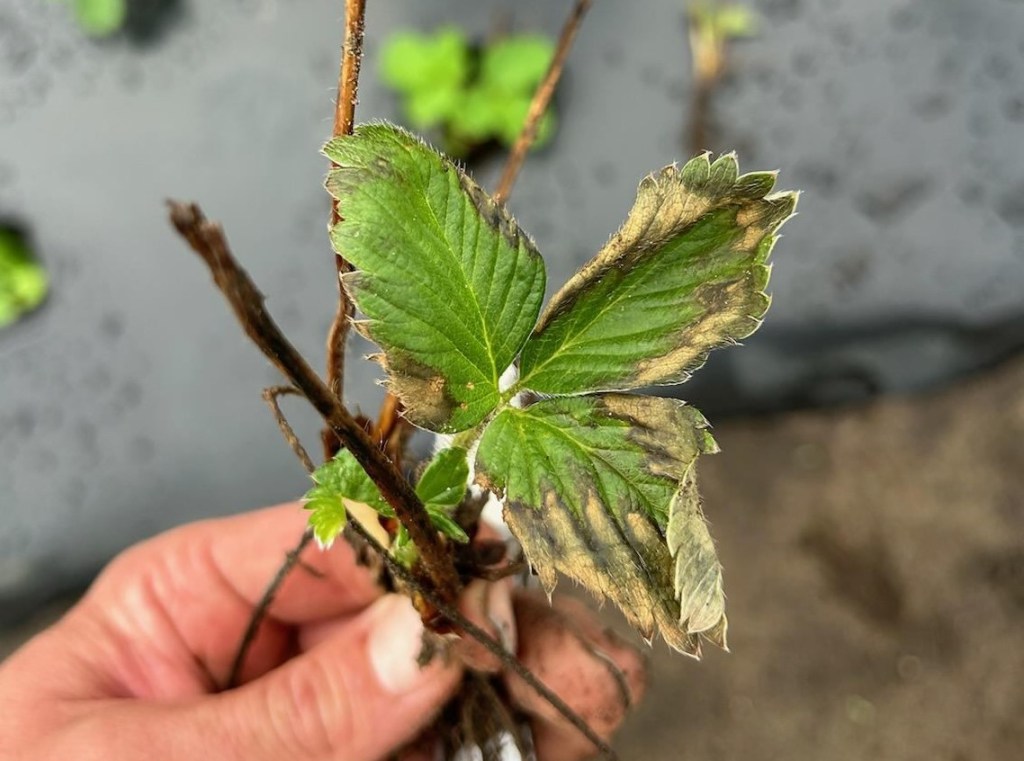
We finally got some rain this past week. Fall crops are coming along nicely with scattered insect and disease issues. Neopest is showing up in strawberries as plants contiue to establish. See details below. Keep an eye on the Upcoming Events tab periodically so you don’t miss anything. Also, check out the latest episode of…
-
Question of the Week – Downy Mildew
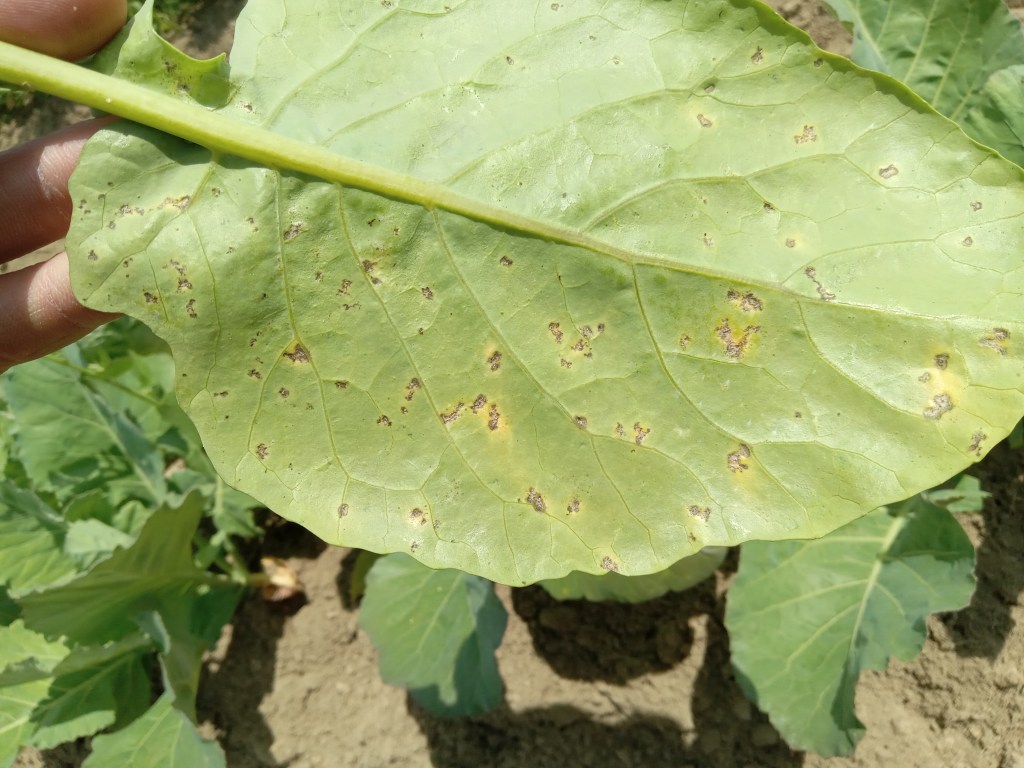
This week, the question was: What is the disease showing up on the underside of this collard leaf? This is downy mildew. While downy mildew symptoms can be seen on the top sides of the leaves, the pathogen sporulates on the underside of the leaves. This disease is most common when we have foggy mornings…
-
2022 Collard Stats
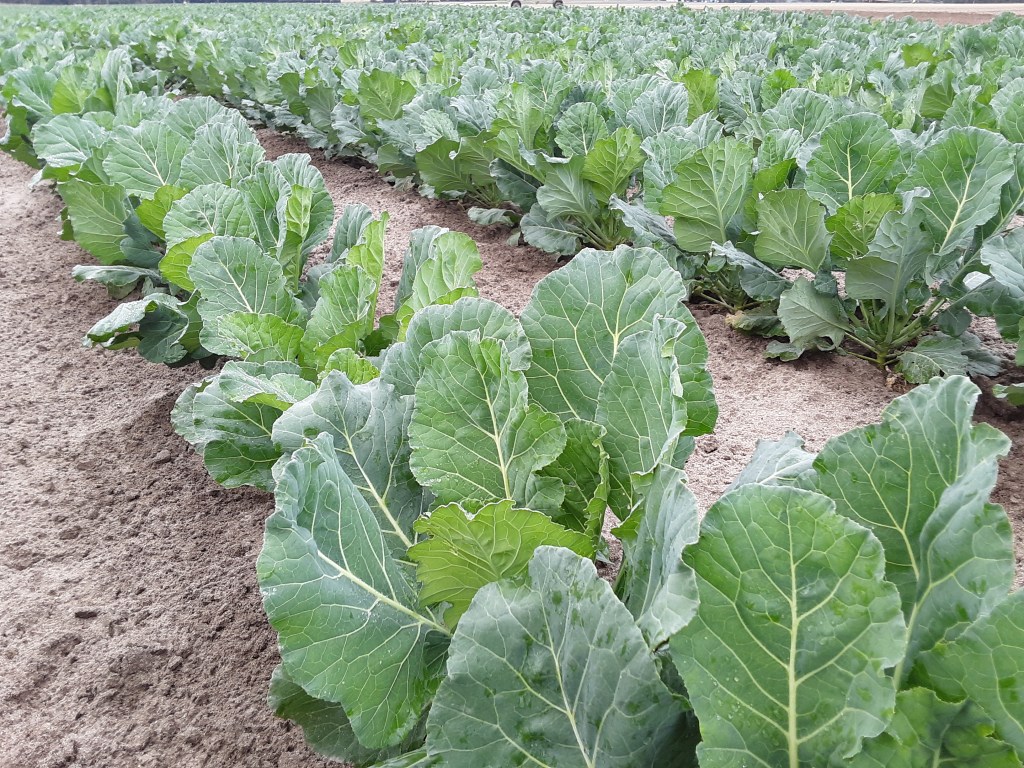
In the Fall of 2022, Extension Agents throughout South Carolina surveyed growers on specialty crop acreage for the year. This was the first year of what is expected to be an annual survey. For this first year, data was collected for six crops: collard greens, lima beans, peaches, strawberries, sweet corn, and watermelon. The goal…
 The South Carolina Grower