Tag: disease management
-
Weekly Field Update – 4/17/23
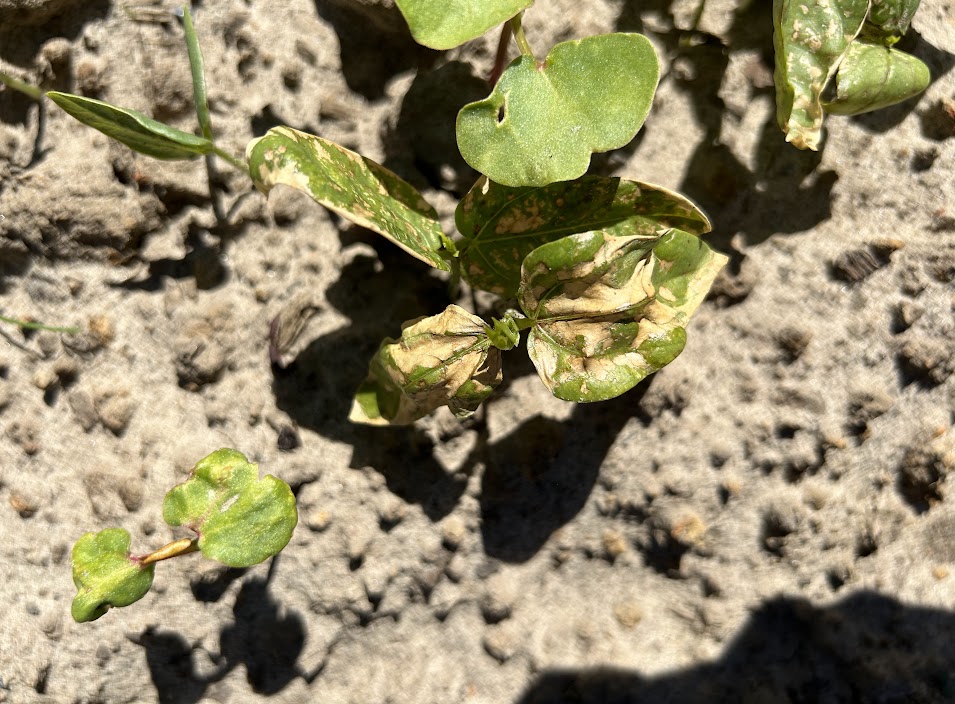
Check out upcoming meetings on the Upcoming Events tab, and don’t forget to look at our Resources tab for links to crop handbooks, helpful websites, and related blogs. Also, check out the latest episode of the SC Grower Exchange Podcast. Be sure to scroll all the way to the bottom to see this week’s Question…
-
Weekly Field Update – 4/10/23

Coming up this week, we have a couple more Pesticide Collection Events hosted by the SCDA. This is a great opportunity to get rid of any old unwanted pesticides you have lying around the shed. Check out other upcoming meetings on the Upcoming Events tab. Don’t forget to look at our Resources tab for links…
-
Bacterial Spot on Tomato: Are the Cures as Bad as the Disease?
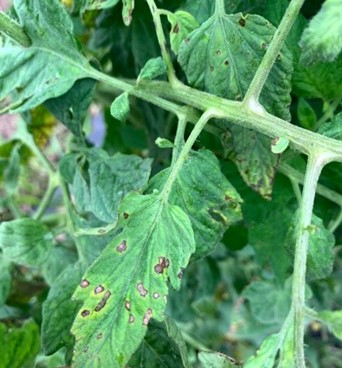
From Clemson Plant Pathologist Tony Keinath and Extension Agent Zack Snipes. Now that tomatoes are in the ground in coastal South Carolina, it’s time to think about a tomato spray program for a disease that shows up every year: bacterial spot. Current recommendations are based on a tank mix of copper + mancozeb. The comments…
-
Weekly Field Update – 4/3/23

Coming up this week, we have a couple of Pesticide Collection Events hosted by the SCDA. This is a great opportunity to get rid of any old unwanted pesticides you have laying around the shed. There is also a webinar on Composting coming up on Wednesday. Check out other upcoming meetings on the Upcoming Events…
-
Pest and Disease Control Recommendations For Non-bearing Peach Orchards After Bloom
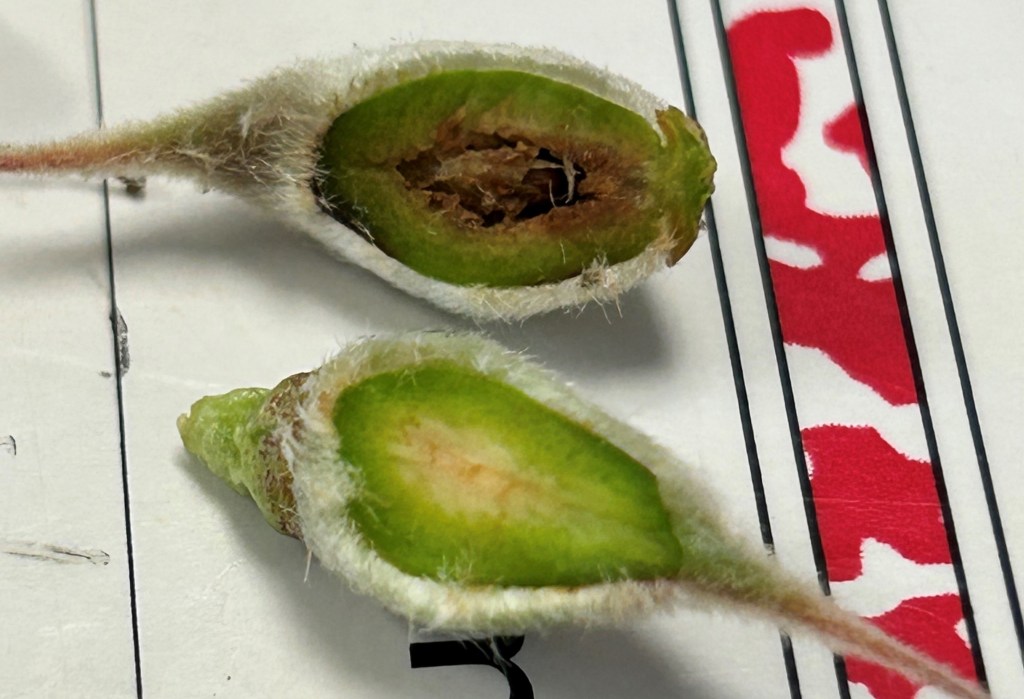
From Guido Schnabel, Brett Blaauw, and Phil Brannen Late frost has hurt many peach varieties in South Carolina and Georgia this year. The varieties that escaped the frost (the late bloomers with high chill requirements) still may have fruit and will probably go on a regular spray program, even if chill requirements were not met…
-
Black Rot Review: How to Manage this Disease on Brassica Crops
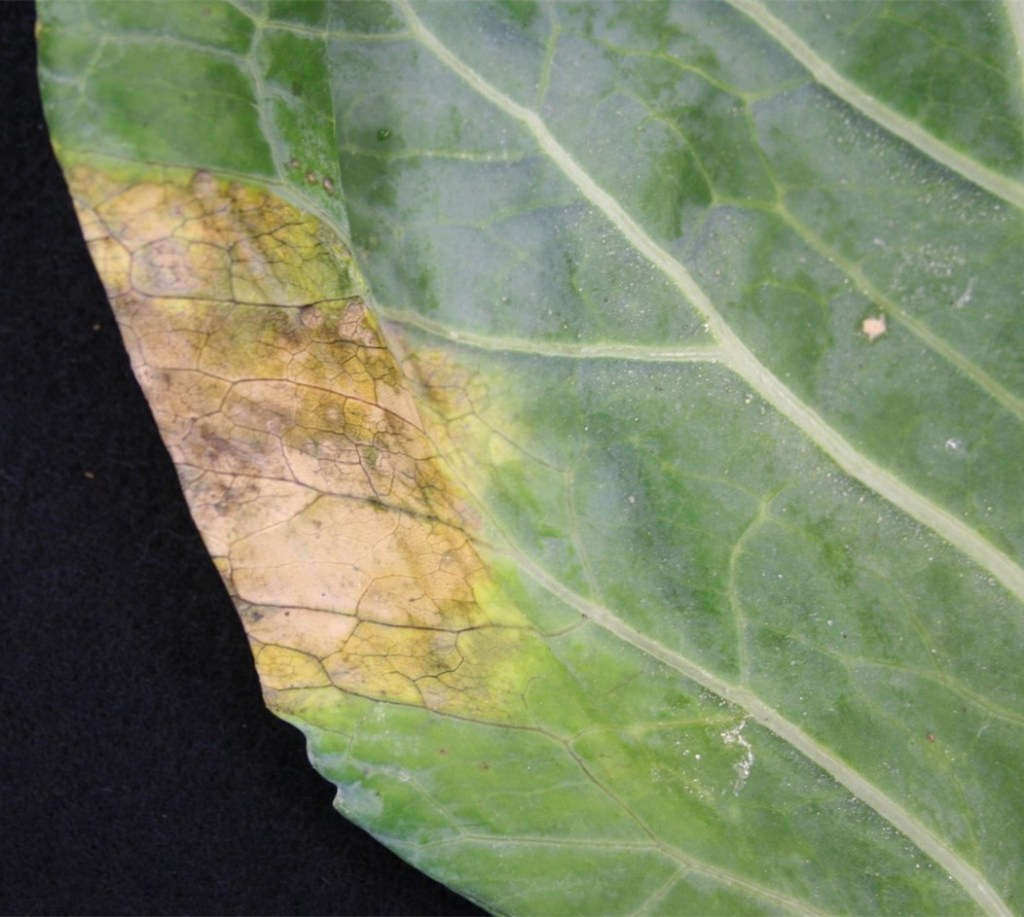
From Clemson Plant Pathologist Tony Keinath. Black rot is the most common disease caused by bacteria on brassica crops. It was widespread in the Lowcountry in fall 2022, so it’s time for a review of this serious disease. Recognizing Black Rot Most often, black rot starts at the edges of the older leaves on brassicas.…
-
Question of the Week – Phytophthora Crown Rot

This week, the question was: What has caused the dark brown discoloration in the crown of this strawberry plant? This dark reddish/brown discoloration in the crown is a typical symptom of Phytophthora crown rot. The first observable signs of this disease include wilting and browning of the leaves in the field. Phytophthora is most serious…
-
How Seedless Watermelon Cultivars React to Fusarium Wilt: Average Results of 2021 and 2022 Trials
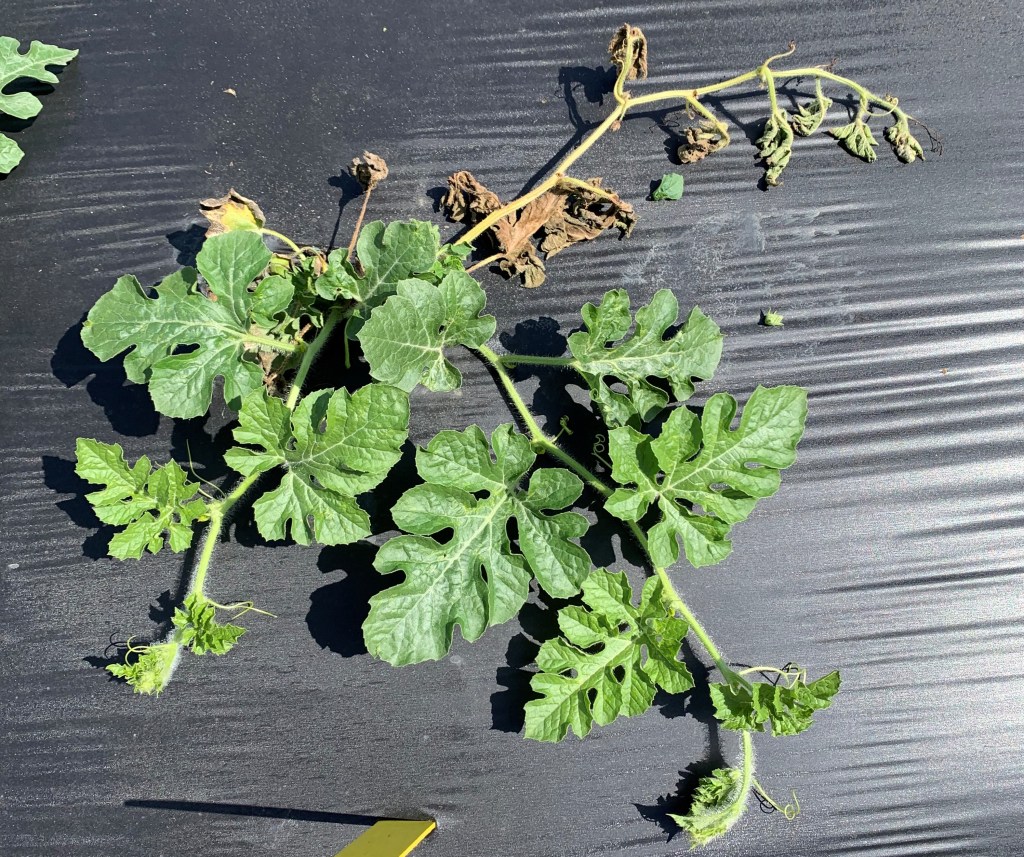
From Tony Keinath, Extension Vegetable Pathologist. As part of a large USDA Specialty Crop Research Initiative grant, I have been working with Dr. Jonathan Schultheis, Horticulturist at NCSU, to evaluate seedless watermelon cultivars grown in plots naturally infested with the Fusarium wilt fungus. The South Carolina trials were done in my Fusarium-infested field at the…
-
2023 Gummy Stem Blight Control for Watermelon Growers: Early is on Time
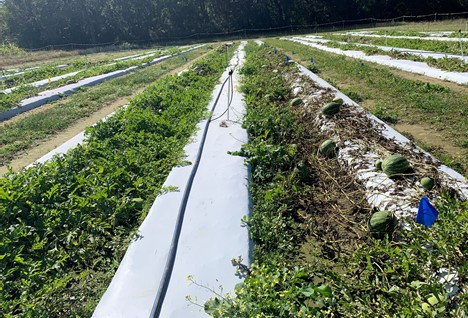
From Tony Keinath, Extension Vegetable Pathologist. The recent freeze in the lower part of South Carolina more than ended the 2022 watermelon season. It’s not too early to plan for gummy stem blight control in 2023 to allow time to buy the right fungicides in case of shortages. As the saying goes, early is on…
-
Fusarium Wilt on Okra
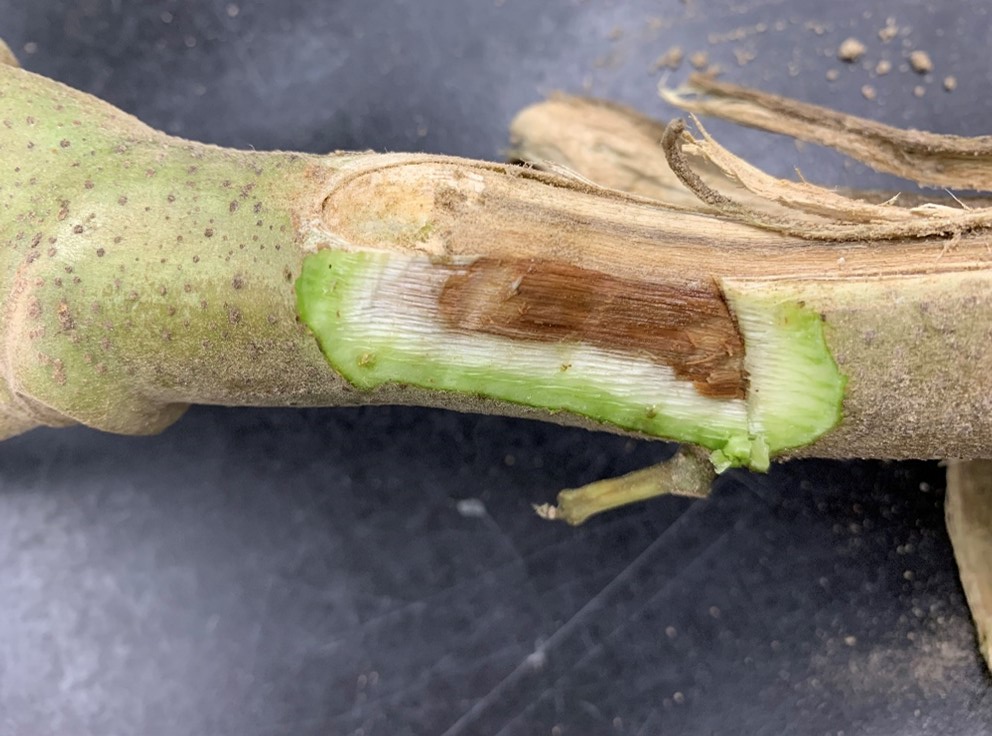
From Clemson Plant Pathologist Tony Keinath. Late summer is the time of year when Fusarium wilt shows up on okra. Because the fungus travels in the xylem, external symptoms are visible on all above-ground plant parts. Although the main stem may remain partially green, side branches turn brown, and pods dry completely. To diagnose Fusarium…
 The South Carolina Grower