Author: Justin Ballew
-
Question of the Week – Autonomous Laser Weeder
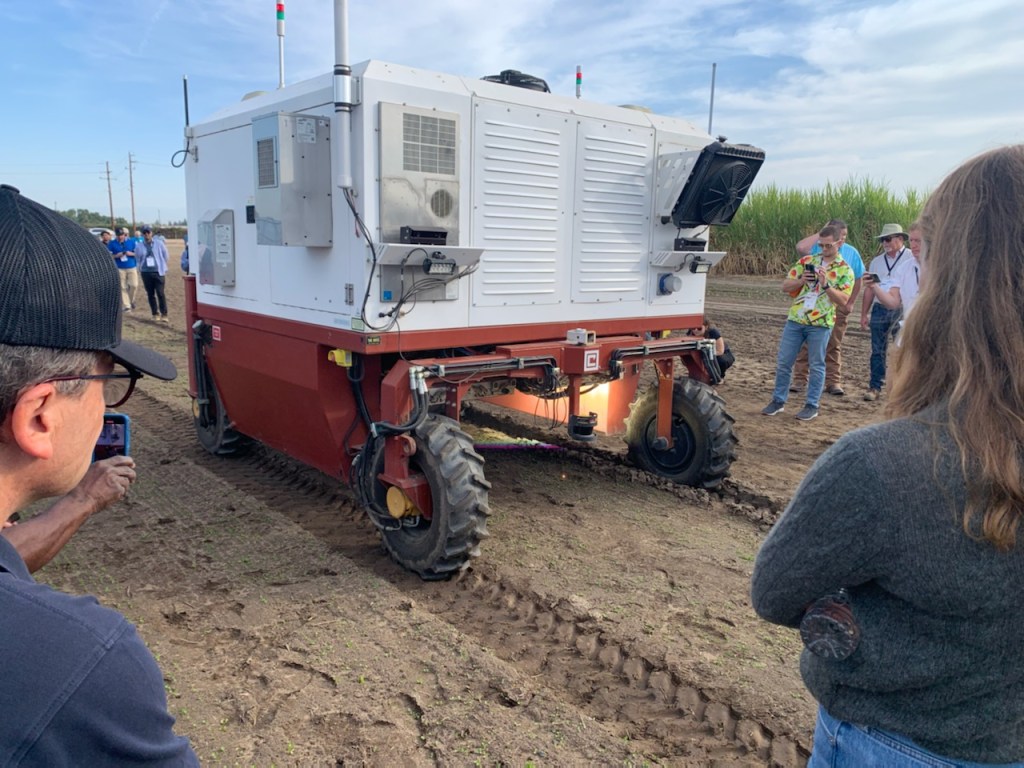
This week, the question was: What is this contraption? This is a fully autonomous robotic laser weeder. The weeder creeps through the field without a human driver, using GPS, Lidar, and multiple sensors. The machine detects weeds in the planted crop. When a weed is detected, a laser zaps the weed, leaving the crop safely behind.…
-
Weekly Field Update – 10/24/22
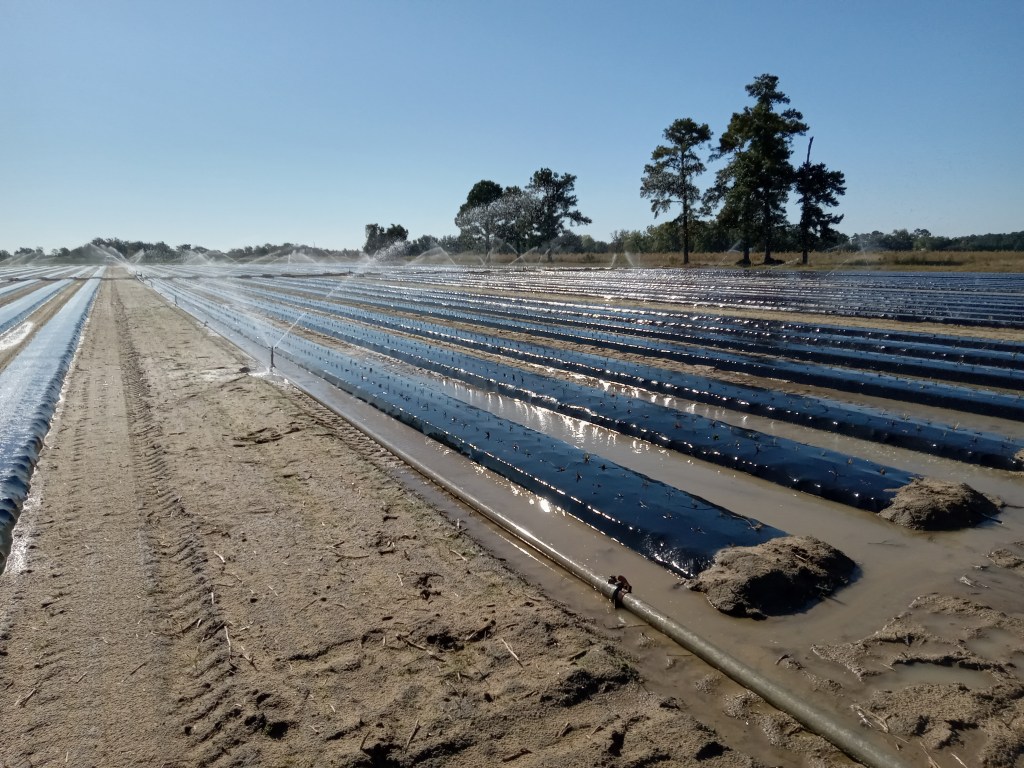
Check out the new rainfall calculator on the Clemson Weather website. This feature calculates the amount of rainfall received in a particular location over a specified time. Be sure to scroll all the way to the bottom to see this week’s Question of the Week, and check back on Thursday for the answer! Midlands Justin…
-
Question of the Week – Cutleaf Evening-primrose

This week, the question was: What is this cool-season weed coming up in the row middles of a fall kale field? This is cutleaf evening-primrose. This weed germinates and starts appearing in the fall and grows through the winter and spring until the weather gets hot. It starts out in a rosette with smooth leaf…
-
Weekly Field Update – 10/10/22
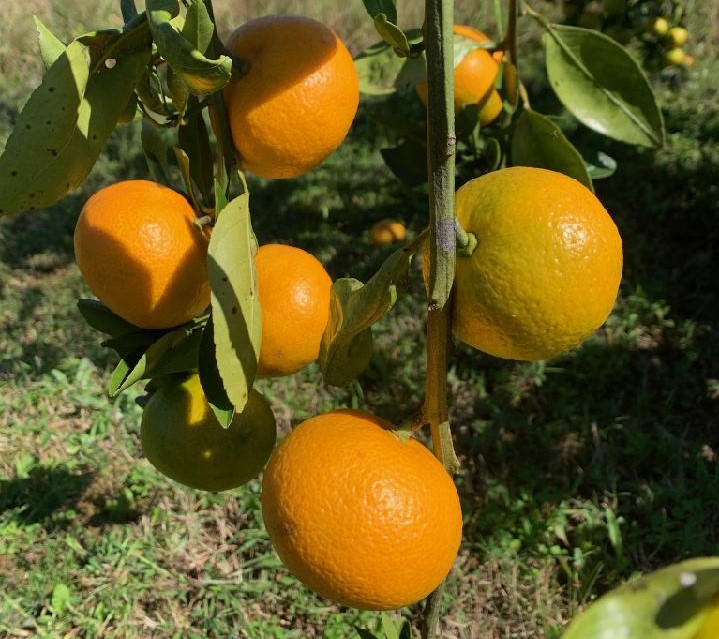
A big congratulations to Kerrie Roach as she is transitioning to a new role as a Nursery Inspector with the Clemson Department of Plant Industry (DPI). Kerrie has served Extension and the great folks of Oconee, Anderson, and Pickens Counties extremely well in her 6 years as a horticulture agent. We will miss Kerrie very…
-
Question of the Week – Garter Snake
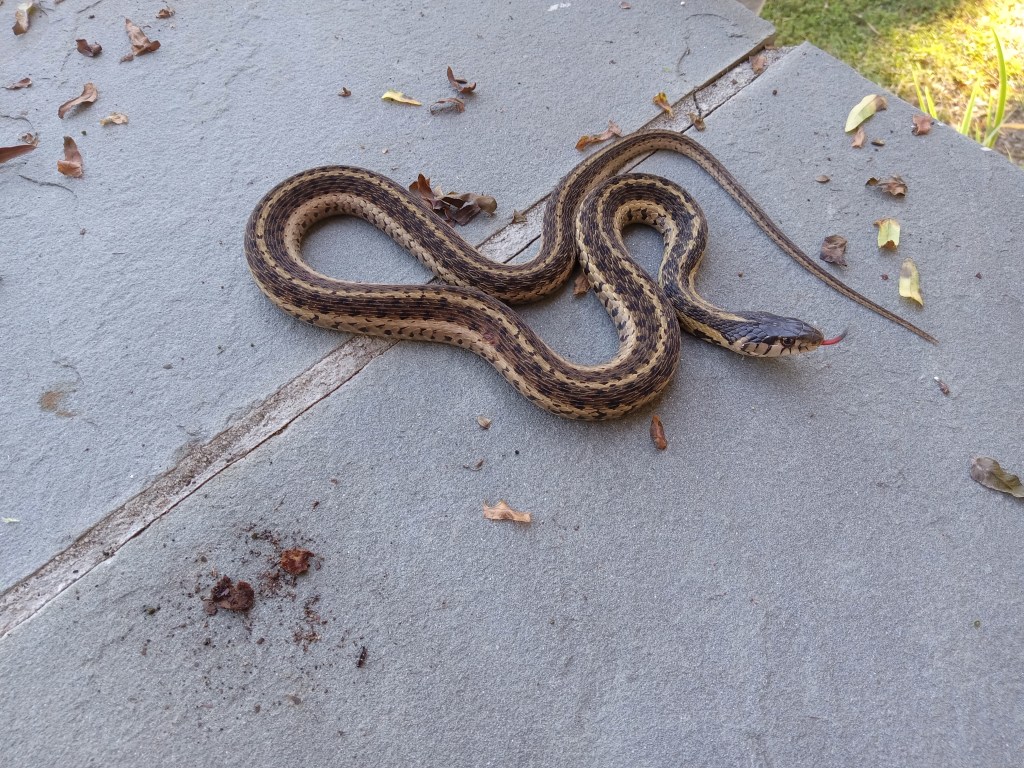
This week, the question was: This little guy was hiding under a flower pot. What kind of snake is it, and is it venomous? This is an Eastern garter snake. These nonvenomous snakes are pretty common in South Carolina and are active most of the year. They feed primarily on frogs, toads, worms, slugs, and…
-
Weekly Field Update – 10/3/22
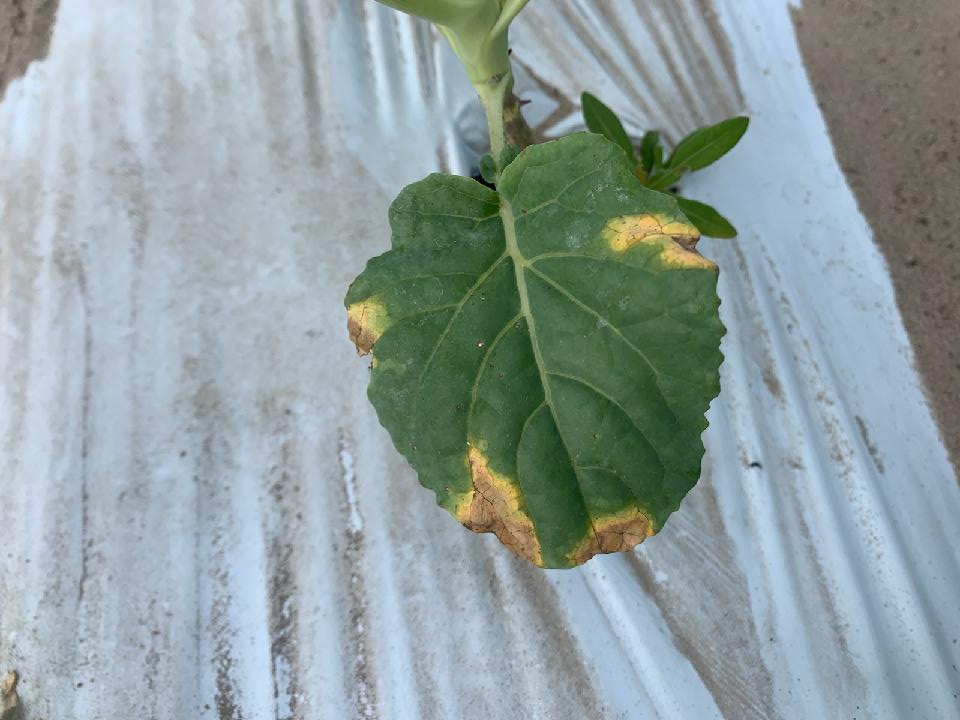
Do you grow cole crops? Do you have diamondback moth in your fields? Have you experienced reduced efficacy of insecticides to manage them? We are looking for cole crop farms throughout SC to collect diamondback moth larvae from. We will test these larvae in the lab against a range of common insecticides to determine if…
-
Question of the Week – Squash Beetle Trenching
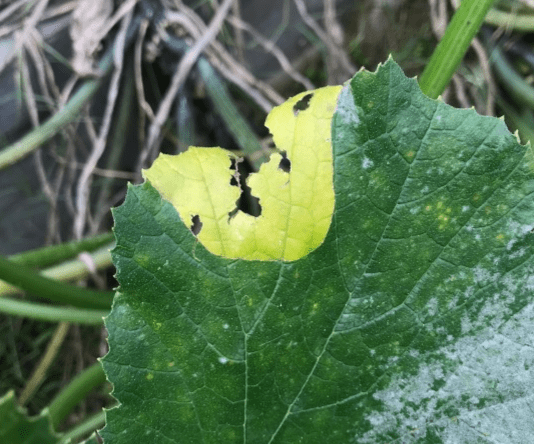
This week, the question was: Why is a portion of this squash leaf discolored? The light-colored tissue we see here is the result of squash beetle behavior known as “trenching.” Trenching cuts off (at least temporarily) the translocation of cucurbitacin defense compounds, to preserve the palatability and quality of the squash foliage feeding site. The beetles…
-
Hurricane Ian Preparation Considerations for Fruit and Vegetable Crops
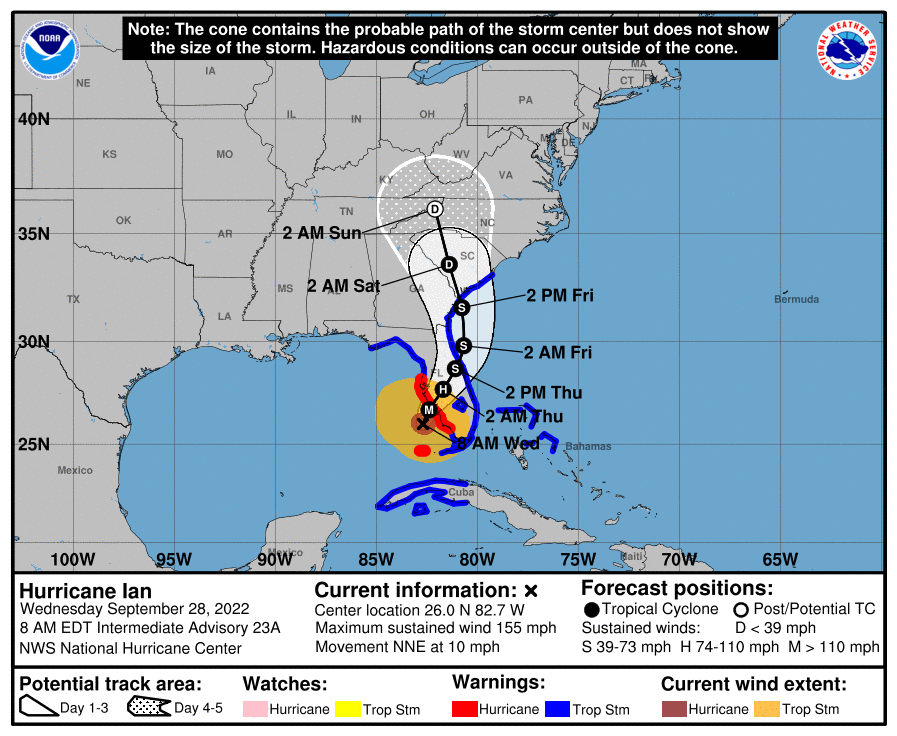
Hurricane Ian is approaching the Southeast and is expected to bring significant amounts of rain and heavy winds to South Carolina over the weekend. The latest forecasts show Ian making landfall south of Tampa, FL, and traveling northeast towards the Atlantic, then northward through western South Carolina. In preparation for the storm, please be safe…
-
Weekly Field Update – 9/26/22

Coming up this week, there are a couple more waste pesticide collection events: Lexington on 9/27 and York on 9/28. See more details on the Upcoming Events page. Be sure to scroll all the way to the bottom to see this week’s Question of the Week and check back on Thursday for the answer! Statewide…
-
Question of the Week – Large Leaf Spot
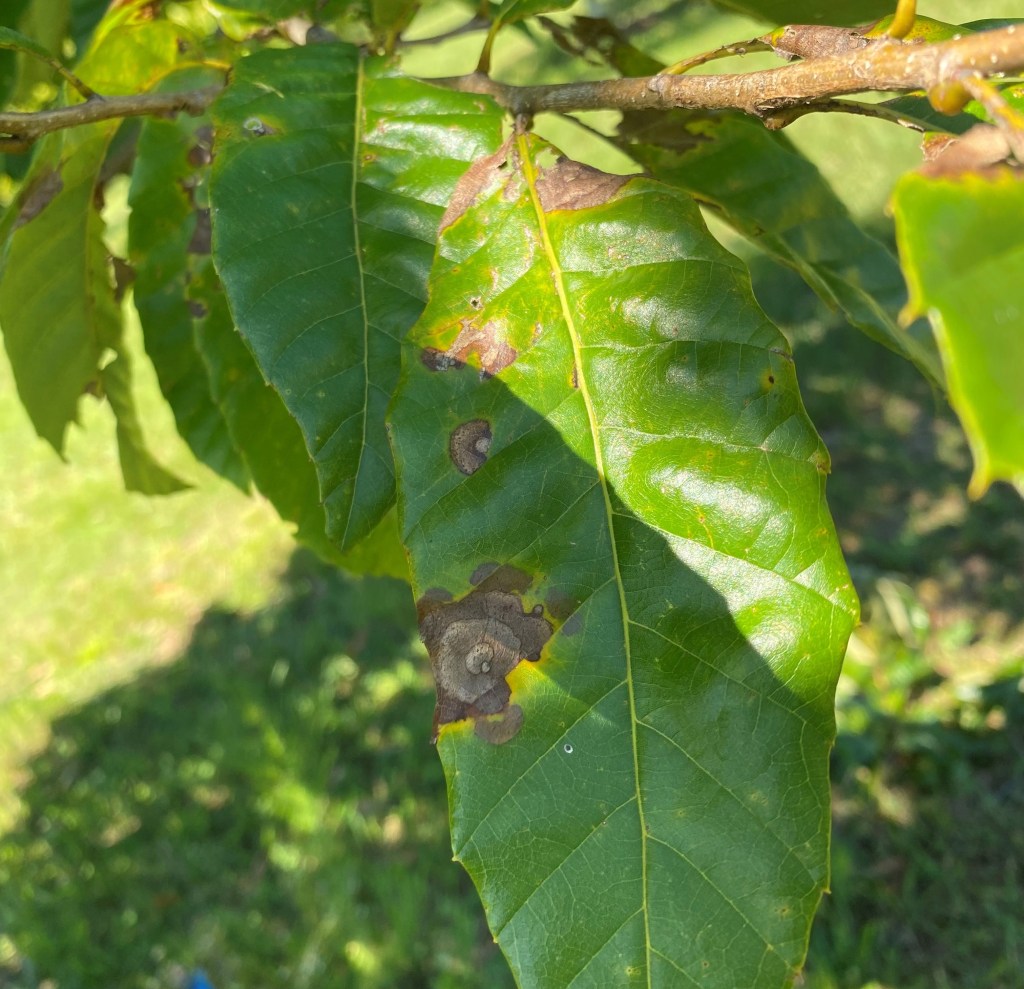
This week, the question was: What is wrong with this chestnut leaf? This leaf is showing symptoms of a fungal disease called large leaf spot (Monochaetia sp.) that affects oaks and chestnuts. The appropriately named spots may reach 2 inches wide and stretch across the entire leaf, killing large amounts of tissue. This disease is…
 The South Carolina Grower