Author: Justin Ballew
-
Question of the Week – Bird Damage
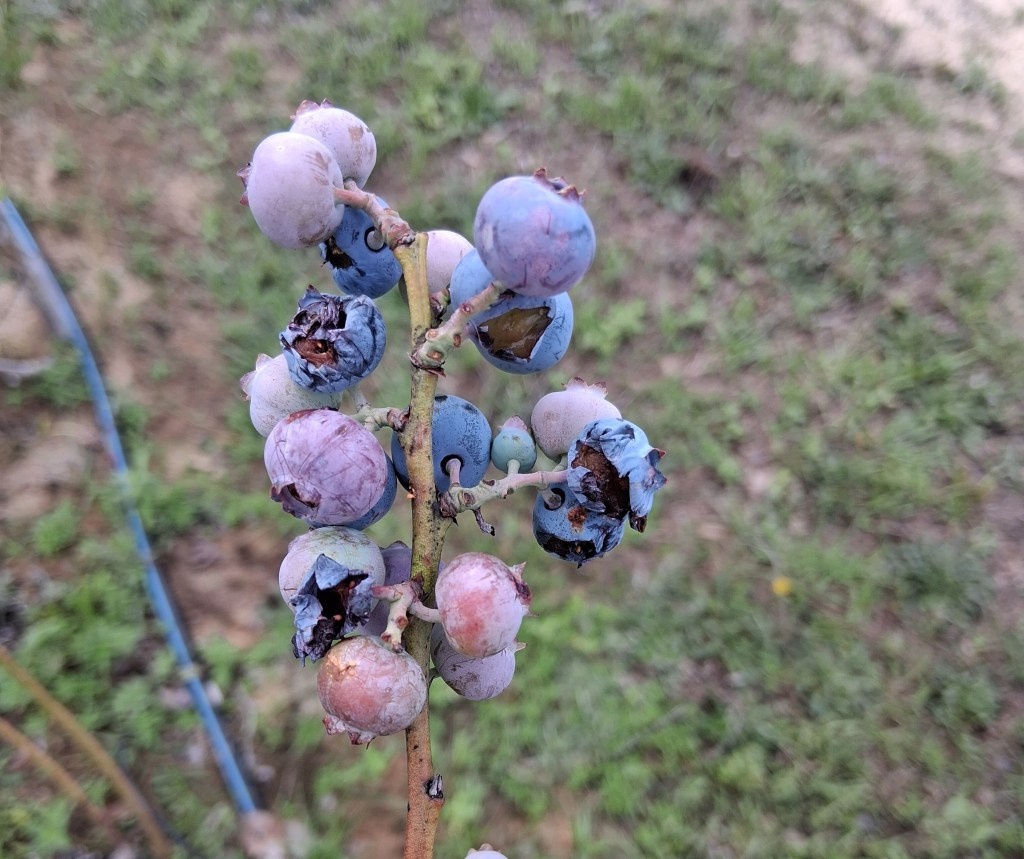
What happened to these blueberries Humans aren’t the only things that love blueberries. Birds treated these berries like a buffet. Birds are one of our biggest pests in blueberries. It is pretty common to find fruit with the skin torn and part of the flesh removed. Damage seems to be worse towards the top of…
-
South Carolina Field Update (June 1, 2026): More Rain, More Disease, Lots to Harvest
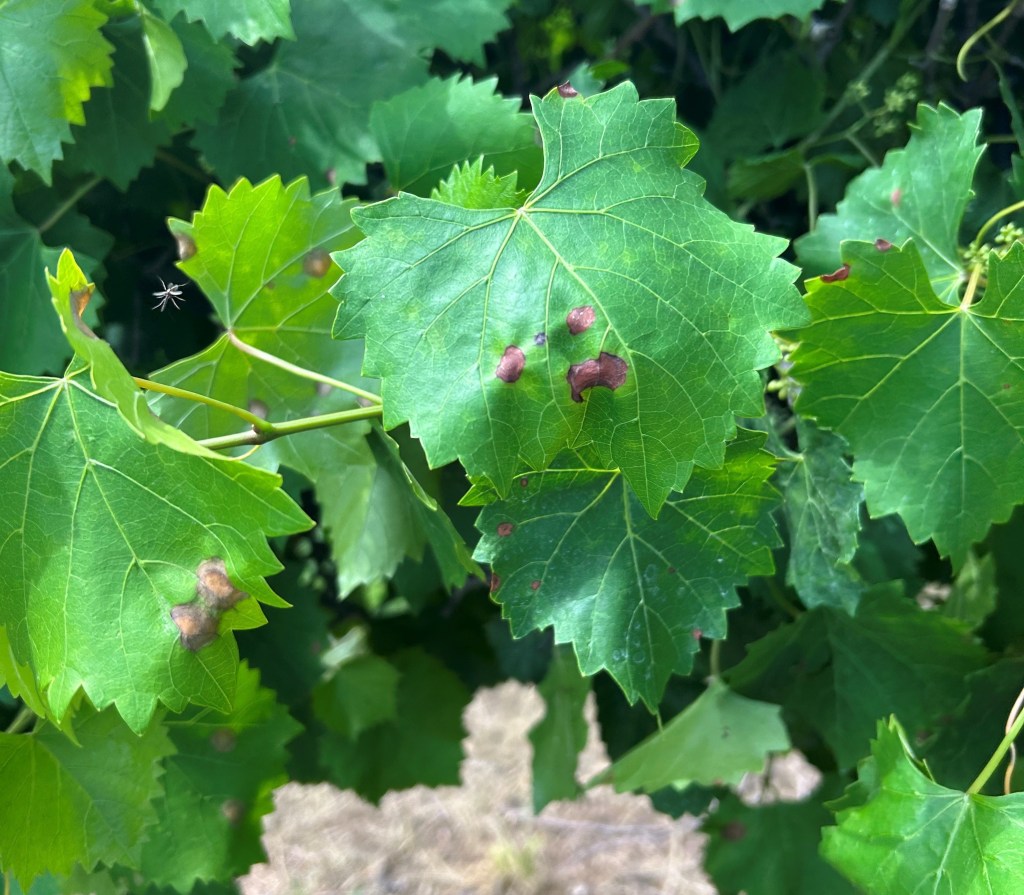
Many parts of the state received more rain last week, leading to flooded fields and increased disease pressure. Watermelons, peaches, blueberries, and numerous vegetable crops are now coming to harvest. Keep a close eye out for cucurbit downy mildew as it usually shows up around the first of June. Key Takeaways for Growers This Week…
-
Question of the Week – Guttation
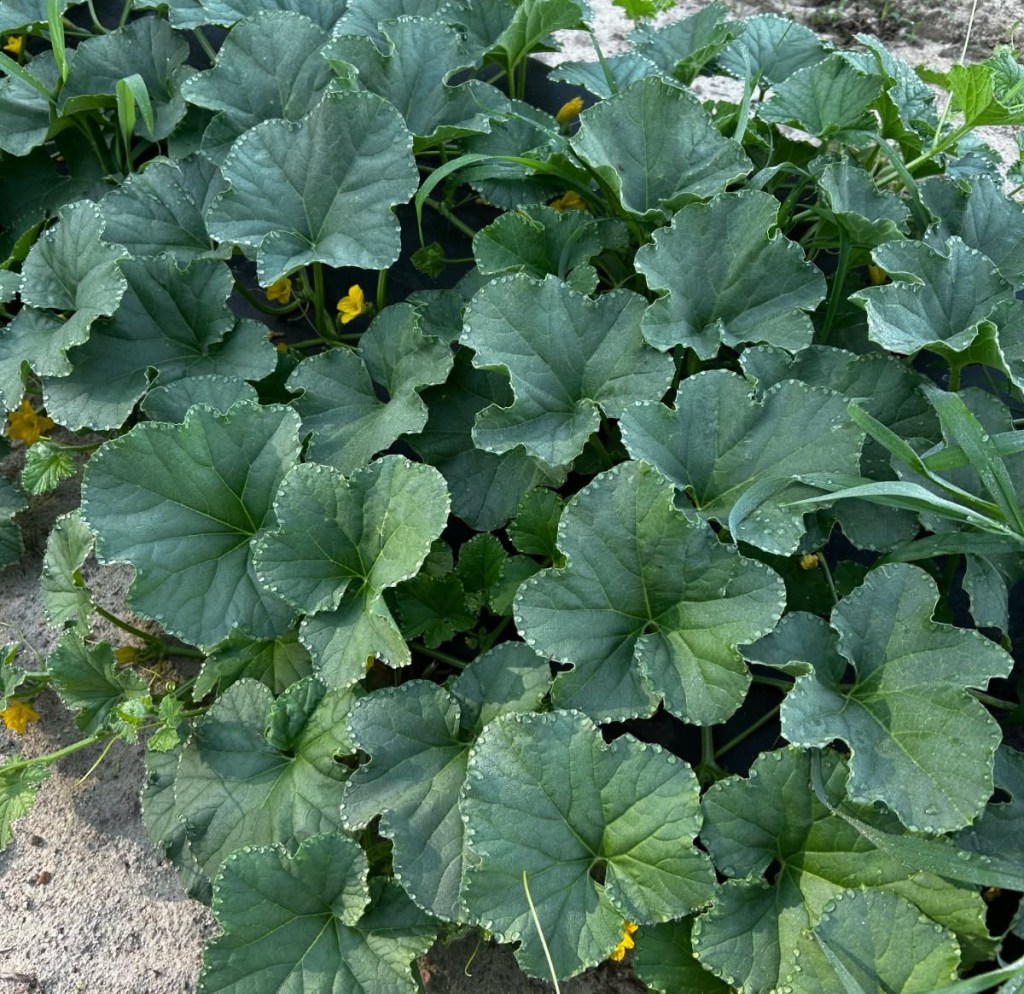
What causes these water droplets to form around the margins of these cantaloupe leaves? This interesting occurrence is known as guttation. Guttation is a biophysiocochemical and physiological phenomenon exhibited in many members of both the plant and fungi kingdoms. The root word “gutta” is Latin for drops and is commonly known as “leaf teardrops”. It is an accurate depiction of the “water” welling up in the plant and seeping from the tips, edges or…
-
South Carolina Field Update (May 26, 2026): Disease Management Is A Must Following Heavy Memorial Day Weekend Rain
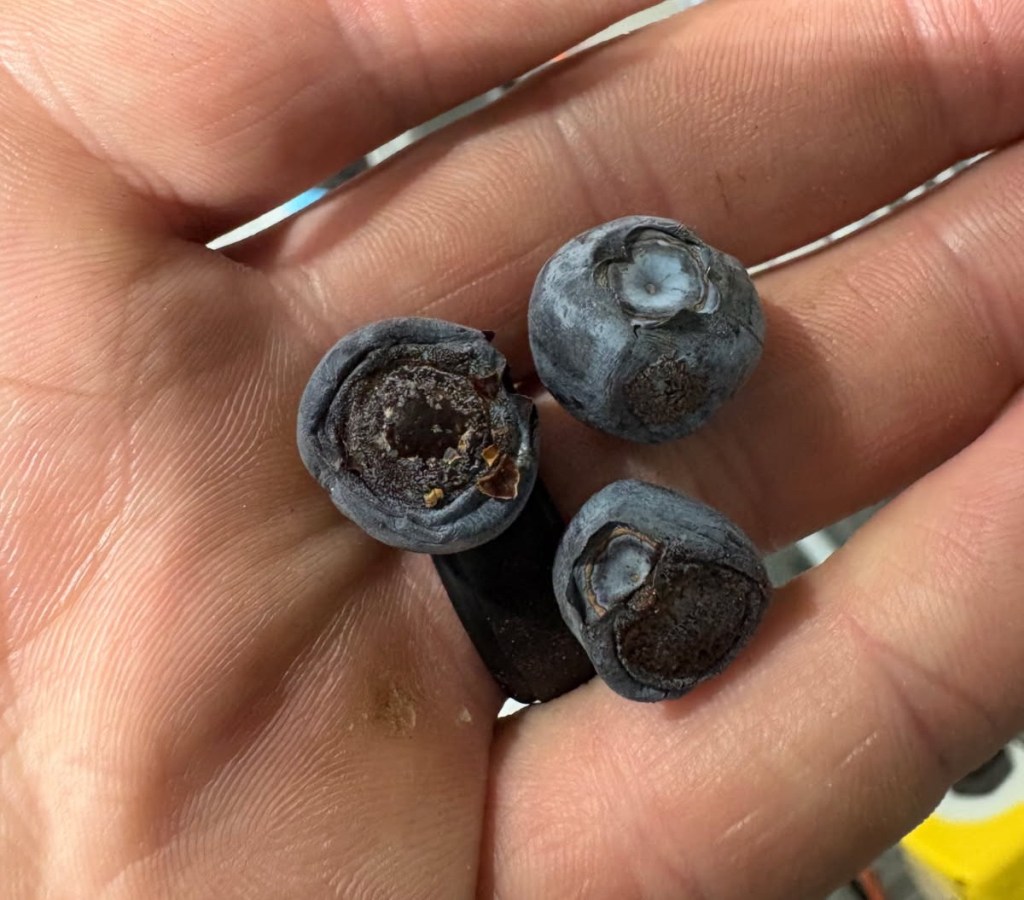
The Upstate and Midlands received heavy rain over the Memorial Day weekend, totaling 4-5 inches in places. While the Lowcountry and parts of the Pee Dee missed much of the rain, the forecast shows there is still a chance of some this week. Disease is expected to increase greatly, so stay on top of fungicide…
-
Question of the Week – Pineberry
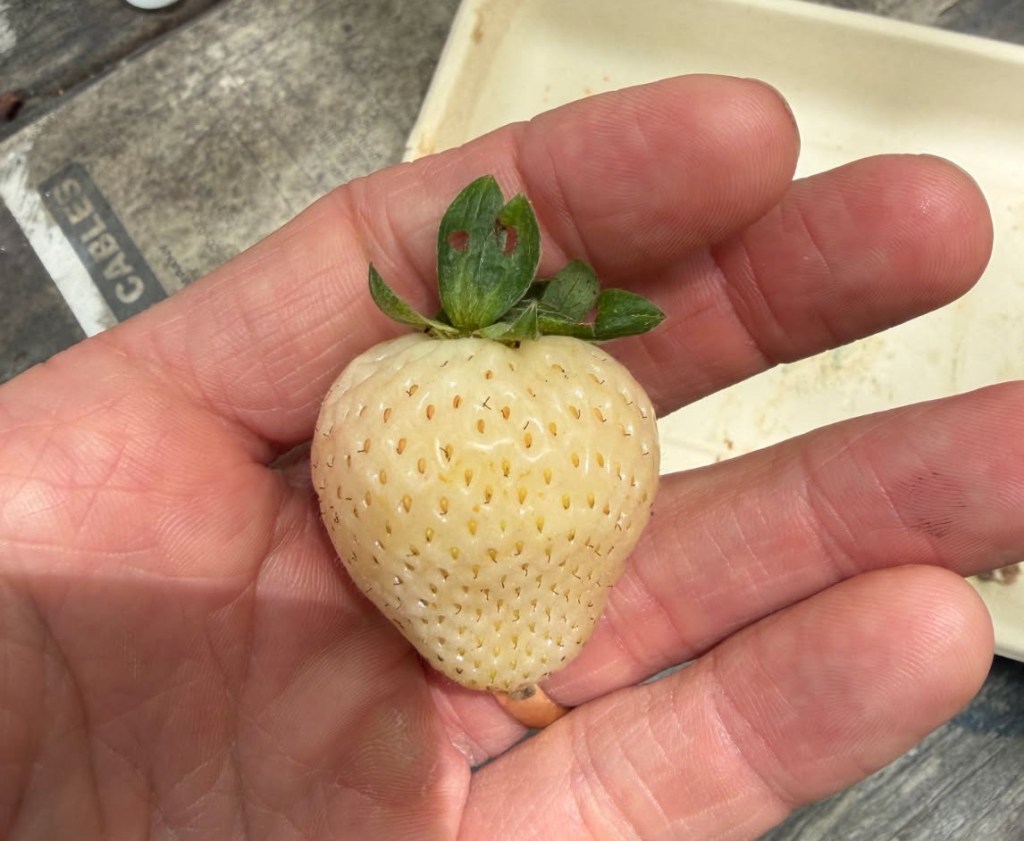
Why is this strawberry white? A strawberry that isn’t red? Meet the pineberry. Pineberries (Fragaria × ananassa) may look unusual, but they’re closely related to the strawberries we all know and love. In fact, they share the same genus, though they are considered different species and types altogether. The modern pineberry traces its roots back…
-
South Carolina Field Update (May 18, 2026): As Temperatures Rise, Insect Populations Follow Suit
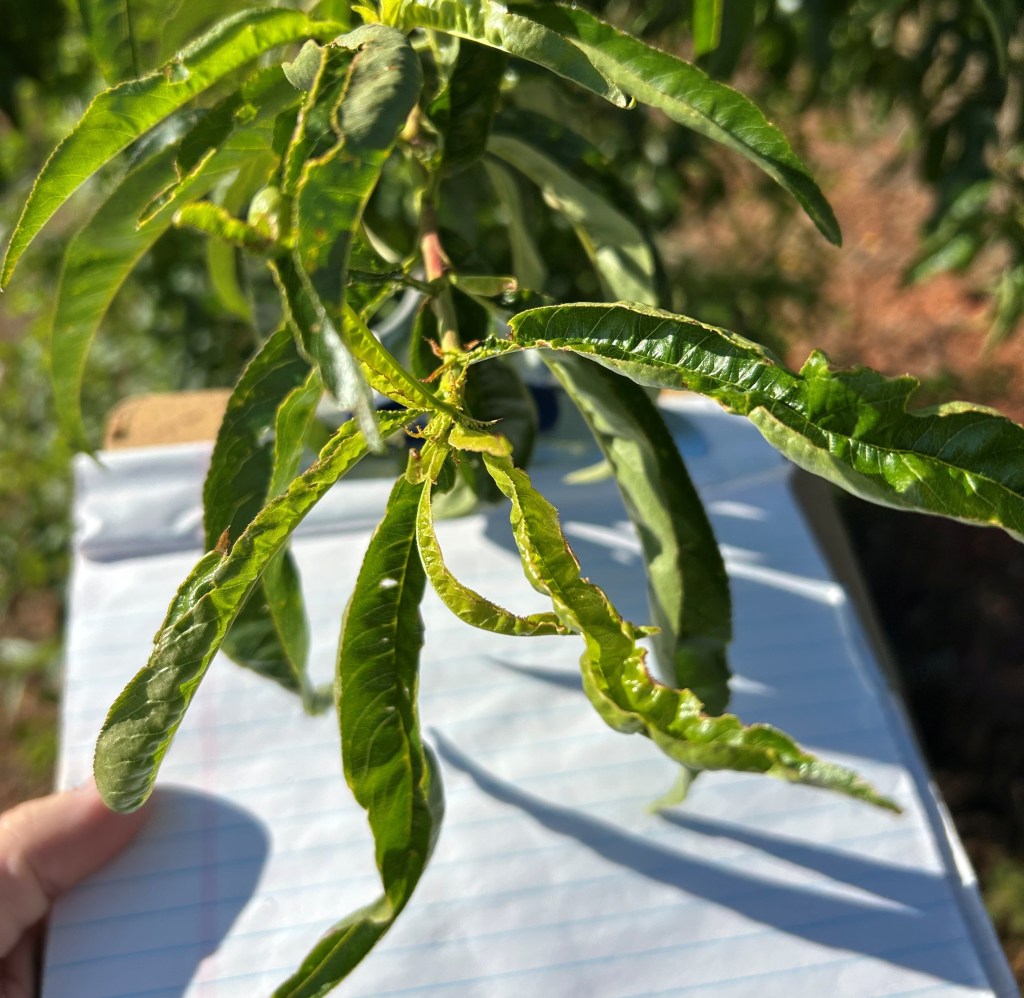
It’s starting to feel like summertime, with temperatures in the 90s this week. Insect populations have been rising, including leafhoppers, cucumber beetles, thrips, squash bugs and leaffooted bugs. Strawberries are still holding on as the blueberry harvest continues and the peach harvest expands. Key Takeaways for Growers This Week The weather forecast heats up this…
-
May Grower Spotlight – Watsonia Farms
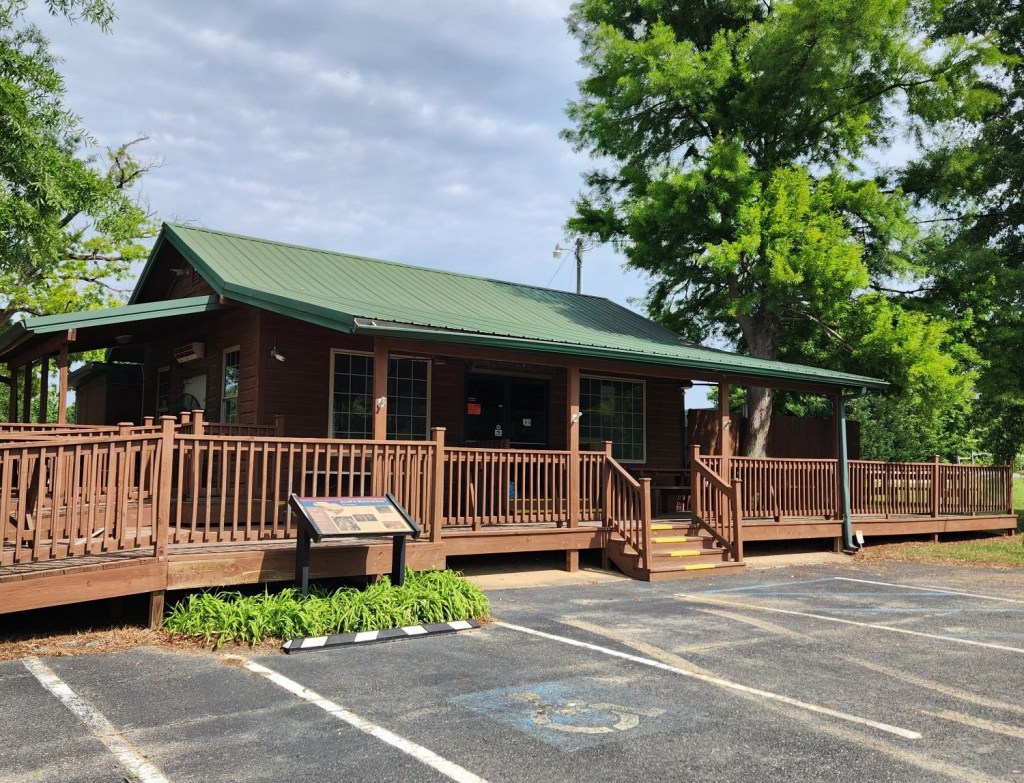
Where is Sarah visiting this week? Watsonia Farms is a fourth-generation, organic fruit and vegetable farm located in Monetta, SC. Founded in 1918 by Joseph H. Watson, Sr., the farm started out growing asparagus. Watson also helped form the Monetta Asparagus Association, which helped the region become known as the “asparagus capital of the world”…
-
Farmers’ Market Price Reports Now Available

By Kevin Burkett, Agribusiness Associate Clemson Extension is continuing a project to collect farmers’ market price data across the state. While some wholesale data is available from the South Carolina State Farmers Market in Columbia, this project aims to collect previously unknown or unreported direct, local, urban and rural data. Local farmers’ markets play an…
-
South Carolina Field Update (May 11, 2026): Insects and Disease Increase as Forecast Shows Warming Trend
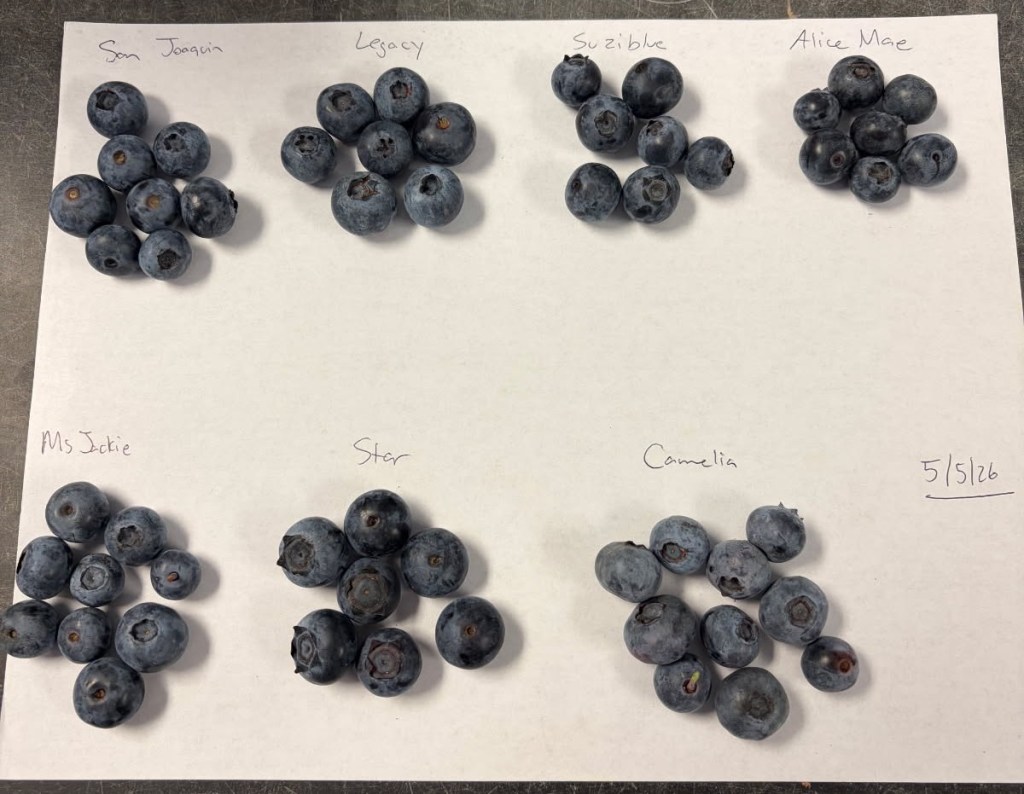
As more rain fell in parts of the state last week, disease and insect pressure began to increase. We’re seeing leafhoppers, sap beetles, thrips, and some caterpillars. Various root rots have been appearing in strawberries. Blueberries and other summer crops are looking good. Key Takeaways for Growers This Week Insect pressure is on the rise…
-
Question of the Week – Stink Bug Damage

Why is this developing peach bleeding this gummy substance? The clear, gummy substance on this developing peach is called gummosis. Gummosis occurs when the fruit has been damaged mechanically or by disease, cold, or insects. The most likely culprit here is stink bugs. Damage may take more than a week to appear, so it is…

