Author: Justin Ballew
-
July Grower Spotlight – Phil Sandifer and Sons Farms

Where is Anna Sara visiting this week? For this month’s Grower Spotlight, and in celebration of National Watermelon Month, Anna Sara visited Phil Sandifer and Sons Farms. They are a third-generation family-run farm that specializes in commercial watermelon and cantaloupe production. The beautiful 2,300-acre farm is bordered by the South Fork of the Edisto River and…
-
Weekly Field Update – 7/14/25
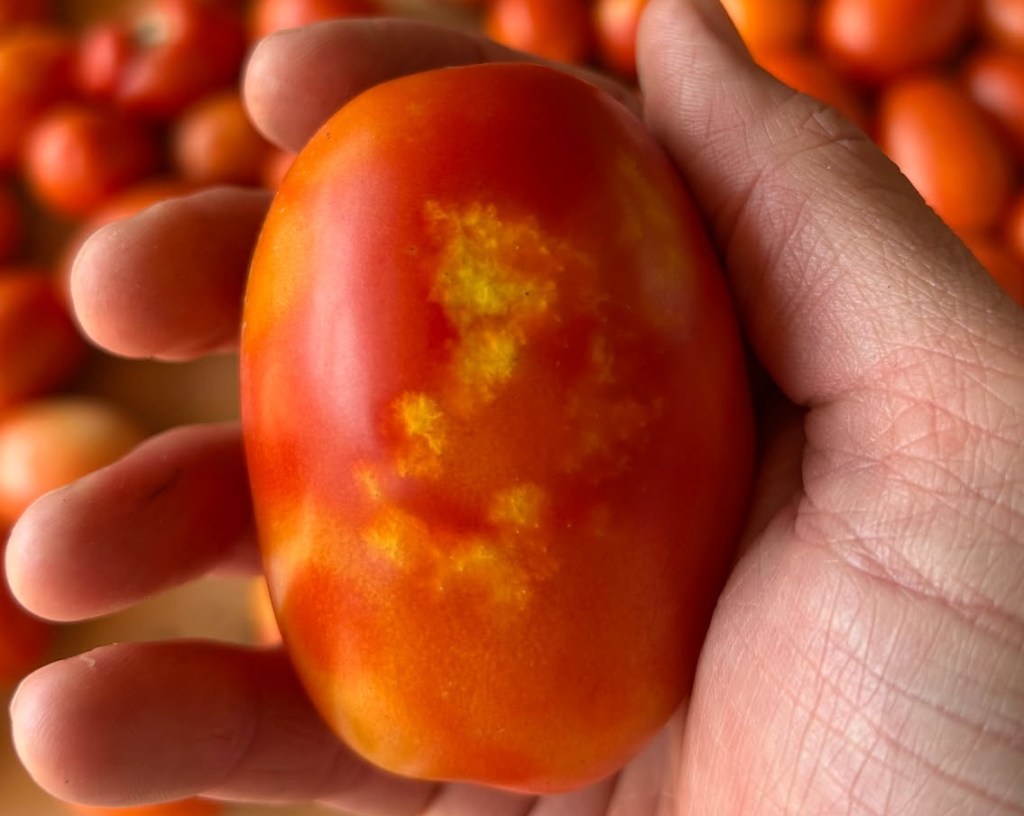
It has been hot and humid around the state. Several thunderstorms have come through the state bringing some much-needed rain. Plenty of disease is present, including gummy stem blight, anthracnose, and downy mildew. Piercing/sucking insects are causing damage as well. See details below. Keep an eye on the Upcoming Events tab periodically so you don’t…
-
Invasive Spotted Lanternfly Detected in South Carolina

From Clemson’s Department of Plant Industry The spotted lanternfly (Lycorma delicatula), an invasive insect known for damaging grapes, hops, stone fruits, and hardwood trees, has been detected for the first time in South Carolina. Clemson University’s Department of Plant Industry (DPI) confirmed the presence of the pest in the cities of Greenville and Seneca. The…
-
Question of the Week – Potter Wasp Nest
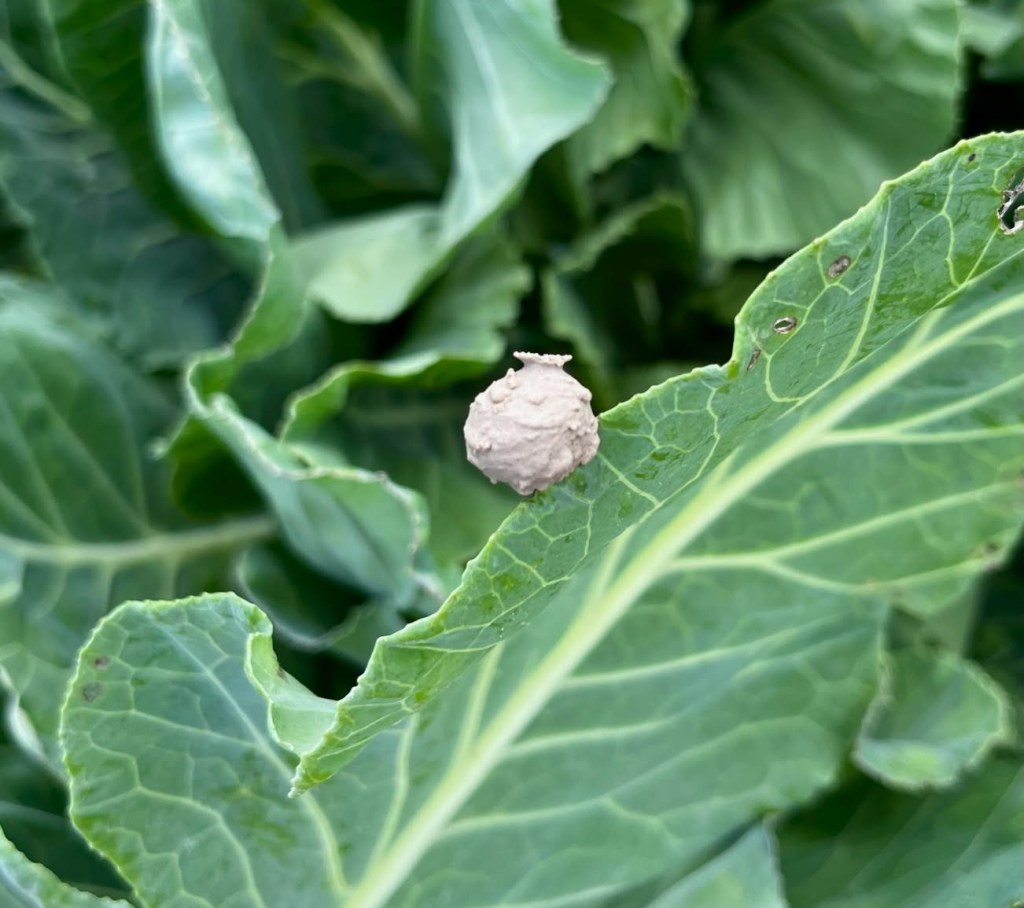
What has Tom found on stuck to this collard leaf? This deft clay creation is the work of a potter wasp. Potter wasps are a diverse group of wasps in the subfamily Eumeninae (which is part of the large and diverse wasp family Vespidae), although only a handful of species make the elegant clay pot-like…
-
Weekly Field Update – 7/7/25
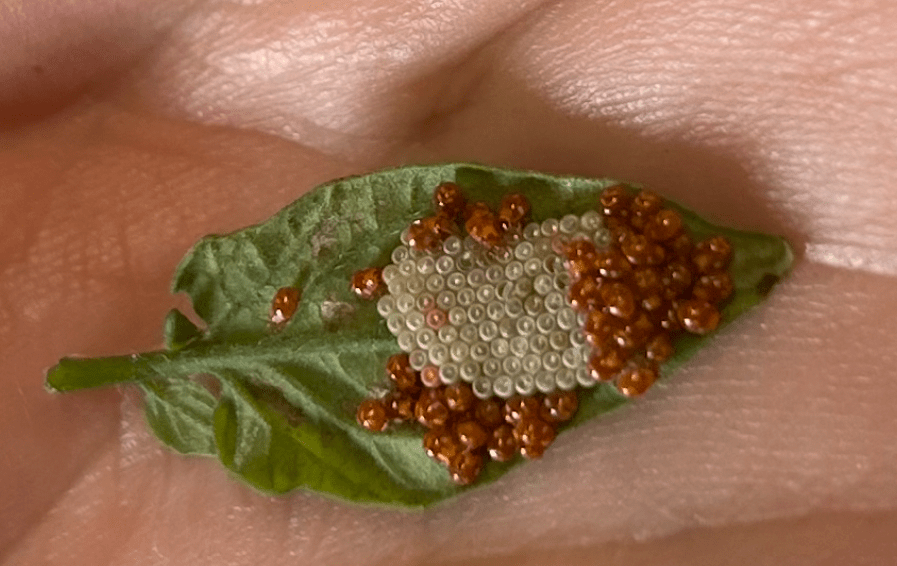
After some rain and wind in the Pee Dee from Tropical Storm Chantal on Sunday, the week is off to a hot start. Watermelons, peaches, tomatoes, peppers, etc. are being harvested. Disease and insect pressures are climbing. See details below. Keep an eye on the Upcoming Events tab periodically so you don’t miss any of…
-
Question of the Week – Squash Virus
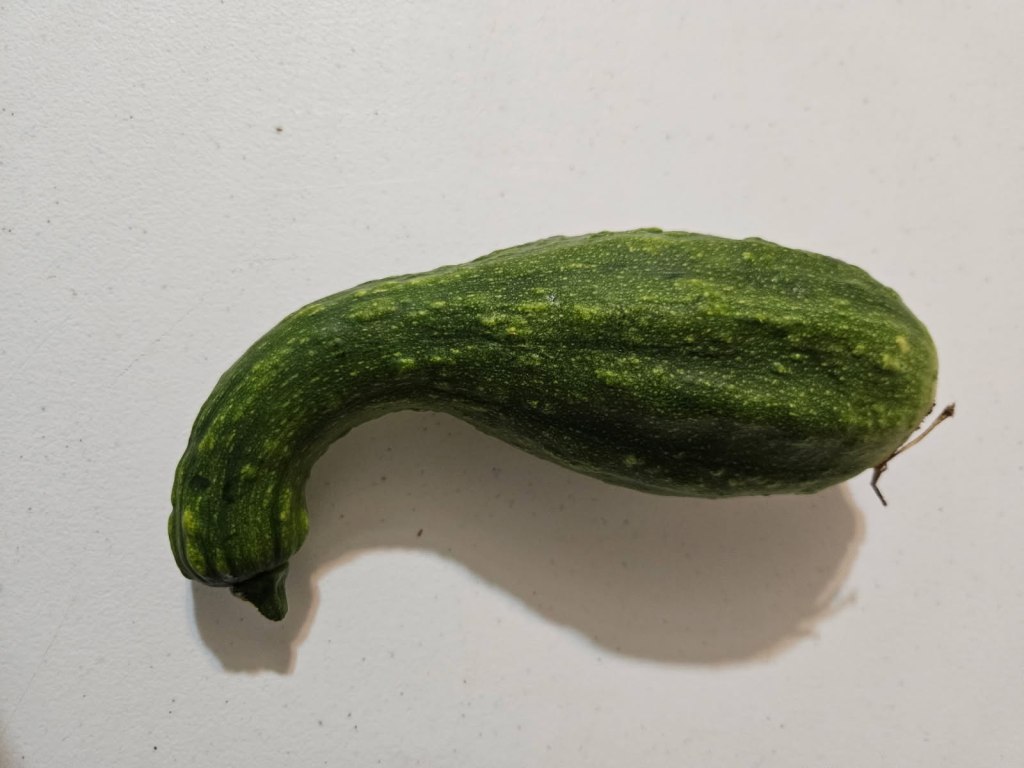
Did Zack find a hybrid squash-cucumber this past week? What is going on here? No, this is not a new hybrid squash-cucumber. And no, just because these two crops were planted beside each other, they did not cross-pollinate and create a unique baby. This squash fruit is showing symptoms of a virus. Most viruses in cucurbits are…
-
Weekly Field Update – 6/30/25
Keep an eye on the Upcoming Events tab periodically so you don’t miss any of our winter/spring meetings. Also, check out the latest episode of the SC Grower Exchange Podcast below. Don’t forget to look at our Resources tab for links to crop handbooks, helpful websites, and related blogs. Be sure to scroll all the…
-
Question of the Week – Congaree National Park

Where is Justin this week? Justin is doing some kayak fishing on the Cedar Creek in the Congaree National Park. Congaree is South Carolina’s only National Park. Located just southeast of Columbia, the park is day-trip distance from just about anywhere in the state. The park is over 26,000 acres and is the largest remaining…
-
Gray Leaf Spot on Heirloom Tomatoes
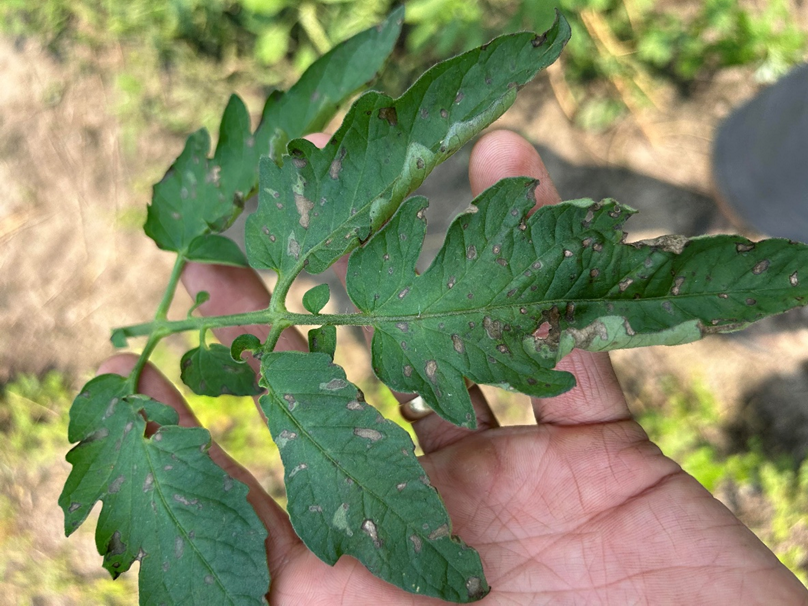
From Clemson Plant Pathologist Tony Keinath Gray leaf spot has been found in a home garden in Greenville County and on a farm in Charleston County, South Carolina. This disease is the most common foliar problem on heirloom tomatoes. ‘Cherokee Purple’ is particularly susceptible. The recent hot, humid, rainy weather is ideal for the gray…
-
Weekly Field Update – 6/23/25

Keep an eye on the Upcoming Events tab periodically so you don’t miss any of our winter/spring meetings. Also, check out the latest episode of the SC Grower Exchange Podcast below. Don’t forget to look at our Resources tab for links to crop handbooks, helpful websites, and related blogs. Be sure to scroll all the…
 The South Carolina Grower