Tag: fusarium
-
Weekly Field Update – 9/2/25
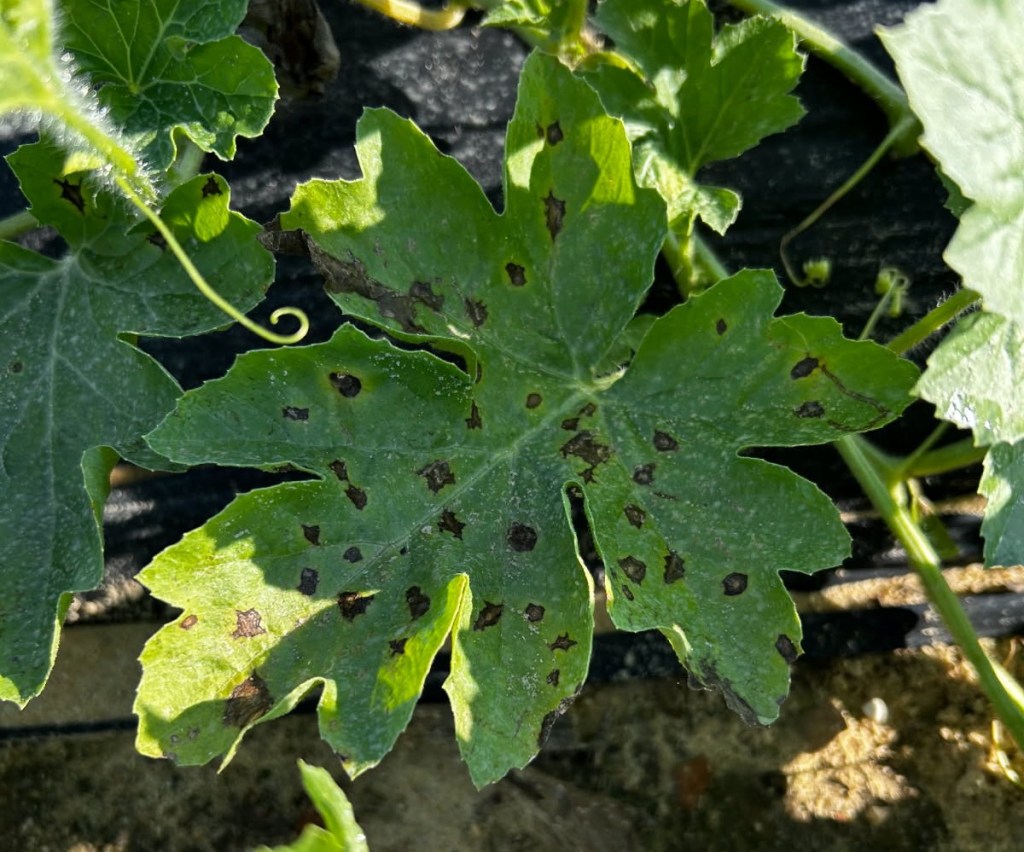
Cooler weather this past week has given us a preview of Fall. Though the moisture has dried up, we are still seeing elevated levels of disease. Spider mite and caterpillar populations are climbing in places also. See details below. Keep an eye on the Upcoming Events tab periodically so you don’t miss any of our…
-
Weekly Field Update – 8/25/25
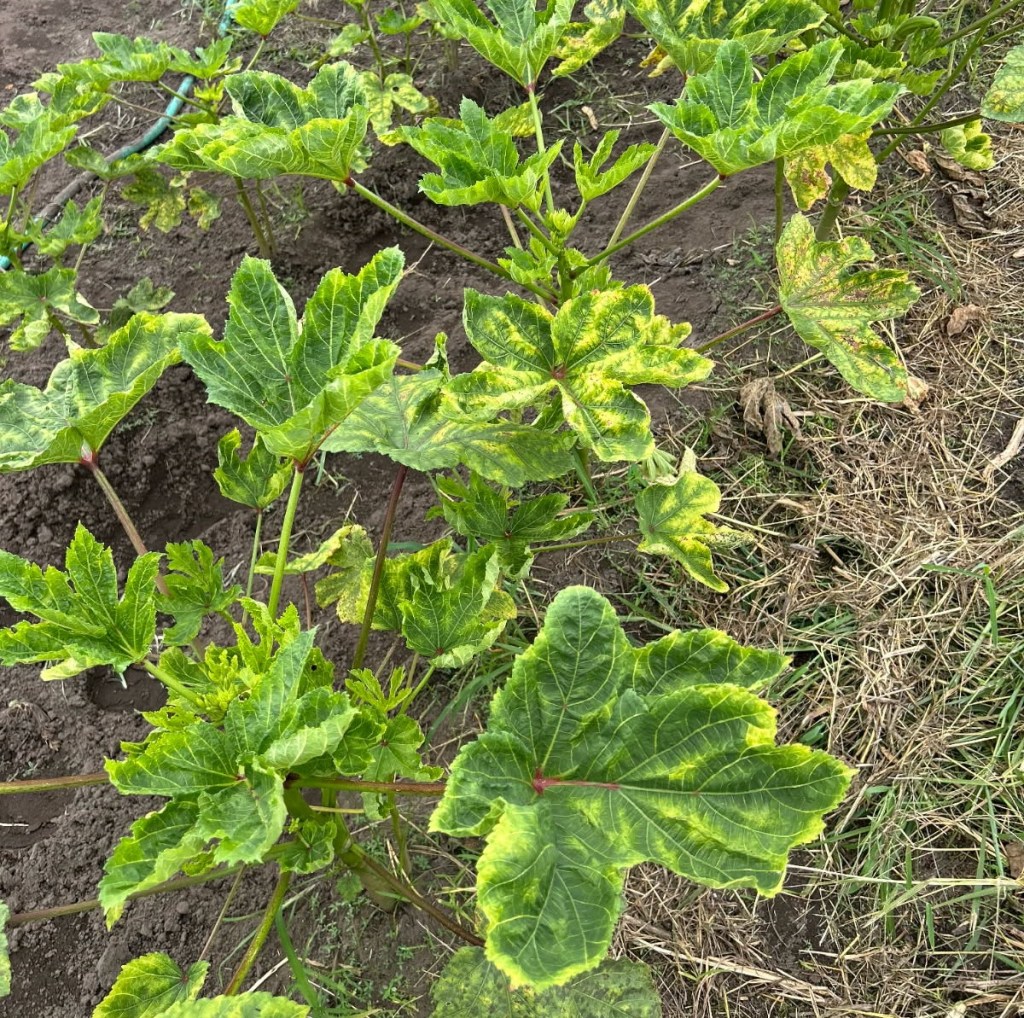
We received more rain over most of the state last week which is holding up some field operations. Two-spotted cotton leafhoppers have been found in most okra and eggplant fields on the coast. Disease remains high also. See details below. Keep an eye on the Upcoming Events tab periodically so you don’t miss any of…
-
Weekly Field Update – 8/18/25
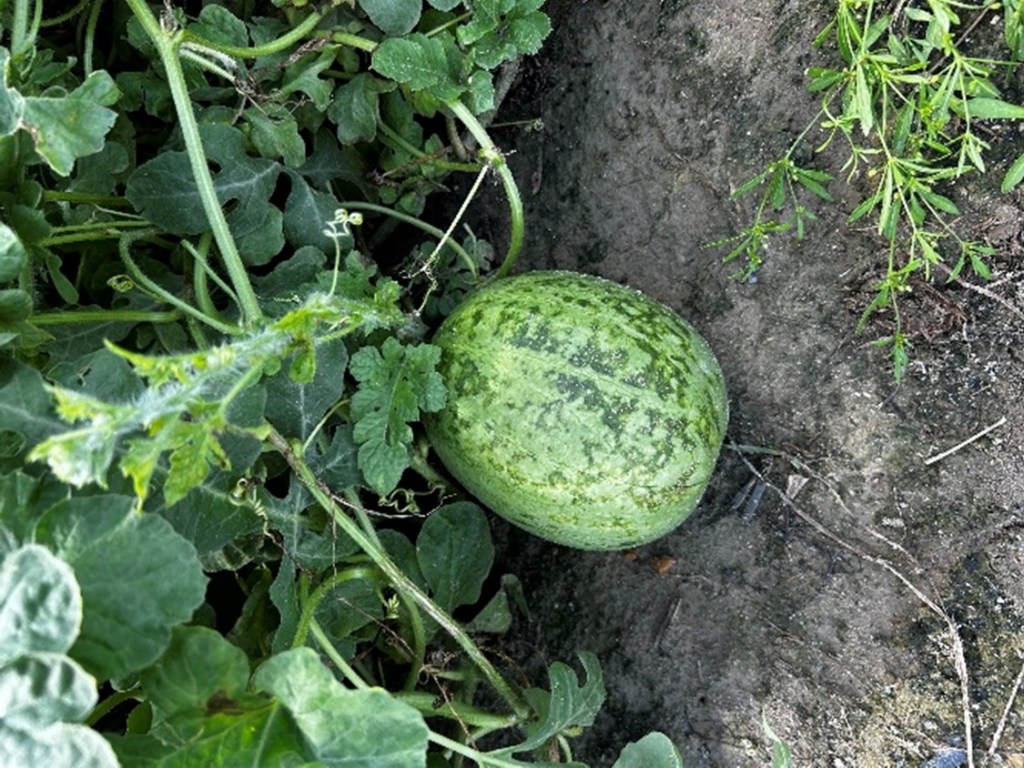
Though more rain fell last week, warm temperatures returned. Fall planting continues and establishment is going well. Disease pressure remains high as regular rain continues. See details below. Keep an eye on the Upcoming Events tab periodically so you don’t miss any of our winter/spring meetings. Also, check out the latest episode of the SC…
-
2023 Fusarium Wilt on Seedless Watermelon Experiment – Week 3 Observations
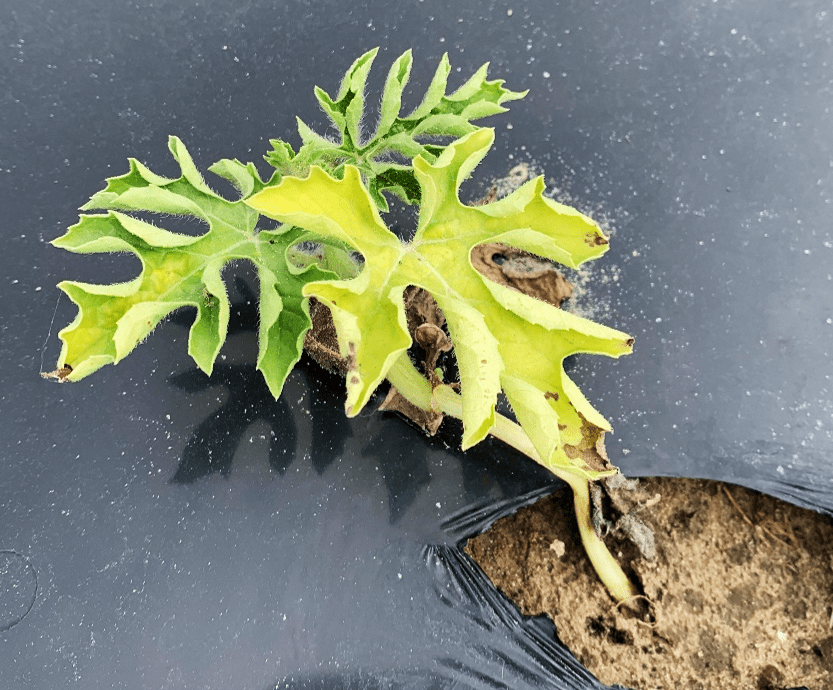
From Clemson Plant Pathologist Tony Keinath This year’s Fusarium wilt experiment includes three seedless cultivars, three fungicide treatments applied via drip irrigation, and grafting. This experiment is supported in part by a USDA SCRI grant. There also is a side experiment with SP-7 pollenizers grafted onto ‘Carolina Strongback’ rootstock and non-grafted SP-7 supported in part…
-
Pythium Damping-Off of Seedless and Pollenizer Watermelons
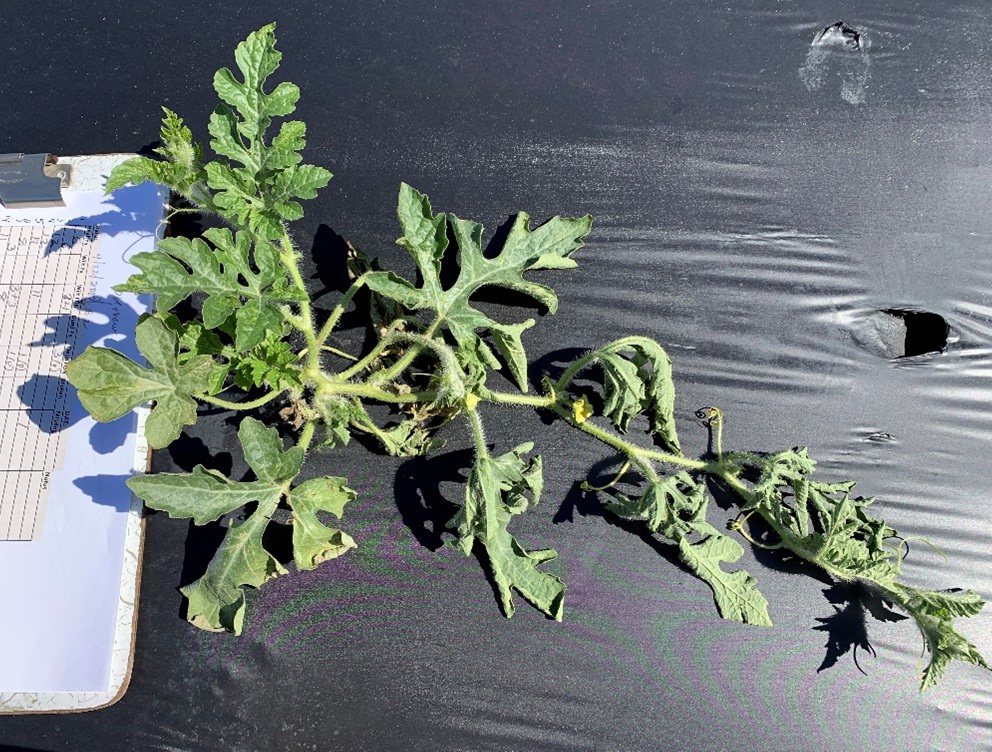
From Clemson Plant Pathologist Tony Keinath. Stand loss in transplanted spring seedless watermelons is usually not a serious issue in South Carolina, due to relatively sandy soils in the major production areas. Two pathogens that can cause post-transplanting damping-off and plant death are the fungus Fusarium and the water mold Pythium. Fusarium can kill seedlings…
-
How Seedless Watermelon Cultivars React to Fusarium Wilt: Average Results of 2021 and 2022 Trials
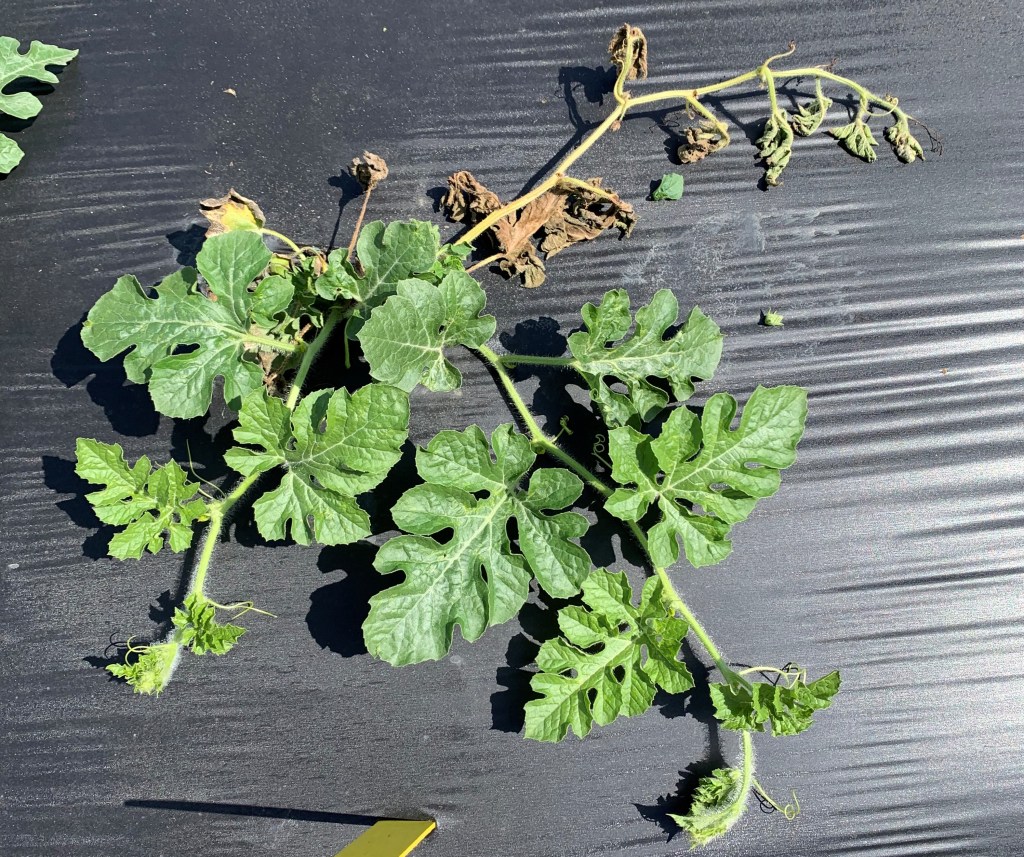
From Tony Keinath, Extension Vegetable Pathologist. As part of a large USDA Specialty Crop Research Initiative grant, I have been working with Dr. Jonathan Schultheis, Horticulturist at NCSU, to evaluate seedless watermelon cultivars grown in plots naturally infested with the Fusarium wilt fungus. The South Carolina trials were done in my Fusarium-infested field at the…
-
Weekly Field Update – 9/6/22
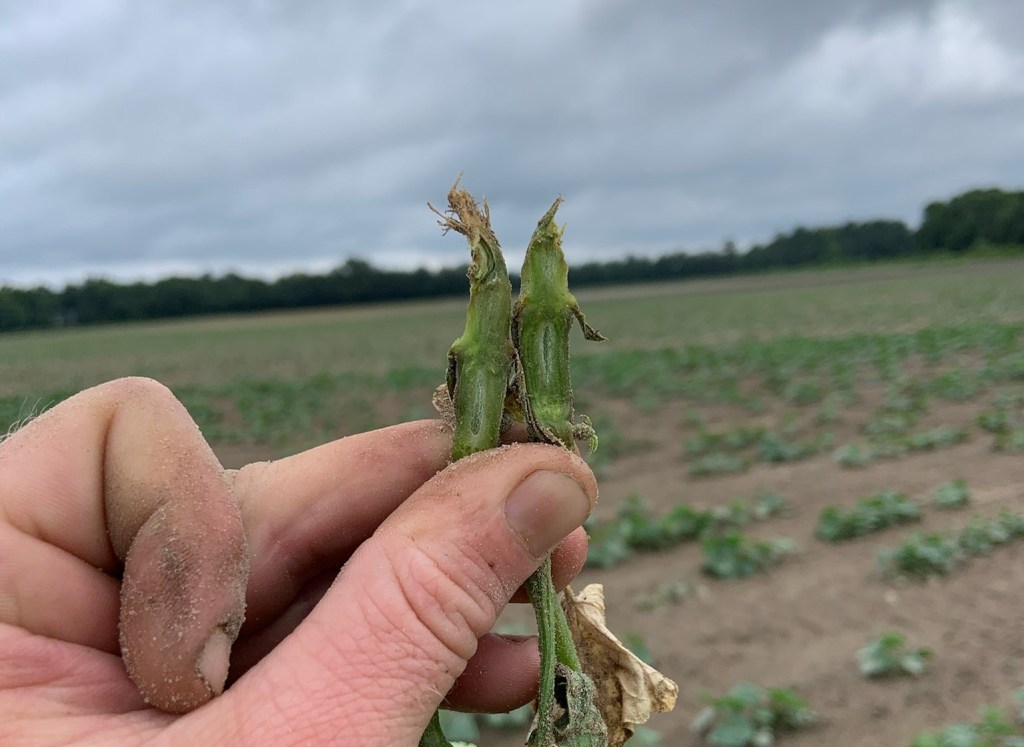
Coming up this Friday (9/9) is the 2022 SC Farmer Resource Rodeo from 9 am-4:30. This will be a good opportunity for newer farmers to connect with organizations that provide resources to farmers in SC. Visit scnewfarmer.org to register. For anyone growing leafy greens and brassica crops, please take a moment to fill out this…
-
Field Update – 5/18/20
Statewide Dr. Tony Keinath reports, “With the cooler-than-normal spring weather, two cool-season pathogens also may be active longer than normal. Downy mildew on brassicas, especially kale and collard, mainly affects the lower leaves. Sometimes it will move up onto the larger leaves in the middle of the plant. With a hand lens, you can see…
 The South Carolina Grower