Tag: Strawberries
-
Question of the Week – Lady Beetle Larva
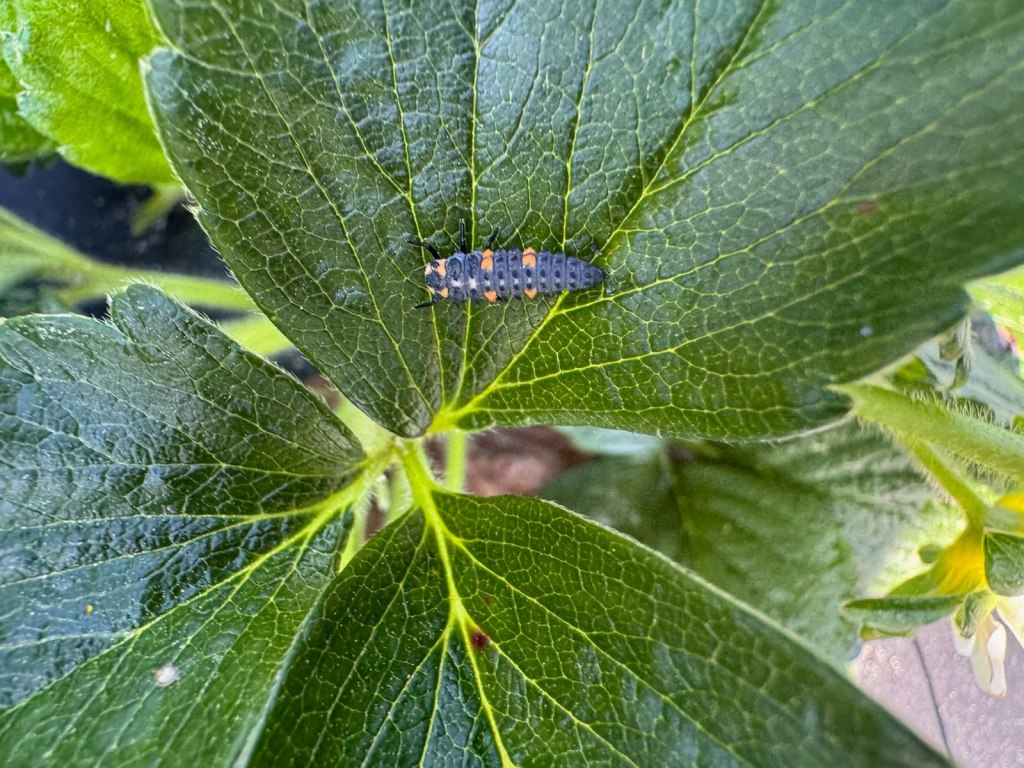
What is this wild-looking critter? This is a lady beetle larva. While it might look strange and undesirable, it’s actually a good thing to find in the field. These larvae, like the adults, have quite an appetite and can help control certain pest populations, especially aphids. Encouraging beneficial insects by avoiding broad-spectrum insecticide applications is…
-
New Downloadable Guide for Scouting and Spraying Spider Mites in Strawberries
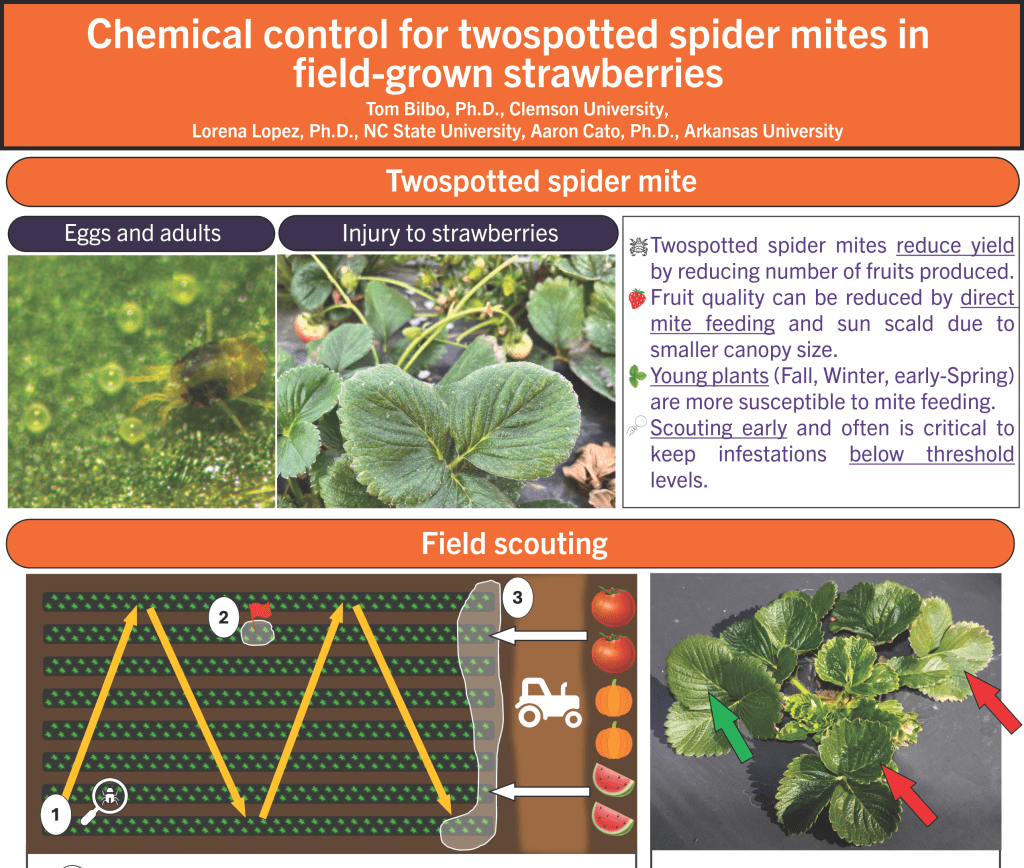
By Tom Bilbo, Extension Entomologist Twospotted spider mites (Tetranychus urticae) are the key economic pest of strawberries in South Carolina. They are common in both conventional and organic production systems and reduce the number of berries produced. Spider mites can come into fields on transplants, or blow into fields from nearby host plants or adjacent…
-
South Carolina Field Update (March 16, 2025): Developing Strawberries At Risk of Frost Injury

After another week of warm weather, multiple nights are forecast to dip below freezing. This comes as strawberries and blueberries across the state are in full bloom, with strawberry harvest rapidly approaching. Other cool-season crops are progressing well. See details below. Key Takeaways for Growers This Week Cold weather is coming – be ready to…
-
Weekly Field Update – 3/9/26
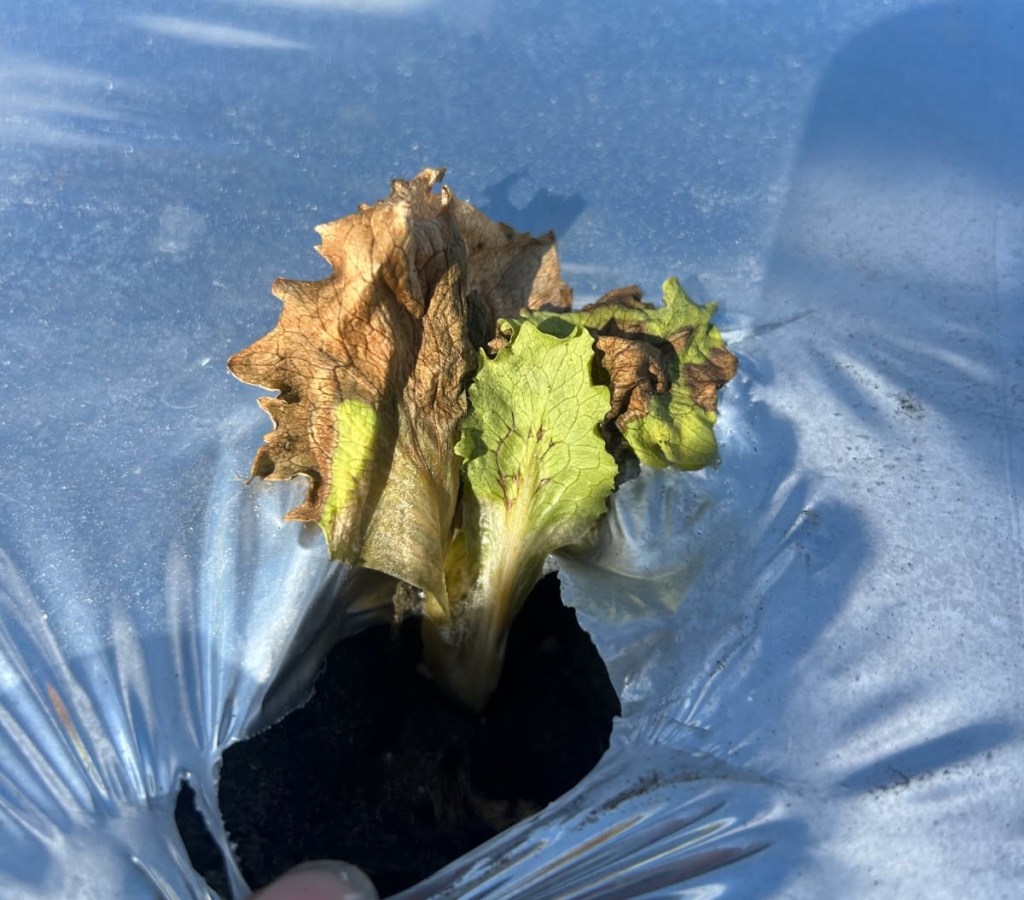
Warm weather and rain will have crops growing quickly this week. This is also a recipe for disease development. As strawberries, blueberries, and other small fruits progress, stay on top of disease management and scout closely. See details below. Keep an eye on the Upcoming Events tab periodically so you don’t miss any of our…
-
Question of the Week – Cold
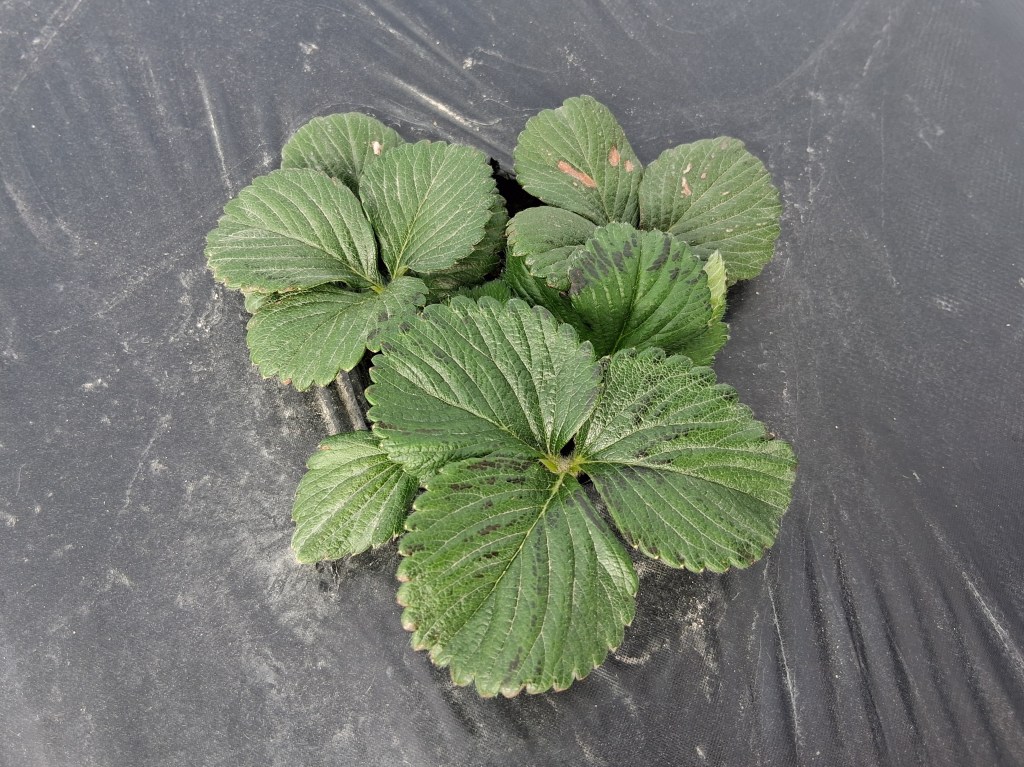
What caused the darkened (black-looking) patches on these strawberry leaves? This darkening occurred where the row covers were contacting the leaves during a cold event. While plants throughout the field sustained minor foliar burns from the cold, the row covers successfully protected the crowns. The new growth looks fine, and the plants will quickly grow…
-
Weekly Field Update – 3/2/26
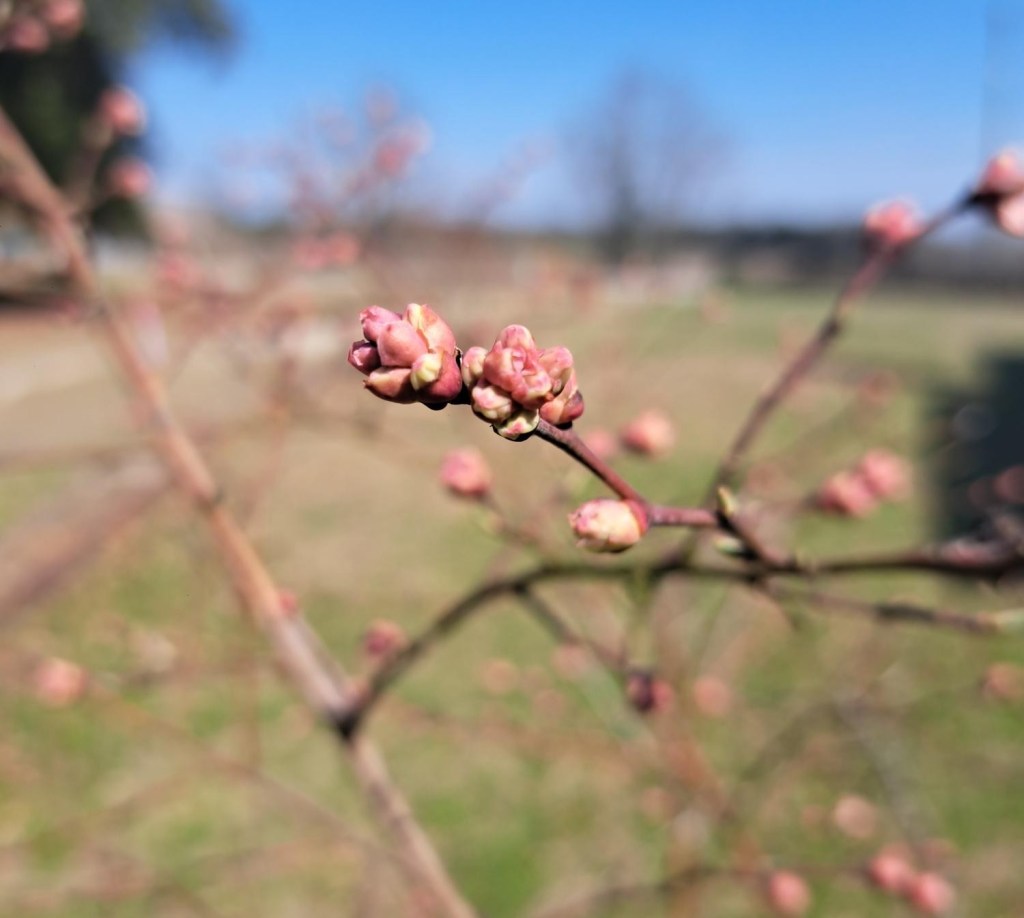
After some rain and warm weather, crops will begin moving quickly this week. Now is a good time for strawberry tissue sampling and disease resistance screening. With more rain in the forecast, make sure you’re staying on top of disease control programs. See details below. Keep an eye on the Upcoming Events tab periodically so…
-
Question of the Week – Aphids
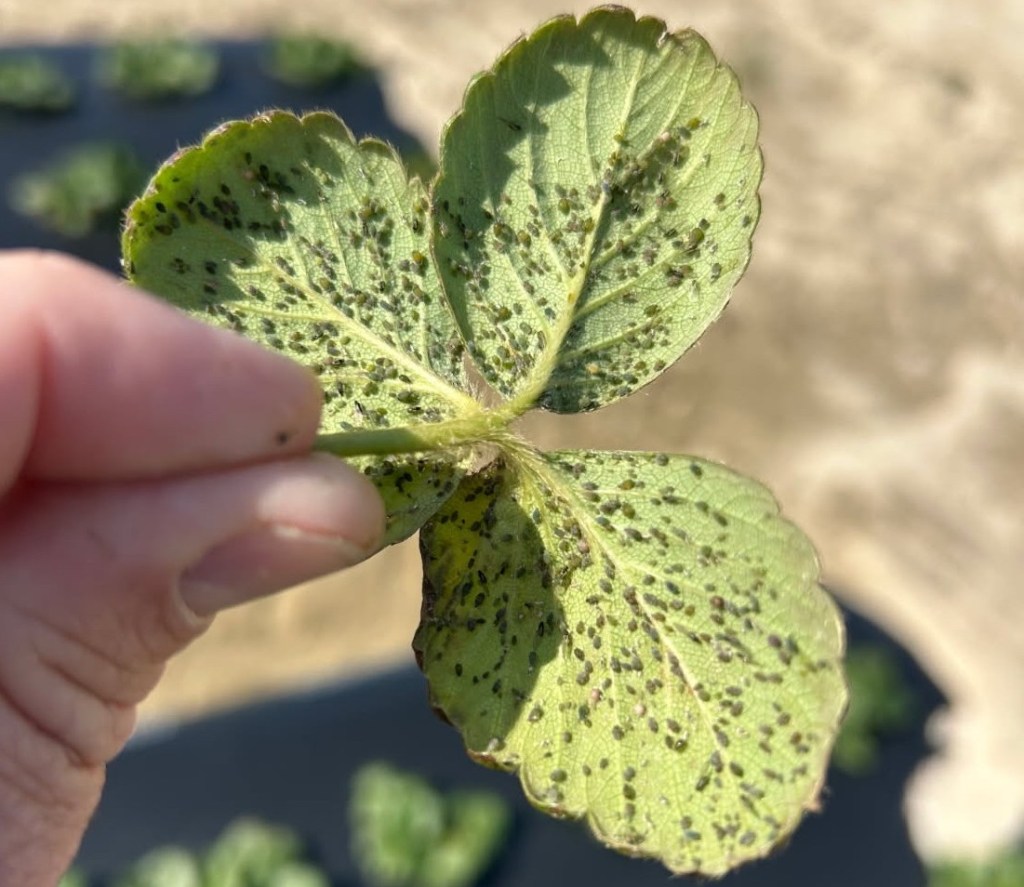
What is all over the underside of these strawberry leaflets? These leaflets are infested with aphids. Finding aphids on strawberry plants is common this time of year, especially on plants that have been covered to protect them from the cold. Aphids rarely warrant an insecticide treatment. Even at the level shown in the picture, beneficial…
-
Weekly Field Update – 2/23/26
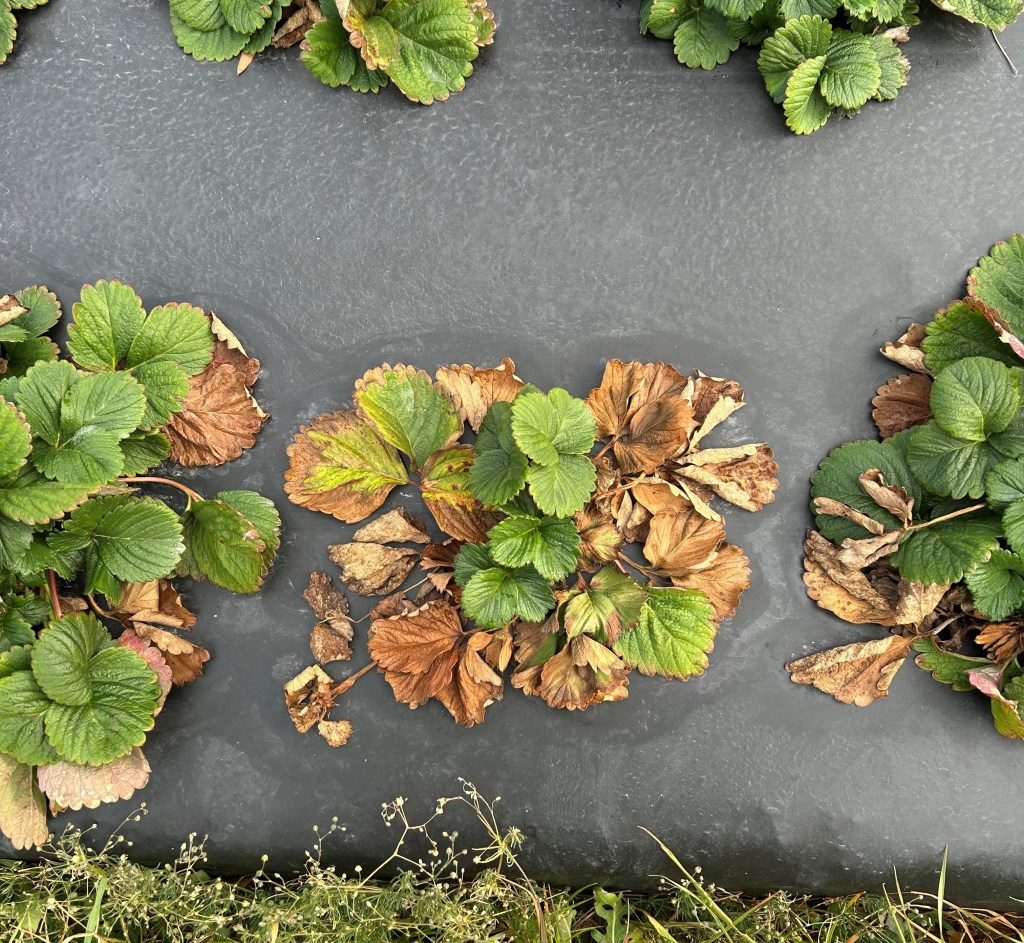
After a taste of spring weather, the week is off to a cold start. Many growers have begun spring fertilization in strawberries and will begin protecting flowers and fruit from the cold. We are seeing an increase in insect and disease pressure around the state. See details below. Keep an eye on the Upcoming Events…
-
Strawberries Showing Signs of Gray Mold After the Freezing Temperatures
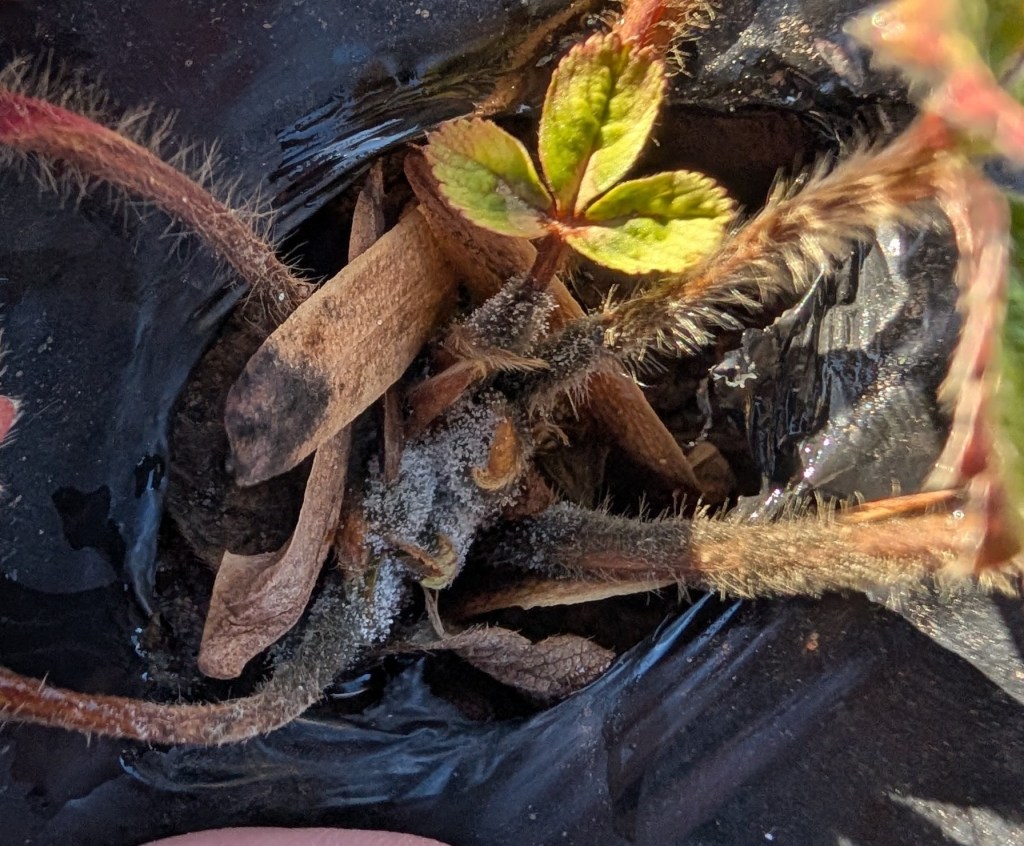
Lindsey Thiessen and Guido Schnabel South Carolina is warming up following several bouts of freezing temperatures. Many used frost-protection covers to keep fruit crowns from freezing. To add some additional stress following the freezing temperatures, growers are reporting significant gray mold presence after frost protection covers have been removed. Gray mold is caused by a…
-
Question of the Week – Botrytis
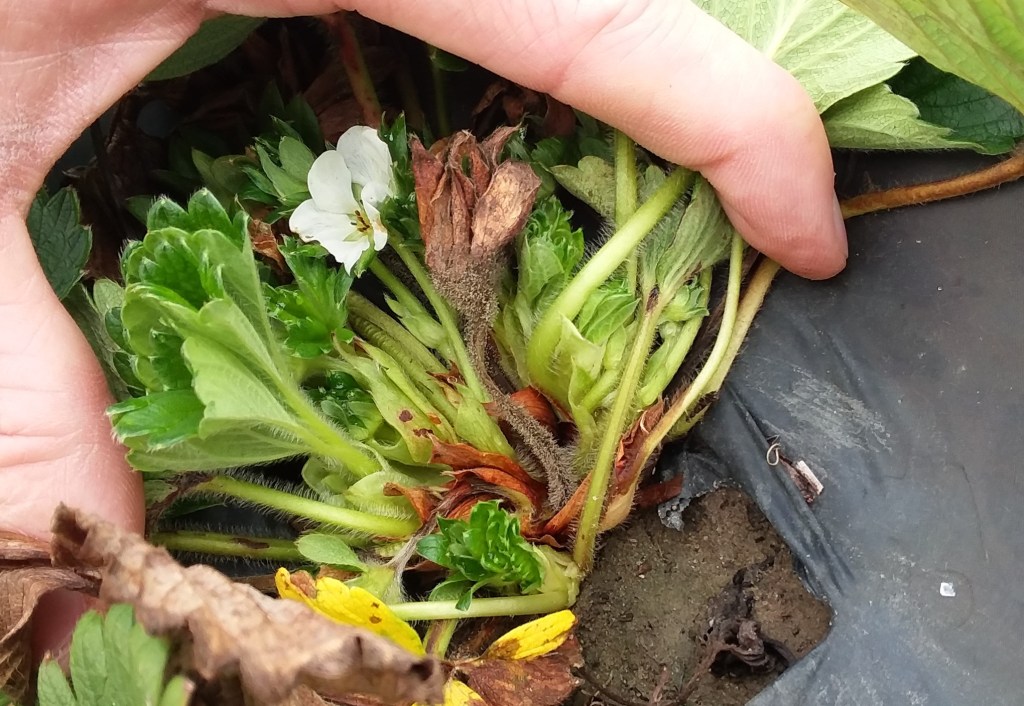
What is the greyish-brown, fuzzy stuff on this dead strawberry blossom? This this fuzzy-looking growth is grey mold caused by Botrytis cinerea. Grey mold is one of our most serious fruit rot diseases of strawberries that we see every single year in every single field. In addition to developing on fruit, grey mold can develop…

