Author: Justin Ballew
-
Question of the Week – Cold Injury
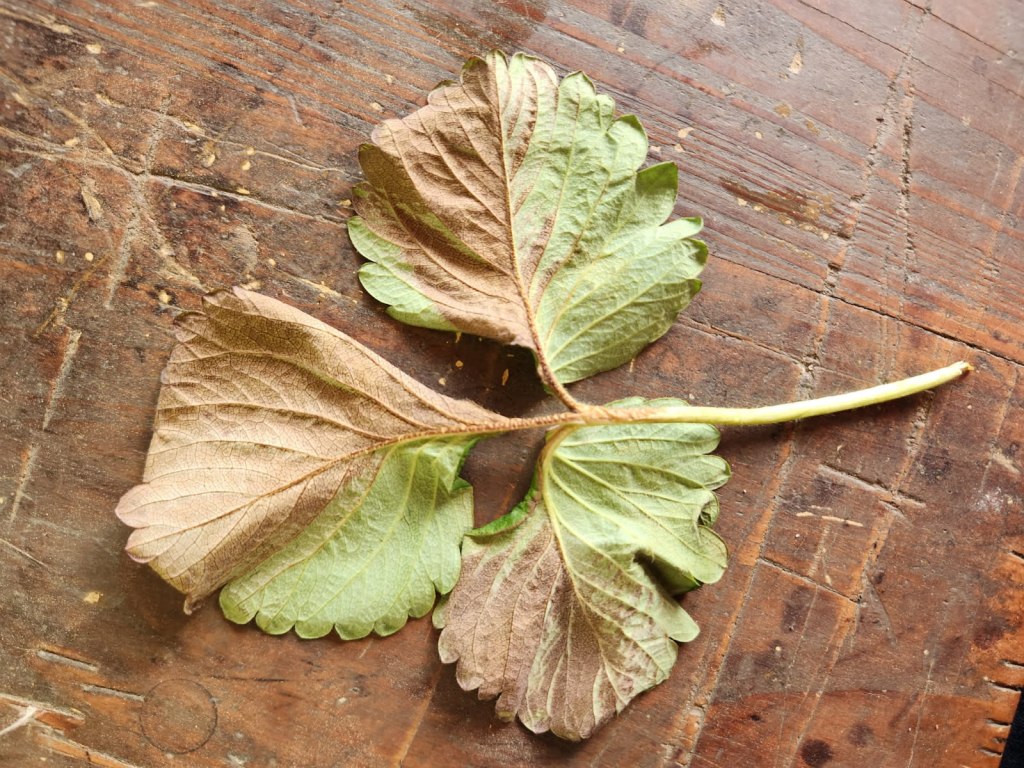
What happened to these strawberry leaflets? Although the tops of these strawberry leaves look perfectly fine, their undersides are discolored and bronze. The culprit? Cold damage. Only showing up on the underside of the leaf because, as the covers were pulled over the plants, the leaves were folded over. Leaves that came in direct contact…
-
South Carolina Field Update (April 6, 2025): Crops Look Good So Long As the Irrigation is Running
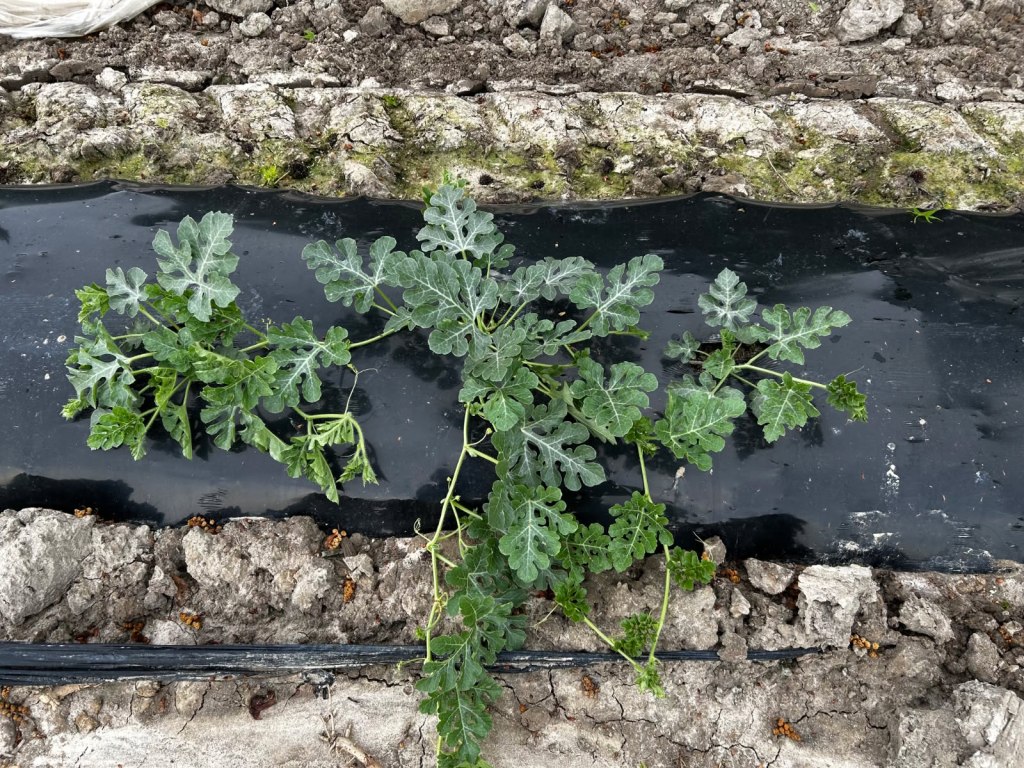
Despite the forecast for a stormy Easter, most of the state remains dry after receiving very little rain. Strawberry picking is wide open in the Lowcountry and Midlands and is beginning in the Upstate. Disease remains low, though some dry-weather-related insect and mite problems are emerging. Key Takeaways for Growers This Week The latest episode…
-
Question of the Week – Leopard Moth
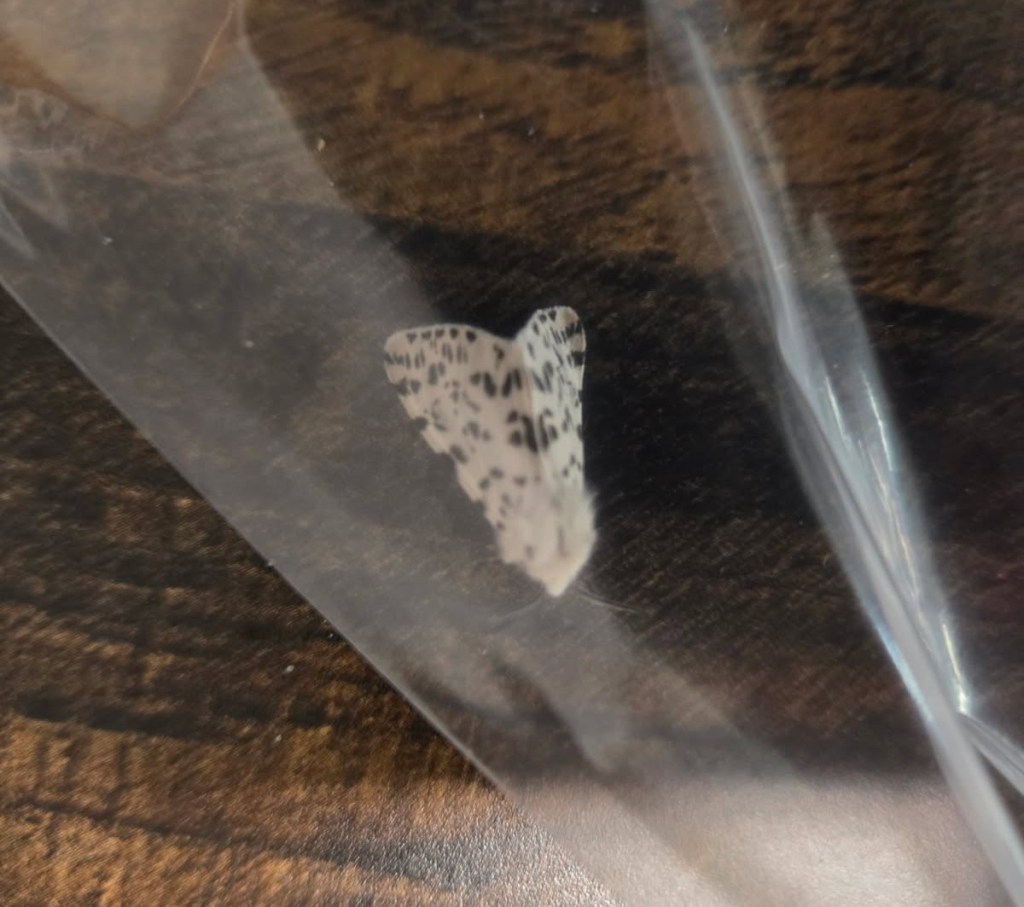
What type of moth is this? This is a leopard moth (F: Erebidae). The leopard moth is one of the most widely distributed moth species. The adults are active for only a few days, with the sole aim of reproducing. Pink-orange eggs are laid on the bark of deciduous shrubs and trees, including pears and…
-
Spray Coverage and Spider Mite Management
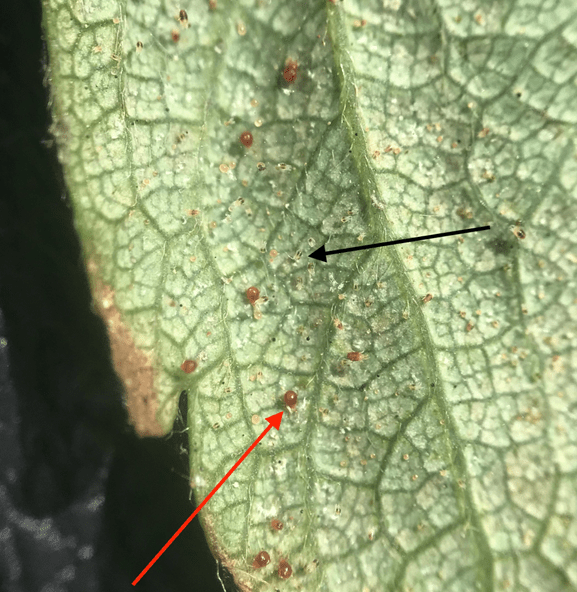
By Tom Bilbo, Extension Entomologist Scouting for spider mites in strawberries will be especially important in the coming weeks as warm, dry weather continues in the lowcountry. The possible rain in the midlands and upstate may help buffer against surging spider mite numbers. Some growers may find themselves needing to spray a miticide. This post…
-
South Carolina Field Update (March 30, 2025): Dry Weather Persists as More Growers Begin Picking Strawberries
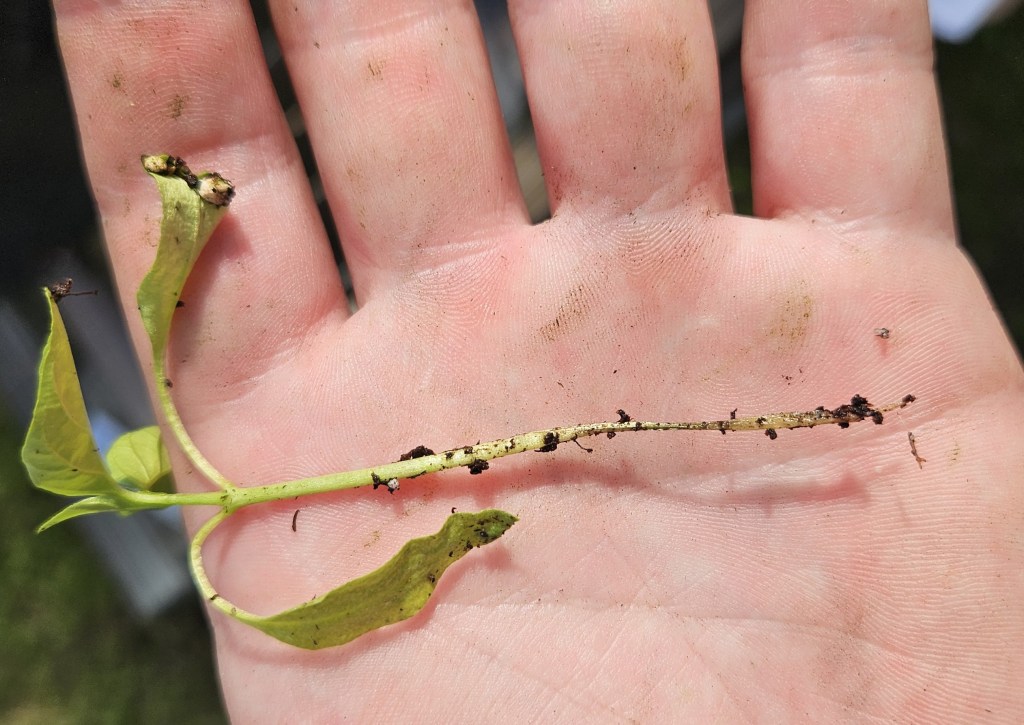
After a cooler weekend, warm weather will return this week. It’s been very dry, and we’re looking forward to a little rain later this week. More of the state is beginning to pick strawberries, though we aren’t in peak production yet. Spring vegetables are being planted now and are looking good so far. Key Takeaways…
-
Question of the Week – Aphid Mummies
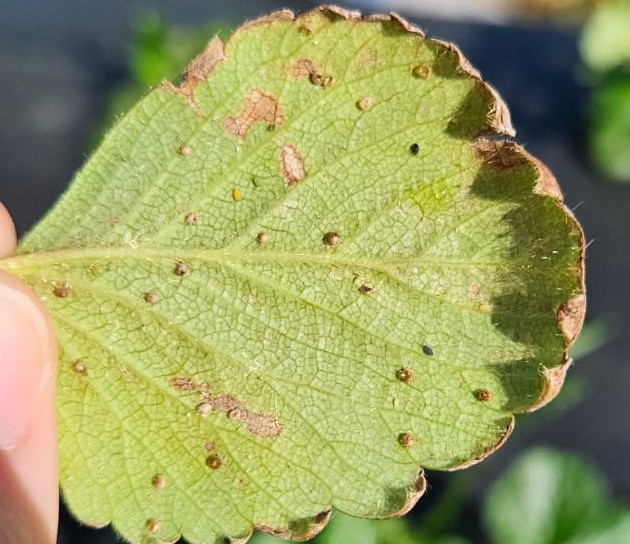
What is on the underside of this strawberry leaf? These round, tan objects are aphid mummies, the remains of aphids that have been parasitized and killed by tiny wasps. Due in part to parasitoid wasps, insecticide treatments are rarely needed for managing aphids in strawberries. These wasps prey upon aphids by inserting an egg into…
-
Updated Fungicide Recommendations to Manage Alternaria Leaf Spot (Black Spot) on Brassicas
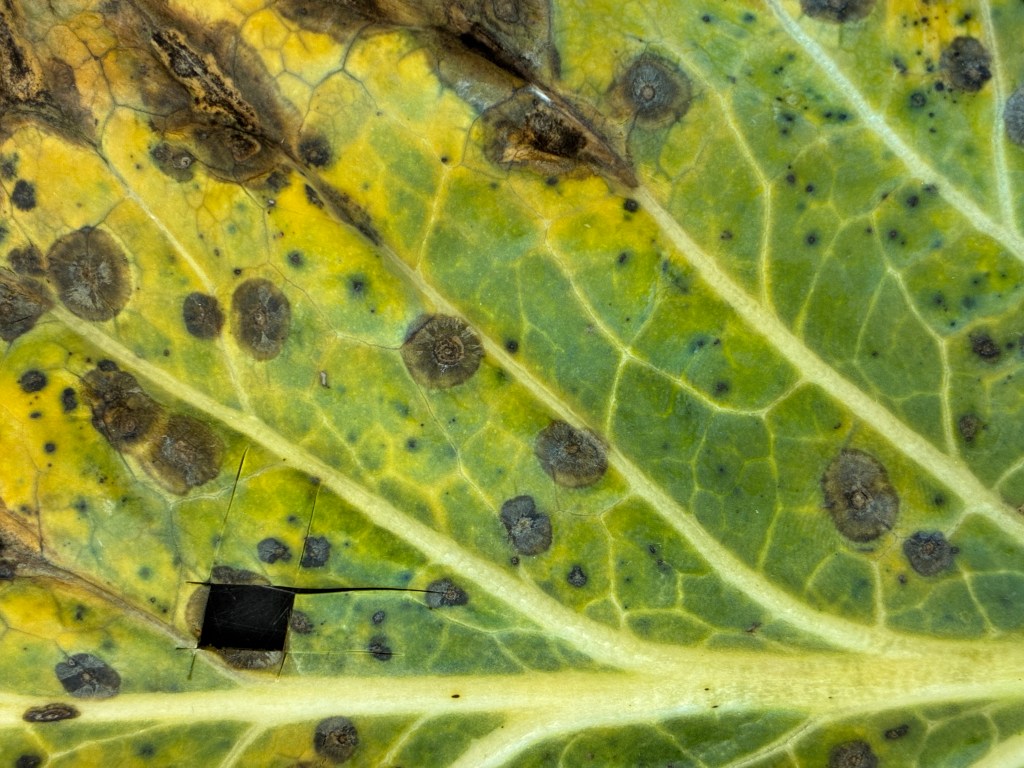
By Tony Keinath, Clemson Plant Pathologist Despite some unusually cold weather in January and February, Alternaria black spot is active on overwintered brassicas. Although the brassica Alternaria fungus (Alternaria brassicicola) present in South Carolina supposedly prefers warm temperatures, I doubt that old information is accurate today. Growers should be on the lookout for tan to…
-
South Carolina Field Update (March 23, 2026): Cold Damage Being Assessed as Strawberry Harvest Begins
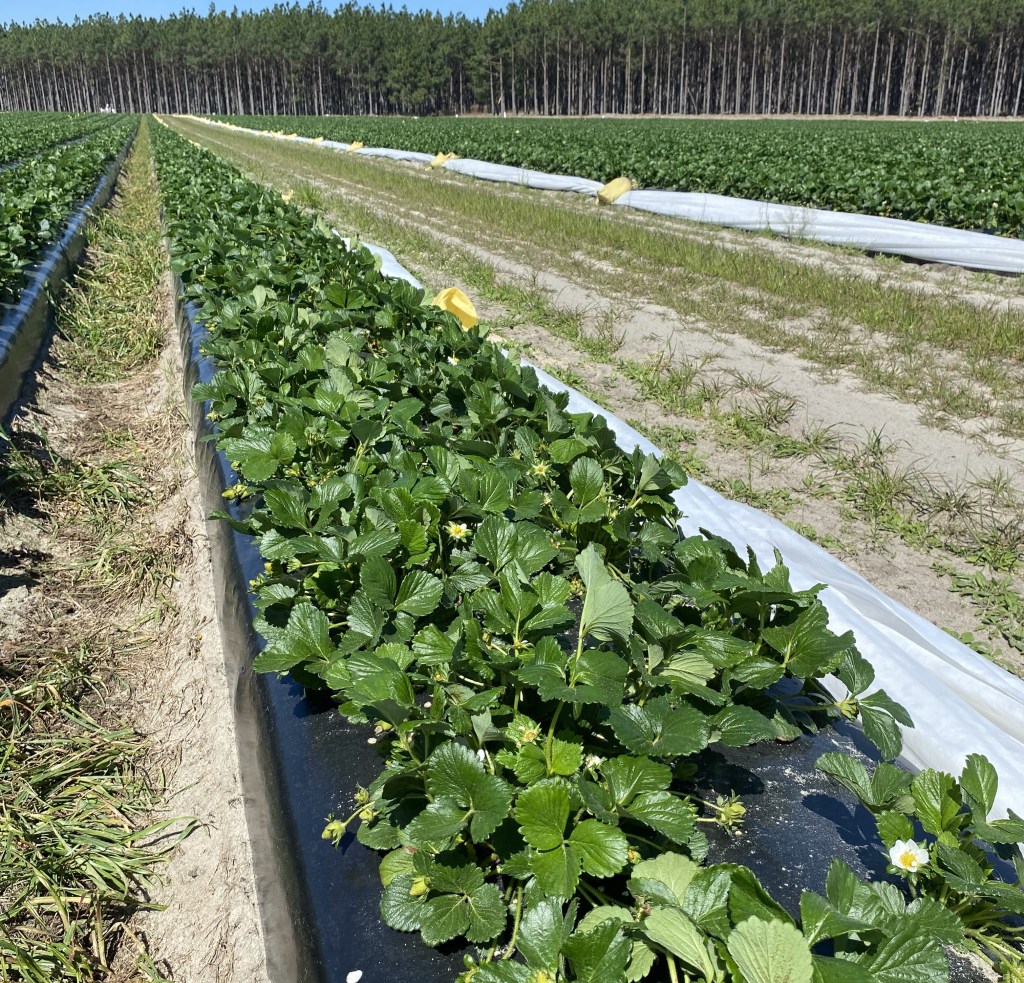
Parts of the Upstate saw some cold damage to fruit crops last week, while the rest of the state largely escaped. Strawberries are ripening well, and harvest is beginning in places. Spring vegetable planting will begin on a larger scale soon. Key Takeaways for Growers This Week The latest episode of the SC Grower Exchange…
-
Question of the Week – Lady Beetle Larva
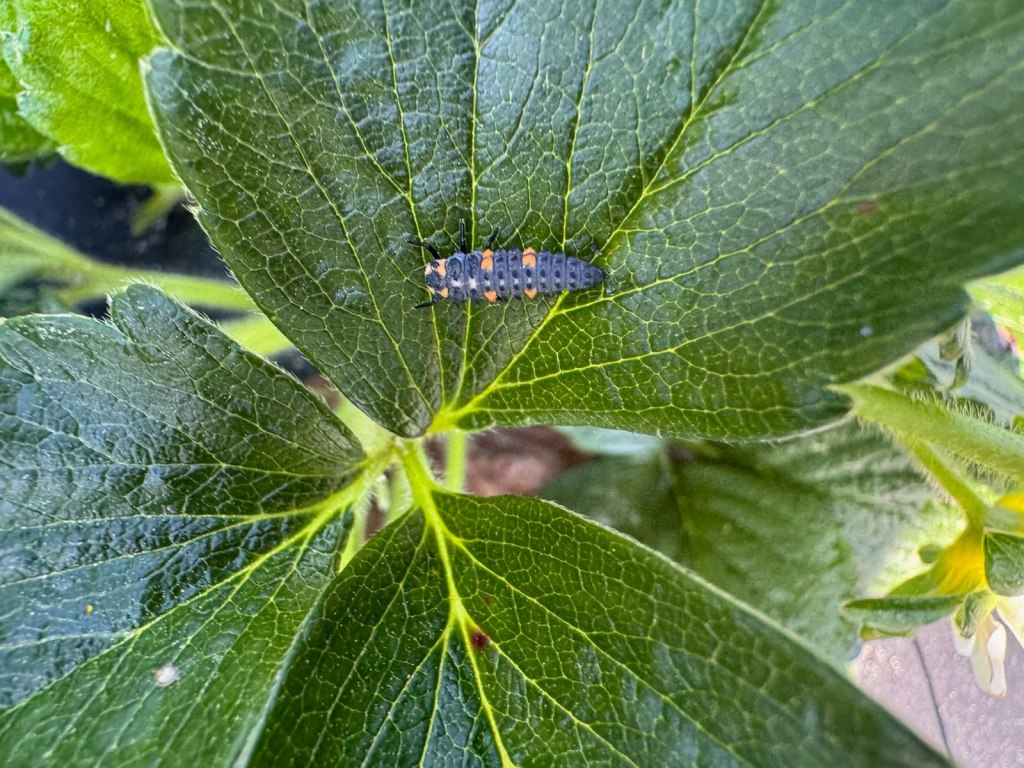
What is this wild-looking critter? This is a lady beetle larva. While it might look strange and undesirable, it’s actually a good thing to find in the field. These larvae, like the adults, have quite an appetite and can help control certain pest populations, especially aphids. Encouraging beneficial insects by avoiding broad-spectrum insecticide applications is…
-
New Downloadable Guide for Scouting and Spraying Spider Mites in Strawberries
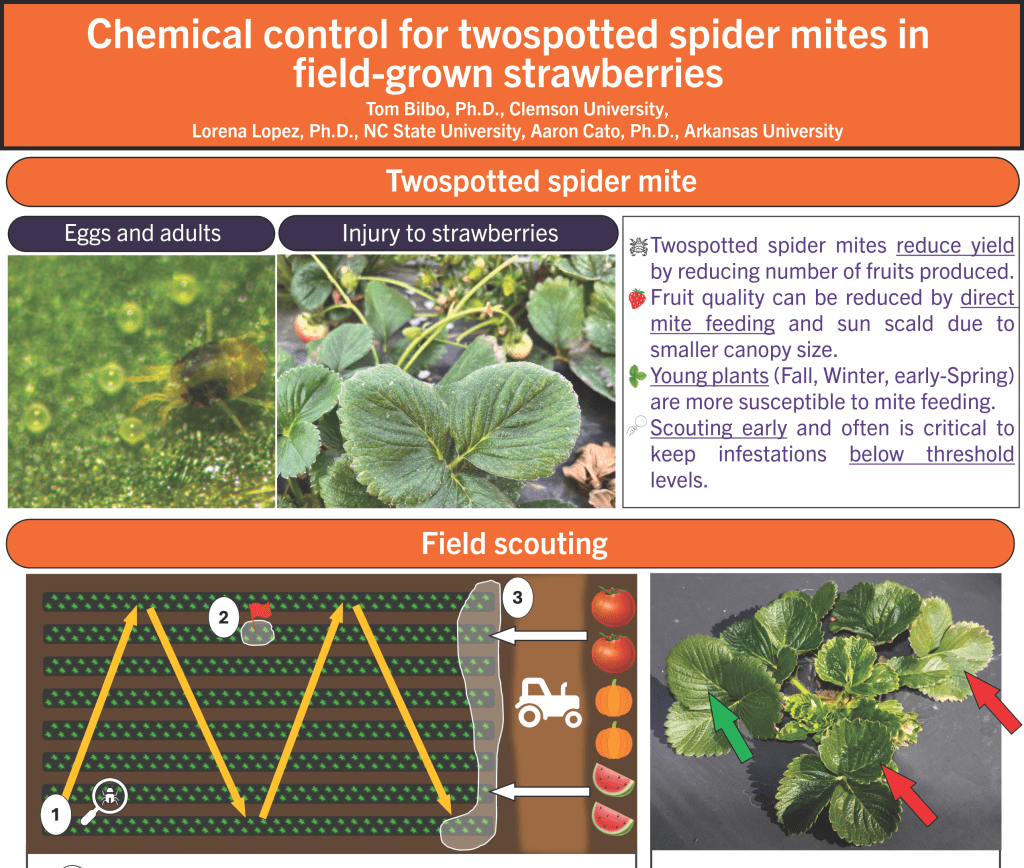
By Tom Bilbo, Extension Entomologist Twospotted spider mites (Tetranychus urticae) are the key economic pest of strawberries in South Carolina. They are common in both conventional and organic production systems and reduce the number of berries produced. Spider mites can come into fields on transplants, or blow into fields from nearby host plants or adjacent…
 The South Carolina Grower