Author: Justin Ballew
-
2023 Fusarium Wilt on Seedless Watermelon Experiment – Week 5 Observations
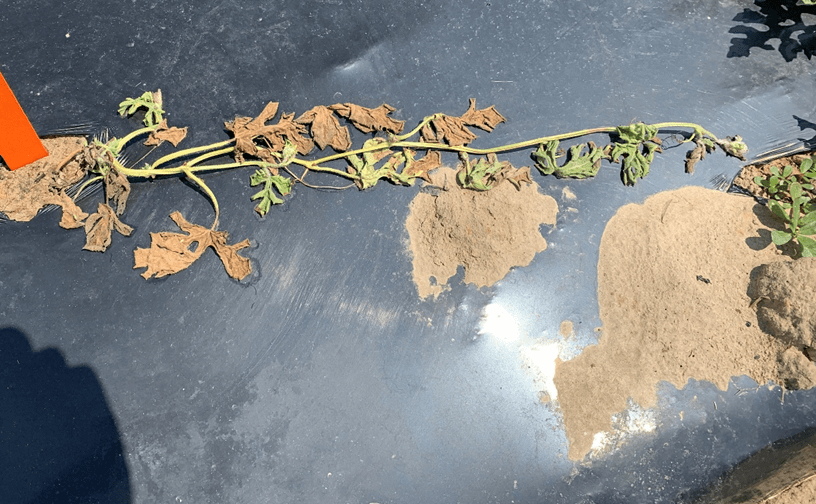
From Clemson Plant Pathologist Tony Keinath This year’s Fusarium wilt experiment includes 3 seedless cultivars, 3 fungicide treatments applied via drip irrigation, and grafting. (This experiment is supported in part by a USDA SCRI grant.) Transplants were set April 5 in a field infested with Fusarium races 1 and 2. Right on schedule, symptoms of…
-
Cucurbit Downy Mildew Found in SC
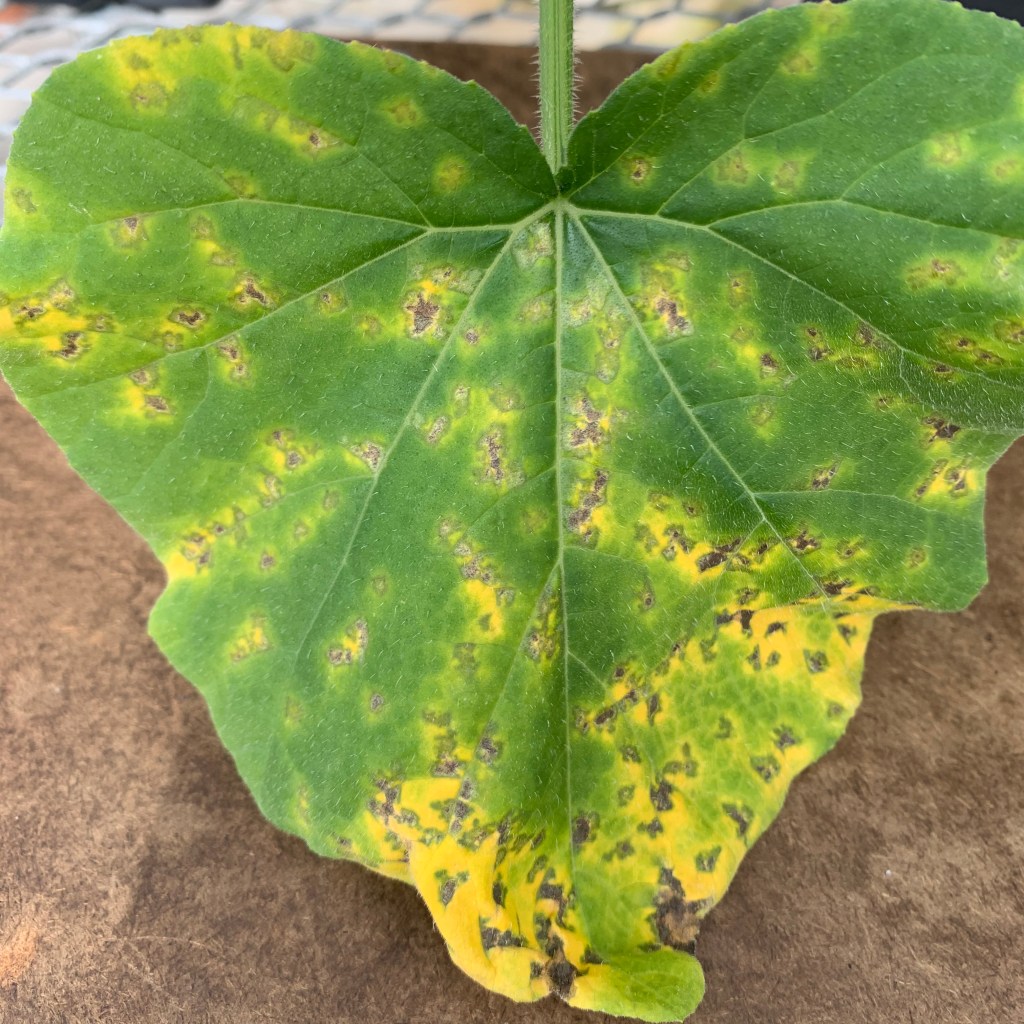
Prepared by Rob Last, Justin Ballew, and Tony Keinath. Cucurbit downy mildew was identified in South Carolina on 5/12/23. The identification came from butternut squash grown in a sentinel plot at the Coastal REC in Charleston. The same strain that affects butternut squash also affects watermelon and summer squash. Now that downy mildew has been…
-
Weekly Field Update – 5/15/23
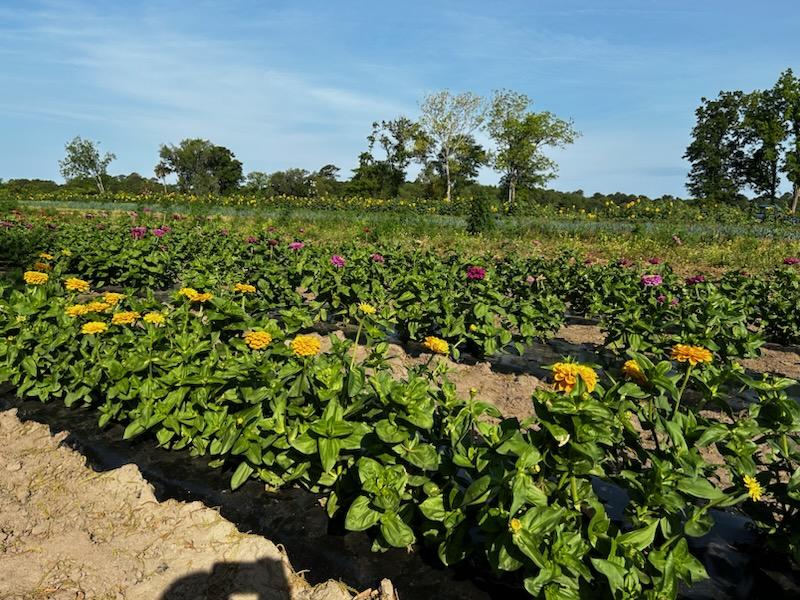
Registration is now open for the Coastal REC Field Day on 6/7/23. Come to see and hear updates on vegetable weed, disease, and insect research. Register here. Check out other upcoming meetings on the Upcoming Events tab, and don’t forget to look at our Resources tab for links to crop handbooks, helpful websites, and related…
-
Question of the Week – Parasitic Wasp Cocoon
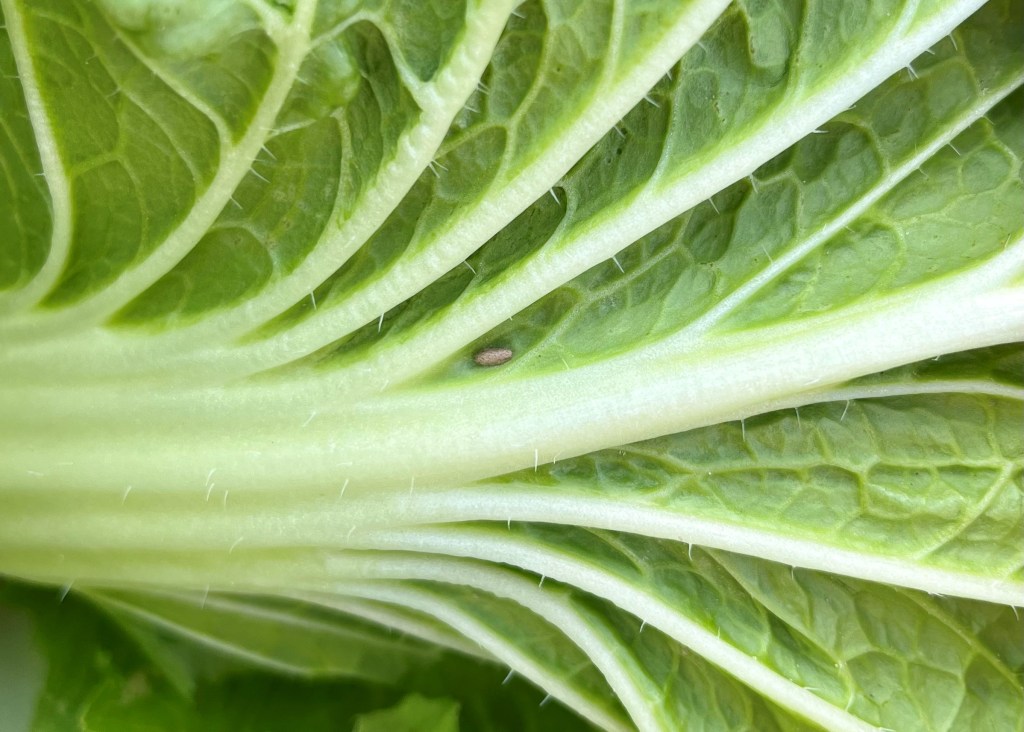
This week, the question was: What is this brown oval object on the underside of this napa cabbage leaf? This is the cocoon of a parasitic wasp (Microplitis plutellae) that attacks and kills diamondback moth larvae. This wasp will lay an egg inside of the caterpillar, where the wasp larva feeds before emerging from the…
-
2022 Collard Stats
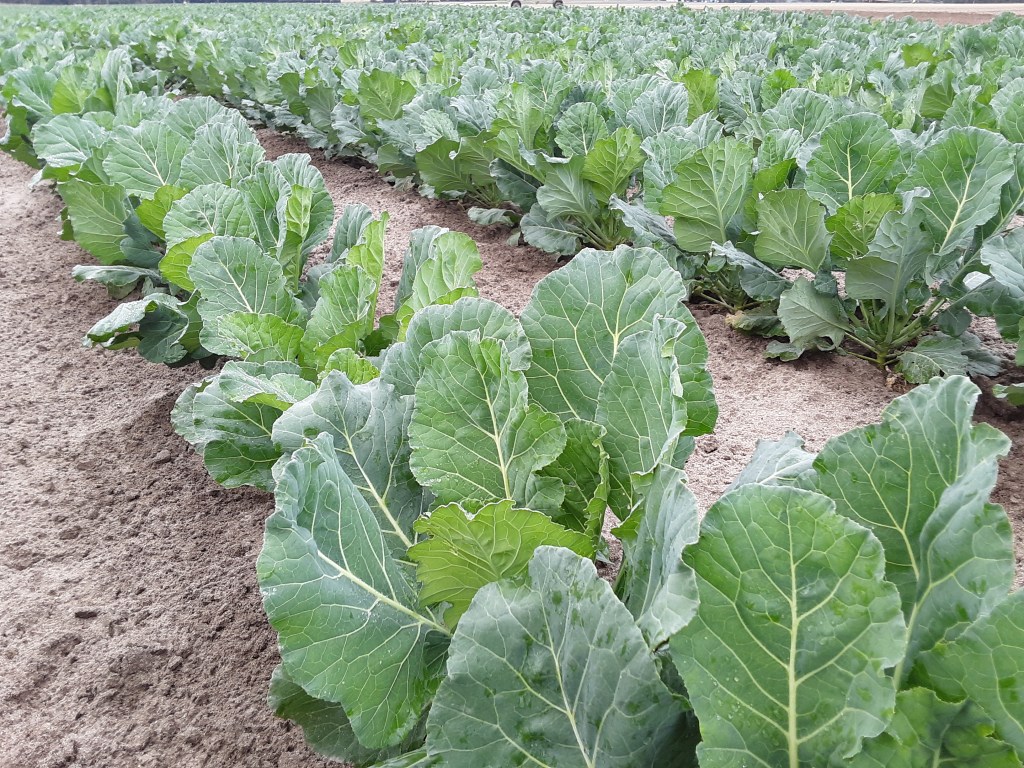
In the Fall of 2022, Extension Agents throughout South Carolina surveyed growers on specialty crop acreage for the year. This was the first year of what is expected to be an annual survey. For this first year, data was collected for six crops: collard greens, lima beans, peaches, strawberries, sweet corn, and watermelon. The goal…
-
Weekly Field Update – 5/8/23
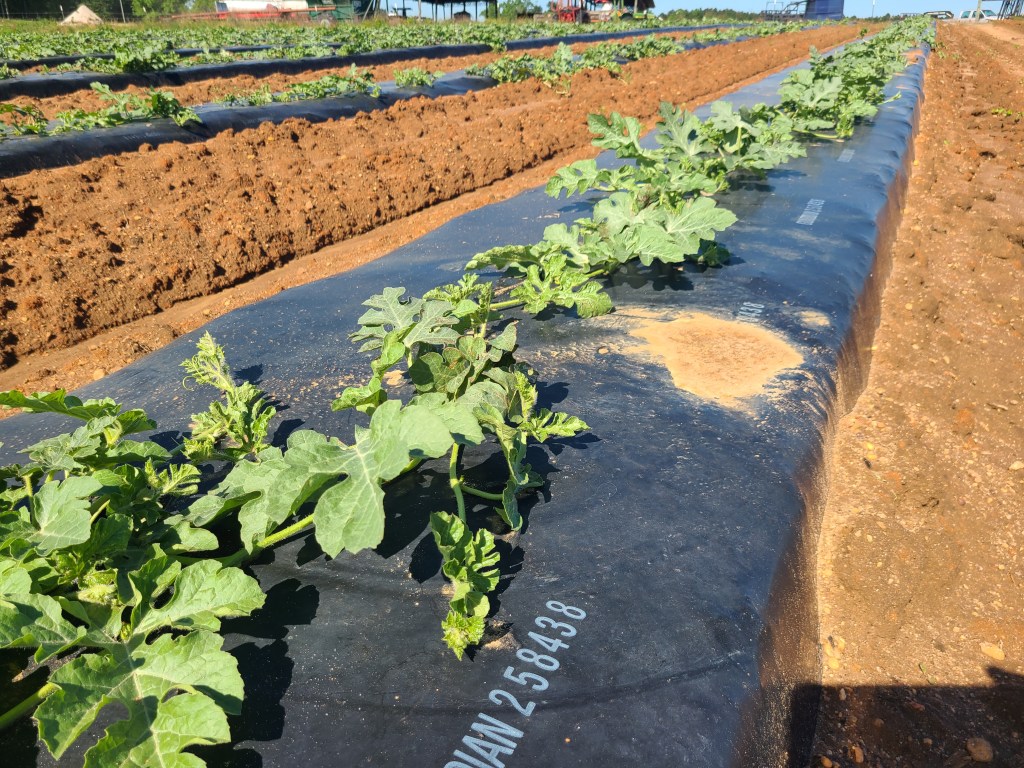
Check out upcoming meetings on the Upcoming Events tab, and don’t forget to look at our Resources tab for links to crop handbooks, helpful websites, and related blogs. Also, check out the latest episode of the SC Grower Exchange Podcast. Be sure to scroll all the way to the bottom to see this week’s Question…
-
Question of the Week – Poison Ivy
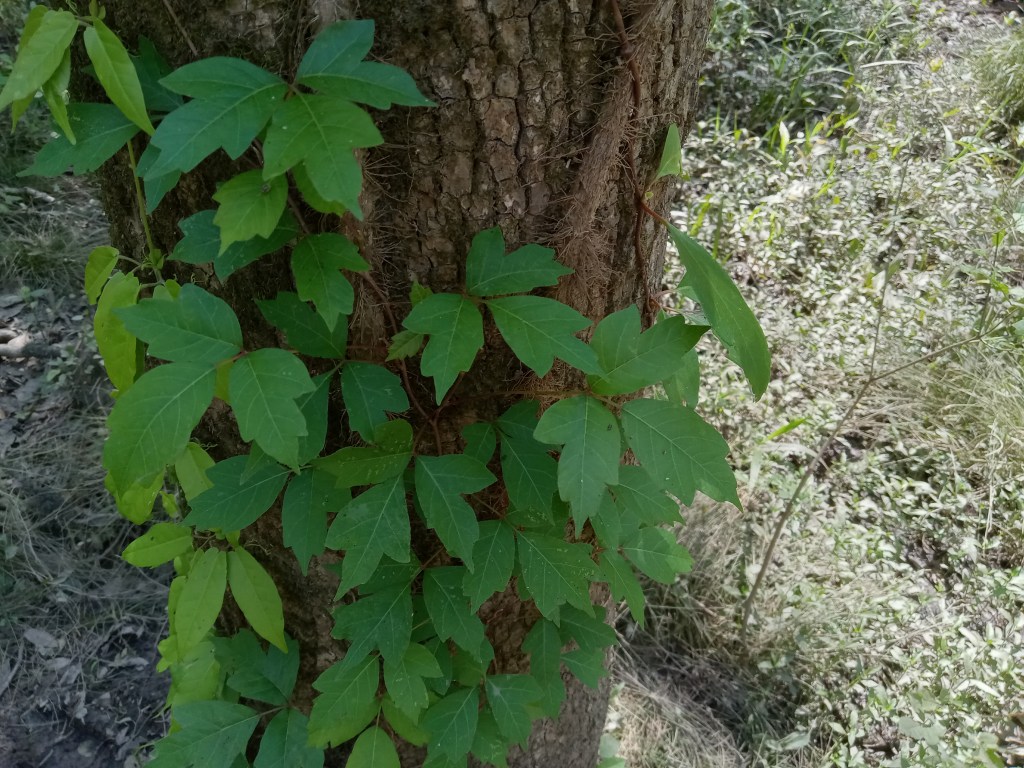
This week, the question was: What is the vine growing on this tree trunk? This is poison ivy (Toxicodendron radicans). This is a plant that everyone should be able to identify. Around 85% of people are allergic to poison ivy, though sensitivity varies greatly. Poison ivy is native to the Southeast and is recognizable by…
-
2023 Fusarium Wilt on Seedless Watermelon Experiment – Week 3 Observations
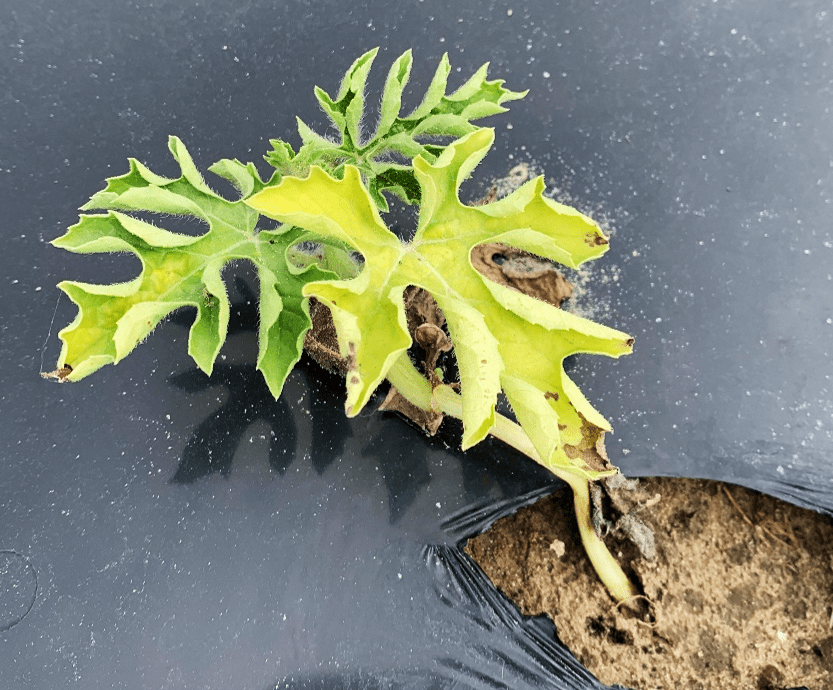
From Clemson Plant Pathologist Tony Keinath This year’s Fusarium wilt experiment includes three seedless cultivars, three fungicide treatments applied via drip irrigation, and grafting. This experiment is supported in part by a USDA SCRI grant. There also is a side experiment with SP-7 pollenizers grafted onto ‘Carolina Strongback’ rootstock and non-grafted SP-7 supported in part…
-
Weekly Field Update – 5/1/23
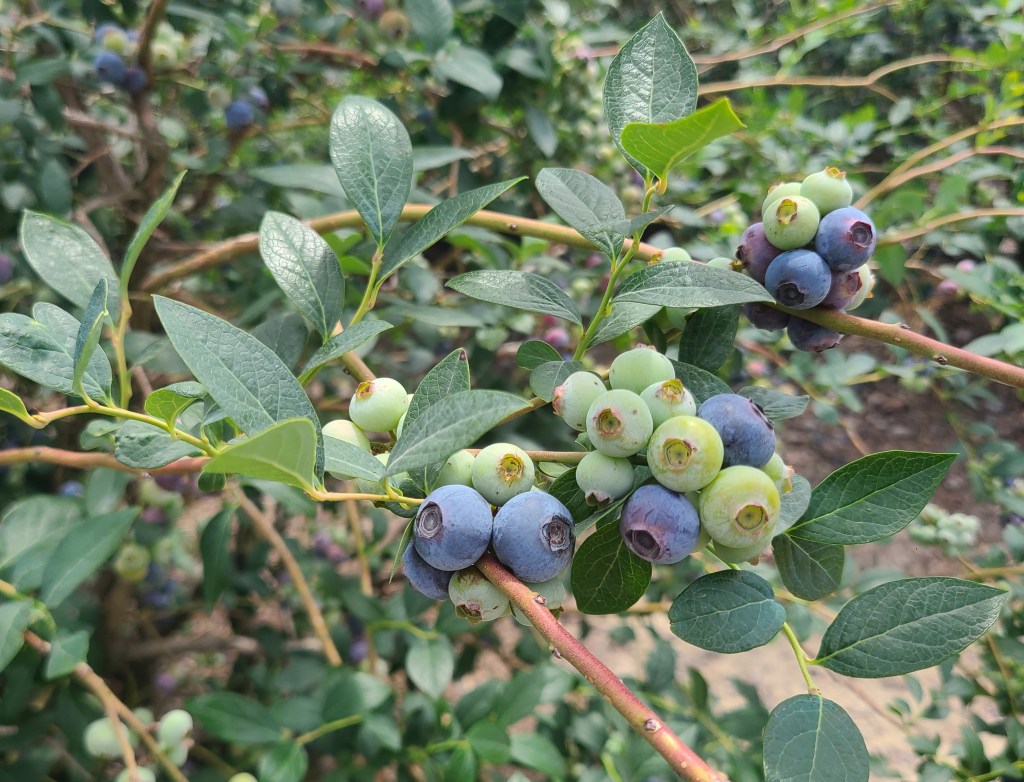
Check out upcoming meetings on the Upcoming Events tab, and don’t forget to look at our Resources tab for links to crop handbooks, helpful websites, and related blogs. Also, check out the latest episode of the SC Grower Exchange Podcast. Be sure to scroll all the way to the bottom to see this week’s Question…
-
Question of the Week – Curly Dock
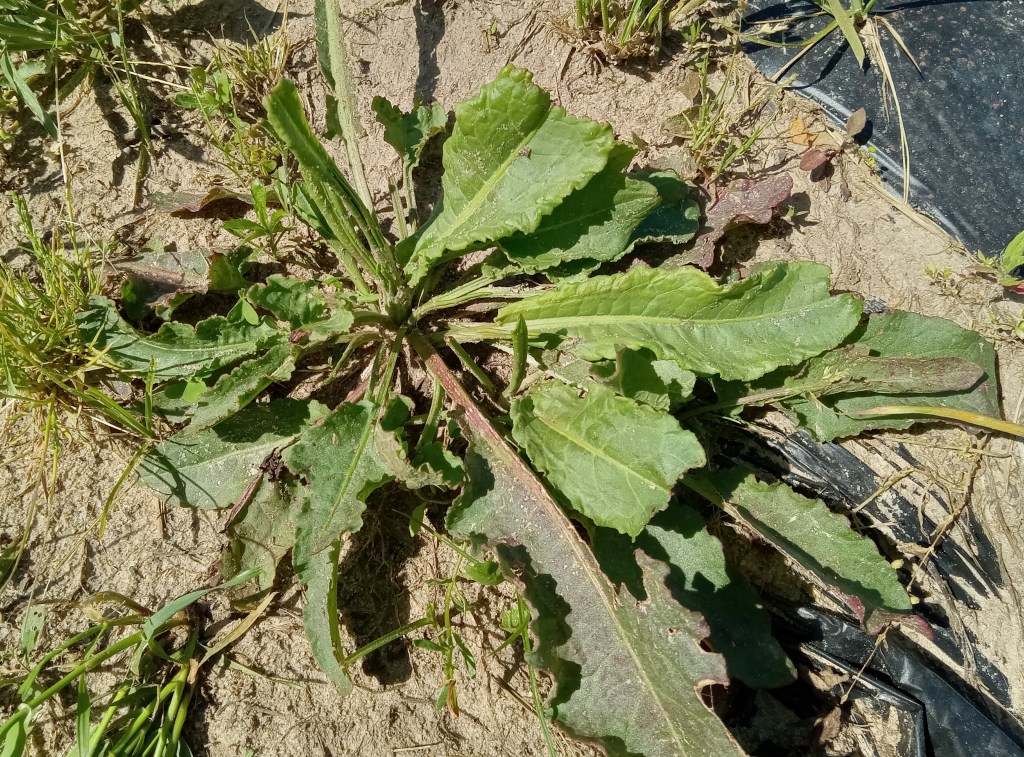
This week, the question was: What is this weed growing up in the row middles of this strawberry field? This is curly dock (Rumex crispus). Curly dock is a perennial weed that thrives in wet conditions but is also quite tolerant of drought. It is commonly found in the row middles in strawberry fields, especially…
 The South Carolina Grower