Author: Justin Ballew
-
Question of the Week – Banded Sphinx Moth
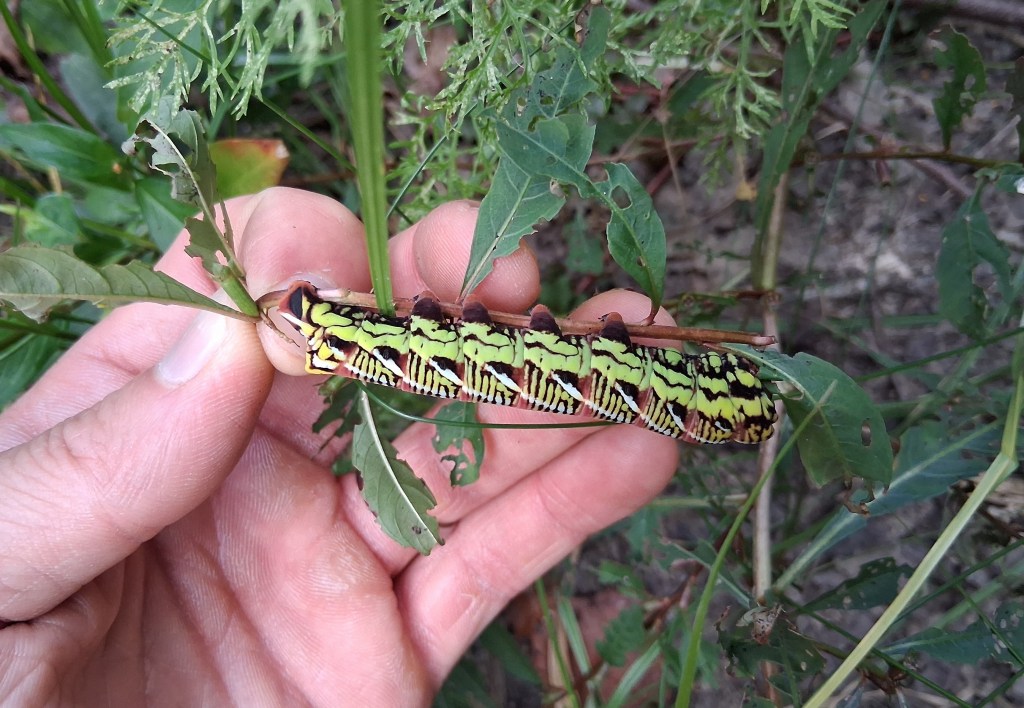
What is this large, colorful caterpillar? This is the caterpillar of the banded sphinx moth, Eumorpha fasciatus. The banded sphinx moth is a close relative (in the same family, Sphingidae) as the tomato and tobacco hornworms and catalpa worms. The earlier larval stages have a prominent horn, like other hornworms, but the horn is greatly…
-
Weekly Field Update – 11/3/25
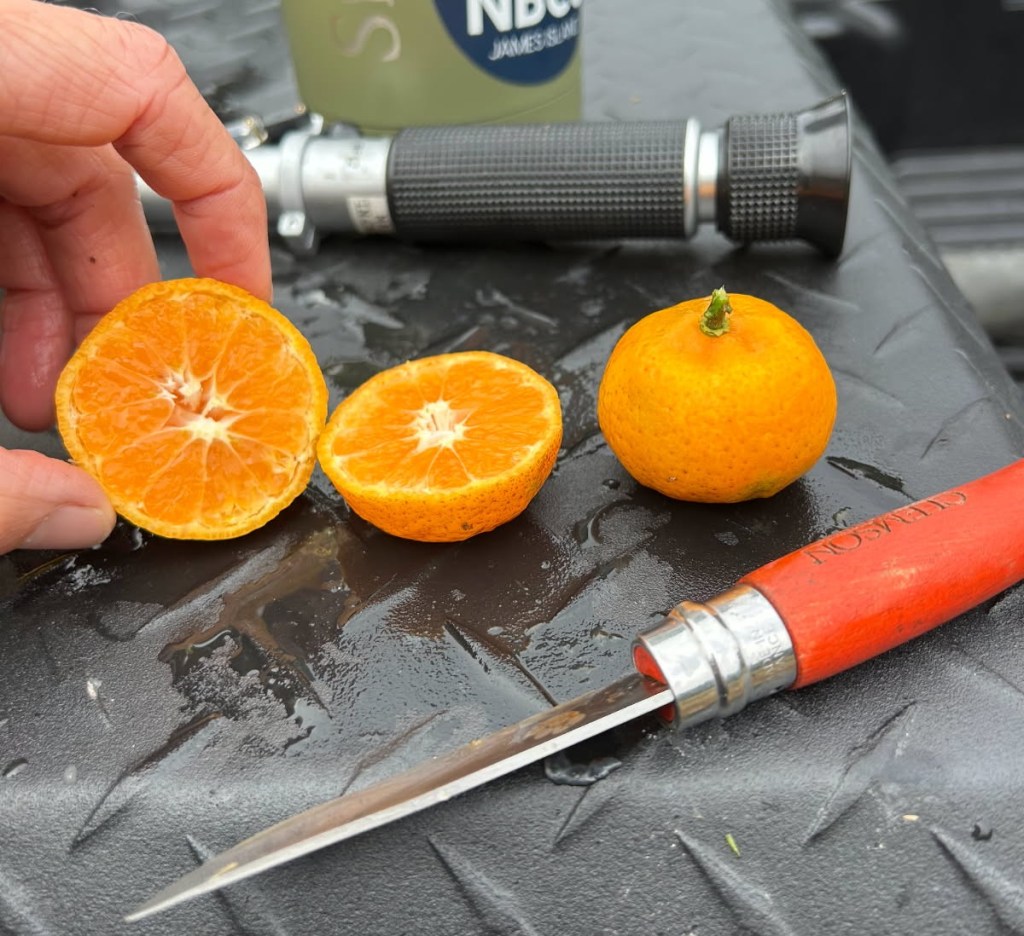
Strawberry planting has finished up and crops look good so far. Fall tomatoes, squash, etc. are still being harvested, but the end is near. Greens are looking great and we expect to have a good crop for the Thanksgiving market. See details below. As we get into strawberry season, check out this year’s Strawberry Webinar…
-
Question of the Week – Rice
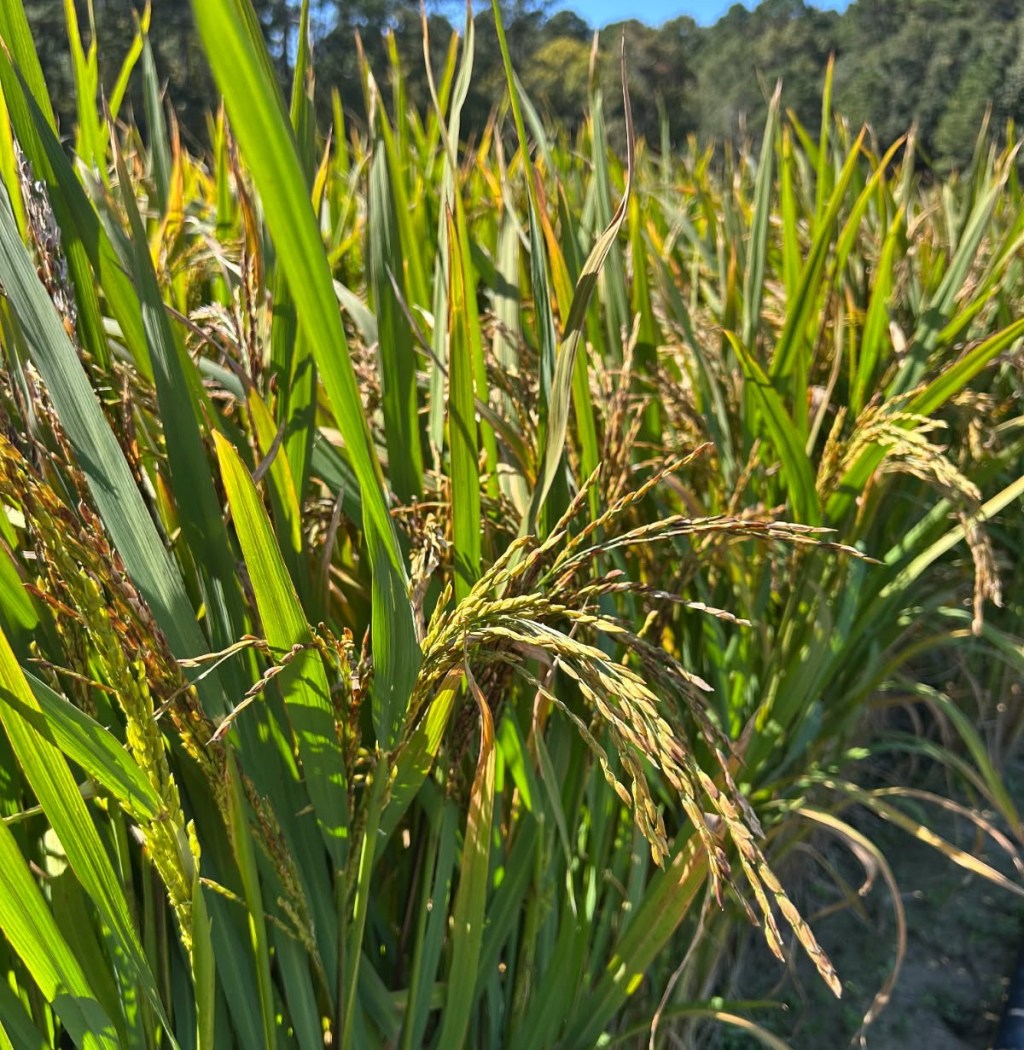
What is this crop growing in the coastal region? Rice was once a cornerstone of South Carolina’s economy, shaping the Lowcountry’s culture and landscape. In recent years, renewed interest in specialty rice varieties has sparked a revival of this historic crop. However, the availability of quality seed has declined to near-scarcity levels due to multiple,…
-
Weekly Field Update – 10/27/25
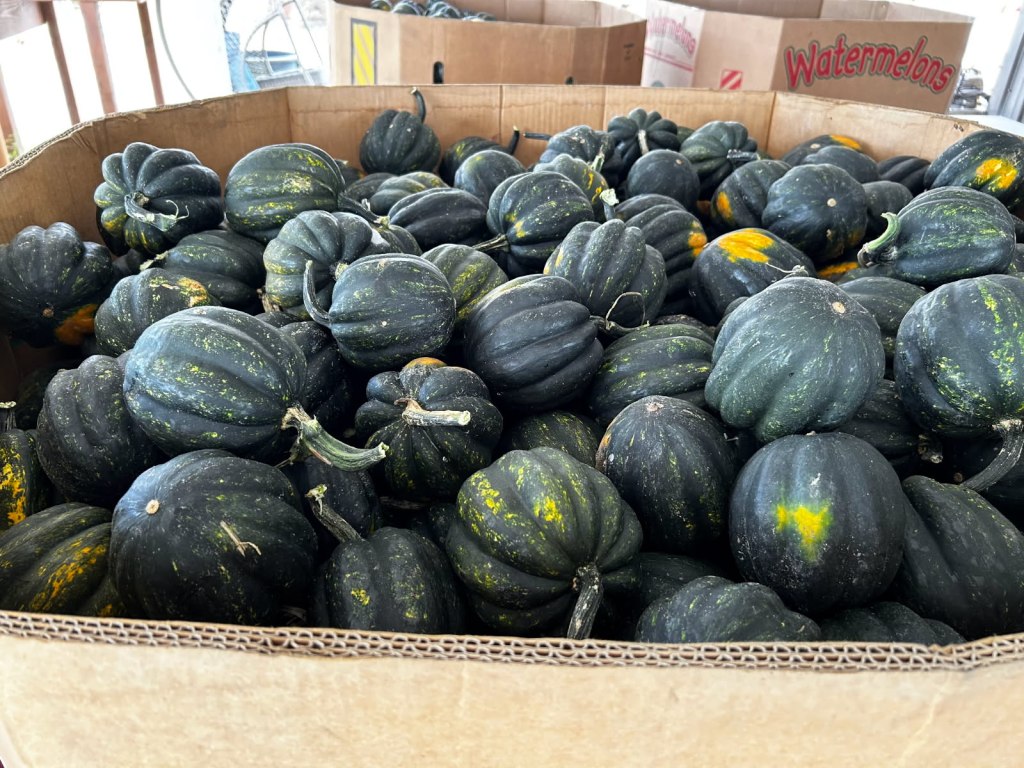
Rain has finally come as the weather turns cooler. Strawberry planting is wrapping up in parts of the state. Insect pressure, including diamondback moth and two-spot cotton leafhopper, is still high in places. See details below. For anyone growing or thinking about growing sweetpotatoes, please take this short survey to help us determine interest in…
-
Question of the Week – Dandelion
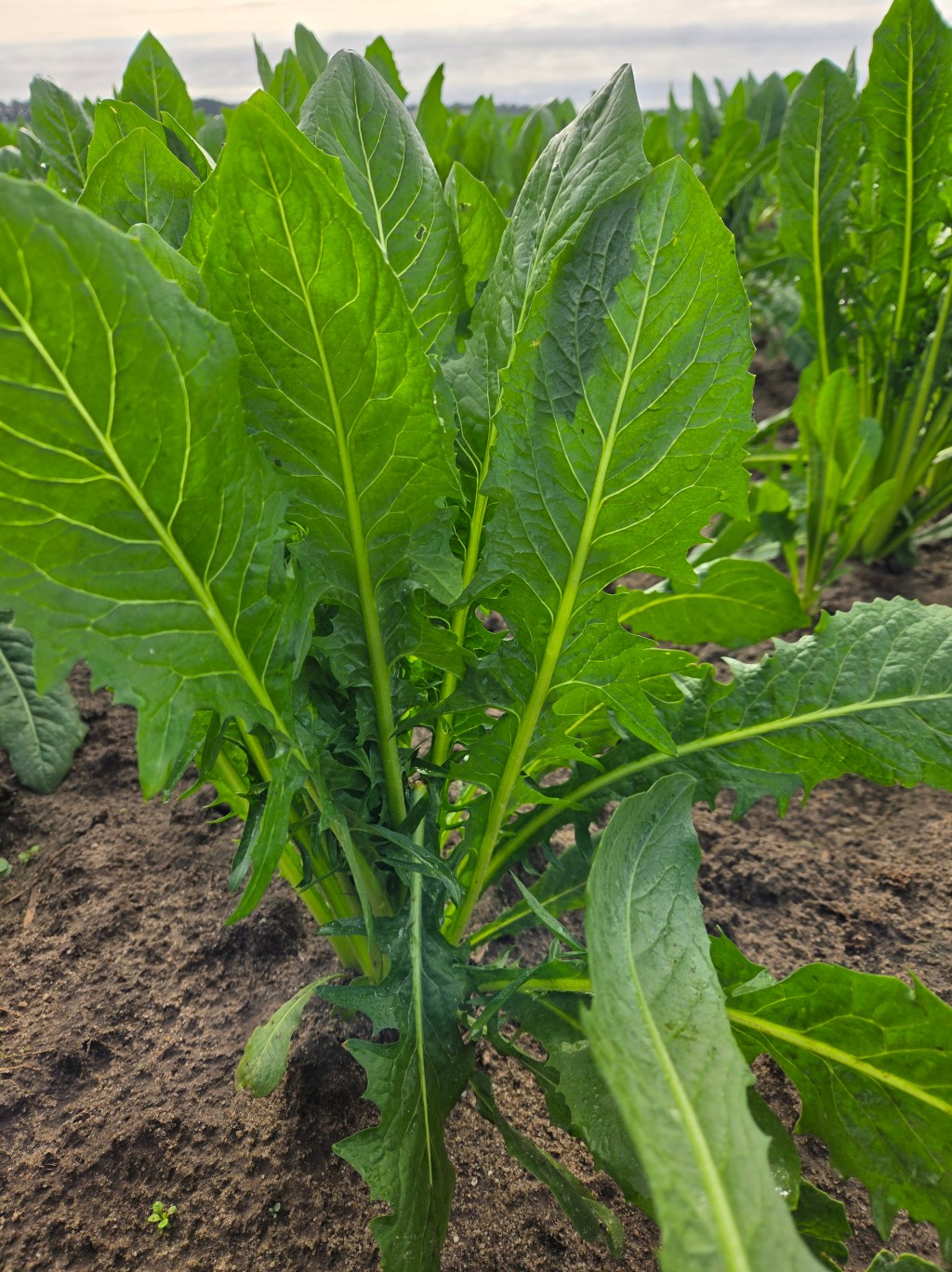
What is this uncommon crop growing in the Midlands? These are a type of dandelion. Dandelions are gown as a leafy green for bunching. Dandelions are a rich source of vitamin A, C and K as well as minerals including iron and calcium. The flavor profile of the young leaves is similar to arugula and…
-
Weekly Field Update – 10/20/25
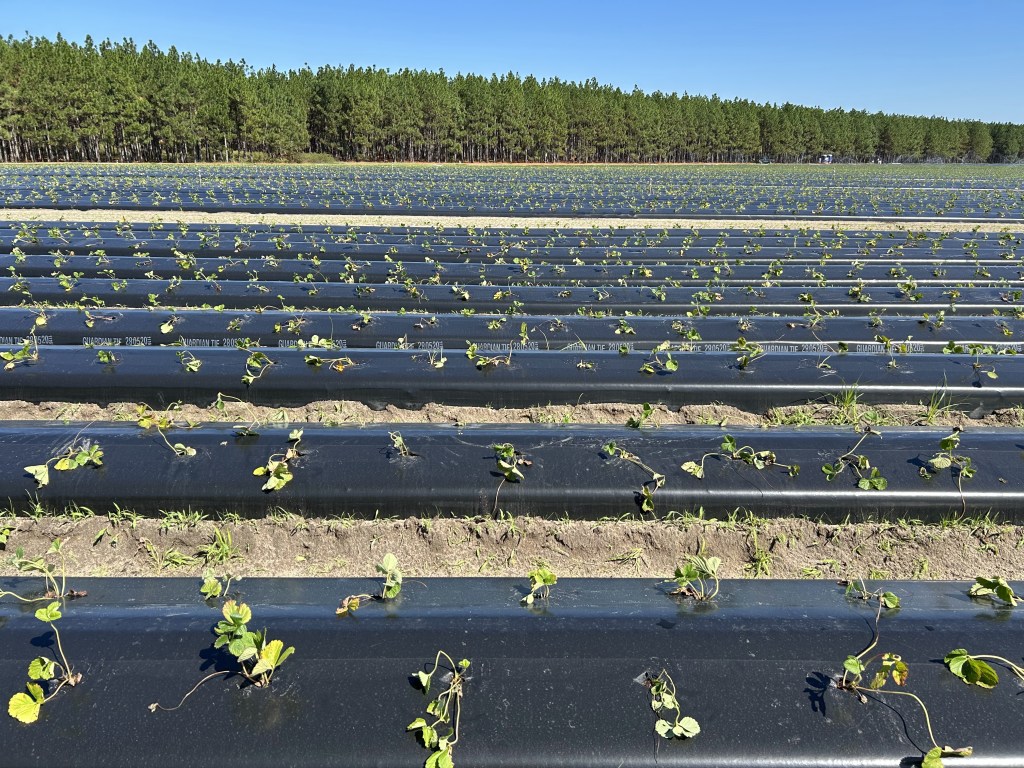
Strawberry planting is still going full steam ahead in some areas while it winds down in others. Fall greens are looking good with some caterpillars present in places. Keep an eye out for disease with the cool mornings and heavy dew. See details below. For anyone growing or thinking about growing sweetpotatoes, please take this…
-
October Grower Spotlight – McLeod Farms
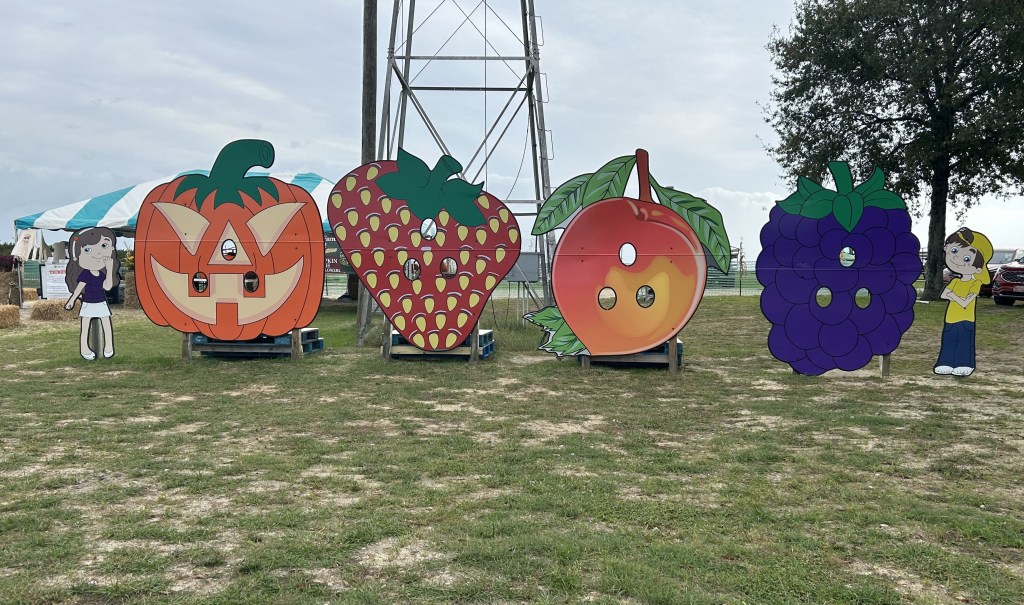
Where is Brittney visiting this week? Brittney is visiting McLeod Farms in McBee, SC. McLeod Farms has been family-owned and operated since 1916, specializing in commercial peach production since the beginning. It is currently led by fourth-generation farmer Kemp McLeod, who learned the operation from his father Campbell. Kemp’s son, Spencer, a fifth-generation farmer, is…
-
Weekly Field Update – 10/13/25
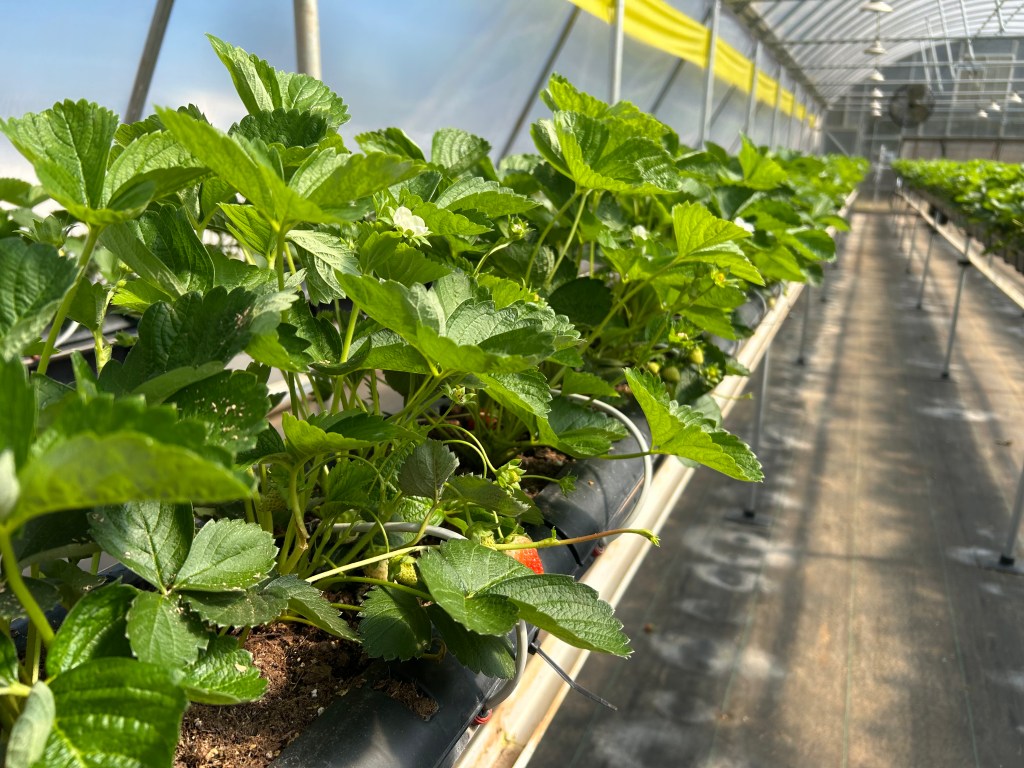
As we get into strawberry season, check out this year’s Strawberry Webinar Series to brush up on disease management, bed formation, and insect management. SC pesticide applicators can earn 1.5 pesticide credists. The webinar is available now through 11/15. View Details and Register Here Keep an eye on the Upcoming Events tab periodically so you…
-
Question of the Week – Beauveria
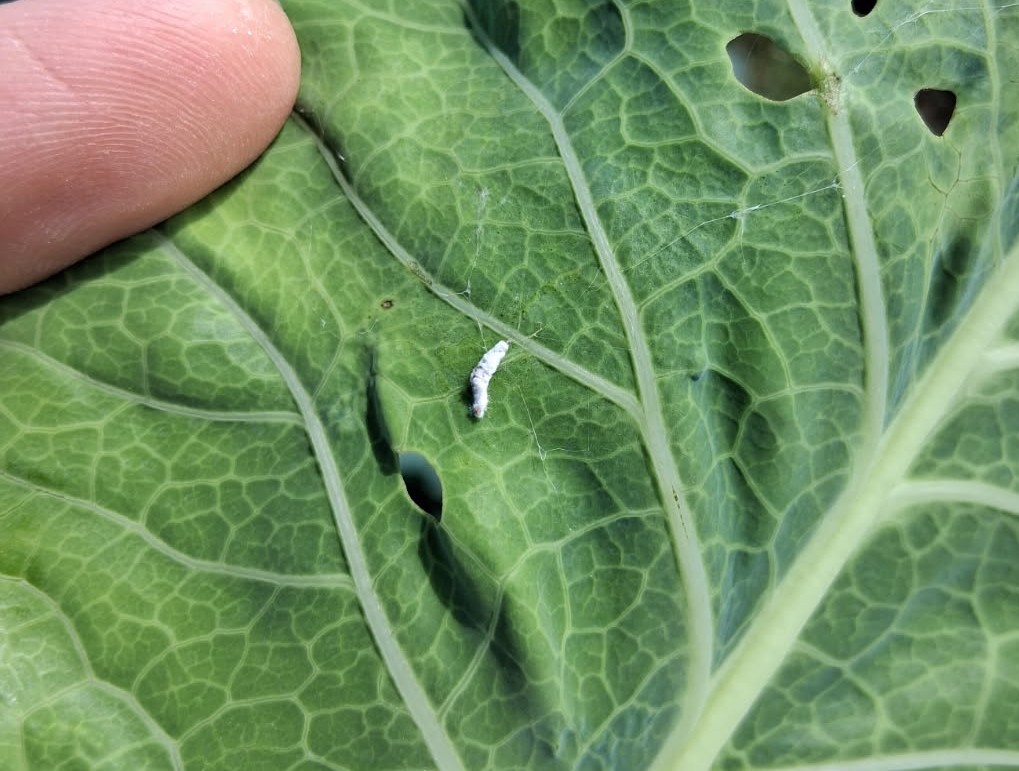
What has made this diamondback moth appear white and fuzzy? This diamondback moth is covered in a fungus called Beauveria bassiana. Beauveria is an entomopathogenic (meaning it develops on insects), soil dwelling fungi. This beneficial fungus is native to the US and affects at least 700 species of insects. Aerial spores of the fungus land…
-
2025 Recommendations For Fall Chemical Treatments In Strawberry Crops
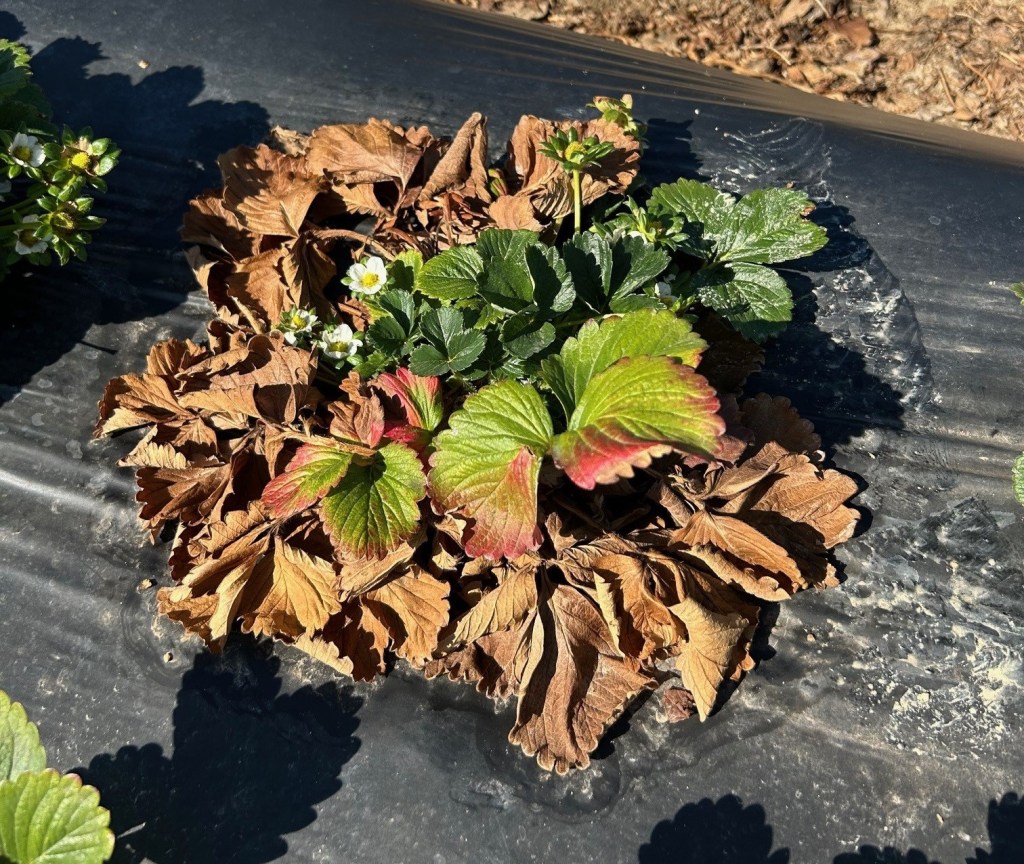
By Guido Schnabel, Clemson University; Phil Brannen, University of Georgia; Bill Cline and Caleb Bollenbacher, North Carolina State University Whether or not Neopestalotiopsis (Neopest) will harm your strawberries this season depends on many factors – including the quality of the transplants, the cultivar, sanitation practices, soil inoculum levels, weather conditions, and the fungicides you use.…
 The South Carolina Grower